
Venice has always been a city built on the relationship between making and meaning. For centuries, its artisans turned glass into light, fabric into status, and stone into power. Now, as the city continues to negotiate its identity between tourism and tradition, fashion designer Dries Van Noten is adding his voice to the conversation. In April 2026, he will open Fondazione Dries Van Noten at Palazzo Pisani Moretta, a new cultural institution that positions craftsmanship not as heritage to be protected, but as a living practice that evolves with each generation.
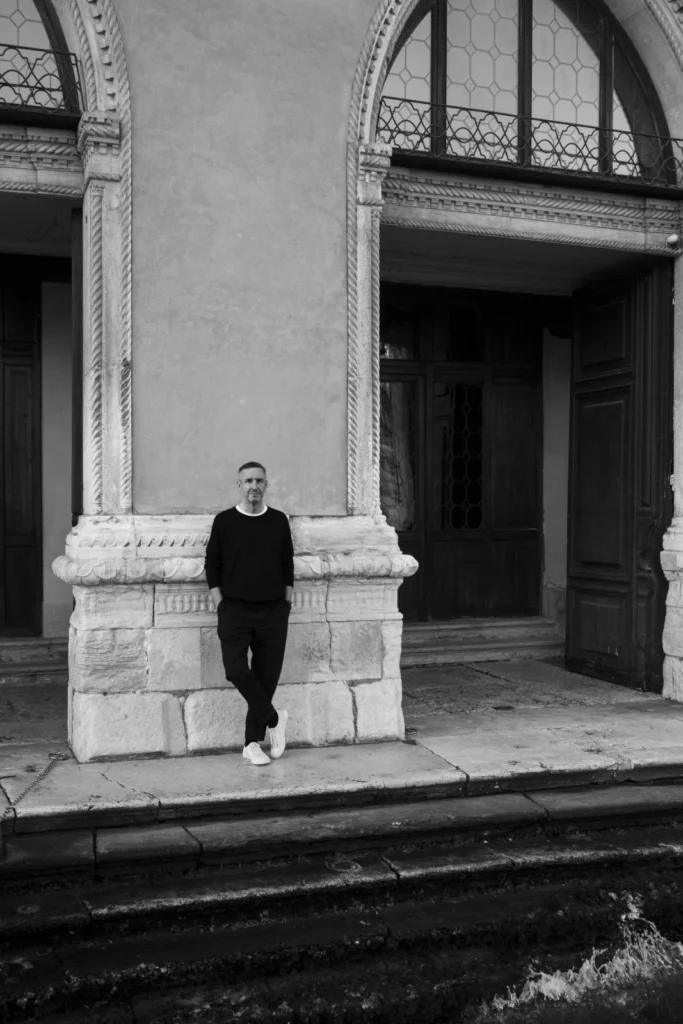
Van Noten, who stepped away from his eponymous fashion house in 2024 after 38 years, has long been known for his reverence for textiles and technique. His collections were built on layering, pattern, and sustained collaboration with artisans across continents. Over the course of his career, he worked extensively with Indian textile printers in Jaipur, Japanese fabric mills in Kyoto, and embroiderers across Europe, shaping a design practice rooted in cross-cultural dialogue. His approach was never about imposing a singular vision, but about responding to what materials and makers could offer. Fondazione Dries Van Noten, co-founded with Patrick Vangheluwe, extends that philosophy into a permanent structure focused on makers and processes rather than finished products.
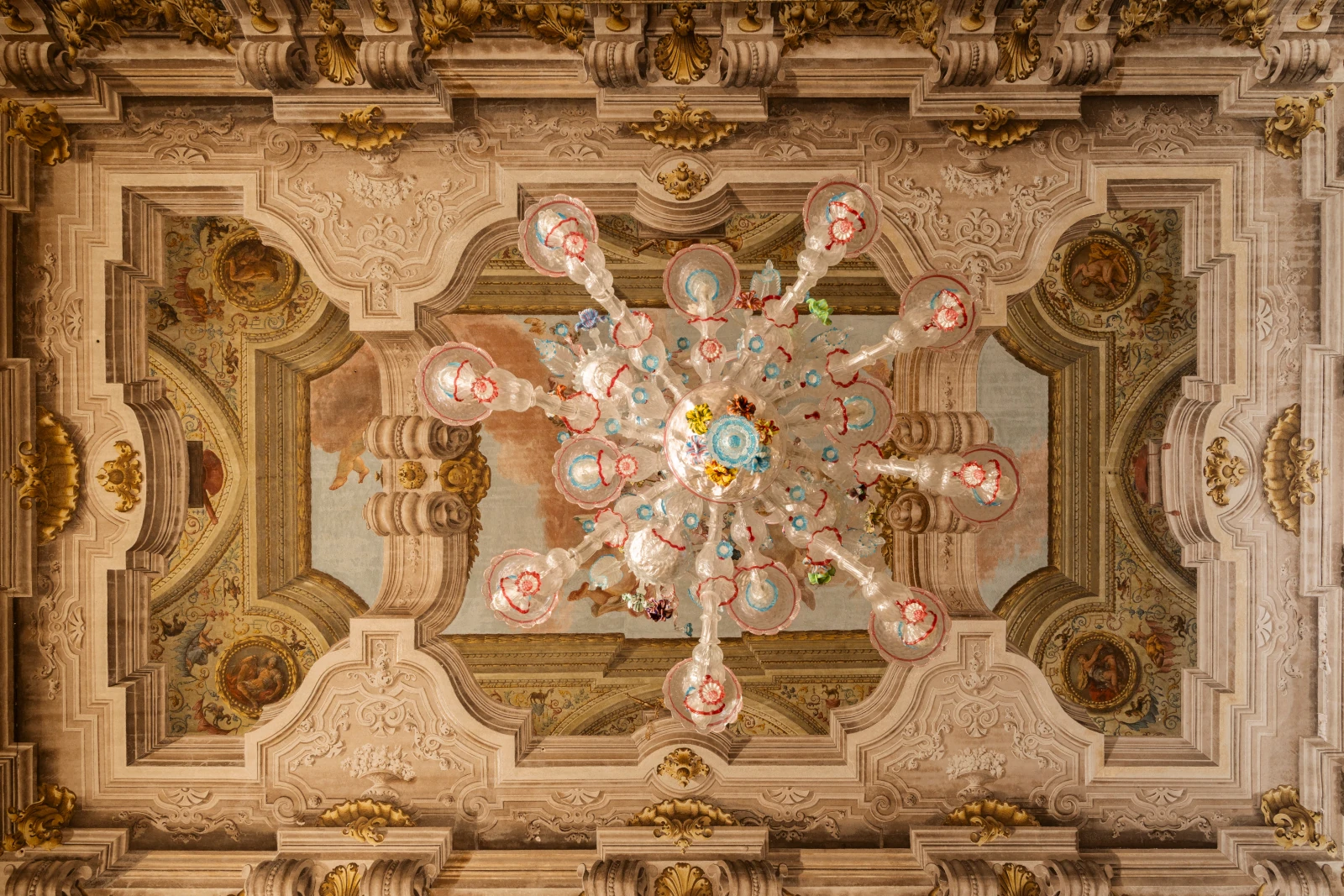
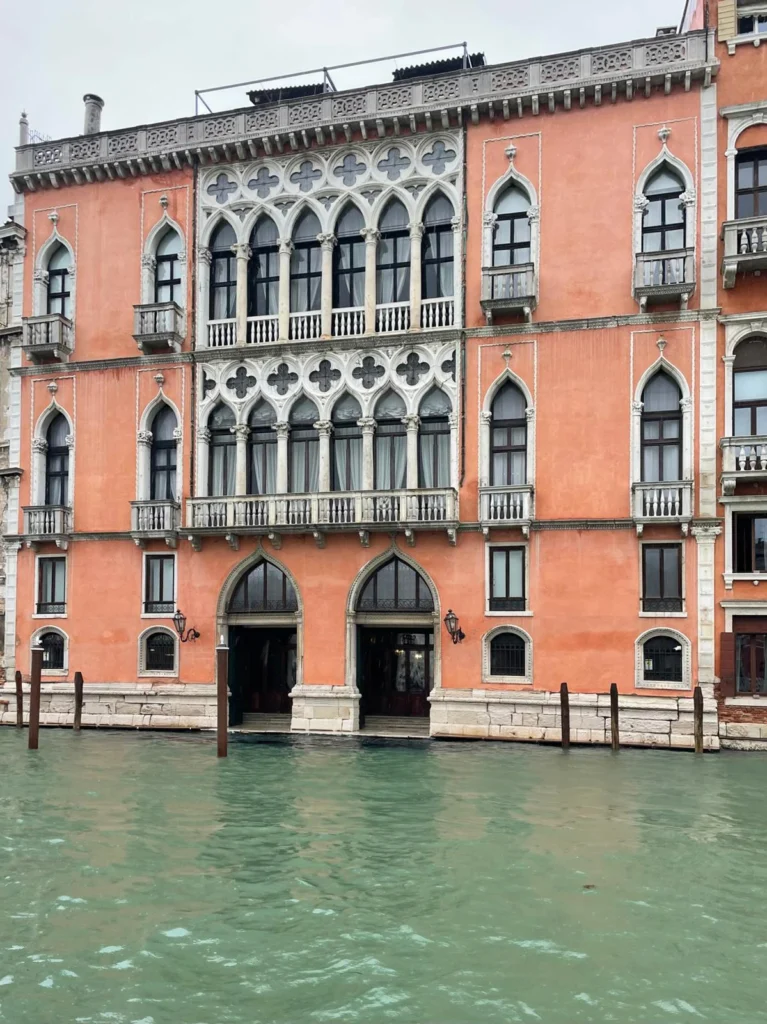
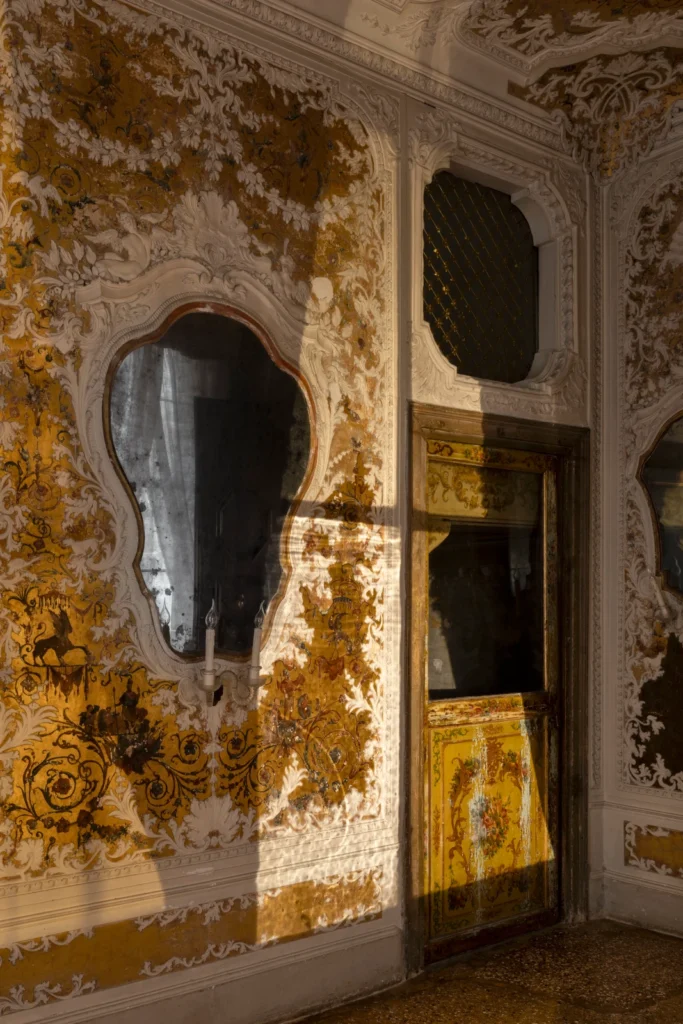
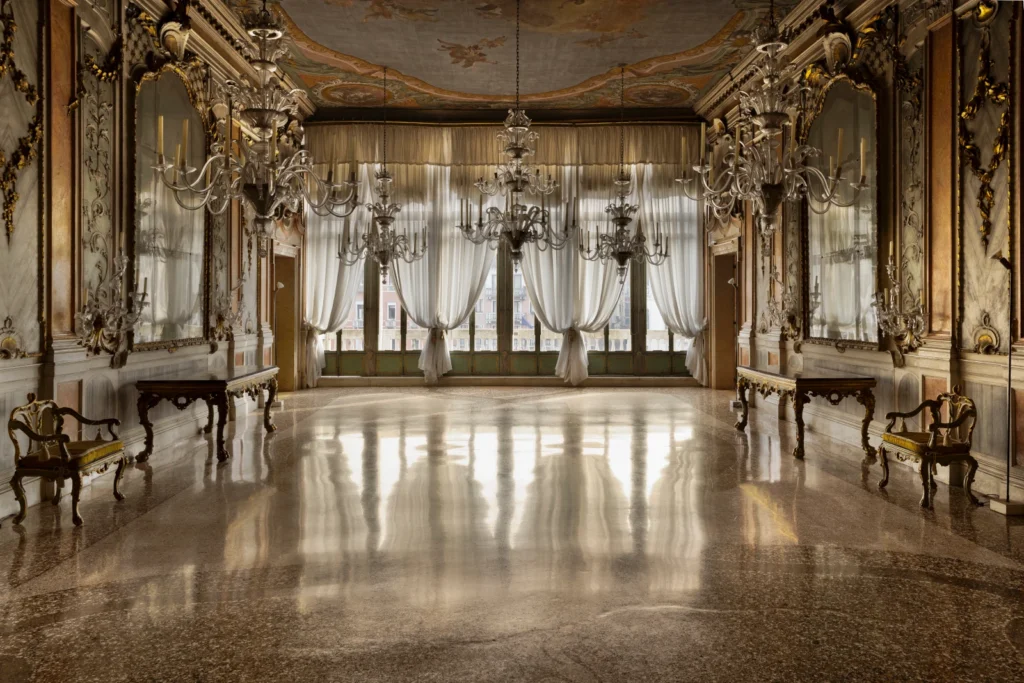
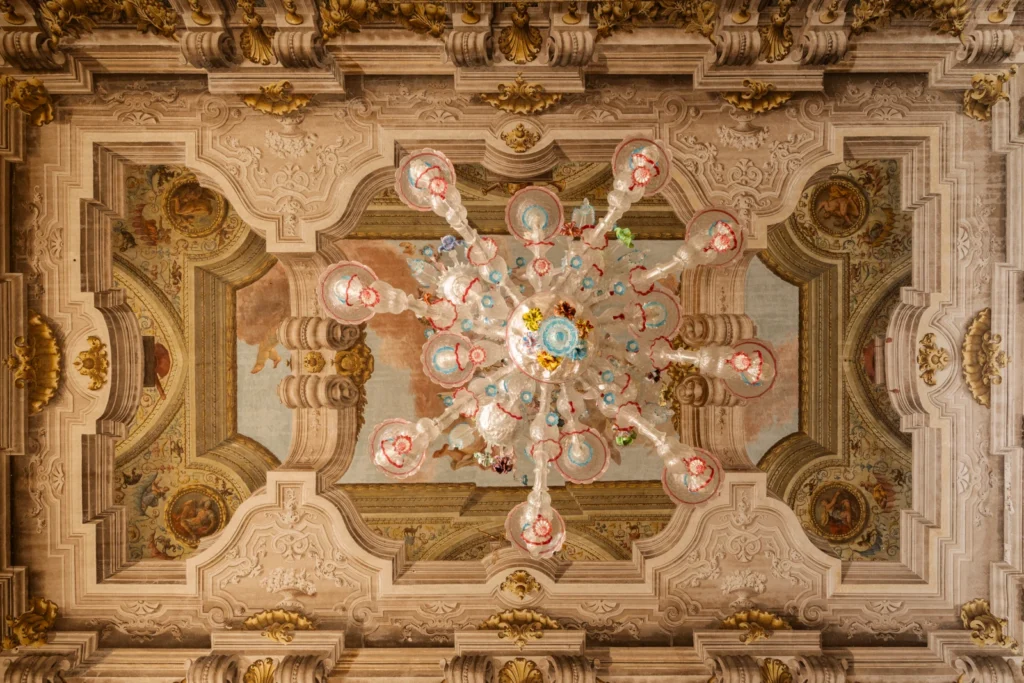
Palazzo Pisani Moretta provides both context and counterpoint. Built in the 15th century along the Grand Canal, the Gothic palazzo has witnessed Venice’s shifting fortunes, from its era as a maritime power to its present role as a cultural destination navigating the tension between preservation and relevance. Its frescoed ceilings and gilded interiors reflect centuries of Venetian craftsmanship, forming a historical frame for the contemporary work that will unfold within its walls.
Craftsmanship, as defined by the foundation, operates as more than skill or tradition. The founders describe it as craftsmanship as an act of cultural identity, thinking with one’s hands, shaping meaning through material, gesture, time, and space. This perspective positions craft as a form of intellectual engagement, where ideas are processed through physical materials. In a moment when much creative production is increasingly mediated by digital tools, the foundation’s emphasis on tactile knowledge and material literacy signals a deliberate philosophical stance.
Programming will unfold throughout the year rather than following a conventional exhibition calendar. Residencies will bring makers into the palazzo for extended periods of research and production. Collaborative projects will pair artists and artisans, while satellite activations will extend the foundation’s presence beyond the building itself. Educational programs will engage students and emerging creatives not simply as audiences, but as participants in shaping the institution’s direction.
Venice maintains a fragile but persistent community of traditional artisans. Glassblowers on Murano, lacemakers on Burano, and bookbinders and textile workers across the city continue practices that stretch back centuries. Many face economic pressure as tourism-driven demand prioritises speed and volume over commissioned work. By creating a platform that connects these local makers with international designers and artists, the foundation situates itself within Venice’s existing creative ecosystem while seeking to expand the possibilities for visibility and collaboration.
Throughout his career, Van Noten resisted an auteur-driven model of fashion. While presenting collections in Paris, he consistently rejected spectacle, celebrity endorsement, and logo-led marketing in favour of material integrity and construction. He often staged shows outside traditional formats and remained committed to an independent way of working. His business stayed privately held until 2018, when Spanish luxury group Puig acquired a majority stake, with Van Noten retaining creative control until his departure in 2023. This history suggests a commitment to craft instead of publicity and display.
Van Noten and Vangheluwe have structured the foundation around the belief that traditions survive through continual reinvention rather than static preservation. This philosophy moves away from the museum model toward something more fluid and collaborative. It positions Venice not as a monument to past achievement, but as a working city where historic knowledge actively informs contemporary practice. Fondazione Dries Van Noten opens in April 2026 at Palazzo Pisani Moretta, advancing a model of cultural engagement rooted in making, participation, and the belief that craft remains a vital form of cultural identity.