


For decades now, the private aviation industry, including nearly all private aircraft types, has received criticism due to its potential for causing environmental harm. With a growing emphasis on climate change and emissions, an increasingly environmentally conscious public has been placing a great deal of pressure on the sector to adapt and improve. In 2025, simple sustainability is no longer an option. The need for change has come to dominate the market in ways that are quietly leading the charge of what tomorrow’s private jet travel actually looks like.
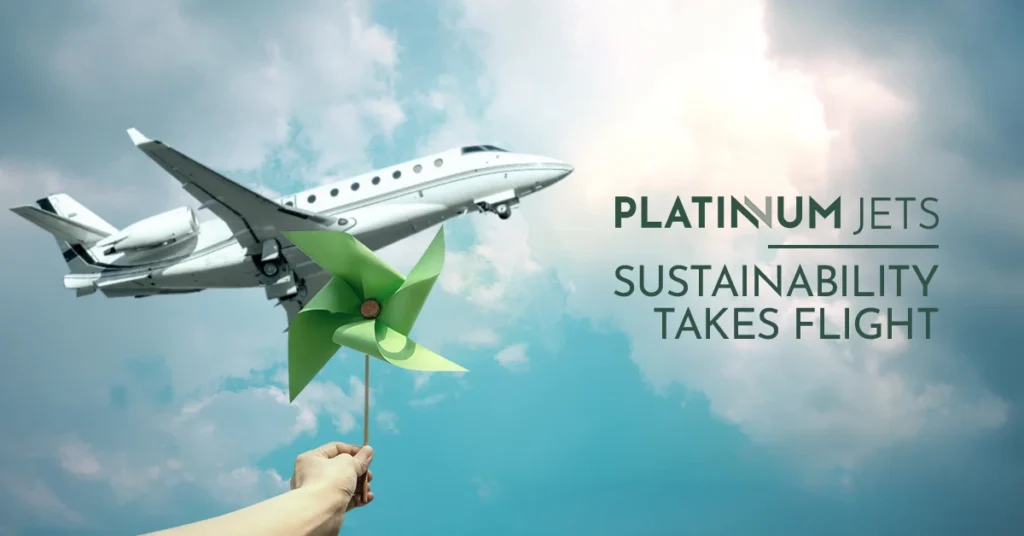
SAF Leading the Charge
The creation of sustainable aviation fuel (SAF) has helped pave a path for greener private air travel. Created using resources such as waste oils and biomass, this type of fuel can cut carbon emissions by as much as a whopping 80%. Today, most charter operators are blending this less damaging fuel type into the existing fuel supplies for their private jets and civilian helicopters, allowing eco-conscious clients to shrink their footprint without hurting their lifestyle.
Offsetting Dangerous Carbons
Carbon offset programs must also be factored in as we look to the future. A growing number of charter providers have begun to offer passengers the option to mitigate some or all of the emissions resulting from their air travel by investing in reforestation, renewable energy, or other conservation projects. This makes it extremely easy to give back to the planet while still reaping all of the benefits of non-commercial travel. While a far cry from perfect, these programs are at least a concrete step forward for such travelers seeking to offset their footprints.
Keeping Up With Demand
The demand for greener travel options is going nowhere anytime soon. In fact, the demand is expected to grow substantially over the coming years, as we continue to see the impact of our actions on this planet. Moving forward, travelers are more likely to expect tangible actions from their chosen private flight operators. This is expected to include clear statistics on emissions, for example, or active and verifiable participation in environmental organizations. This demand keeps competition among suppliers strong, as each wants to advertise and spread the word about its green initiatives.

Product Innovation
Manufacturers of private jets and helicopters are also finding ways to innovate. The aforementioned fuel changes, lighter materials, and various engine improvements are currently in development, hinting at an era when privately operated aircraft may draw exclusively upon green energy sources to keep them airborne. Some of the companies that are leading the way are taking it a step further by experimenting with hydrogen-powered designs. Although these innovations won’t be ready for debut anytime soon, simply knowing that they are in the works helps to shine a positive light on the industry.
Adhering to Government Regulations
Pressure is being placed on charter companies at a governmental and regulatory level, too. Newly introduced taxes on private aviation in Europe are driving companies towards incorporating cleaner solutions. At the same time, international agencies are setting ever more ambitious goals for carbon emissions reduction. As this continues, the private and commercial airline industries are falling in line with new requirements, following the rules needed to retain a licence to operate their business.
Benefits of Branding
Another interesting development is that many charter companies are using sustainability as a branding opportunity. It has become clear that companies that choose to incorporate green practices into their business model present themselves to other market participants as innovators and leaders in the space. The impact is far-reaching, ranging from the younger, green-minded demographic, all the way to wealthy travelers who have a real concern for social responsibility.
While it is true that private aviation may never be entirely 100% carbon-neutral, the mere fact that the industry is now moving wholeheartedly over to planet-friendly, sustainable principles is a clear signpost. The aircraft of tomorrow won’t just be fast and luxurious; they’ll be causing less damage to, and possibly even helping to repair, our natural environment.