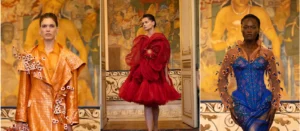

JADE by Monica & Karishma has opened a 10,000 square foot flagship at Ambawatta One, consolidating its couture, prêt, and craft operations under what the brand defines as “Bombay Chic,” a design philosophy rooted in Mumbai’s textile trade history and Art Deco architectural legacy.
Launched in 2008, JADE has built its reputation on craft-based design that translates to international markets. Monica Shah studied at Central Saint Martins in London while Karishma Swali holds a degree from NIFT. Both worked with Italian fashion houses before establishing JADE. Swali’s Chanakya International, which has been an embroidery hub for Fendi, Dior, Balmain, Erdem and other luxury brands, gives JADE craft expertise that many independent luxury labels lack.
Shah said, “Bombay Chic is a design philosophy, a way of seeing, creating, and belonging. Born of Mumbai, the city of our birth, it celebrates the beauty that emerges when contrasts coexist, when craft meets culture, and the handmade finds harmony with the modern. It’s not about nostalgia; it’s about ongoing evolution while staying rooted to culture. It’s about embracing the new while staying true to the stories and the city that have shaped us.”
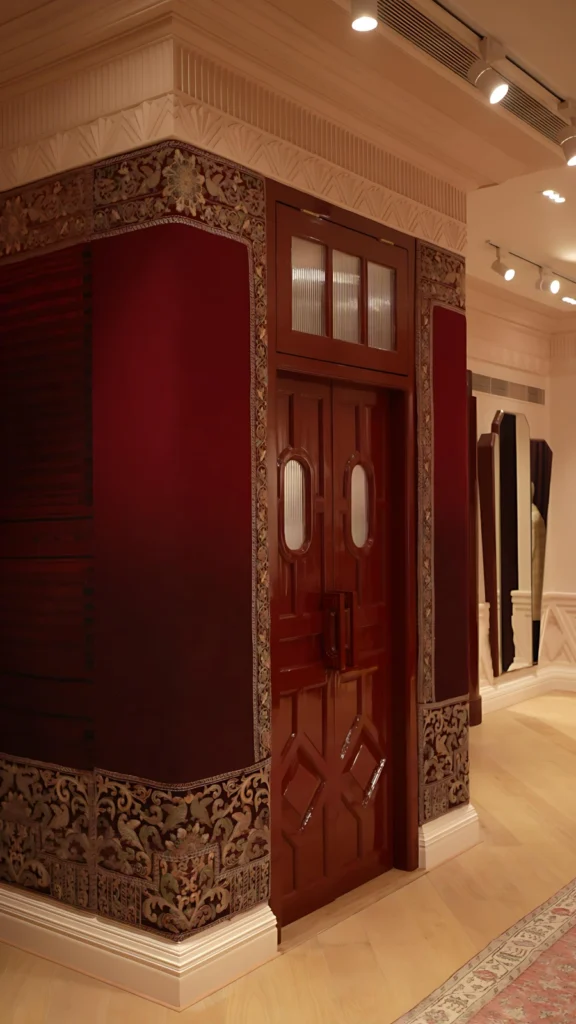
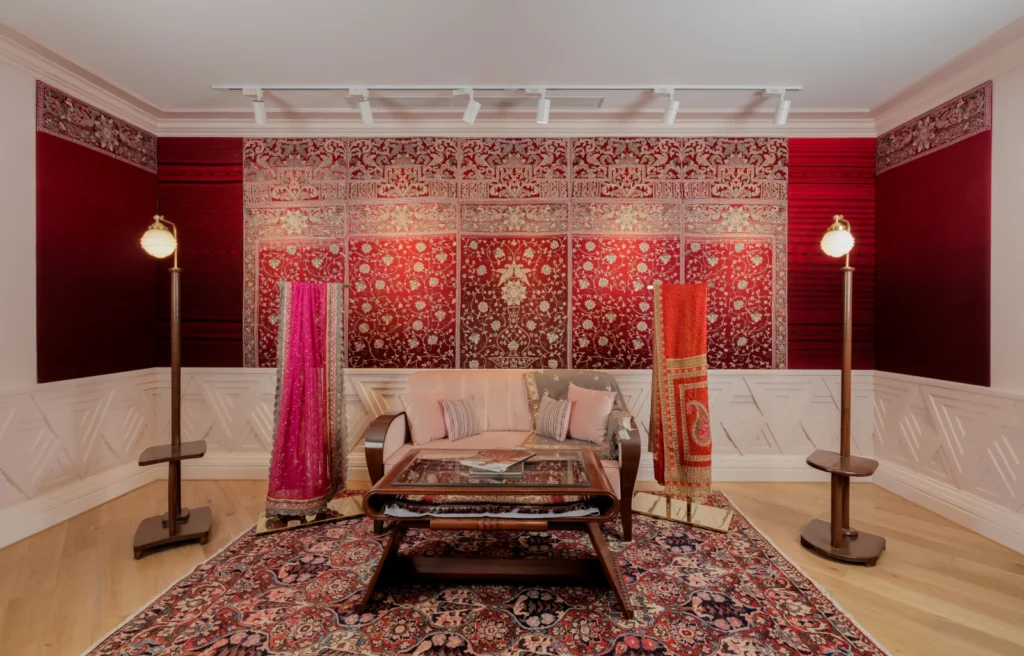
Mumbai’s history as a textile and trade center shapes the philosophy. While the city officially became Mumbai in 1995, the term “Bombay” evokes its cosmopolitan past, particularly the Art Deco period that transformed its architectural landscape. JADE’s flagship references this through coral and burgundy tones, brass and wood accents, and sculptural murals. Circular motifs appear throughout, representing continuity between tradition and innovation.
Space allocation reflects the brand’s priorities. A Saree Salon features chantilly, tissue, and handwoven drapes. A menswear section addresses a growing category for the label. A bespoke area handles custom orders. Couture, evening wear, and The Grassroot Artisans Project occupy distinct zones within the 10,000 square foot layout.
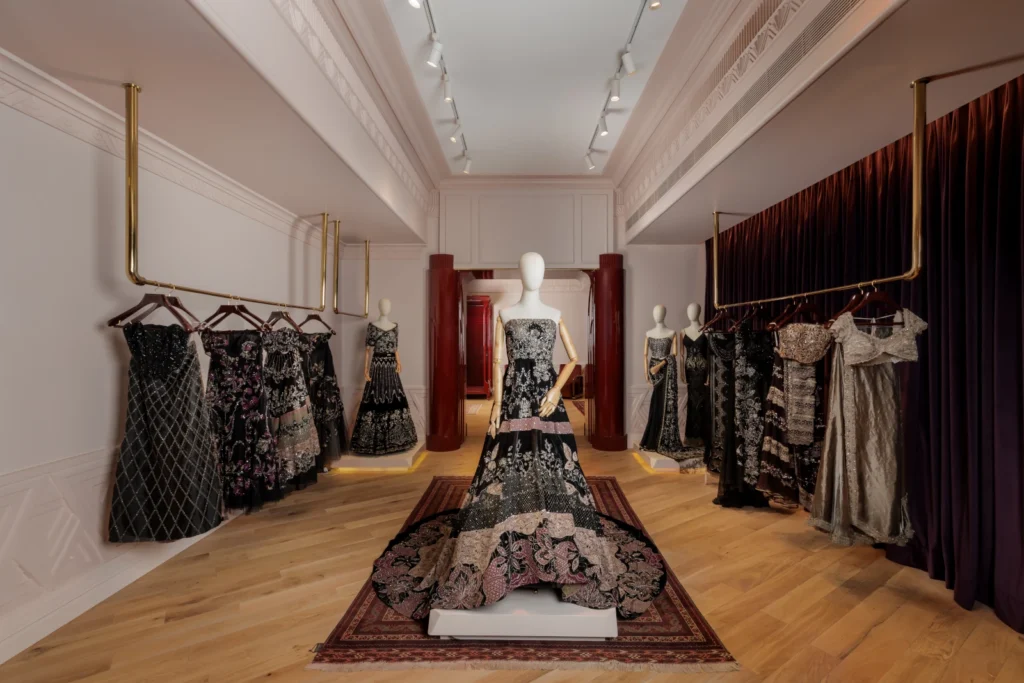
“This space is an ode to Mumbai, the city that raised our creative spirit. Every texture, curve, and surface is a conversation between craft and contemporary design, a tangible expression of Bombay Chic,” Shah explains.
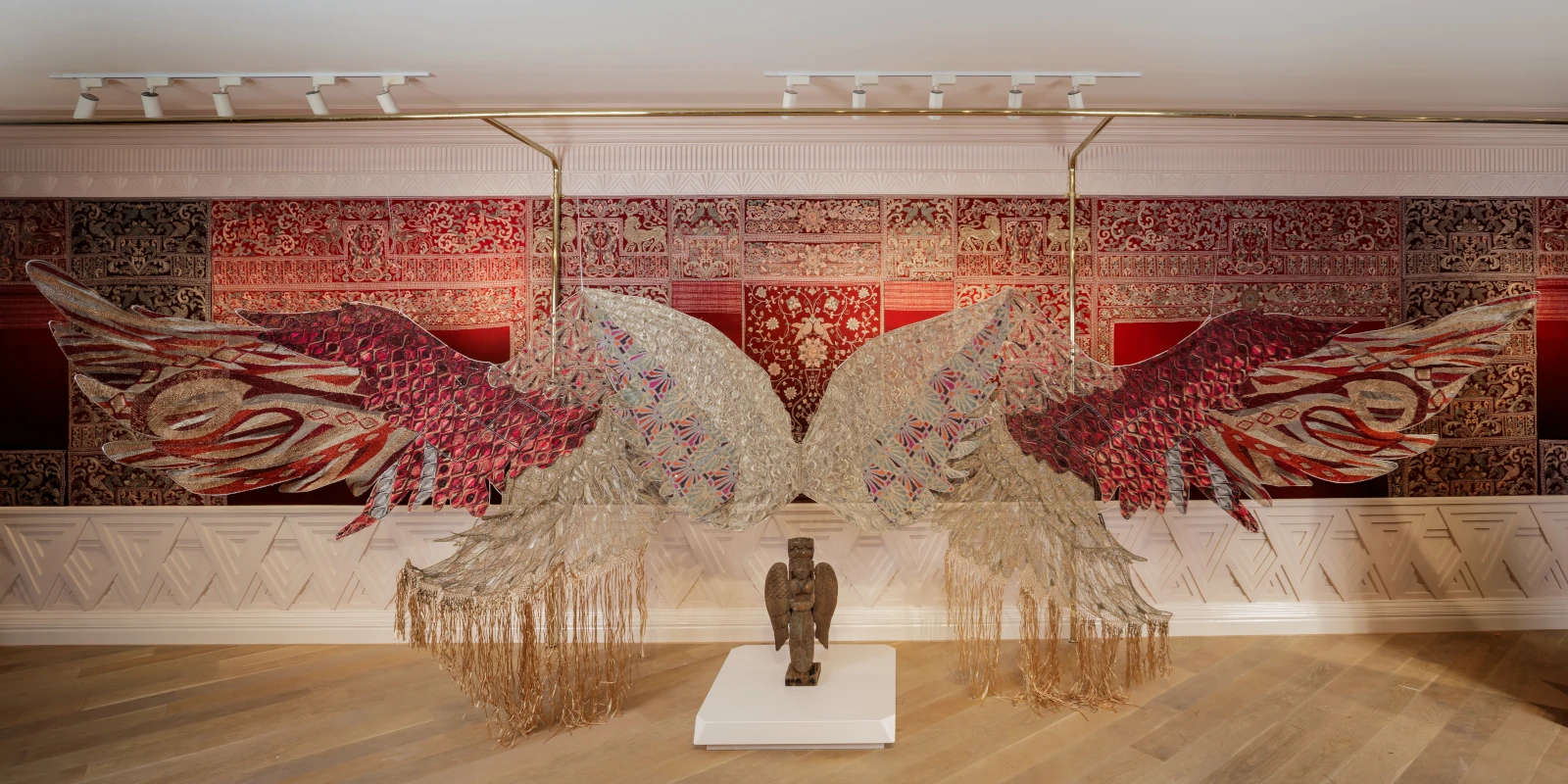
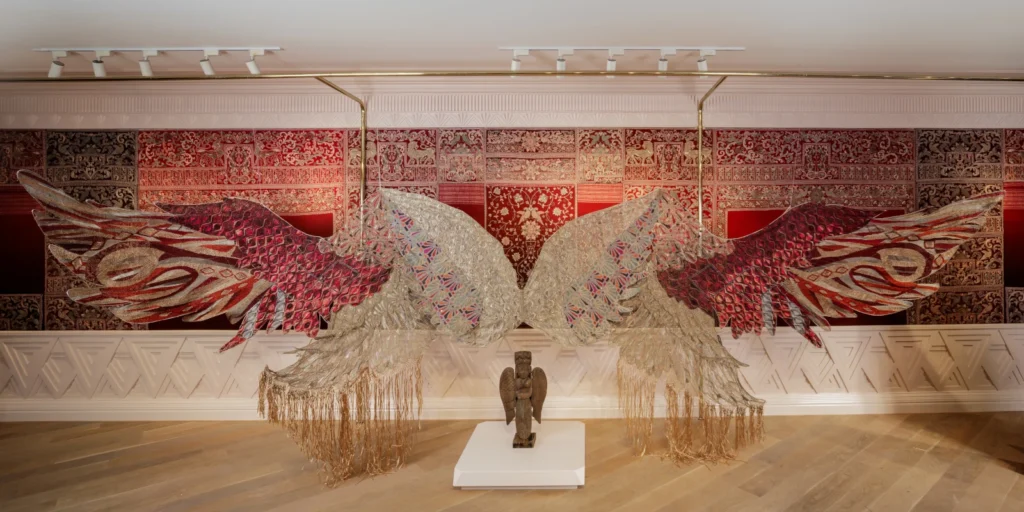
An installation titled “Wings of Hope” introduces The Angel, now the house motif for JADE and The Grassroot Artisans Project. Created using Kasab interlacing, Raffia weaving, and Moti Bharat beadwork, the figure wears a sari and holds a garland mid-flight. Antique gold, muted silver, soft raffia, and metallic sheens form the palette. She reminds me of the artisans I work with, quiet, dedicated, and powerful in their grace. Her wings carry their stories forward,” said Shah. JADE will incorporate The Angel across visual identity, installations, and collections.
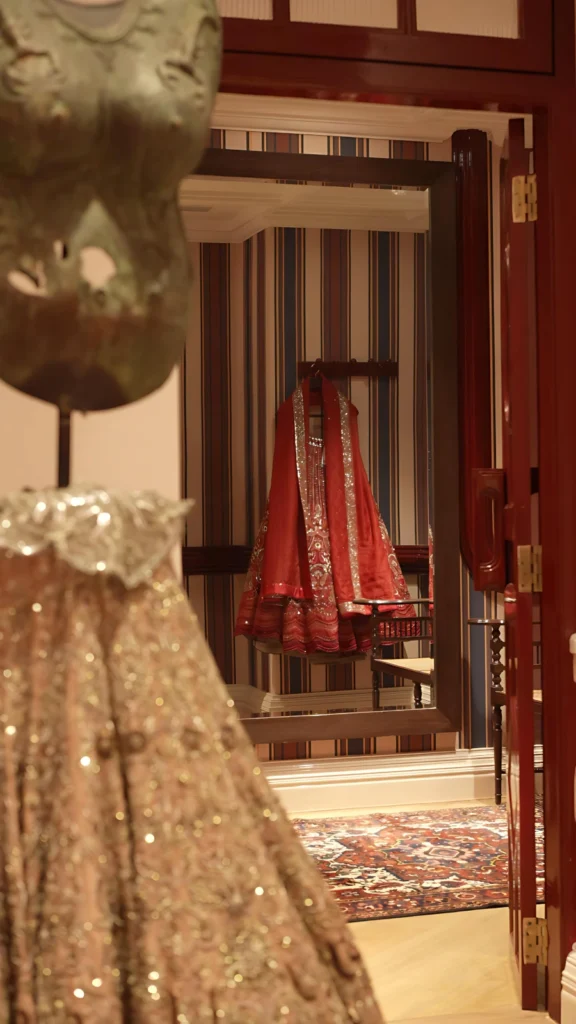
Grassroot Artisans Project collaborates with six craft clusters across India, working with Soof, Batik, Ajrakh, Ikat, Kanjivaram, and Pattu techniques. Each is interpreted through contemporary silhouettes and construction methods. Shah positions this against accelerating digital production in fashion.

Indian fashion has seen sustained interest in craft-focused luxury over the past decade. Raw Mango established itself through handloom sarees. Pero built its identity on block printing and tribal textiles. 11.11 / eleven eleven works with weavers across multiple states. Each brand has developed distinct commercial strategies around craft production. JADE’s approach layers craft within a broader couture offering rather than positioning it as a separate category.