
I was introduced to Prabal Gurung not very long ago. Of course, I had known the name – the Nepalese-American designer whose creations have graced global red carpets and some of the most influential women in the world. But it wasn’t until an image of him standing beside Diljit Dosanjh at the Met Gala 2025 went viral that I truly paused.
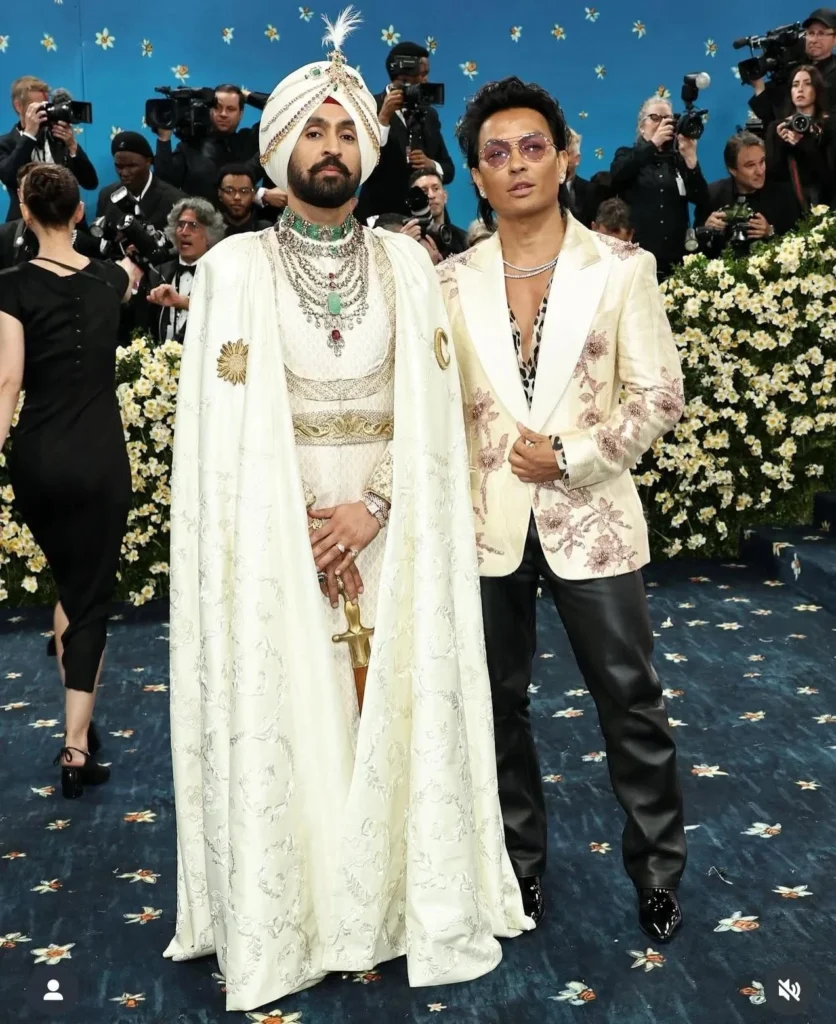
There was something in that photograph that felt larger than fashion. It wasn’t just about tailoring or celebrity. It was about presence, about lineage worn without hesitation. About pride without performance.
Gurung’s own story carries that same quiet intensity. Born in Singapore and raised in Kathmandu, he spent formative years in New Delhi before eventually finding his way to New York, where he launched his eponymous label in 2009. Over the years, his designs — known for their sculptural silhouettes, fluid femininity, and bold use of colour — have been worn by global figures such as Michelle Obama, Kate Middleton, Michelle Yeoh, Diane Kruger, and countless others who see fashion not just as adornment but as expression.
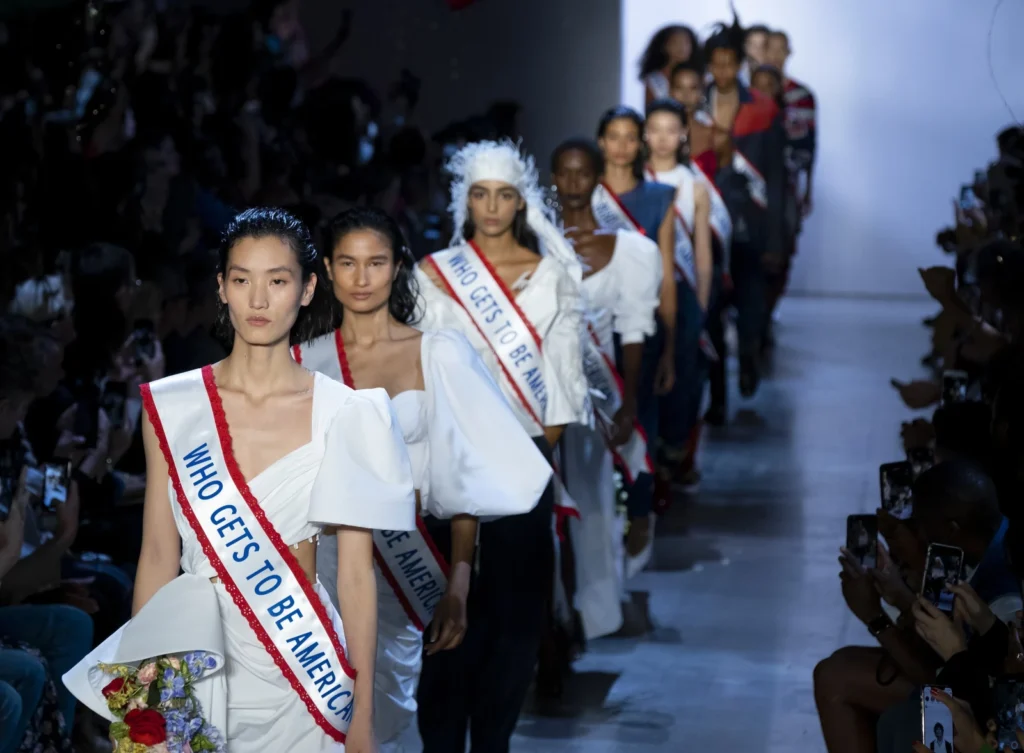
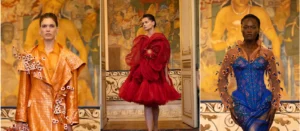
Yet Gurung’s voice within fashion has never been confined to the runway. His work often engages directly with questions of identity, belonging, and representation. One of his most widely discussed moments came during his 10th anniversary runway show at New York Fashion Week with the Who Gets to Be an American? collection, where models walked the runway wearing powerful slogans that challenged traditional narratives of nationality and inclusion. It was a reminder that fashion, at its most meaningful, can also be a cultural conversation.
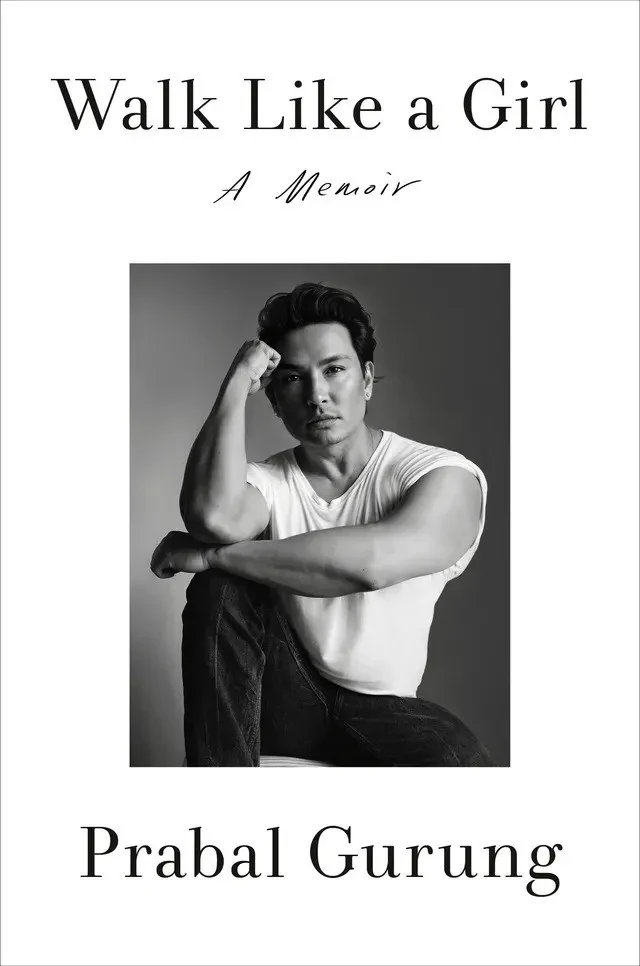
That same introspection runs through his memoir, Walk Like a Girl, where Gurung reflects on his upbringing, his struggles with identity, and the resilience that shaped his creative voice. The book is less a chronicle of fashion success and more a meditation on vulnerability, courage, and the power of self-acceptance.
Kathmandu gave me roots. Delhi gave me scale. Melbourne gave me self-discovery. New York gave me a platform.
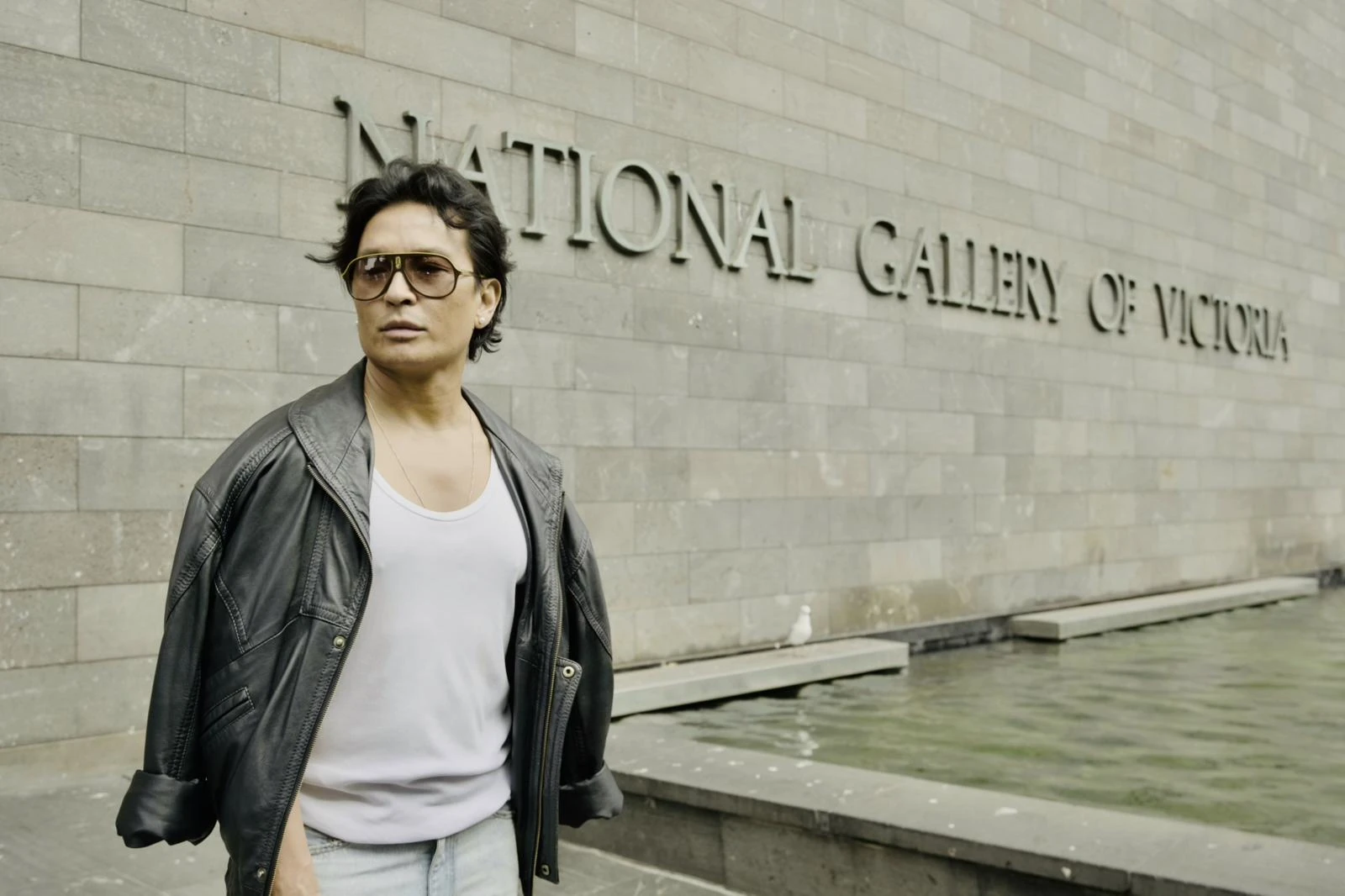
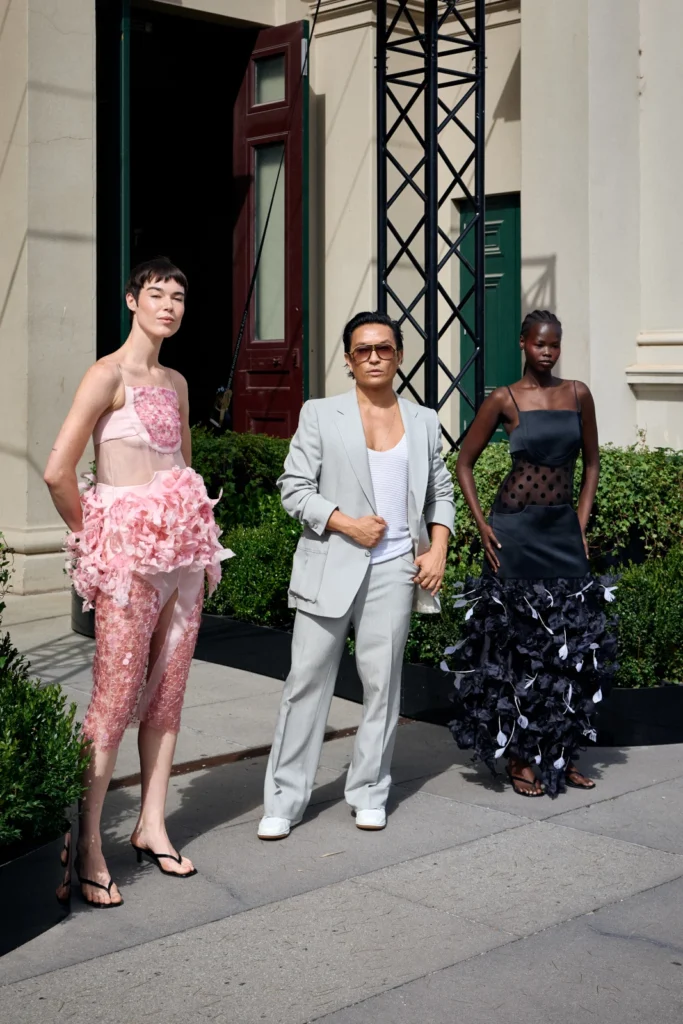
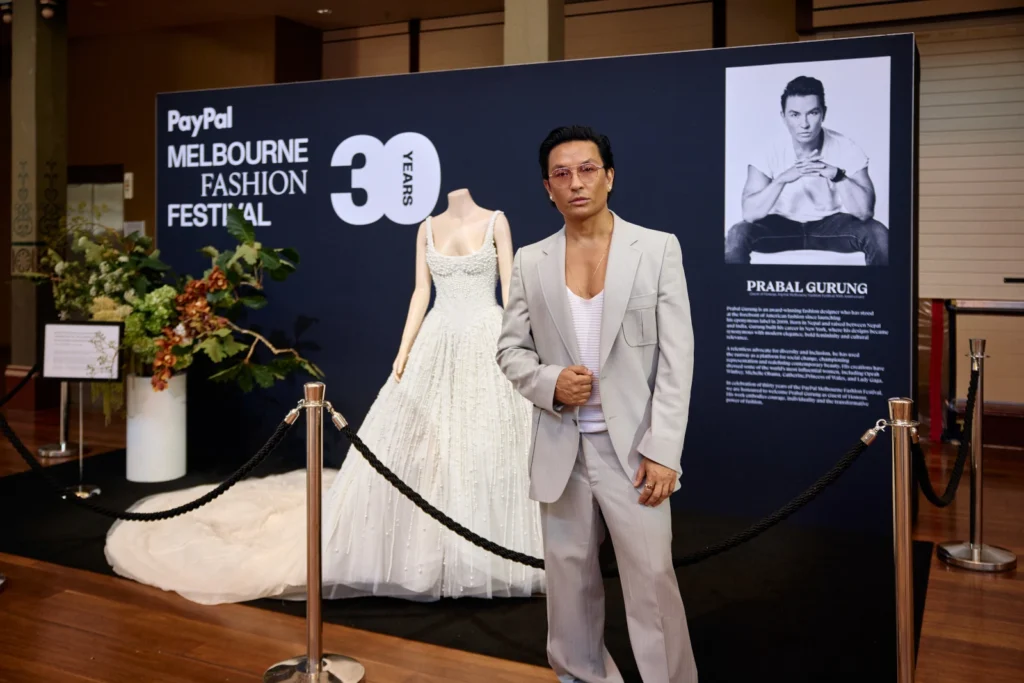
Soon after, watching him speak at the PayPal Melbourne Fashion Festival, I noticed the same quality in motion — quiet conviction. The kind that doesn’t demand attention, but commands it. Gurung does not separate identity from design, nor vulnerability from strength. In his world, craft carries memory, and clothing carries dignity.
In conversation with LuxuryFacts, Gurung reflects on roots, resilience, luxury, and the responsibility of creation.
LuxuryFacts: Your journey spans Kathmandu, New Delhi, Melbourne, and New York. At each stage, what kept you moving forward during moments of uncertainty?
Prabal Gurung: I think what kept me moving forward was never knowing how to be anything other than myself. Even in uncertainty, I had this deep conviction that shrinking wasn’t an option. I was incredibly proud of where I came from, Nepal, India, that part of the world, and I didn’t want to hide that.
Every city gave me something different. Kathmandu gave me roots. Delhi gave me scale. Melbourne gave me self-discovery. New York gave me a platform. But through all of it, what moved me forward was conviction, the courage to show up unapologetically, even when it felt uncomfortable.
Your childhood has been no cakewalk. Was there one particular habit that made you resurface time and again?
Solitude – has always been my best friend. My best ideas, my resilience, my strength, they’ve all come from moments of sitting quietly with myself. Whether with a sketchpad or just my thoughts, I’ve always processed the world internally first.
And I think that habit of reflection, of turning inward instead of collapsing outward, allowed me to resurface, again and again.
In Walk Like a Girl, you speak with striking honesty about vulnerability and strength. Was there a moment in writing the memoir that changed how you see yourself today?
Writing it made me realize that softness is not weakness. In a world that often rewards brute force, I understood that vulnerability, when owned, is power. Revisiting my story without diminishing it, without reducing it for comfort, allowed me to see my own resilience more clearly.
I think the shift wasn’t dramatic. It was quiet. It was the recognition that grace and tenacity can coexist.
For young creatives from India and South Asia navigating global spaces, what mindset shifts were most critical in your own journey?
The most important shift is this: do not assimilate by diminishing yourself. There was a time when wearing your heritage singled you out. Many people felt the need to reduce themselves to survive. I didn’t know how to do that, I came in guns blazing. Not because I was fearless, but because I didn’t know how else to be.
Now it’s no longer ‘East meeting West’, it’s ‘West meeting East’. And I think the mindset has to be one of pride, empathy, and research. Collaboration rooted in understanding, not performance.
Now it’s no longer ‘East meeting West’, it’s ‘West meeting East’.
Your work often bridges cultures without reducing them to aesthetics. How has your South Asian identity shaped your creative language?
Craft and creativity were part of our DNA growing up. Celebration was part of our DNA. So, I never saw wearing heritage as extraordinary, it was simply who we were. My South Asian identity gave me emotional layering. It gave me reverence for craftsmanship. It gave me empathy.
When I collaborate across cultures, it’s not about borrowing aesthetics. It’s about uncovering shared humanity. That comes from knowing who you are deeply enough that you don’t feel threatened by someone else’s story.
Having built a globally recognised label while staying values-led, what does true luxury mean to you today – craft, emotion, or impact?
Luxury is the freedom to be unapologetically yourself.
It’s going deep into craft. It’s celebrating who you are without dilution. It’s emotion. It’s empathy. And yes, it’s impact, because when someone wears something you’ve created and feels seen, that’s luxury. It’s not excess. It’s authenticity.
You have dressed some of the most famous women on Earth. Which have been your favorite muse, and why?
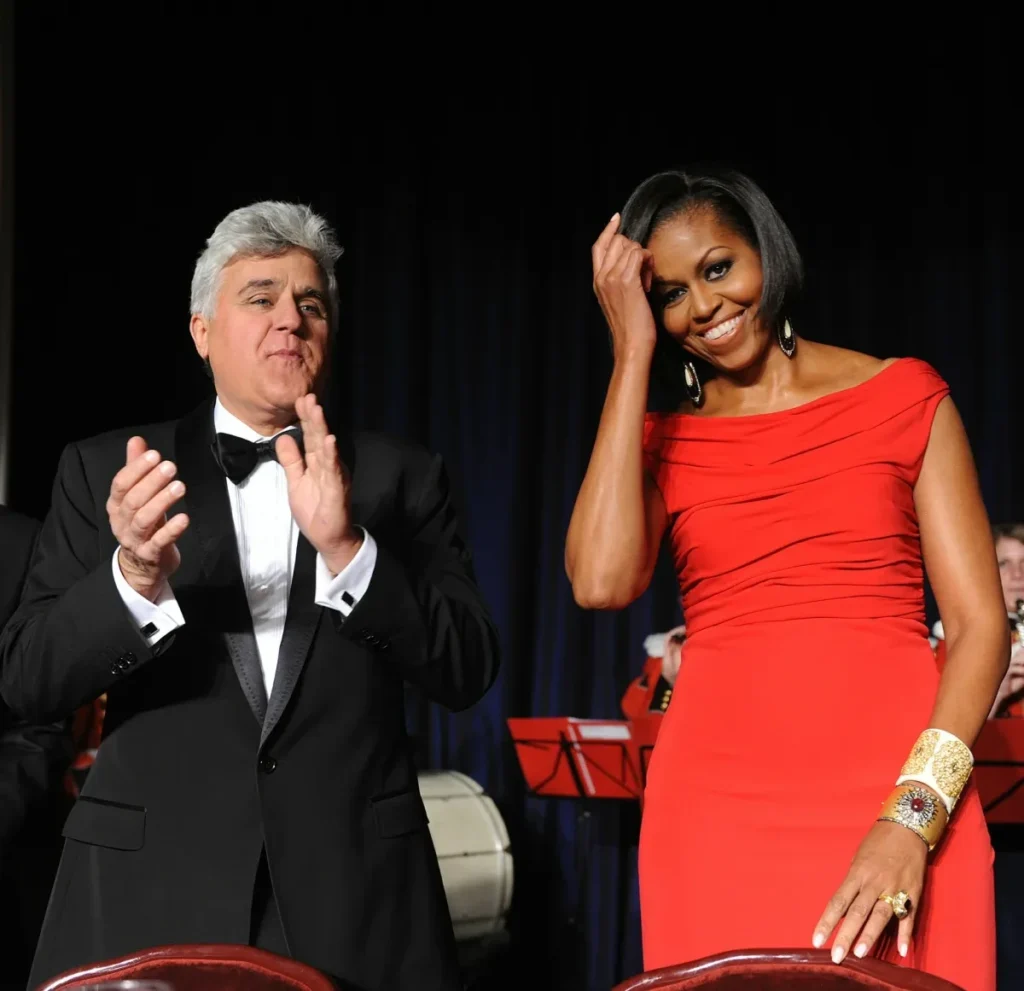
I’ve been incredibly fortunate, from Michelle Obama to Sarah Jessica Parker to so many remarkable women.
But what moves me most is when someone shows up fully as themselves. When I dressed Diljit Dosanjh and he celebrated his lineage unapologetically, that moment captured everything I stand for. So my favorite muse is anyone who meets the work with courage.
If you could pluck any one dress from history as your favorite, which one would it be?
I don’t know if I could choose just one. Because what moves me about a garment isn’t just the silhouette, it’s the spine behind it.
A dress that shifts perception, that challenges who is allowed at the table, that expands the idea of beauty, that’s the one I would choose. For me, fashion at its best is almost religious. It carries feeling. It carries conviction.
Beyond fashion, your humanitarian work reflects a broader purpose. How do you balance commercial success with social responsibility?
For me, they are not separate. Art is political. Creativity is political. The body is political. So the idea that business exists in isolation from responsibility, I don’t believe that. The foundation began with 12 girls. Now it has impacted millions. That happened because creativity and education were placed at the center. If luxury does not create community, then it’s hollow.
What must the next generation of designers protect, and what must they reinvent?
They must protect their truth. Protect their courage to be themselves. Protect empathy. Protect craft. What they must reinvent is access. Who gets to participate. Who gets to be seen. Inclusion is not a trend. It’s a responsibility.
Your recent NYFW collection was seen as apolitical during civil turmoil. Was that intentional?
I think art is inherently political. The fact that you show up as yourself is political. Softness is political. Vulnerability is political. Choosing to explore “home” in fractured times is political. Sometimes the loudest statement is not aggression, it’s inclusion. It’s asking how we come together when the ground feels unstable.
If luxury does not create community, then it’s hollow.
What distinguishes Indian luxury consumers today?
There is a deep understanding of craft. India has always celebrated artistry, it’s in our heritage. What’s changing is confidence. Consumers are no longer looking outward for validation.
They understand quality. They understand storytelling. And they want luxury that reflects their complexity, not a borrowed narrative.
Do you see South Asia becoming a defining force in global fashion?
It already is. For a long time, it was framed as inspiration. But the craftsmanship, the heritage, the emotional depth, these have shaped global fashion for centuries.
Now it’s being acknowledged. It’s no longer ‘East meeting West’. It’s ‘West meeting East’.
After everything you’ve built, what continues to move you emotionally as a creator?
Solitude. Humanity. The runway moment when feeling becomes form. But more than anything, when someone tells me they feel seen. When someone feels more than enough.
That continues to move me. Because at the end of it all, it’s about dignity. It’s about empathy. It’s about humanity.
……………………………………………………..
Featured image at top: Prabal Gurung at PayPal Melbourne Fashion Festival