
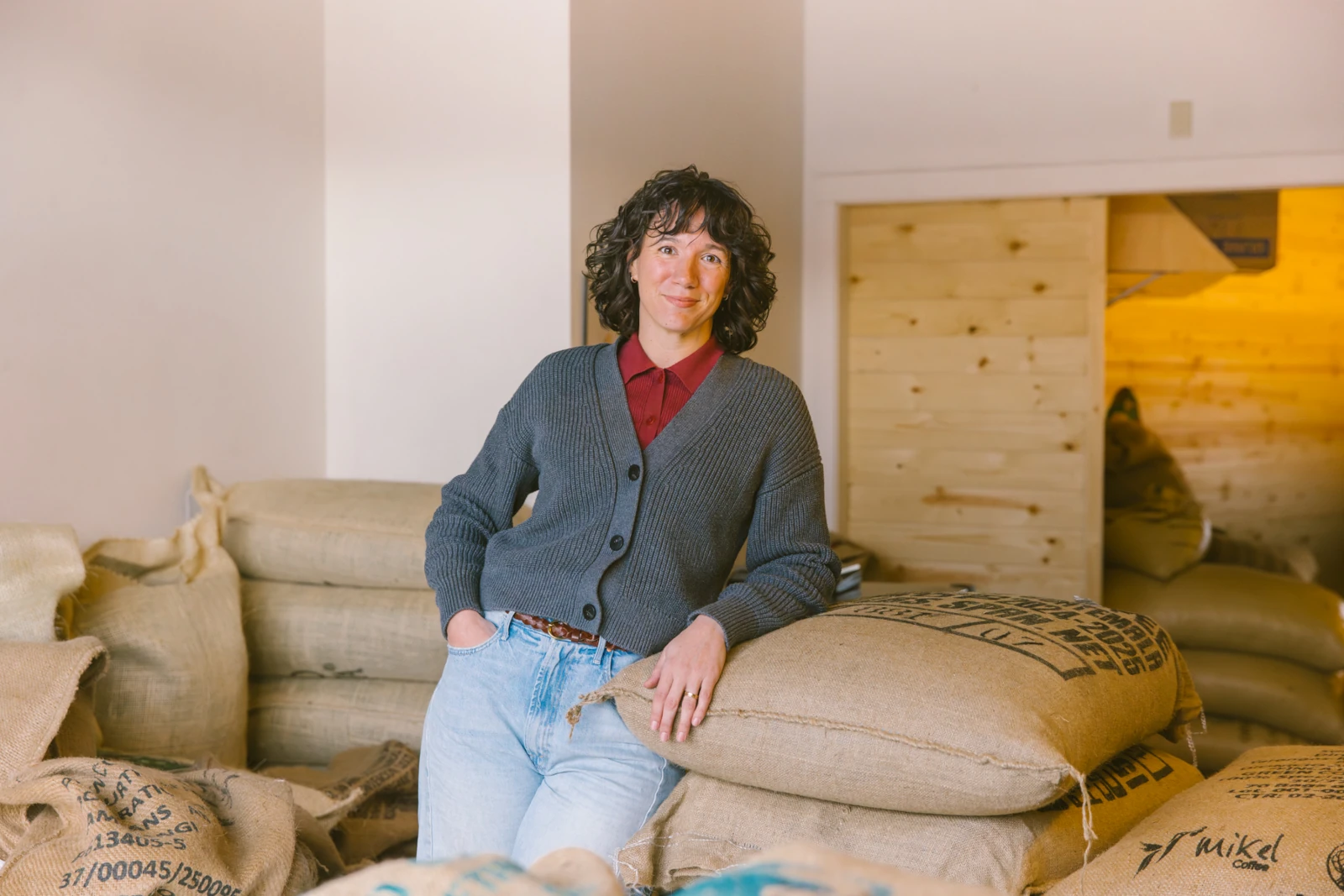
When I opened the thick wrapper, lightly brushed my fingers over the delicately etched diamond and cube pattern on the chocolate bar, I felt anticipation. What would a bird-friendly chocolate bar taste like? I took my first bite, and it melted right away into my mouth. Like silk.
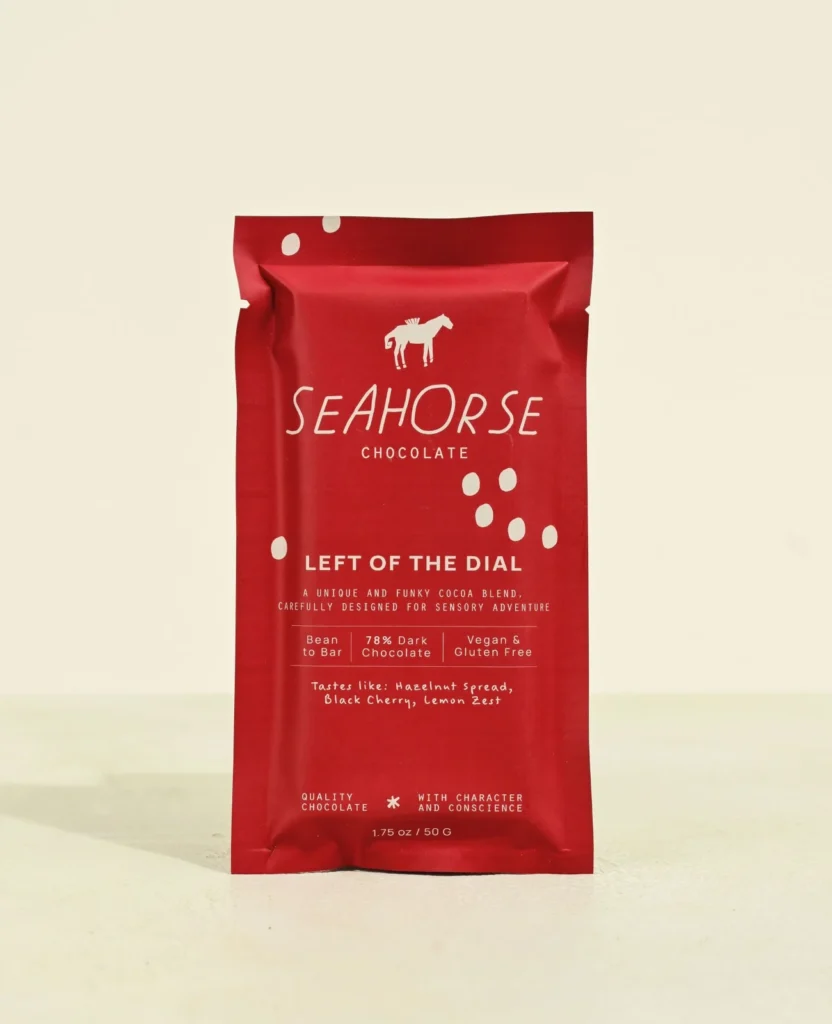
To be honest, I am not sure if being bird-friendly enhanced the taste of the chocolate. I would rather pass that compliment to the chocolate maker – Emily Pappo. But it does feel comforting to know something good is entering your body, and it’s delicious!
Based in Bend, Oregon, Seahorse Chocolate was originally founded in 2017. Born and brought up in East Coast, Pappo recently bought the company from founders Amanda and RC Gartrell. Since then, she has been making some extraordinary changes to the company, inspired by her past experiences in coffee.
The very patient yet excited Pappo clarified that the chocolate itself is not bird-friendly certified, but the farms from where they source cocoa beans are – as certified by Smithsonian.
Starting her career in coffee, she switched from psychology to environmental science to learn more about the production of coffee and how it is affected by climate change. After traveling, studying the supply chain, and tasting coffee all over the world for many years, Smithsonian happened to her.
After graduating, she received a postdoctoral fellowship with the Smithsonian’s National Zoo and Conservation Biology Institute, where she worked with the Smithsonian’s Bird Friendly Coffee and Cocoa Program. That’s where she began learning about cacao and chocolate. As I swirled the smooth Maya Mountain bit of bar (with 78% dark chocolate) in my mouth, I wondered what does being “bird-friendly” mean?
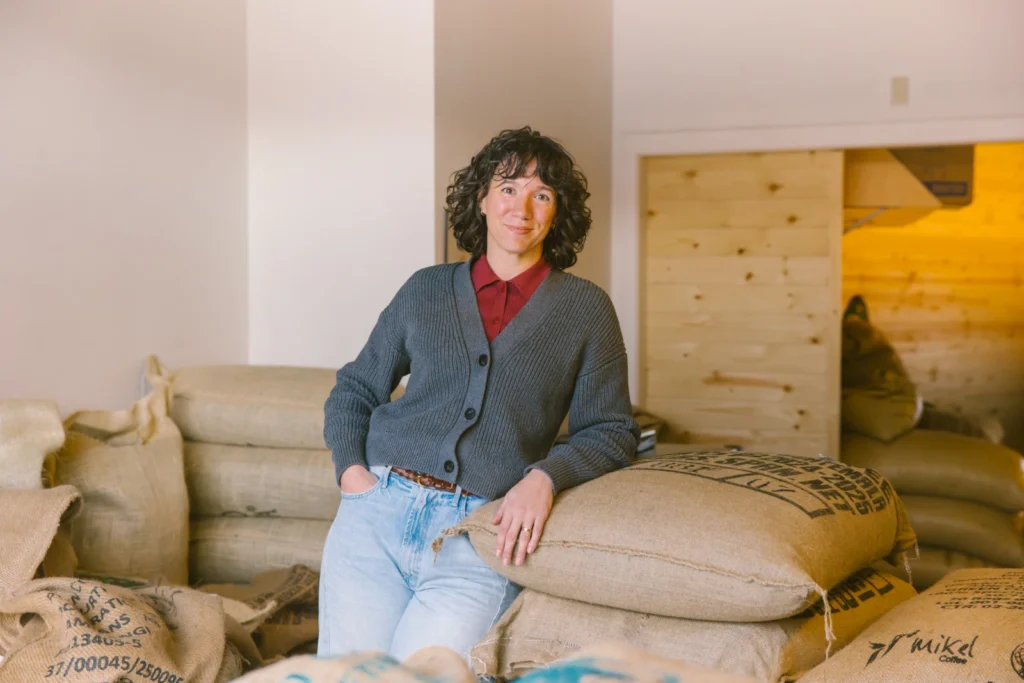
The very patient yet excited Pappo clarified that the chocolate itself is not bird-friendly certified, but the farms from where they source cocoa beans are – as certified by Smithsonian. Farms can be certified as bird-friendly if they are deforestation-free for at least 10 years, and provide biodiversity habitat through a diverse native shade canopy or conserved forest. Seahorse, however, is ‘licensed’ to sell chocolate made from bird-friendly certified cacao.
Sourcing bird-friendly cacao beans is central to Seahorse Chocolate’s bean-to-bar philosophy. Their roastery sees cacao beans from Ecuador, Colombia, Dominican Republic, and many other locations.
With most being only two ingredient bars, each Seahorse Chocolate gives the cacao the stage. Not sweet, Seahorse Chocolates are not unpalatably bitter either, as many (fake) dark chocolate offerings in the market tend to be. Instead, they are velvety with a lingering, layered flavor. Their crisp ‘snap’ is accompanied with a beautiful aroma of roasted cocoa. And they are quite delectable with whiskies and red wines. Trust me, I tried the Am Gold with a tart Bordeaux.
I am a Q grader, meaning that I am certified to taste and evaluate Arabica coffee.
Apart from assuring a nature-friendly craft bean-to-bar chocolate, Seahorse recently joined ‘1% for the Planet’, an organization, that commits them to give 1% of their sales to an environmental nonprofit. “We are hoping for that piece of our philanthropic giving through 1% for the Planet to go towards organizations that are promoting sustainability and climate resilience in cacao. The details are still down the road, but we’re very proud to be a member of 1% for the Planet, and we’re really excited about making an impact through that organization,” Pappo says.
Talking to the ecologist-turned-chocolatier, you can sense Pappo’s enthusiasm for her craft. Below are a few excerpts from our conversation, which shed light on new aspects of chocolate production – at least for me.
LuxuryFacts: So just to clear the air, the first question on top of my mind is, coffee or chocolate? What is your preference?
Emily Pappo: Both together. Separate. Okay, both.
No first love or last love. Equal?
In my career, coffee was my first love. I started working in coffee in 2009 as a barista. I then kind of went throughout the coffee supply chain. I spent some time working on coffee farms in Hawaii. I was a roaster and a green coffee buyer in Maine. And then I pivoted to go to grad school to get my degrees in agronomy and ecology, studying climate resilience in coffee farming systems. I am a Q grader, meaning that I am certified to taste and evaluate Arabica coffee. So that’s really where I come from. But over the last year or so that I’ve been learning more about cacao and chocolate, I’ve made room in my heart for both.

Is there something in your childhood that you think may have prompted you on this career path?
I’ll say I got into coffee at first because I saw it as an opportunity to meet people. I was an undergrad at New York University and feeling very small in a big city. I wanted a chance to connect with the community that I was in. That’s what brought me to coffee – a desire for connection with community. And I think that has remained since my beginning in coffee. And now it’s grown to not just connecting with my local community, but using it as an opportunity to connect with the global community. You get to meet and work with producers and folks all across the supply chains. I would say that drive to connect has remained.
So why did you make that switch to cacao, and how easy was that switch?
I made that switch through research. When I decided that I wanted to be an agroecologist and study how climate change was impacting coffee production, I really dug into the research and the literature. Eventually I started finding that a lot of the same questions that I was asking in coffee were being asked in cacao as well. So I got really curious and started applying my experience, my knowledge in coffee, to cacao.
And then the opportunity came to join the leadership team at Seahorse Chocolates here in Bend, Oregon, where I’d been living. I jumped on it because Seahorse has been around since 2017 and has been making incredible chocolate since its beginning. And I saw a perfect opportunity through Seahorse Chocolate to be able to take my experience in supply chains and in sustainable production and really put it into practice through this business.
…at Seahorse, we actually use a coffee roaster to roast our cacao beans. We kind of take an approach that is informed by coffee.
Coffee and cacao are two different foods, but what is the biggest difference in working with them? And the biggest similarities in working with them?
That’s a good question. I’ll start with the similarities. So these are commodity crops grown in very similar areas around the globe, most typically between, you know, the tropics of Cancer and Capricorn. They’re both shrubs, they’re both tree-based crops that you harvest and then you process post-harvest. They both require removal of the seeds from the fruits, fermentation of the seeds, drying of the seeds, and then transport and roasting of the seeds. A lot in the production is quite similar. And at Seahorse, we actually use a coffee roaster to roast our cacao beans. We kind of take an approach that is informed by coffee. Having decades of experience roasting both coffee and cocoa, I feel like there’s a lot of similarities there.
One of the big difference, though, is that with coffee you’re roasting the product, and that’s what consumers are tasting. You have the green, raw coffee beans, you roast them, and then you have roasted coffee beans, and that’s what you sell to a consumer. With chocolate, you also have to make the chocolate. It’s not just bringing in great cacao and roasting it really well. You then have to turn that roasted cocoa into an incredible chocolate bar. And there’s other ingredients involved in that, right?
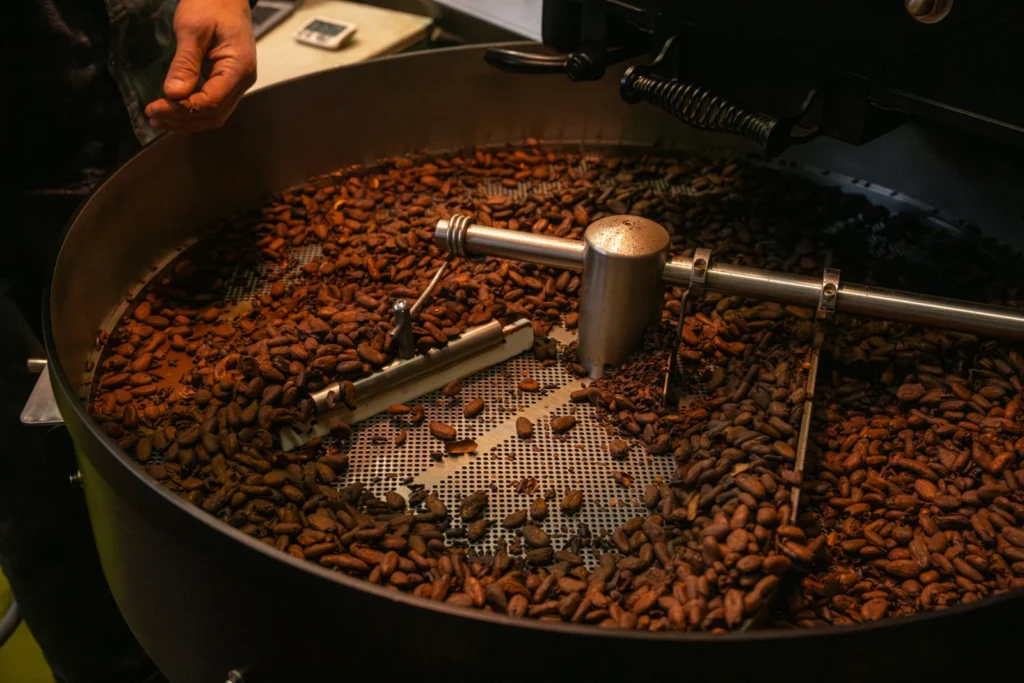
So most of our bars are only two ingredients – cocoa and sugar. We have one bar that also has organic coconut milk in it. But you have to think about the quality of those ingredients, the ratios of those ingredients, how long you’re conching for, your tempering process. All of that really adds more places to quality control, making it quite different than coffee.
How did you get to know about Seahorse Chocolate? How did you reach them? How did the acquisition process happen?
I’ve lived in Bend since 2023 with my family, my husband and our son. And we always ate Seahorse Chocolate – we are big chocolate heads, we love it. So we would always go and buy Seahorse’s bars of chocolate at the local coffee shops or the local grocery store. We were familiar with this brand. When I came across the opportunity online about Seahorse being on the market, and for all the reasons that I discussed earlier, the alignment with my values, with my background, it seemed like a really exciting opportunity. And yeah, that’s how that came about.
When you bought Seahorse, was it already bird-friendly or did you go about making it a bird-friendly organic company?
So we’re not certified organic.
Okay…
The Smithsonian Bird Friendly program just launched their bird friendly cocoa certification and licensing in the last couple of months. When I came on the team, I really wanted to be able to sell cocoa that is certified bird friendly. And when Smithsonian started the program, I was quick to sign up. We had already been selling cocoa from a farm that was bird-friendly certified, but it wasn’t until the program launched that we were able to get licensed as a chocolate maker and be able to sell it as a bird-friendly certified cocoa.
We’ve been playing around a little bit with salt and trying to come up with a delicious recipe for a salted dark chocolate that I’m very excited about.
So you said that Seahorse chocolate is not organic, but you are sourcing your ingredients from organic farms?
Yes. Some. Right now, we have four different cocoa beans that we source. Three of them are certified organic, one of them is not. We’re kind of in this process where we would love to get certified. It’s tough logistically to figure out the flow of that, but it’s on my radar of something that I would like us to do so that we can more easily communicate to our customers that the cacao resource is organic.
There is a question which my kids wanted to ask you. Just for context, we don’t let them eat dark chocolates. They want to know, when are you introducing milk chocolates?
We actually have a take on milk chocolate. It’s called our Dark Milk bar. It’s not a classic milk chocolate bar. It is vegan, so it’s made with coconut milk instead of dairy milk. and it’s 60% dark chocolate. So it is still a little bit darker than the milk chocolate bar that kids might expect, but it’s incredibly delicious. It kind of tastes like a chocolate dipped coconut macaroon. You can taste the coconut in it, but it’s very creamy. Your kids might like that!
Let me try that! Do you plan to bring more kinds of chocolate bars?
TBD. So right now, we mostly sell two ingredient bars, just cocoa and sugar. Our Dark Milk is the only one right now that has an additional ingredient, what in chocolate we call, an inclusion. So we are thinking about other inclusion bars we can offer. We’ve been playing around a little bit with salt and trying to come up with a delicious recipe for a salted dark chocolate that I’m very excited about.
Growing cacao in an agroforestry system can help producers adapt to climate change through moderate microclimates that create habitat for useful biodiversity.
How is climate change affecting the production of cacao beans – the quantity and the quality?
Climate change impacts cacao in different ways. And that’s part of the challenge. In some areas, it might be getting hotter. In some areas, they might be getting more rainfall or less rainfall. In some areas, it’s a different pattern of rainfall. There might be different incidences of pests or disease that are emerging because of changing climate conditions. The challenge of climates impacting an agricultural crop is really the uncertainty and the volatility. And in cacao, we’re talking about a market that’s already quite volatile, right? So when I think about the strategies that can support production under climate change, we’re actually talking strategies that can help producers withstand that volatility and variability in conditions.
For example, while it’s not a perfect strategy everywhere, having a shade canopy cover over cocoa can help. Growing cacao in an agroforestry system can help producers adapt to climate change through moderate microclimates that create habitat for useful biodiversity. It’s beneficial to have a diverse insect food web and bird population, and all the goodness that can provide. So it’s adaptation and it’s also mitigation. You’re sequestering carbon on the farm, in the landscape, and that also is a benefit of shade cocoa.
And when you put a bird-friendly cacao bean in a chocolate, how does that taste differ from any regular cocoa?
That is something that as an academic at heart, I don’t have a clear answer for. Because the way that shade impacts flavor varies based on so many other things. You’re talking soil conditions; climate conditions; variety; origin; when it’s harvested… Was it harvested at peak ripeness? How was it fermented? How long was it fermented and using what mechanisms? How long was it dried? Was it on patios or raised beds or mechanically dried? How was it stored? Was it transported in a bag that kept out environmental issues? With all of this stuff, it gets trickier to attribute one specific thing to quality. Theoretically, it makes sense that having a shade canopy cover could help to improve quality or if it’s creating these consistent, maybe slowed down ripening process to help those sugars develop. But I’d have to dig more into the literature to get a good answer on that.
It’s not mass-produced cocoa. It’s not, you know, region or country level traceability. We’re talking producer traceability. We get down to a much finer spatial scale. We really know what’s going on at the farm.
Apart from retailing it on your own website, where else are you retailing it?
We’re national. We’re at coffee shops, grocery stores, specialty markets and boutiques across the US. We are always interested in connecting with more wholesale accounts and being able to be in more retailers. We want everyone to try Seahorse Chocolate because I think it really is something special.
But it’s not exactly a $1 chocolate bar.
The reason it’s not a $1 chocolate bar, is because we’re operating in a very different market, a different supply chain than the cocoa that goes into a $1 chocolate bar. It’s not mass-produced cocoa. It’s not, you know, region or country level traceability. We’re talking producer traceability. We get down to a much finer spatial scale. We really know what’s going on at the farm. We know where everything comes from. We have that level of traceability. And our partners that we work with throughout the supply chain are all the best in what they do. We have incredible producers who are taking care to produce incredible specialty grade cocoa, working with great fermentaries to be able to control the fermentation. We have amazing importers who help to manage a lot of those logistics and connect us into those relationships and supply chains. All of that traceability allows us to be able to produce the quality of bar that we do now, but it’s much more expensive than buying a lot of mixed cocoa that you can’t trace effectively.
Take us through the process of making chocolate from bean to bar.
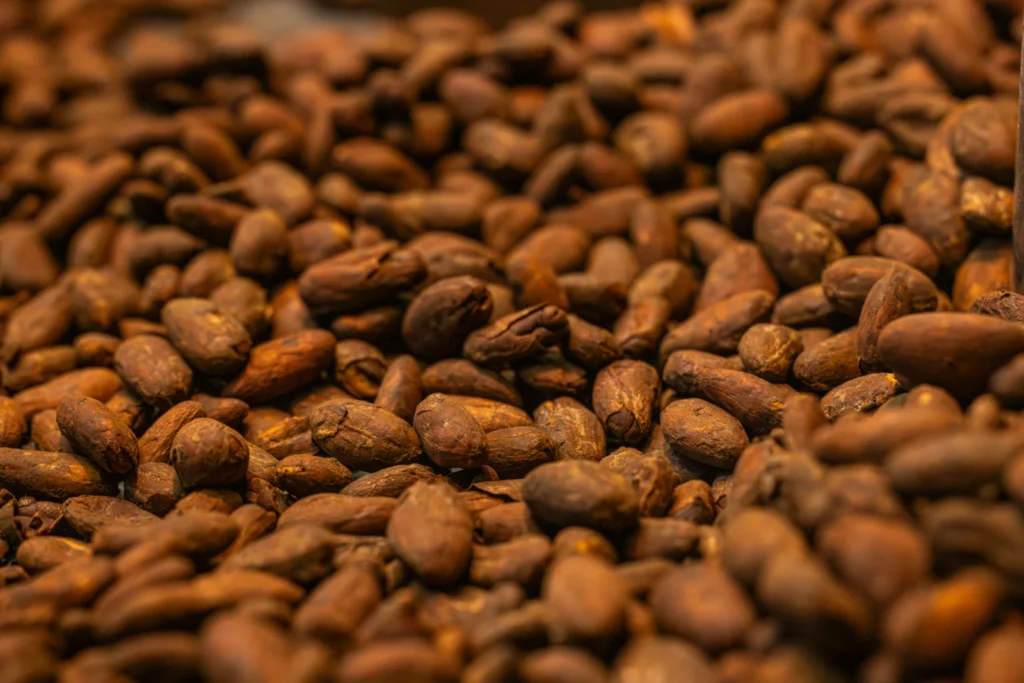
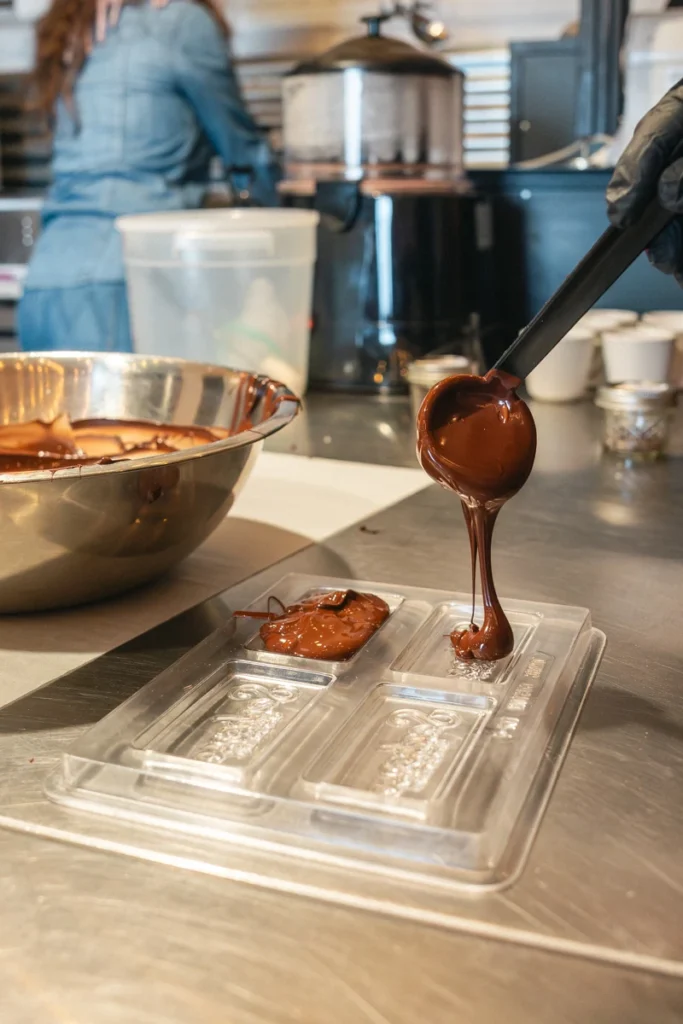
So we source our cocoa. It comes into the roastery in big jute bags. We then roast the cocoa. Each of our origins that we sell has its own roast profile. So much like in specialty coffee, each of the cacao beans are going to have their own roast profile tailored to them. Every roast that we do, we do sensory quality control to make sure that it’s the best it can be. Once roasted, we then crack and winnow the bean to remove the shells. We then grind and conch the beans, adding sugar, and then we temper the liquid chocolate. When it comes out of the grinders, we’ll temper it and mold it into seahorse bars, package it, and send it off.
And the roastery, the packaging facility, everything is in Bend.
Yes, everything is in Bend, Oregon.
I am working on finding a good single layer packaging material that is compostable or is more easily recyclable.
Is your packaging eco-friendly?
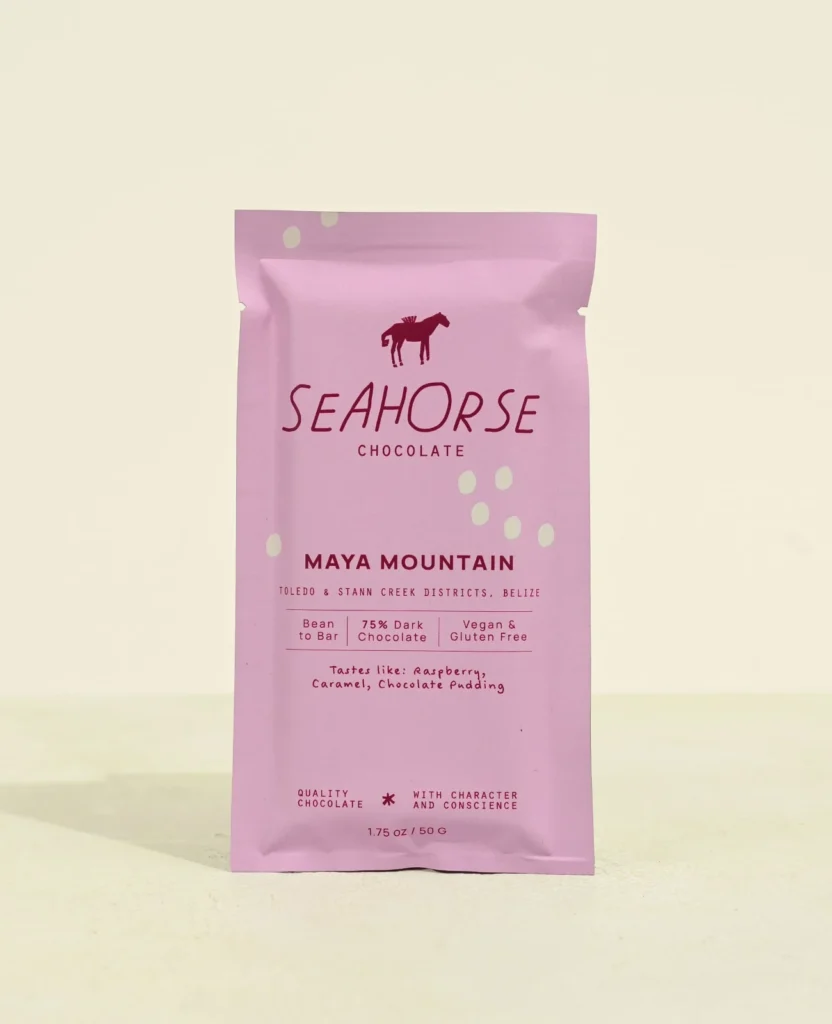
We are working to source better materials. This round of packaging is not a compostable packaging material or anything like that. I am working on finding a good single layer packaging material that is compostable or is more easily recyclable. For this round of packaging, I went with keeping this pouch that is one piece of material as opposed to a multi-layer to try to reduce the amount of packaging waste. This is an ongoing process, and hopefully, over the next year or so, we see some better materials on our chocolate.
Just to just to tell you though, as a luxury product, I do feel you have great packaging. It’s not a flimsy wrapper. It’s nice, thick packaging.
Thank you! That’s great to hear. I’m always trying to figure out how to keep pushing the needle forward on the three things that are most important to us here at Seahorse, which is sustainability, quality, and being good partners to everyone we work with. So I really appreciate hearing that the quality feels good on that.