
LF Review: ★★★★
Mumbai and Bangkok are two culturally packed cities that thrive in the beautiful blur of movement. Both the cities share a pulse – alive, chaotic, and irresistibly warm with their neon lights and crowded corners. Defined by their electric energy, their street food rhythm is also built on the beats of bold flavors, late-night laughter, and comfort that strikes a very special chord. BANNG, capturing this vibrancy and heat of Thai street culture, has found its rightful place in the heart of Mumbai.
Michelin-star Chef Garima Arora and Indian restaurateur, Riyaaz Amlani, collaborated to bring authentic, Bangkok-inspired Thai cuisine to the city that absolutely obsesses over Southeast Asian flavors, whether they come from a fine dining space or a streetside cart.
A tale of three cities
BANNG’s story first started in Delhi NCR in December 2024. It was Chef Garima Arora’s homecoming after her immensely sophisticated dining space, GAA in Bangkok, earned her two Michelin stars. However, being originally from Mumbai, BANNG’s opening in Mumbai just adds to her chef’s journey. She says, “Mumbai is where it all started for me. Being born and raised in Mumbai, this city shaped me long before I knew I wanted to cook. It taught me how to eat, and this is where I discovered my love for cooking. And therefore, bringing BANNG was never about expansion; it is more about homecoming in the truest sense. It’s Thai food the way I’ve lived it. Unfiltered, punchy, built on technique. And if there’s one city that feels as chaotic, curious, and alive as Bangkok, it’s Mumbai.”
Nestled in the bustling yet elegant suburb of Bandra, BANNG’s entry into the Mumbai fine dining landscape has piqued the minds of epicureans and amateurs alike. “I think India is at a point where people are finally open to experiencing cuisines in their true form. Mumbai and Bandra, especially, is a market that gets it. People here are curious, experimental, and willing to go all in. So yes, BANNG had to come to Mumbai. I had to. And now is exactly the right time,” she adds.
BANNG is a symbol of a layered blend of different factors, an amalgamation of two different sensibilities that come from Chef Arora and Amlani. One of the most well-known restaurateurs in India, with a portfolio of recognizable culinary and dining symbols like Smoke House Deli, Social, Slink, and Bardot, to name a few, Amlani now adds one more restaurant to his kitty. Talking about this collaboration that started when Amlani visited GAA in Bangkok, he says, “I’ve always admired what Garima has built with GAA. Her food has such a strong sense of identity, yet it’s constantly evolving. When we met, there was an instant connection over our shared love for bold flavours and the kind of dining experiences we intend to offer our guests. She was looking to bring her vision to India, and I’ve always wanted to do a Thai restaurant that captures that Bangkok spirit. So, when we started talking, it just clicked. The partnership felt organic, almost inevitable.”
BANNG is a tale of three cities: Bangkok, Gurgaon, and Mumbai. All three demographics have a distinct pulse and a mindset that takes its food very seriously. And BANNG makes a solid effort to bring the Bangkok energy to two very different sets of consumers. Chef Arora says, “Gurgaon was our first step in introducing what BANNG could be: Thai food presented in a way that feels both honest and exciting. The response was heartening. People walked in curious and returned because something about the food, the space, the spirit clicked. That gave us the confidence to stay true to our vision and to believe there is a real appetite for Thai food that doesn’t hold back. While the soul of BANNG remains the same, in Mumbai, we’ve pushed ourselves further. We took more risks, went deeper with the menu, and built a space that feels like it belongs to this city.”
Amlani talks about how Mumbai and Delhi diners have unique approaches to their food. He adds, “Delhi diners have a strong sense of heritage when it comes to food. They like flavour that announces itself, bold, layered, generous. There’s a deep appreciation for richness, for a certain indulgence. The dining culture there is also very celebratory; people go out to dine, to enjoy, to make an evening of it. Mumbai, on the other hand, moves differently. The city runs at a faster pace, so people often look for lightness, in pace, in design, and even on the plate. Diners here are a little more experimental, open to global influences, and appreciate subtlety as much as flavour.
A Bangkok style neon-lit reverie in Mumbai
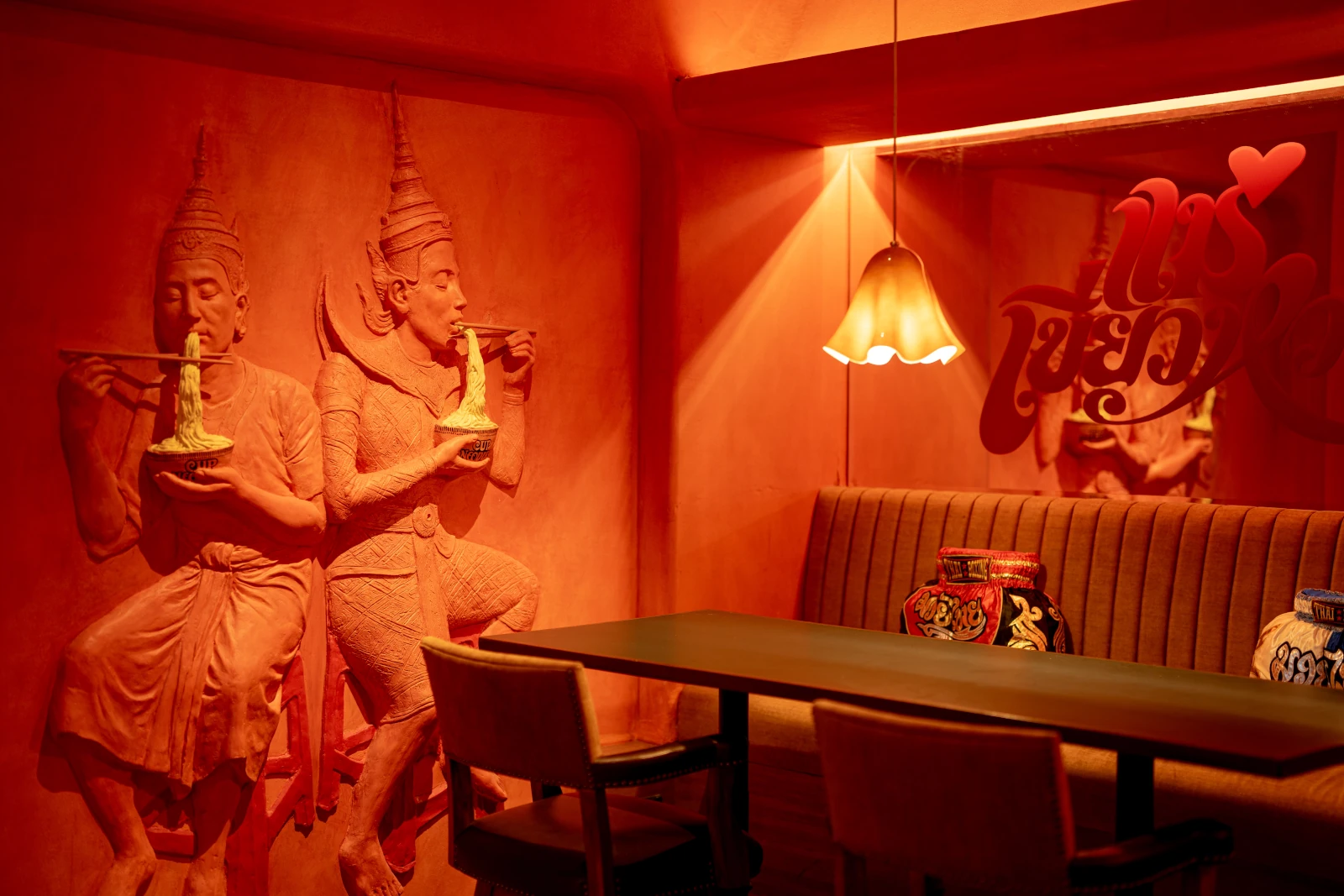
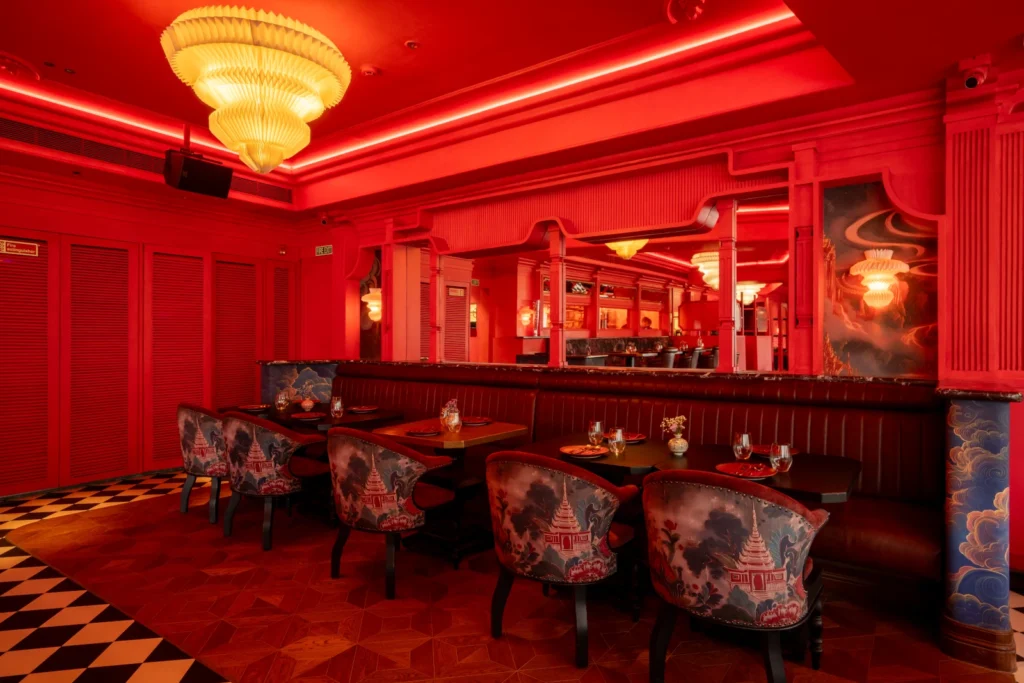
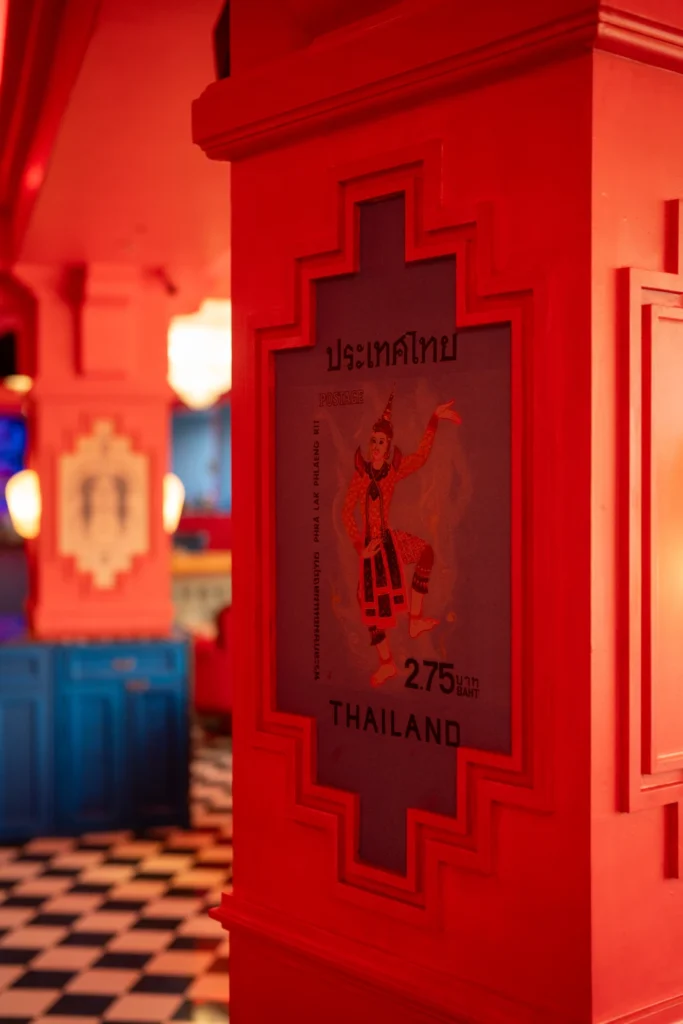
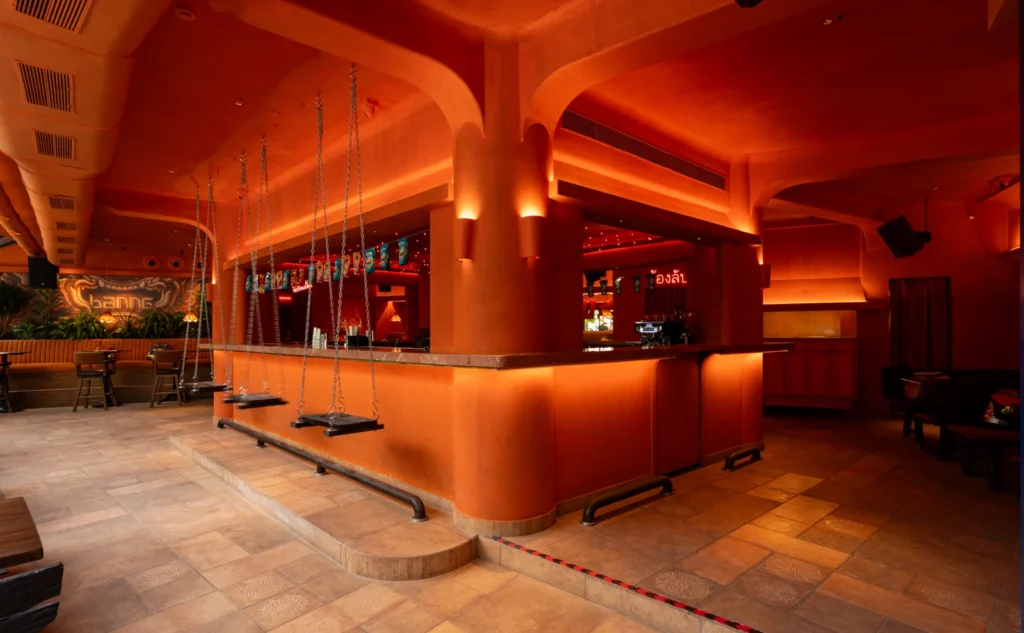
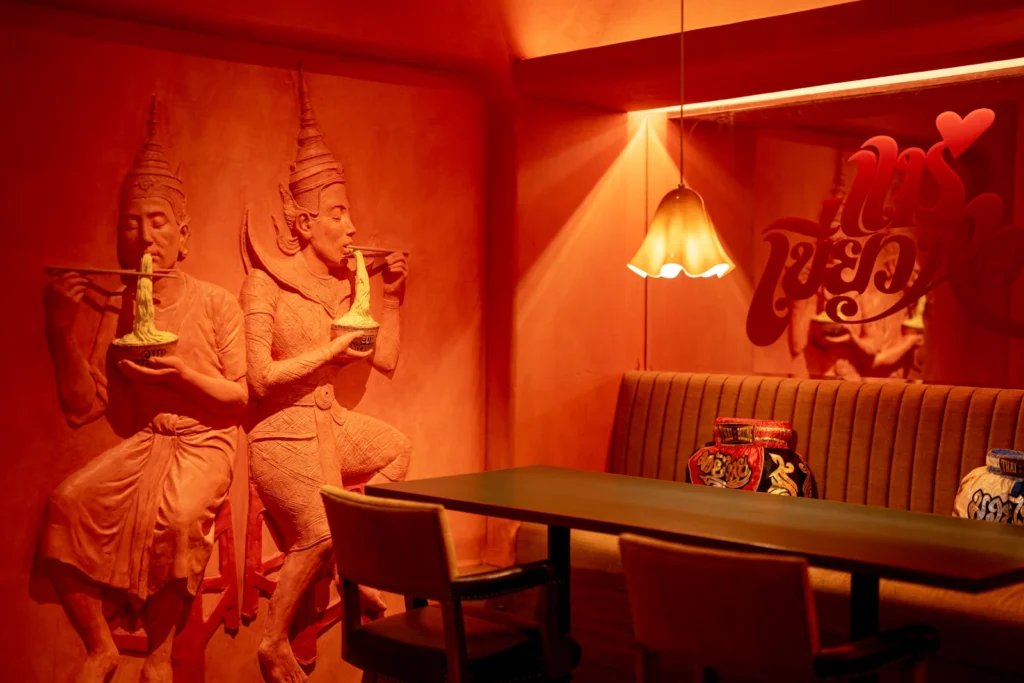
When one thinks of Bangkok, the first visuals are usually the very brightly colored markets, but more importantly, it is the vibrant red that will cross our minds. And BANNG has got its interiors on point. Right from the facade to the space inside, BANNG is heavily redolent of the Thai capital, dipped in the warm shades of red, a color so significant to the culture. The two-storeyed restaurant offers dual experiences. The space downstairs is a livelier, lighter bar, offering cocktails and finger food. From murals to high-relief sculptures of Thai figurines slurping noodles, the ground-level bar is a symbol of Bangkok’s street-style nightlife, especially the unmissable central bar space decorated with Thai bunting flags. With swings instead of barstools, the ambiance adds a touch of playfulness.
The upstairs space is more sophisticated and radiant yet understated in elegance. Amlani strongly believes that the best nights have a flow to them. He says, “You start somewhere loud and spontaneous, and sometimes you end up somewhere quieter and reflective, or the other way around. We wanted BANNG to allow for that kind of natural progression. The downstairs bar is inspired by Bangkok’s streets, fast, fun, and full of personality. It’s about shared plates, vibrant flavours, and that sense of beautiful chaos. Upstairs, the dining room is where things get more nuanced, a little more detail, more immersion. But the two aren’t meant to compete; they complement each other. For us, it wasn’t just about creating two venues under one roof. It was about designing an experience that evolves with your evening, just like the cities that inspired it.”
The menu
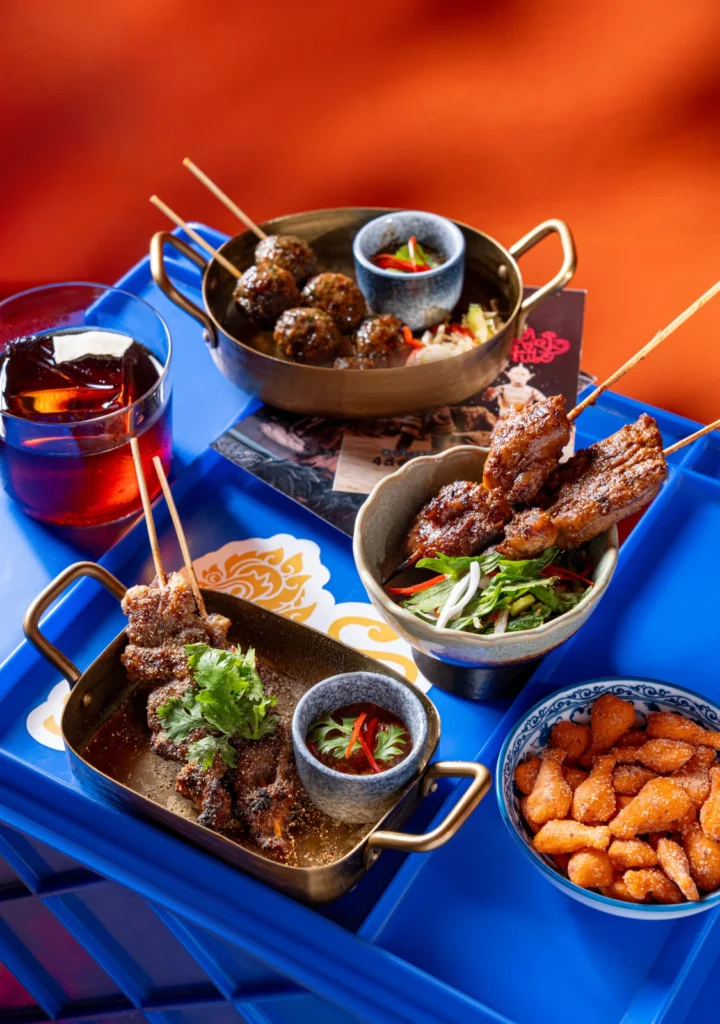
BANNG’s menu is a mirror of Bangkok’s cuisine, with zesty flavors and umami components that add depth and complexity, yet there are elements of simplicity and comfort. Talking about the process behind curating this menu, Chef Arora says, “Before we started building the menu, I travelled to Chiang Mai with our Head Chef Manav Khanna and spent time cooking with a Thai culinary master. We weren’t just collecting recipes, we were trying to understand the ‘why’ behind each dish, technique, and flavour combination. For me, the history and anthropology of Thai food are just as important as what ends up on the plate. That research helped shape the soul of this menu. Some of the most fun, surprising dishes there exist because we took the time to dig deep and really learn.”
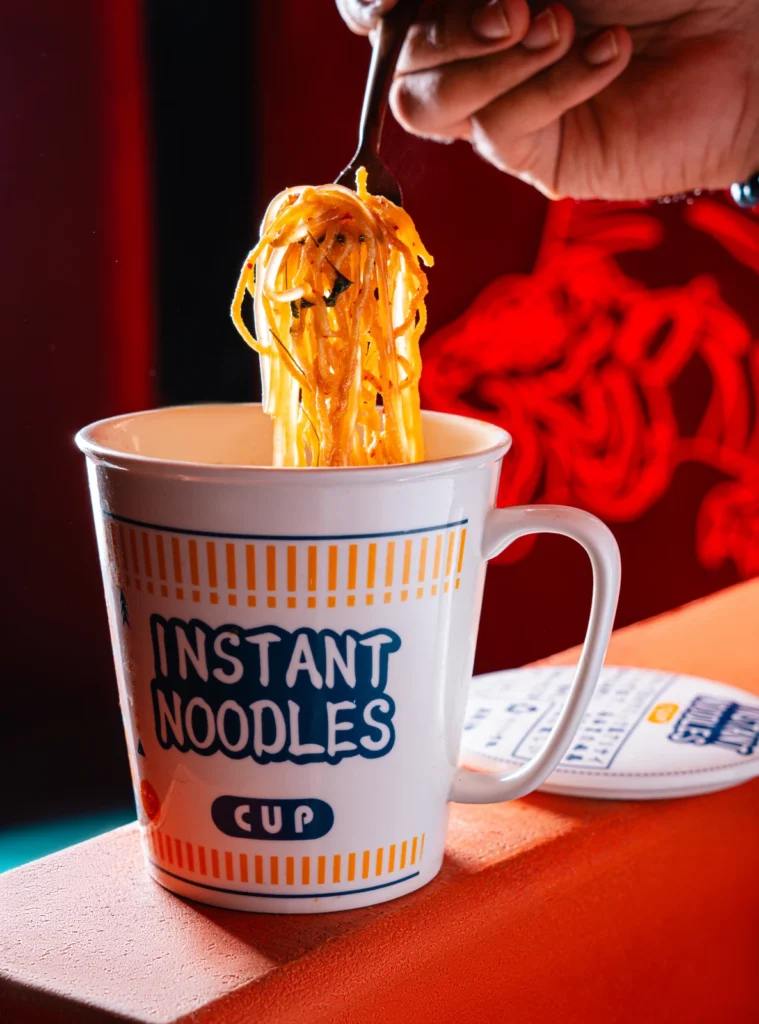
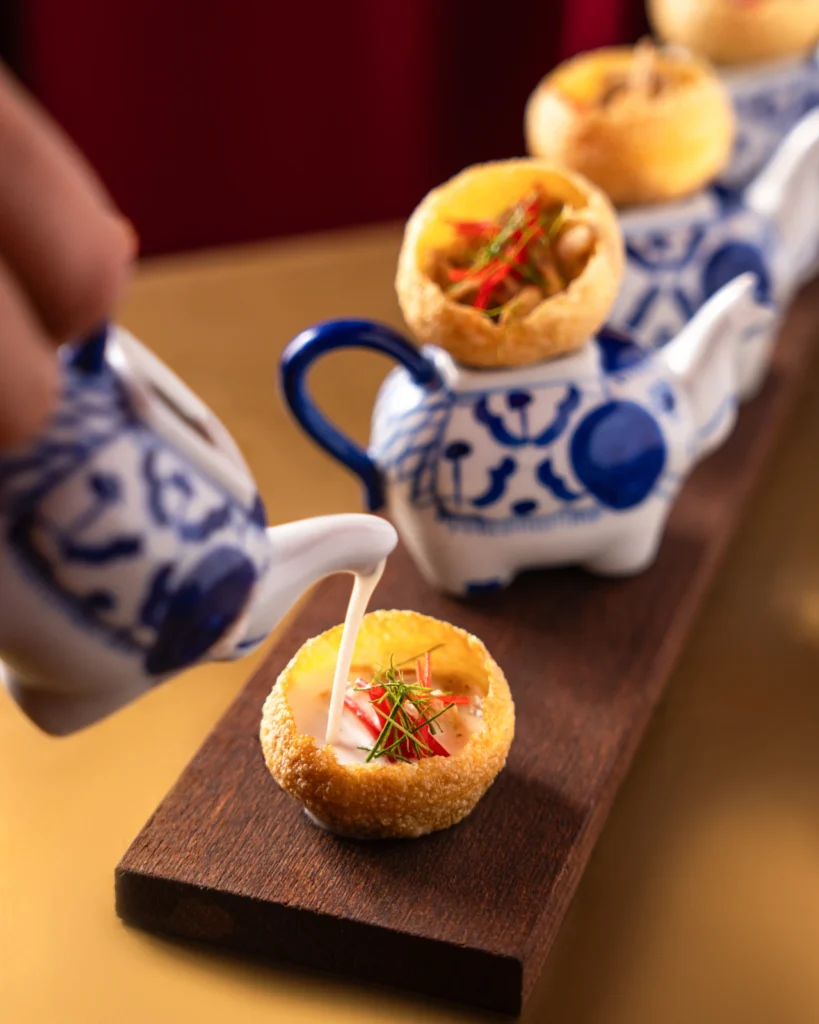
Being inherently a coconut and Thai cuisine connoisseur, I was excited to start my walk down the Bangkok culinary lane. For appetizers, we started our evening with the Tom Kha Pani Puri, a Thai twist on the most widely favored Indian street food. Stuffed with white mushrooms, herbs, and chilled coconut broth, this was a rather interesting and lighter, creamier take on the otherwise sweet-sour and spicy elements of Pani Puri.
The next item on the menu that caught my interest was the Isaan Smashed Potatoes, made with purple potatoes and served with a salad of mint, coriander, sweet basil, and shallots. The tanginess complemented the sweetness and the crunchy texture of the smashed potatoes very well. I could also taste a hint of peanut, a staple ingredient in the regional cuisine of Isaan, which brings in the heat to this dish. The last on our appetizers list was Tod Mun Gai Kung – a fried chicken cake, stuffed with prawns and served with sweet chilli sauce. Tod Mun in Thai means patties or cakes, and this dish is a blend of two very popular street food delicacies, Tod Mun Gai (Thai Chicken Cakes) and Tod Mun Kung (Thai Shrimp Cakes). While conceptually, it feels very distinct to mix two very strong proteins, the flavors and the texture did feel slightly underwhelming to the palate. The chicken lacked juiciness, and the brininess of prawns didn’t come through as strongly. The heat and garlicky notes from the sweet chilli sauce balanced the dish.
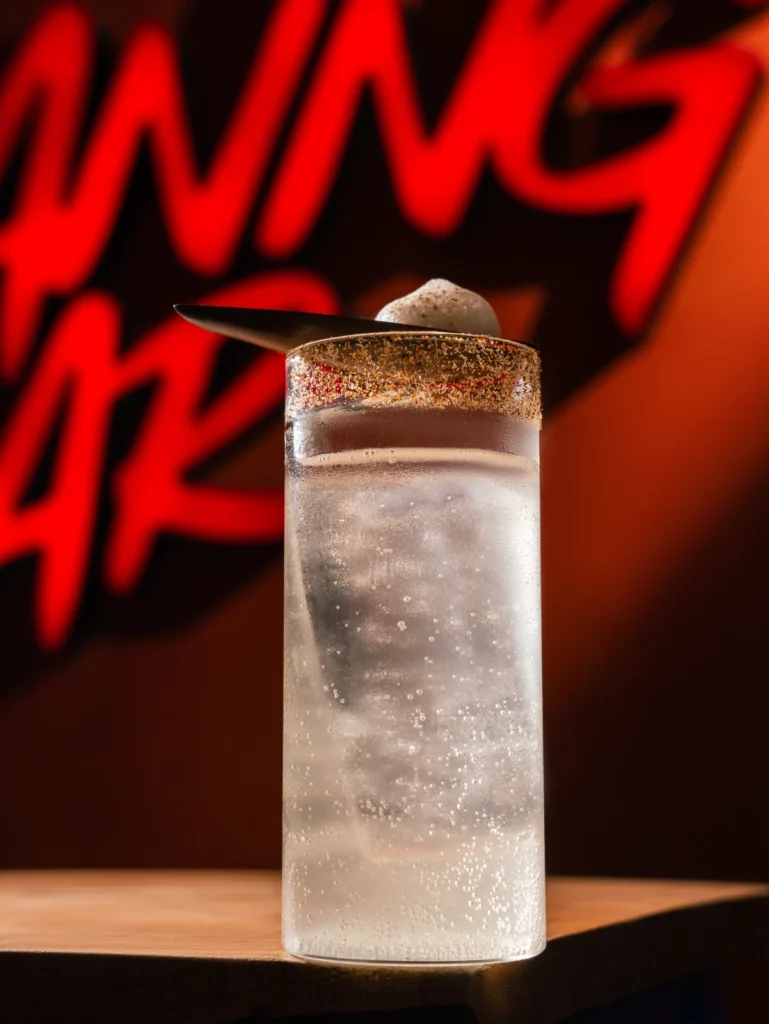
For drinks, I decided to go for the Yellow cocktail on the menu. A savory cocktail, it is made of white rum with coconut milk, yellow curry, ginger, flower nectar, and pineapple. The citrusy acidity of pineapple, combined with the pungent, earthy ginger, is beautifully mellowed down by the richness of the coconut milk. For Thai curry lovers, this cocktail is a must-try. My plus one decided to go for the simpler Pomelo-Maa, a refreshing, fizzy, fruity drink with Mezcal and Tequila for its base, enhanced with the tartness of Pomelo and fragrant lemongrass.
While the appetizers couldn’t fully reach the expectations, not for the lack of innovation, it was the main course that took the cake. In every Indian household, including my own, the fried rice is the ultimate comfort food, whether you make it at home or you order it. And we decided to go for the quintessential and signature Thai street food, the Crab Fried Rice. Since the fried rice is quite simple on its own, we elevated it with the Clam Chili Jam, and it was one of the best food combinations I discovered. It is the simplicity of the crab fried rice, served with cucumber slices (very Thai style), that left me reeling in comfort, and it certainly is on my revisit list.

The Clam Chili Jam was new territory for me to explore, and it didn’t disappoint. The chili jam, or the Nam Prik Pao, is a household pantry item in Thailand, and the stir-fried Clam Chili Jam is packed with rich ingredients like the fish sauce, tamarind, and dried red chillies that lend it a layered smokiness and sweetness, complementing the mineral-rich saltiness of clams. Pair it with the crab fried rice, and you will eat more than you plan to, guaranteed!
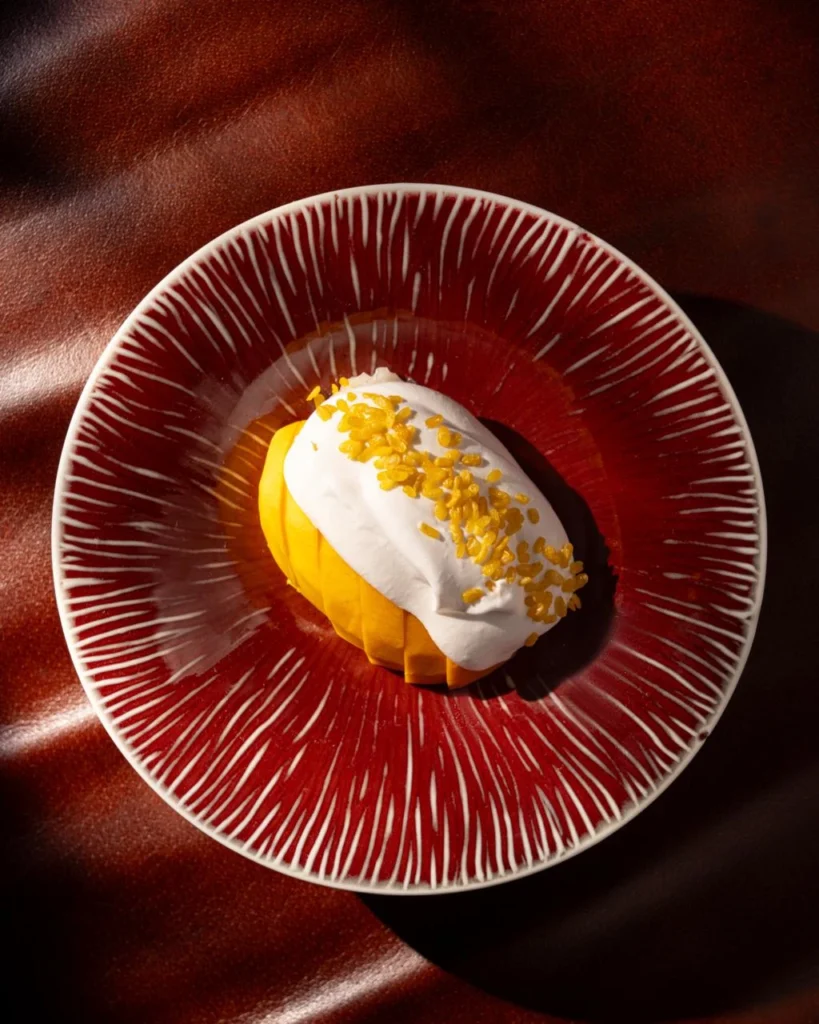
Last but never least, to tie up our experience with a neat bow, we went for the ultimate Thai cultural symbol – the Mango Sticky Rice. A traditional dessert made with mangoes, sticky or glutinous rice, coconut cream and sugar. An absolute delight, this dessert is a burst of different textures – the soft, acidity of mangoes, the frothy richness of coconut cream and the stickiness of rice, was perfectly concluded with an aftertaste of crunchy mung dal sprinkled on top.
Final verdict: Decoding authenticity
The Indian audiences, on a mass level as well, work differently with their palates. Almost every international cuisine has felt the need to be Indianized to a certain extent for the audience to accept it. Southeast Asian cuisines are often grouped under the generic term “Asian food,” with a limited understanding of their regional complexity. While many high-end or premium restaurants choose to Indianize these flavors for mass acceptance, BANNG appears to take the opposite route – of embracing authenticity. “I think authenticity doesn’t mean replicating something; it means understanding it deeply enough to interpret it honestly. With BANNG, we’re not trying to copy Bangkok’s streets and put them in Mumbai. We’re trying to bring its soul, its balance of flavor, texture, and chaos into a new context,” says Chef Arora. “At BANNG, the authenticity is in the flavors and technique, but the familiarity comes from the energy, the music, the vibe, the community around it. That’s what makes it approachable without compromising on the experience,” adds Amlani.
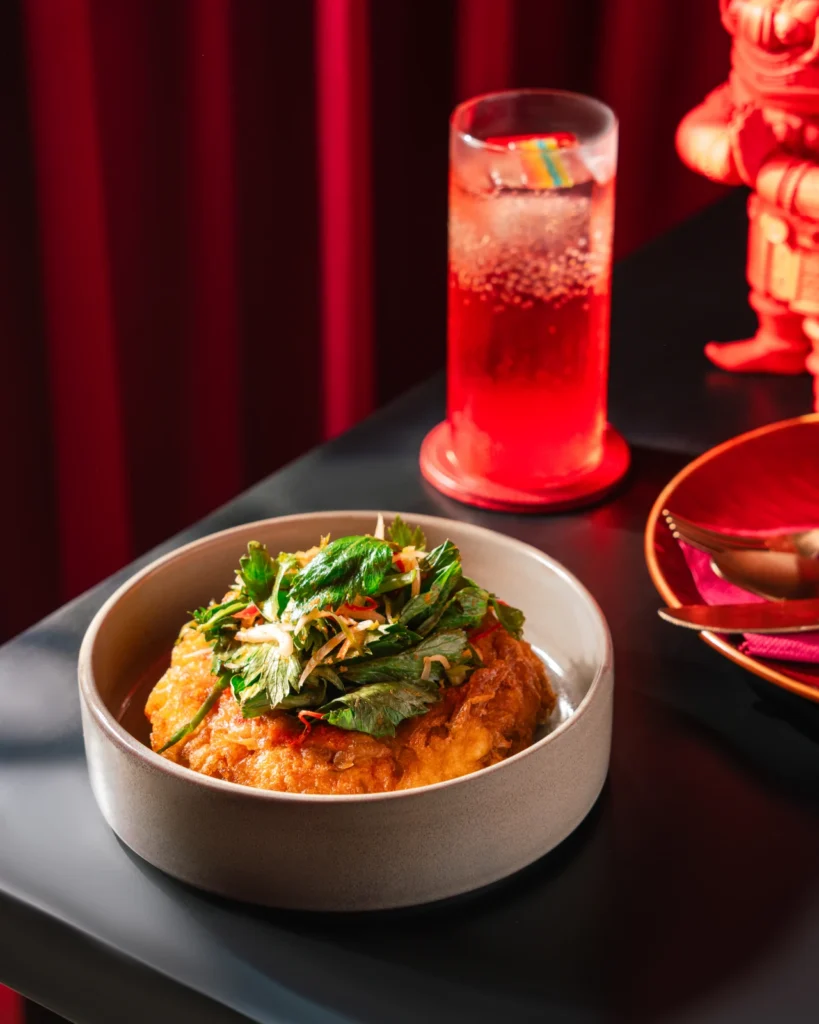
BANNG’s curation of flavors is bona fide, and its reflection of Bangkok is veritable. However, it does have a longer trial ahead till the audiences truly appreciate the sophisticated nuances of the Thai street cuisine. Some of the factors where BANNG could use some refinement would be the service, not for their lack of warmth, but perhaps more attentiveness. I would definitely go back for the crab fried rice, the clam chili jam, and the mango sticky rice, even though the appetizers were not as ambrosial as I expected.
However, for those who wish to experience Thailand’s warmth, sophistication, and flamboyance right here in the city, BANNG is as close to Bangkok as you can get.
LF Review: ★★★★
Coordinates: Pinnacle House, 604, 15th Rd, PD Hinduja Rd, Bandra West, Mumbai, Maharashtra, India