
Something quiet, or actually not so quiet, is unfolding along Saudi Arabia’s western edge. Not loud or showy, but deliberate—like the tide easing into the shore. Here, where ochre dunes taper into a glassy, cerulean sea, the landscape begins to tell a new story. One of stillness and scale. Of silence that isn’t empty, but full. Saudi Arabia’s Red Sea coast, with its turquoise shallows and sunlit archipelagos, is becoming something rare: a place where luxury isn’t built atop the land but drawn gently from it. A place where design doesn’t dominate the view, but listens to it. Where experience is less about itinerary, and more about immersion.
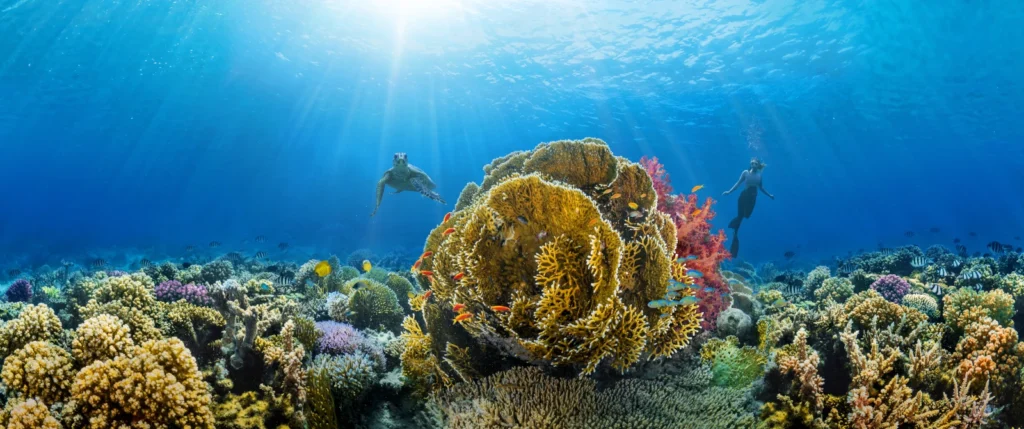
Stretching over 1,800 kilometres, this extraordinary stretch of coastline is part of a broader ambition to position Saudi Arabia as a leader in sustainable tourism. At the centre of this vision is the Red Sea Project, a vast development by Red Sea Global that spans 28,000 square kilometres and encompasses over 90 pristine islands, extinct volcanoes, desert canyons, and mangrove-lined lagoons. The goal: to create a new standard for regenerative tourism while preserving 75% of the region’s natural environment. By 2030, the area will host 50 hotels and over 8,000 rooms, catering to travellers in search of serenity and sophistication in equal measure.
Getting there is getting easier
International access is steadily improving. Red Sea International Airport (RSI), designed by Foster + Partners, became operational in 2023, welcoming its first domestic and international flights with a distinctively Saudi sense of style. Inspired by the desert’s wind-carved sand dunes, its low-slung terminals blend form with function, designed to handle up to a million passengers annually while minimising environmental impact.
For travellers, the journey to Saudi Arabia is becoming refreshingly easy. More than 92 airlines now connect major cities across the world to destinations across the Kingdom, with carriers like SAUDIA and Flynas at the helm. The usual friction of planning travel visas, paperwork, and wait times has been smoothed over. A streamlined eVisa process is now in place, and for those holding valid US, UK, or Schengen visas, entry is even simpler, with visas on arrival available. It’s a clear signal: Saudi Arabia is opening its doors, acknowledging the growing appetite among travellers for destinations that offer both luxury and soul.
The rise of conscious luxury
Already, some of the region’s most anticipated hotels are beginning to open their doors. Six Senses Southern Dunes, The Red Sea is a desert retreat set within a landscape of ochre mountains and wind-whipped sands, just 45 minutes from RSI. Inspired by the ancient Nabataeans who once moved silently through these lands, the resort’s architecture feels less like construction and more like continuation. Built with locally sourced materials—stone the colour of sandstorms, timber that echoes the earth—it dissolves into the landscape rather than disrupts it. Pathways meander gently through gravel gardens and past boulders bleached by time, inviting you to slow down, listen, and look closer.
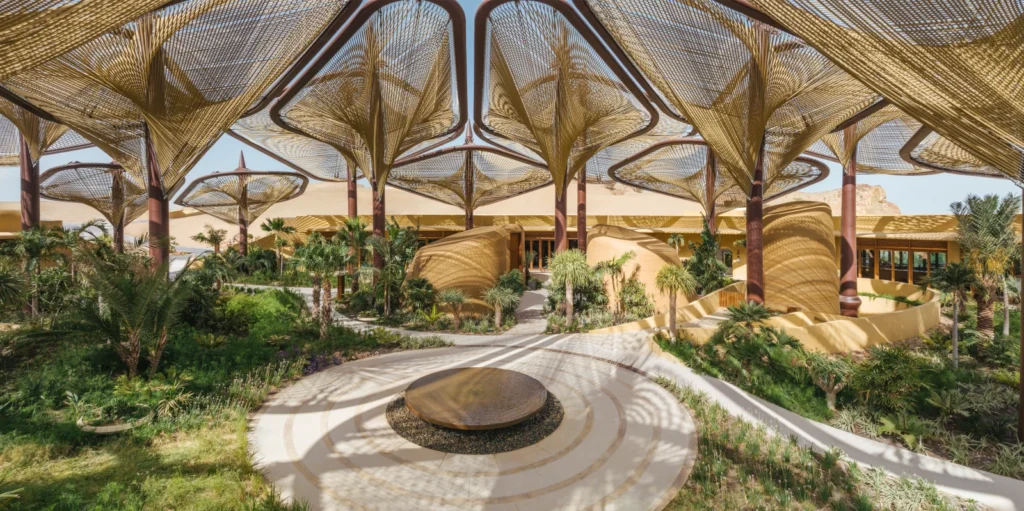
Villas at the Six Senses are tucked discreetly into the folds of the dunes, each one opening onto a private plunge pool and uninterrupted desert vistas that shift in hue as the sun moves overhead. At the heart of it all is the Earth Lab—a space dedicated to sustainability and learning—while the spa draws from local healing rituals, using ingredients native to the region. It’s a quiet homage to a place shaped by resilience, beauty, and the knowledge that true luxury doesn’t shout—it listens. At night, the sky becomes a planetarium of stars, unpolluted and impossibly clear.
Further west, where the land dissolves into the sea, the Ummahat Islands play host to two of the region’s most exclusive escapes. The St. Regis Red Sea Resort offers overwater and beachfront villas surrounded by reef-laced waters. Guests arrive by boat or seaplane to a world of discreet luxury—signature butler service, floating breakfasts, and curated snorkelling excursions included.
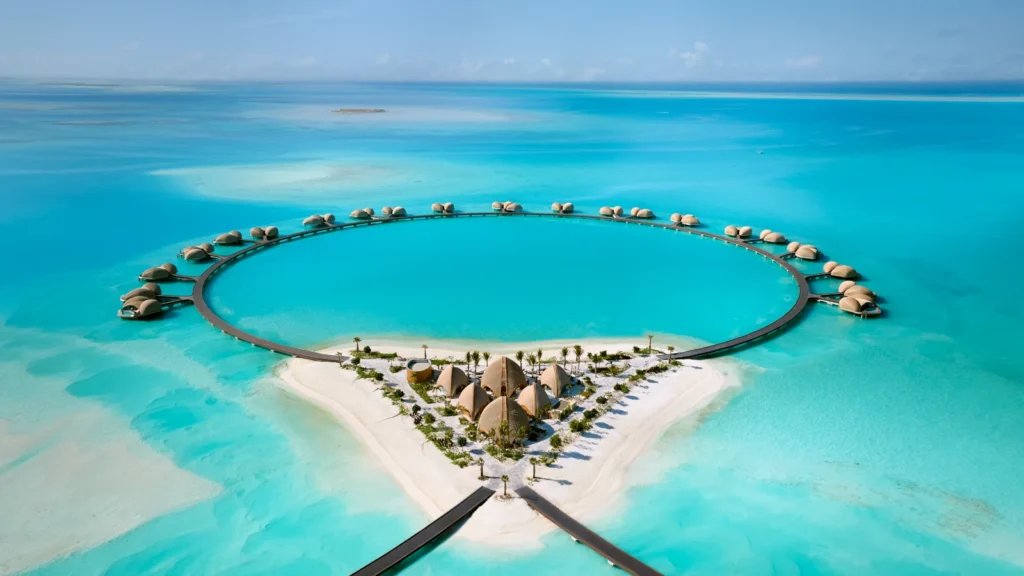
A short distance away, Nujuma, a Ritz-Carlton Reserve—only the fifth in the world—offers barefoot elegance with a deeply personalised touch. Here, marine conservation efforts meet polished indulgence. Villas open out onto decks suspended above coral gardens, hammam rituals use native herbs, and chefs craft seafood dishes using hyper-local ingredients, some harvested from their own garden-island farm.
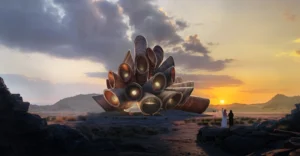
But perhaps the boldest vision lies at Shebara. With its solar-powered domes and otherworldly design, this eco-resort feels like a vision of the future, rooted gently in nature. Powered entirely by over 760,000 solar panels, it runs on sunshine and silence. Some villas hover above the turquoise shallows, suspended on stilts, offering front-row views to reef-fringed horizons where sea and sky blur into one. At Solera, the adults-only pool bar, days stretch into golden evenings with mezze, Arabic coffee, and sea breezes.
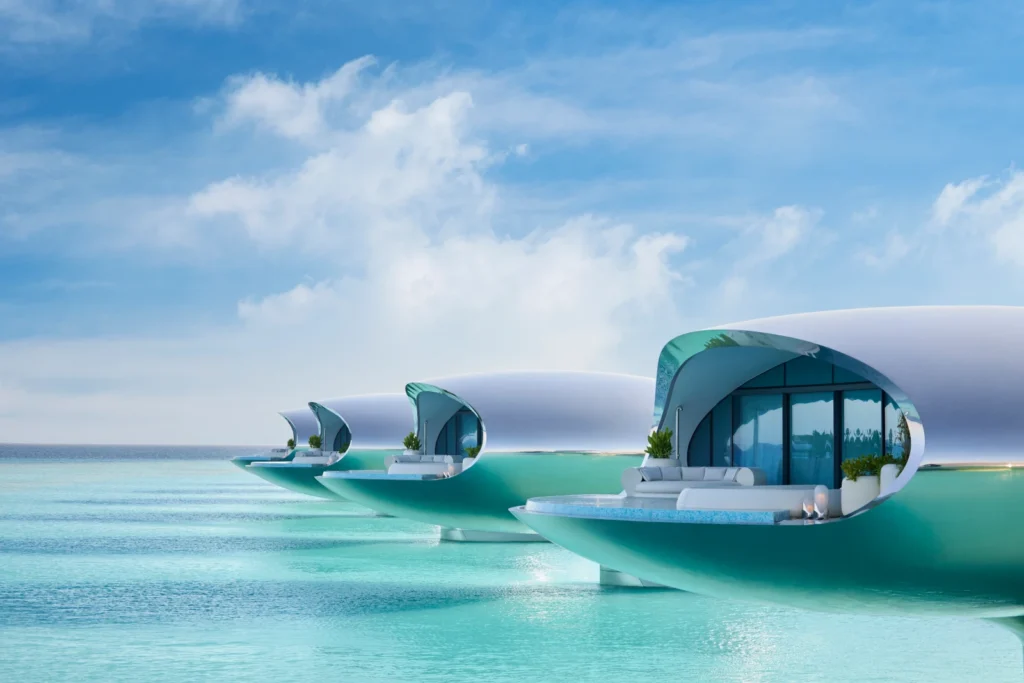
Inland, Desert Rock Resort takes a radically different approach to luxury—one that is rooted, literally, in the land. Carved into the side of a rugged escarpment, the resort’s rooms and suites are nestled within the natural rock formations. Sustainability here is structural: much of the original stone was reused during construction, and the resort’s water systems recycle and replenish. Guests can hike through sandstone valleys by day and dine under the stars at night, accompanied by the deep silence of the desert.
AMAALA: The next chapter
Adjacent to the Red Sea Project is AMAALA, a wellness and arts destination poised to be Saudi Arabia’s answer to the Côte d’Azur. Tucked within the vast Prince Mohammad bin Salman Nature Reserve, AMAALA is imagined as more than a retreat—it’s a canvas for well-being, creativity, and ecological consciousness. The upcoming Four Seasons AMAALA, Clinique La Prairie Health Resort, and The Ritz-Carlton Wellness Resort promise distinct interpretations of healing, blending time-honoured rituals with cutting-edge science.
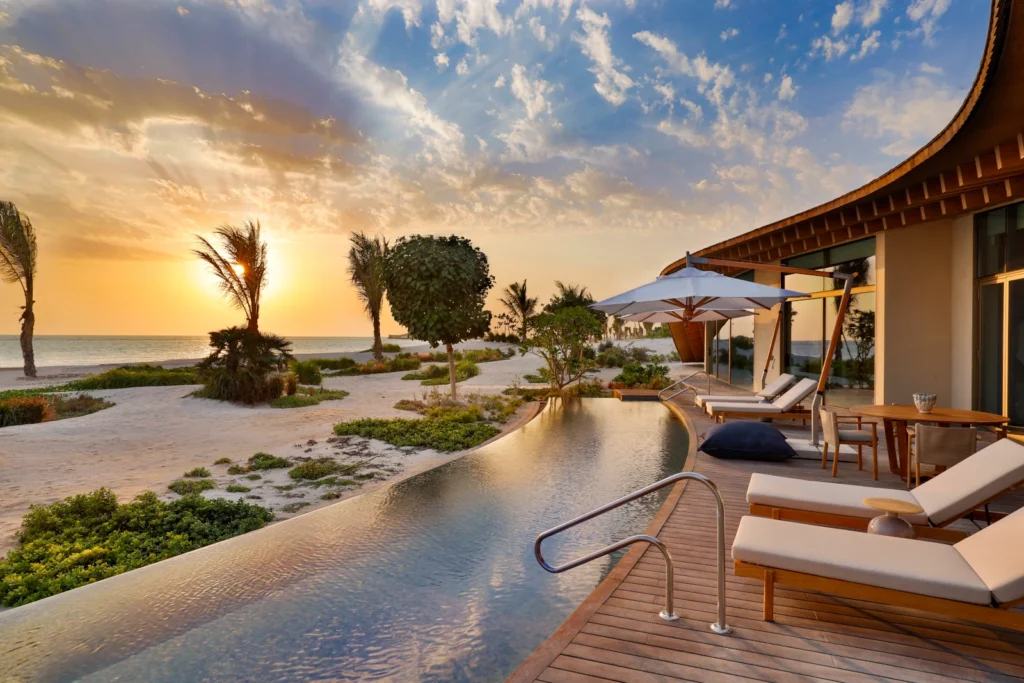
But AMAALA’s soul lies beyond its luxury credentials. This is a place where artist residencies and coral regeneration programs sit alongside yoga retreats and thoughtfully curated culinary experiences. Every element is designed to encourage a quieter, more intentional way of being. Guests aren’t simply invited to indulge, but to engage—to pause, participate, and perhaps leave changed.
Stories that shape the coastline
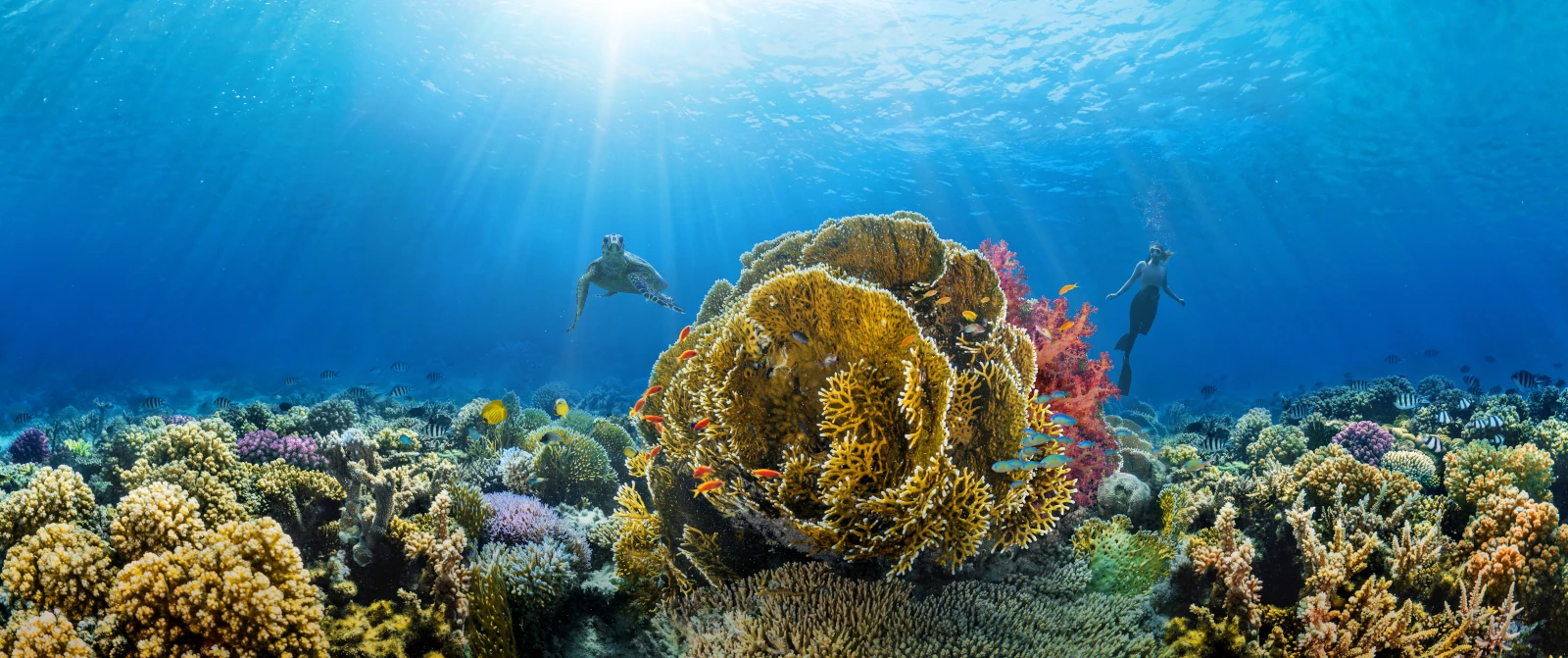
Yet the Red Sea experience is not confined to its resorts. The nearby city of Yanbu, once a port of call for spice traders and pearl divers, now offers scuba diving among technicolour coral gardens. The ruins of Duba, long known as the “Pearl of the Red Sea,” echo with the weight of Ottoman heritage—weather-worn fortresses and old stone harbours that once welcomed merchants and pilgrims alike. A short distance away, Umluj’s crystalline waters reveal a more whimsical side of this coast. Dotted with uninhabited islets and swaying palms, this stretch is often dubbed “the Maldives of Saudi Arabia,” though its magic feels more secret, more secluded. Locals still offer boat rides to tucked-away lagoons where dolphins play in the wake, and the only footprints on the sand are likely to be your own.
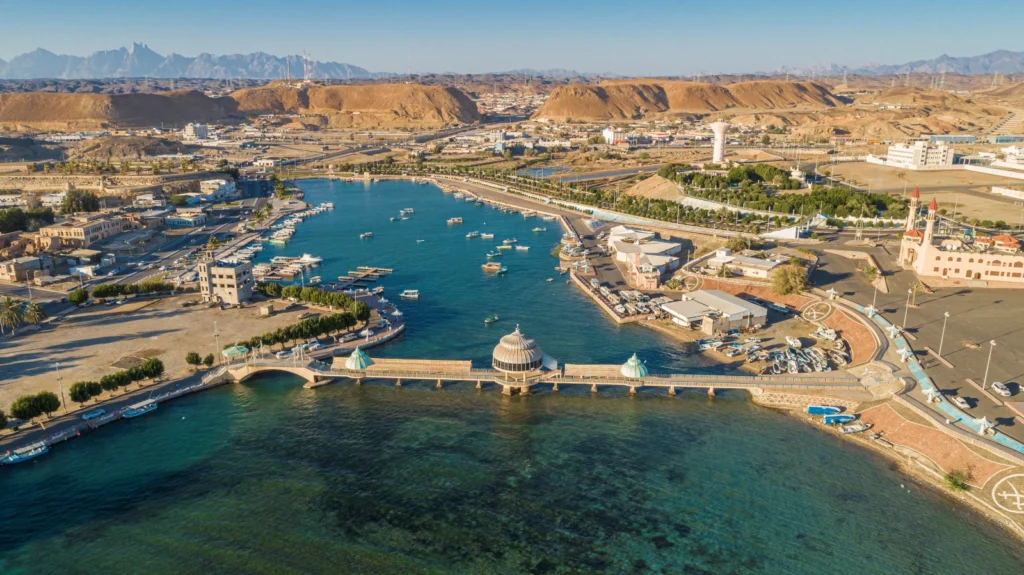
Further north, King Abdullah Economic City (KAEC) offers a counterpoint to the untouched: a modern masterplan with palm-lined boulevards, golf courses, and breezy go-karting tracks. Cafés spill onto quiet waterfront promenades where children ride bicycles and couples linger over sunset coffees. Despite its urban polish, KAEC retains the same unhurried rhythm that defines the Red Sea coast—a reminder that luxury can be found in stillness as much as splendour.
Sustainability as standard
But what truly distinguishes the Red Sea is its uncompromising vision. From the beginning, Red Sea Global set out not just to build, but to build differently. The development is powered entirely by renewable energy, with over 760,000 solar panels already installed. No single-use plastics. No waste to landfill. Every project is designed to work in harmony with its environment—whether that means coral-safe construction techniques, electric mobility, or strict limits on visitor numbers to protect biodiversity.
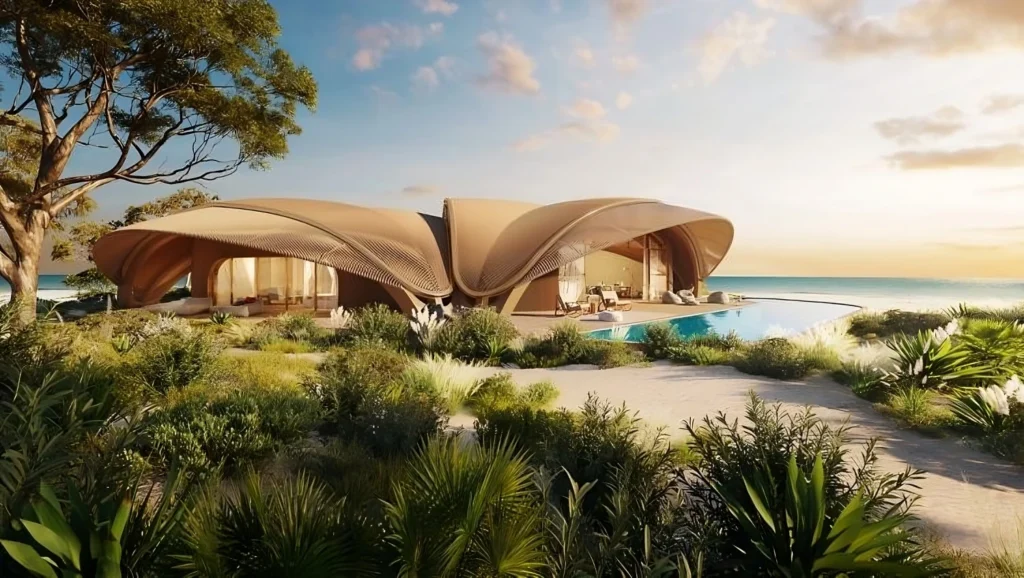
This isn’t sustainability as a slogan, it’s sustainability as a foundation. And in a world of over-tourism and ecological fatigue, it offers a blueprint for how travel might evolve: more conscious, more considered, and infinitely more compelling. Each hotel is designed to meet LEED certification, with conservation zones, coral nurseries, and smart waste and water systems built into the master plan. This luxury destination doesn’t just coexist with nature—it restores it.
A new kind of escape
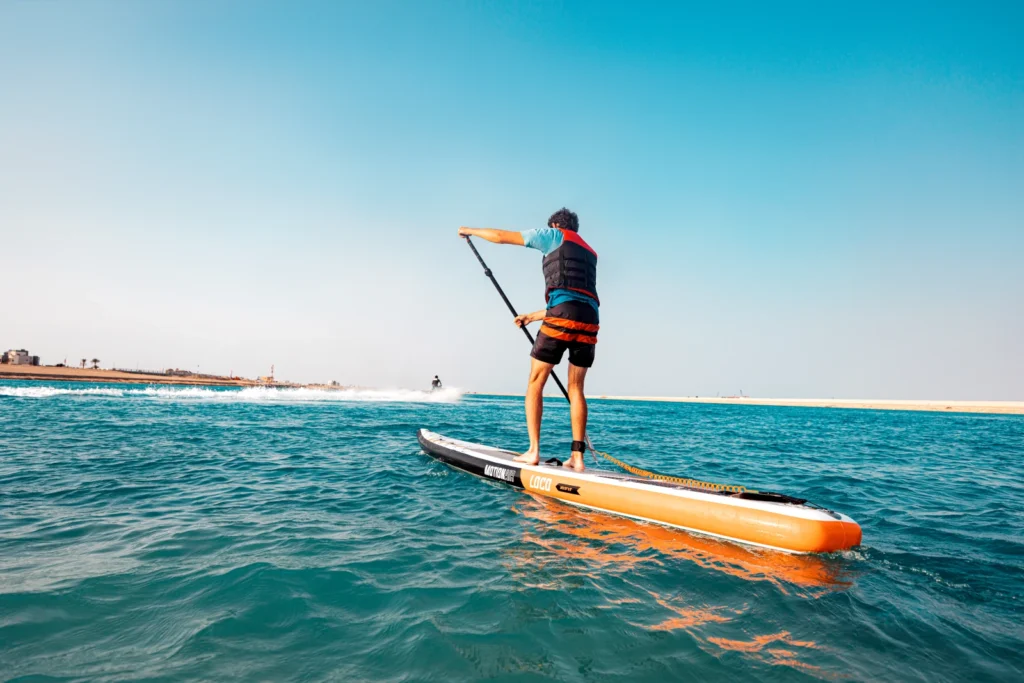
It’s the quieter moments that stay with you: sipping cardamom-scented qahwa in a coral-stone house in Al Balad; gliding over reef canyons on a paddleboard at dawn; watching the sand shift to rose-gold as the sun slips behind the dunes. The Red Sea feels alive—a place of unfolding stories and undiscovered possibilities.
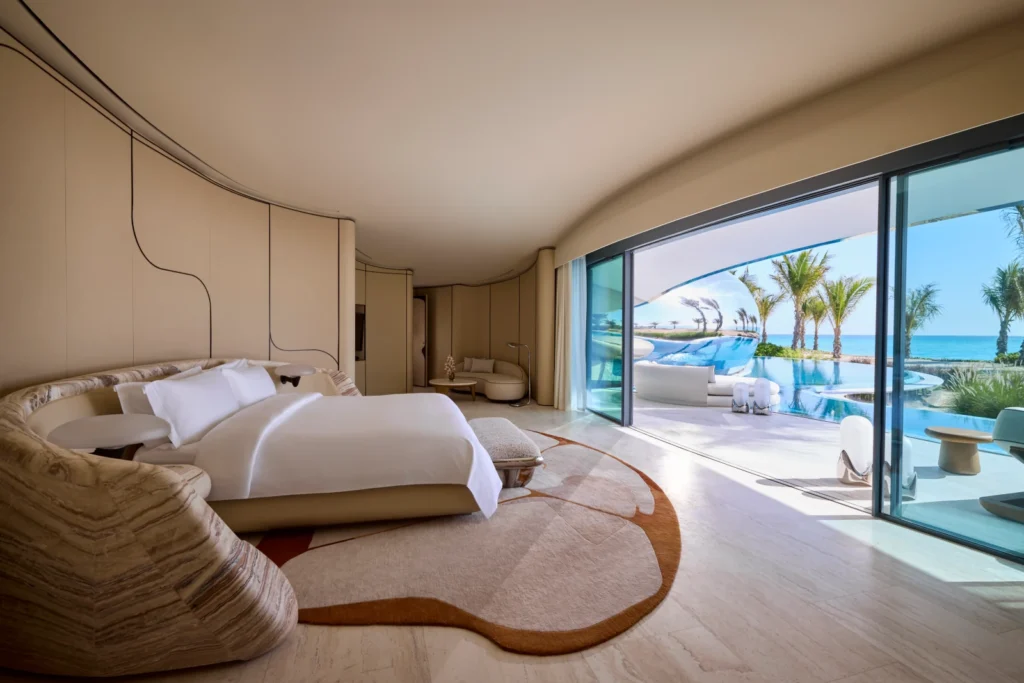
In today’s travel landscape, where meaning often outweighs mere indulgence, the Red Sea blends both with subtlety. Luxury here unfolds gently, grounded in the landscape and shaped by intention. As this coastline opens wider, it calls to travellers who seek depth, curiosity, and a chance to witness a destination quietly coming into its own.