
The post-pandemic high under Alessandro Michele has long faded, leaving Gucci without an era-defining release or the cultural buzz it once commanded.
After Mr. Michele, Gucci’s identity shifted from exuberant, meme-able maximalism to Sabato De Sarno’s pared-back “Ancora” era. Clean silhouettes, reduced logo play and a strategic push toward polish. Unfortunately, the aesthetic reset didn’t translate into a (quick) sales rebound: Gucci’s revenue fell 21% (comparable) in 2024 to €7.65bn, and comparable sales were down ~25% in Q1 and again in Q2 2025, underscoring momentum lost against rivals like Hermès and Dior.
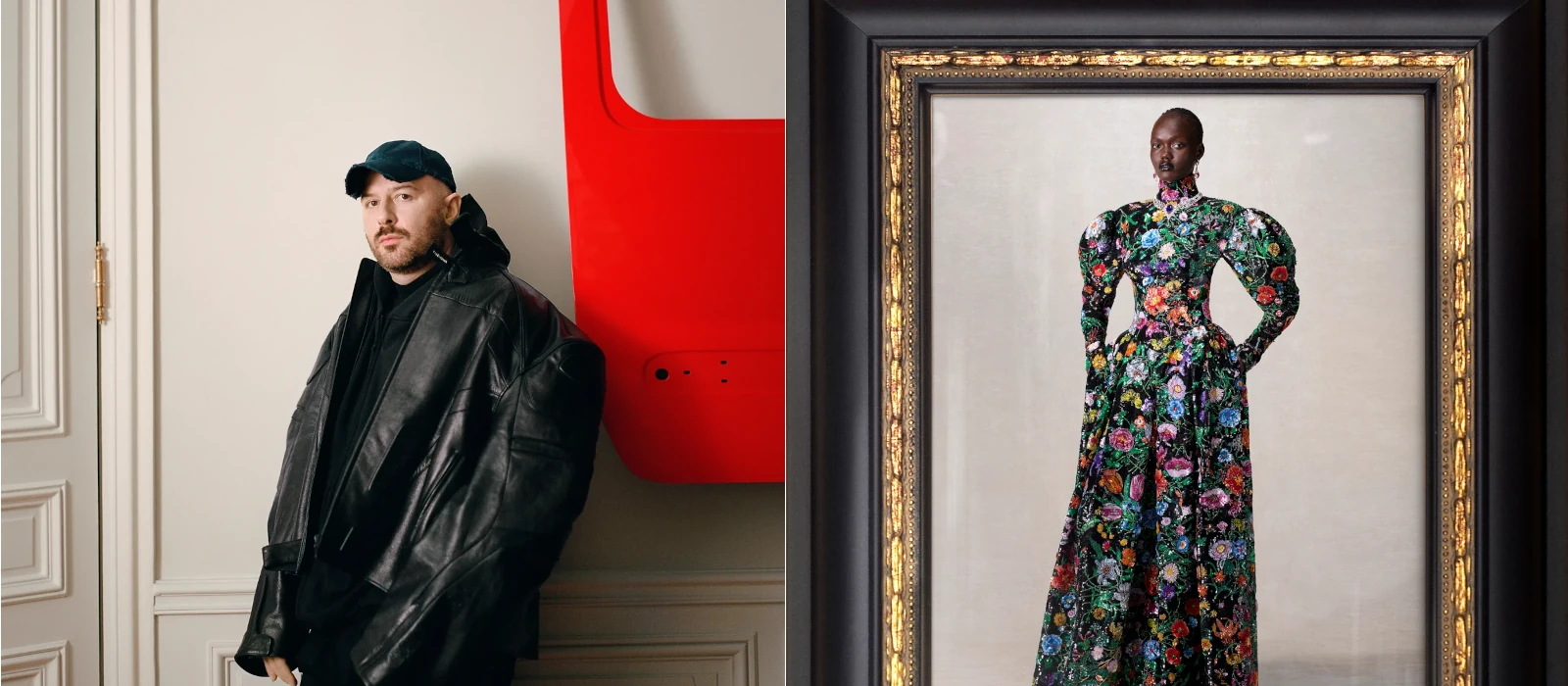
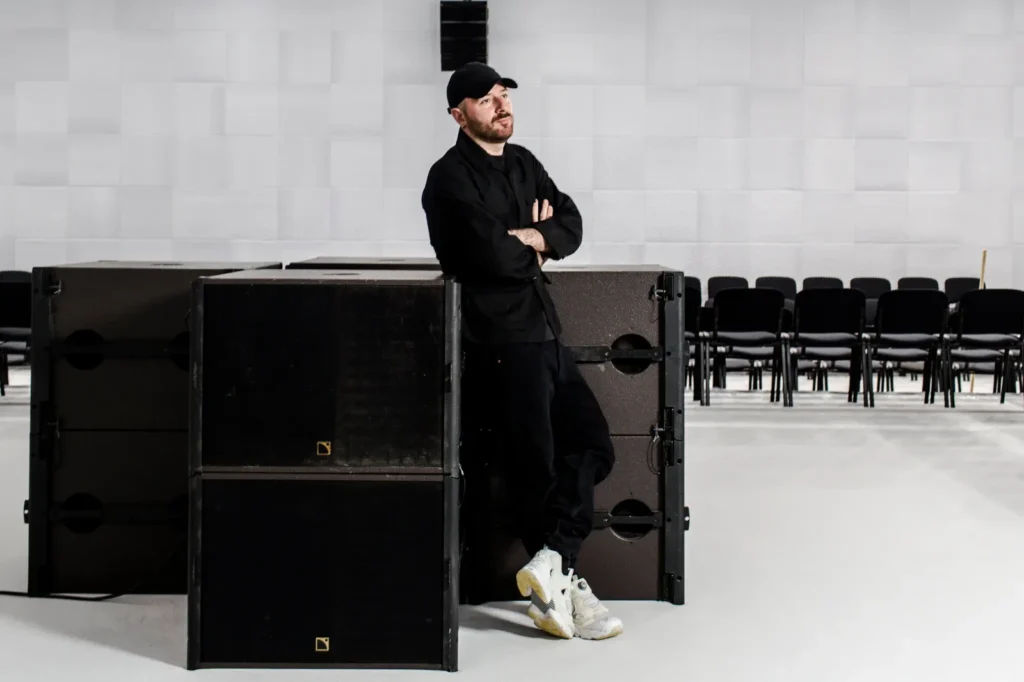
In a bold internal reshuffle, Kering handed the reins to Balenciaga’s Demna, whose irreverent, provocative vision successfully transformed Balenciaga into a global talking point. Demna, however, faces a very different challenge. Gucci comes with a far weightier legacy where the stakes and scrutiny are far higher. Will Demna be able to prove his brilliance by saving a legacy brand like Gucci?
The strategy
Demna’s Gucci era will officially commence with his first runway show in February 2026, with the debut of his Autumn/Winter 2026 collection. Choosing craft over speed, he sidestepped the traditional Spring/Summer cycle, insisting that more than a few months were needed to shape a vision worthy of the house.
Most new creative directors debut on the runway within three to four months of appointment – think Virgil Abloh at Louis Vuitton, Nicolas Ghesquière at Louis Vuitton and Kim Jones at Dior. Jonathan Anderson, who was announced as Creative Director at Dior in June this year, showcased his debut menswear collection for the brand the same month itself. Demna, however, is taking a full year.
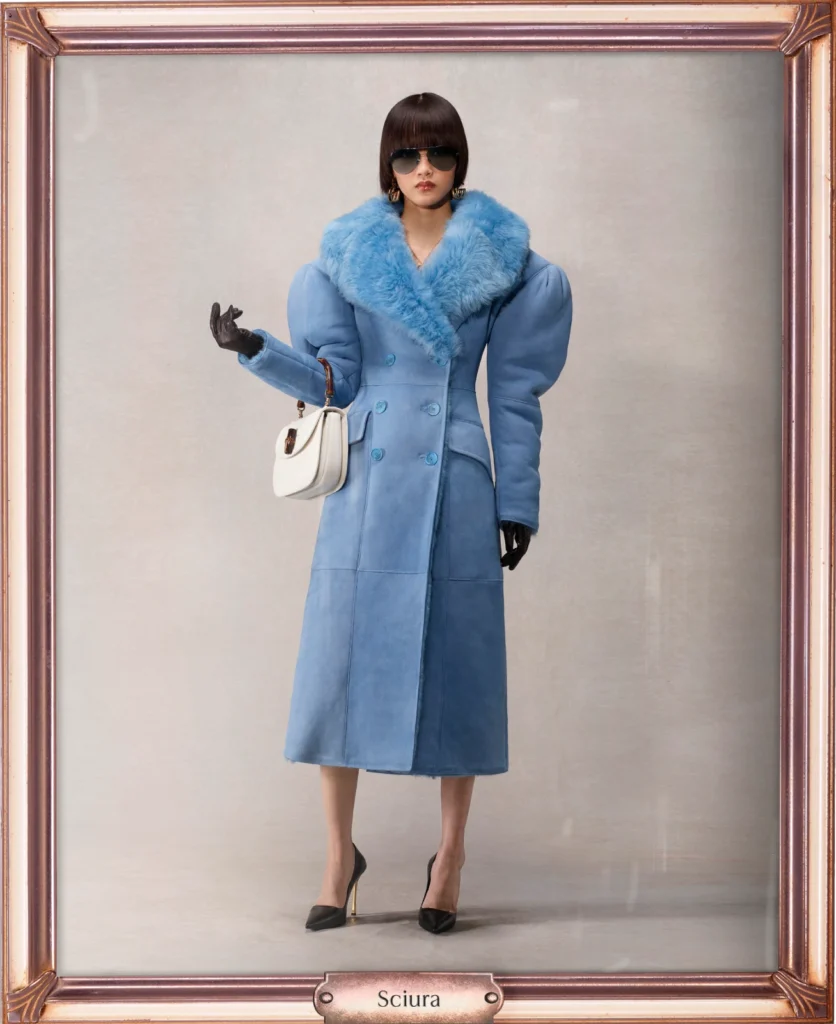
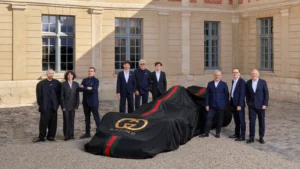
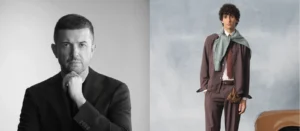
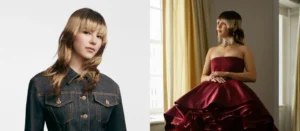
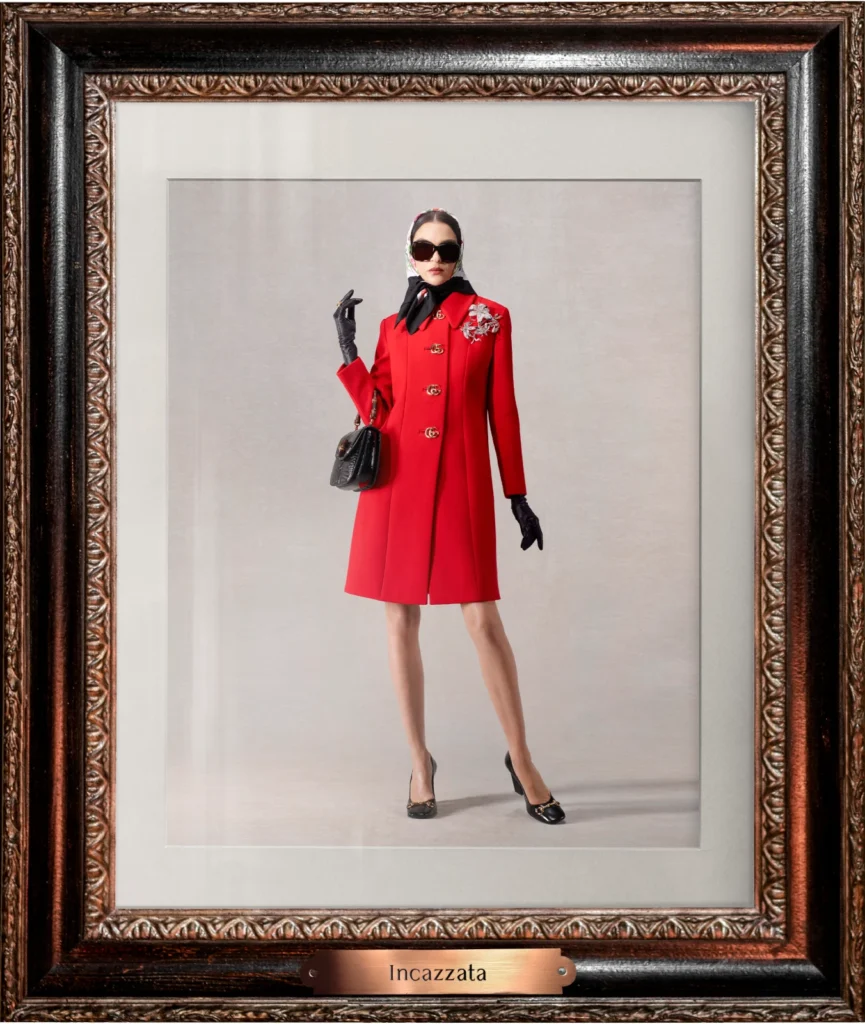
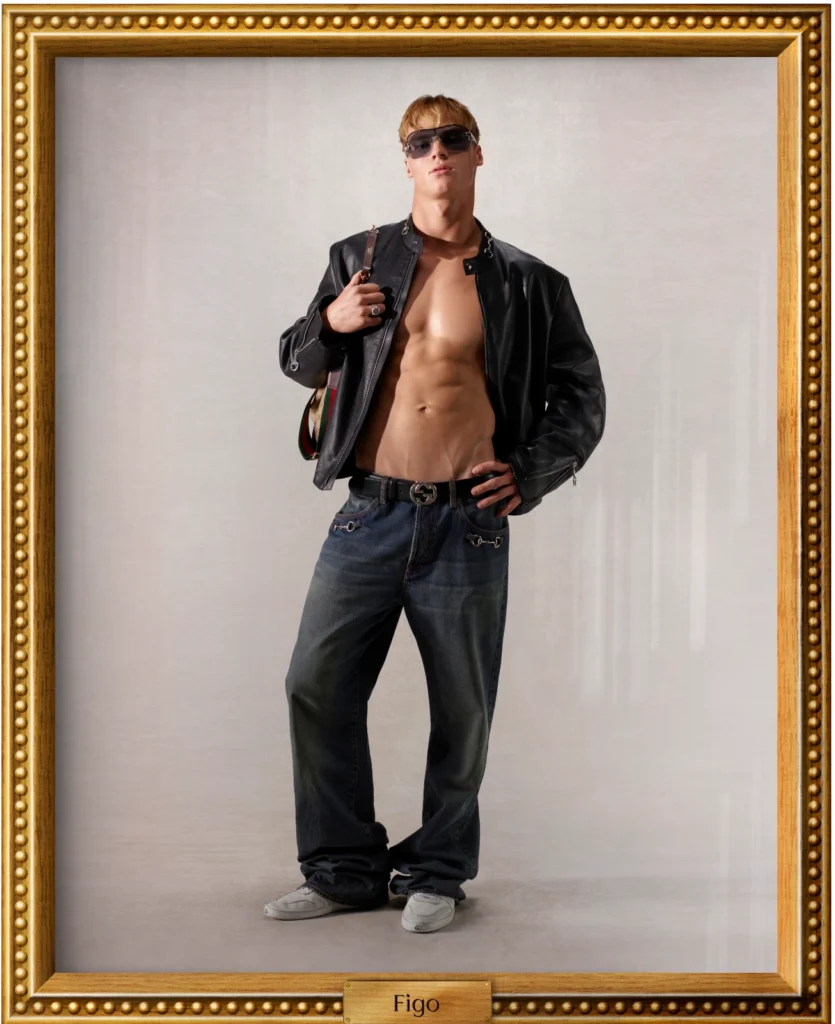
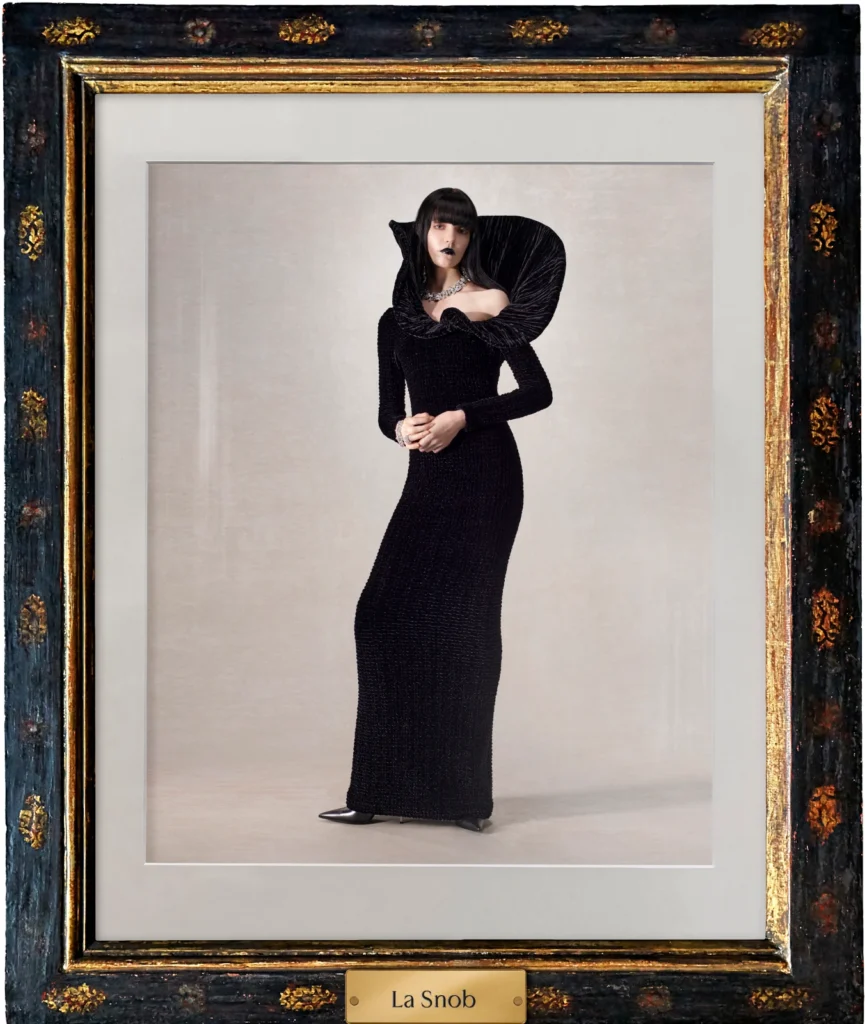
Having said that, Gucci released its first collection by Demna, titled La Famiglia, which will be available in stores for a limited time only. Serving as an “aesthetic base” for Demna’s vision which will be fully revealed next year, the new collection creates different Gucci personas in the campaign shot by Catherine Opie. From La VIP swathed in the Gucci logo to Sciura covered in a powder blue overcoat to Figo in a leather jacket and denims, the collection seems to be, well, expected. It is very Gucci. There’s not much of Demna here, yet, though we can see hints of his classic irony in the characterization.
Demna’s usual signature is surgical: hyper-aware of internet culture, normcore to grotesque volumes, irony, and shock. Gucci’s legacy vocabulary is Bamboo, Jackie, horsebit, equestrian codes, and Florentine craft that thrives on sensuality and classicism. The opportunity is a hybrid dialect: anchor Demna’s concept pieces in leather-goods icons, tailor the irony for longevity, not just virality, and maintain a premium cadence in materials and make. If showmanship overshadows skill, there’s a risk Gucci could lose the refined craftsmanship it’s known for. Verdict? La Famiglia seems to be toeing and testing that fine line…
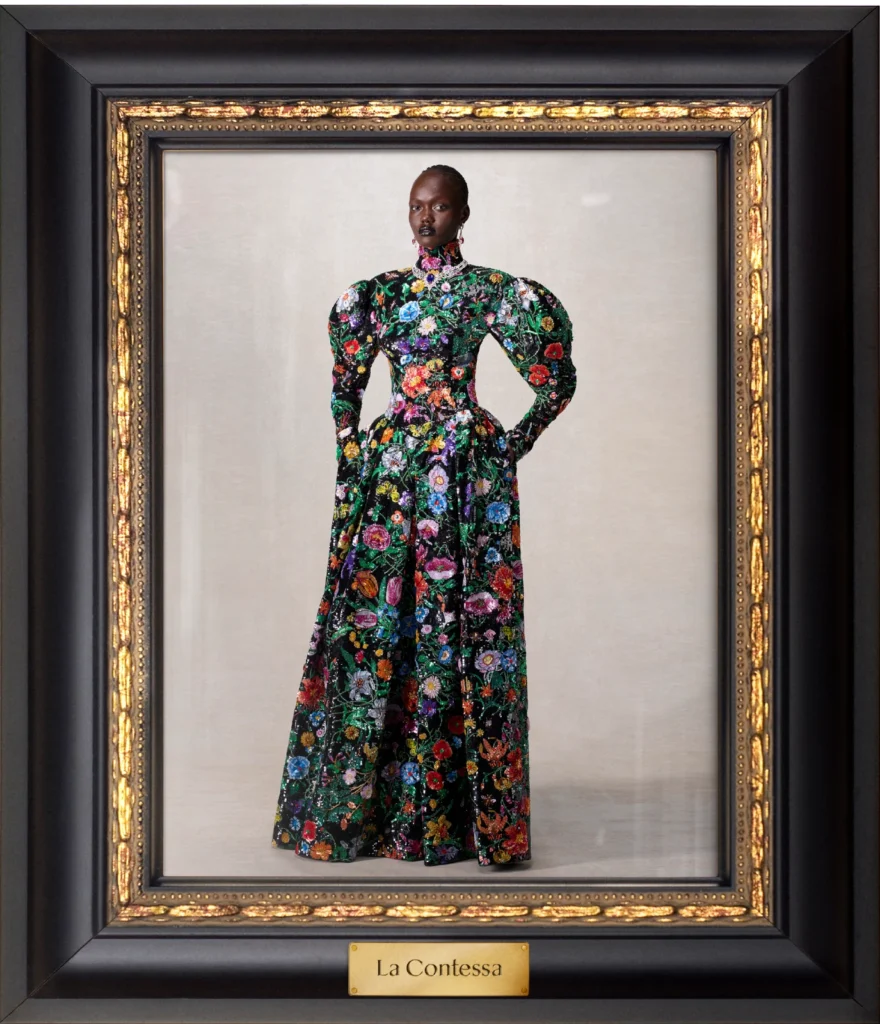
Could this be the turning point Gucci needs?
Shock alone is a sugar high. In 2025’s cooling luxury market, enduring brand equity comes from desirability you can replenish: a leather-goods “engine,” repeatable RTW silhouettes, and tight price-value logic, powered by cultural currency. Historically, Demna’s playbook works best when provocation launches an icon, a bag, a shoe, a knit that sells for seasons.
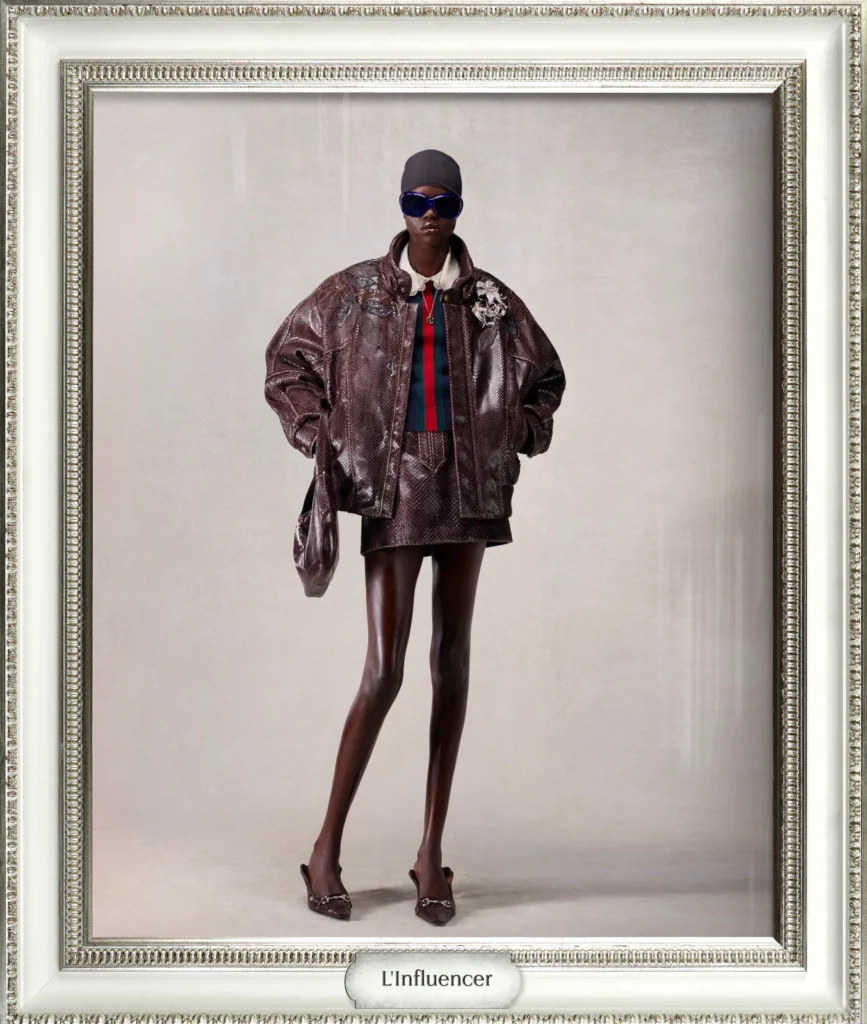
The real test will be whether buzz from the runway — or in this case, without a runway, can still turn into lasting bestsellers and more full-price sales, especially after Gucci’s recent steep declines. With his first designs hitting stores before anyone has seen them on the catwalk, the challenge will be getting audiences to connect.
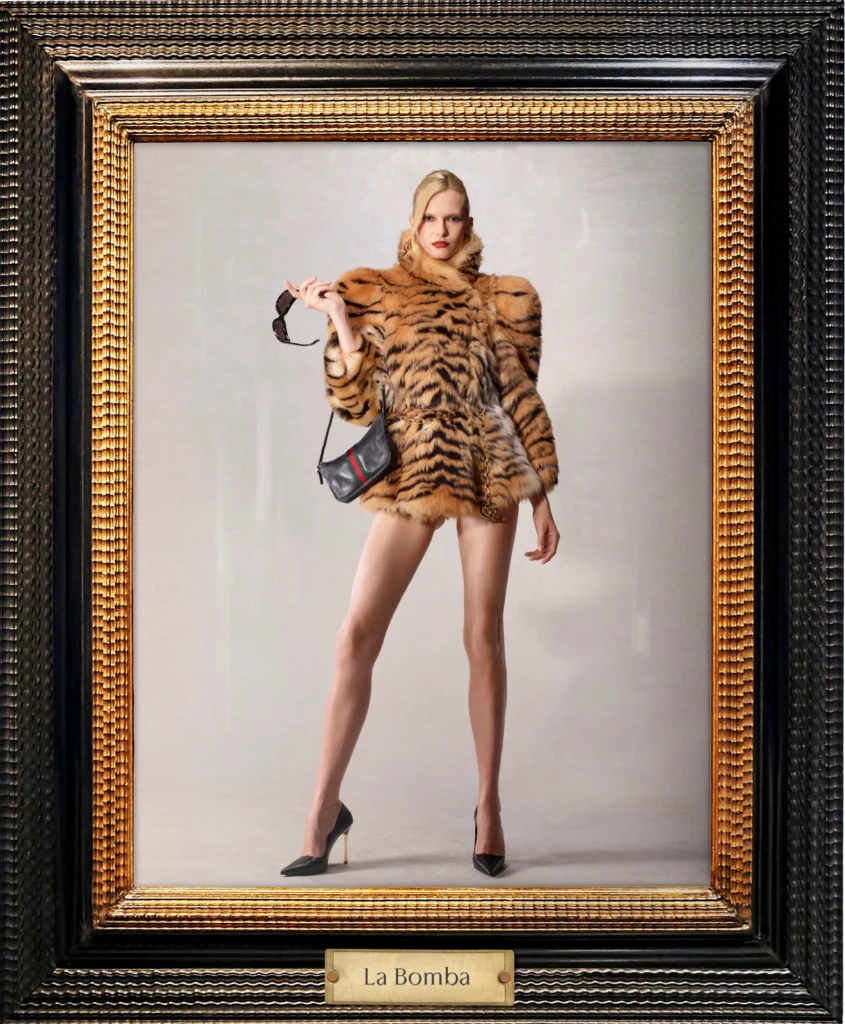
During his nearly 10 years at Balenciaga, Demna proved he could fuse spectacle with craftsmanship by creating pieces like the Speed Trainer, Triple S sneakers, haute couture lace gowns, and armor-like boots that became cultural talking points, and at times, commercial successes. This track record shows he can deliver bold, craft-led designs, but they’ve rarely had the kind of enduring, franchise-level impact that a legacy house demands—think Alessandro Michele’s maximalist reinvention of Gucci or Maria Grazia Chiuri’s “We Should All Be Feminists” moment at Dior. That doesn’t mean he can’t do it; it means the real question is how successfully he can translate his edge into icons that last.
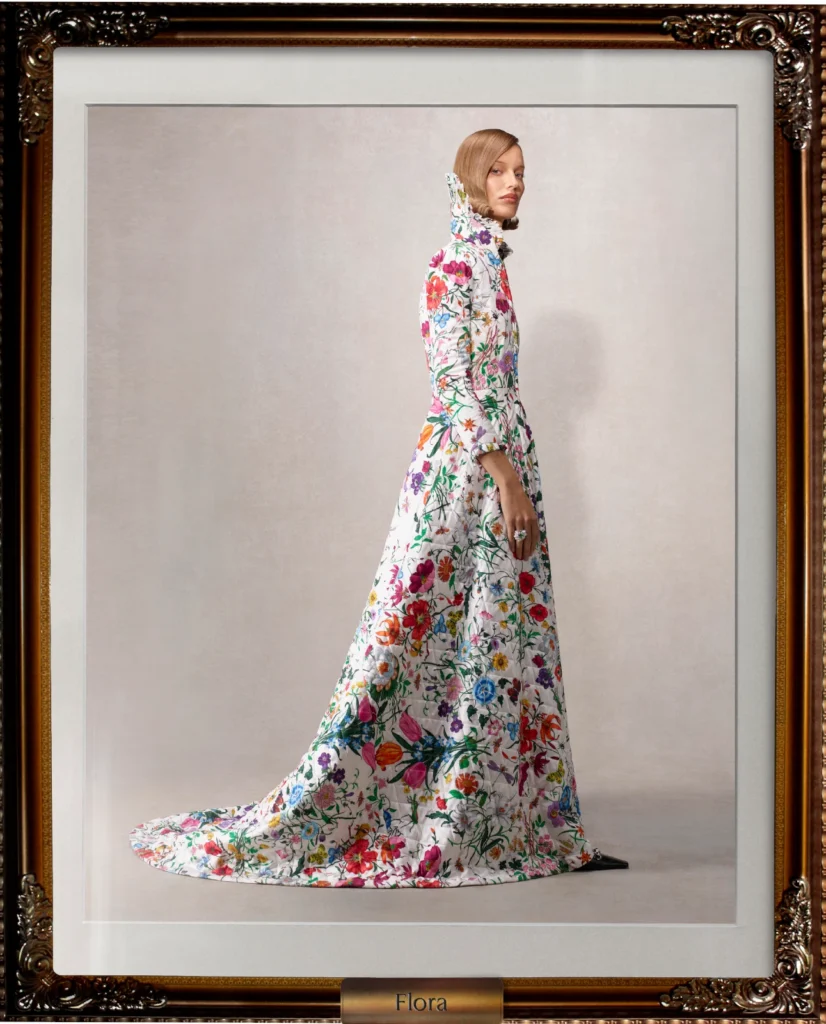
Demna can “save” Gucci only if he can balance spectacle with staple: protect heritage codes, mint one or two new must-own leather lines, and use irony as seasoning, not the dish. The industry doesn’t need louder; it needs lasting. Demna-at-Gucci is, thus, less a stunt and more of a portfolio-level bet where high-concept storytelling can be fused with product that converts.
La Famiglia will be available exclusively in 10 Gucci stores (New York, Los Angeles, Beijing, Shanghai, Singapore, Tokyo, Seoul, London, Milan and Paris) from September 25 to October 12.