
Fine dining, much like everything else in this world, is not impervious to market forces and consumer preferences. From tariffs to hyperlocal trends, how we eat is changing. And with good reason!
Consequentially, all roads are leading to sustainability, whether it’s from an economic perspective or health. Environmentalists and chefs are relooking at the term at a microscopic level to further fine tune menus across the world. New-age fine dining experiences are increasingly focused on environmental responsibility and conscious consumption. We delve into some of those trends, for 2025 and beyond, here.

1. Zero waste cooking
Restaurants are now curating menus that emphasize sustainability, using seasonal produce to ensure freshness and reduce environmental impact. More impressively, they’re pushing the boundaries of zero-waste cooking. Every part of an ingredient is being utilized — for example, the inner core and peels of pumpkins are creatively repurposed, and potato peels are even used to bake bread. “This approach not only minimizes waste but also showcases the chef’s ingenuity. Bartenders are joining the movement too. In sustainable mixology, cocktail components now include elements like herb stems or fruit peels — ingredients that were traditionally discarded. This reinvention of waste into culinary and beverage innovation is making sustainability both stylish and sophisticated,” says Jatin Mallick, Chef & Co-Founder, Dos, Delhi.
Italy-based Horto and Yera at FORESTIS Villa are incredible examples of 100%-no waste kitchen.

2. Health first
In recent years, the luxury travel industry has witnessed significant changes in consumer preferences, particularly regarding dining experiences. Travelers, especially those seeking high-end experiences, are becoming more conscious of sustainability, health, and the environmental impact of their choices. “With an increasing awareness of health and wellness, luxury travelers are gravitating toward dining options that prioritize healthier, lighter, and more nutritious meals. This shift includes a focus on organic ingredients, plant-based dishes, and nutrient-dense superfoods. Fine dining is evolving to accommodate these preferences, and we try to cater to all dietary requests and accommodate special requests as well,” says Claudia Klingbeil, Group Director of PR & Communications, Sun Siyam Resorts, a Maldivian resorts company.
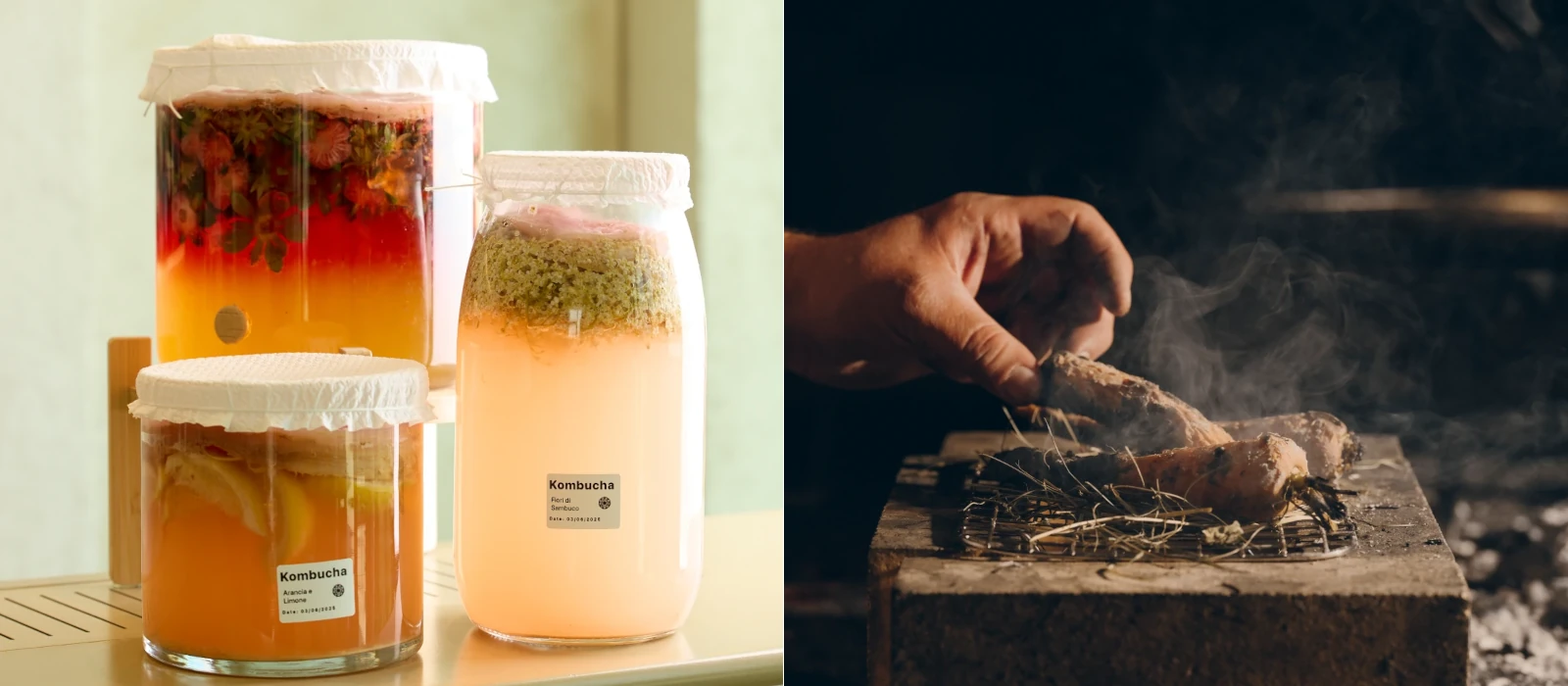
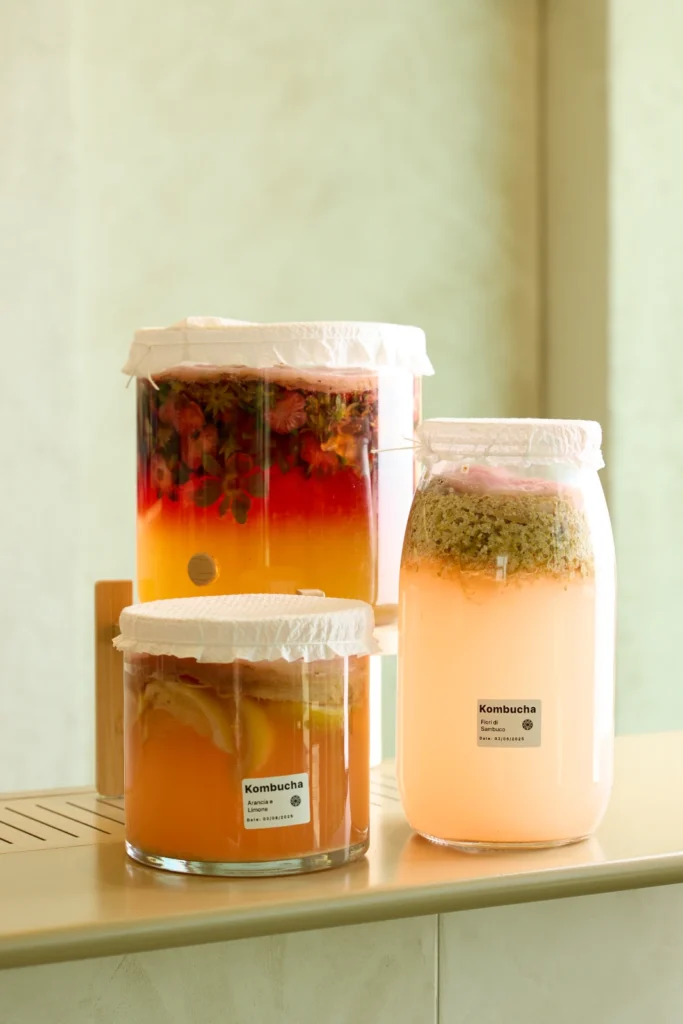
Yera, along with its food menu, gives emphasis on health in its cocktail menu as well. Hannes Unterberger, bartender at the forest restaurant, says, “We make the vinegars ourselves, which we then use for the dishes and drinks, our sauerkraut is homemade, lacto-fermented beetroot for a drink, as well as home-fermented fruit wines and kombuchas… We only work with local products, currently from the light season, based on the Celtic calendar. We made the fruit wines ourselves, also in preparation for winter, because the fruits are ripe now.”
A significant shift is the growing focus on set menus in restaurants. This approach allows for better control over portion sizes and production, leading to a reduction in food waste.
Since Yera doesn’t use spirits (like whisky, rum or gin) as their base for cocktails, they use their homemade fruit wines instead. “This [fruit wine] is nothing more than alcoholic fermentation. For completely alcohol-free drinks, I use kombucha, lacto-fermented products, homemade syrups and juices as a base,” explains Mr. Unterberger.
3. Vocal for local
Hyper-local food is generally more efficient, healthier, and has the least environmental impact provided sustainable practices are followed. Since the produce is regionally grown, it also tends to suit local palates more naturally and comfortably. Chefs are increasingly conscious of their ingredient choices and are prioritizing the use of local produce. A significant shift is the growing focus on set menus in restaurants. This approach allows for better control over portion sizes and production, leading to a reduction in food waste.
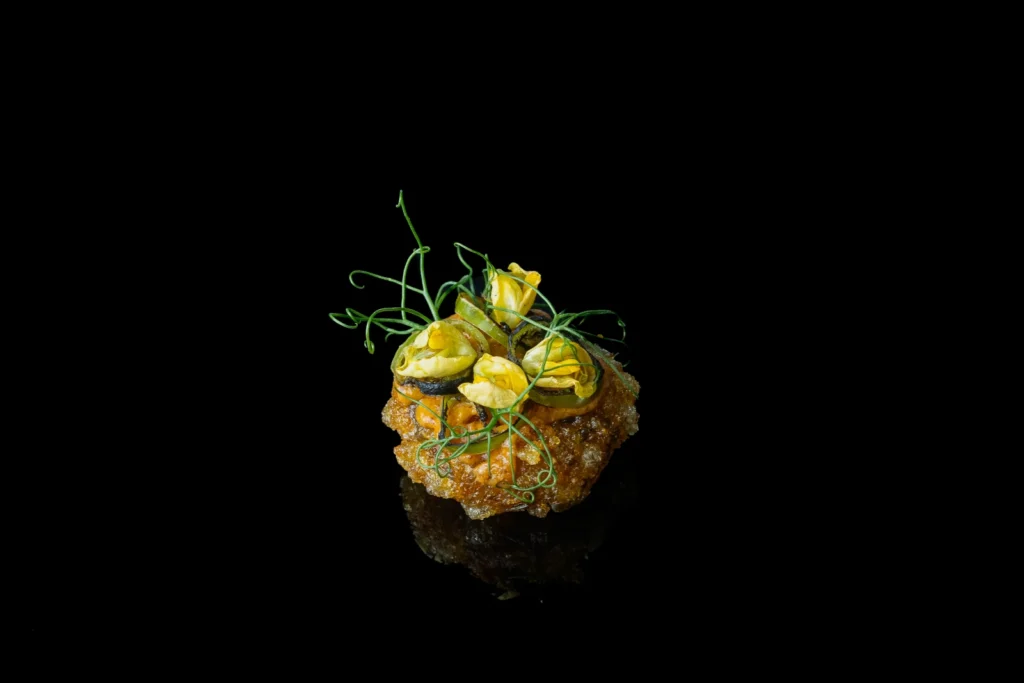
Furthermore, Michelin’s introduction of the Green Star awards, recognizing sustainability efforts, has fostered a greater sense of responsibility within the hospitality industry. “The focus on local and seasonal produce stems from a desire for sustainability. These ingredients bring distinct, fresh flavors and textures to dishes. In fine dining, they add sophistication and visual allure. Furthermore, sourcing local ingredients allows chefs to craft a story around the dish, sharing their creative process and personal memories. Diners also experience a sense of connection and nostalgia when presented with these regional and local components,” says Sanket Joshi, India Head, Avatara Mumbai.
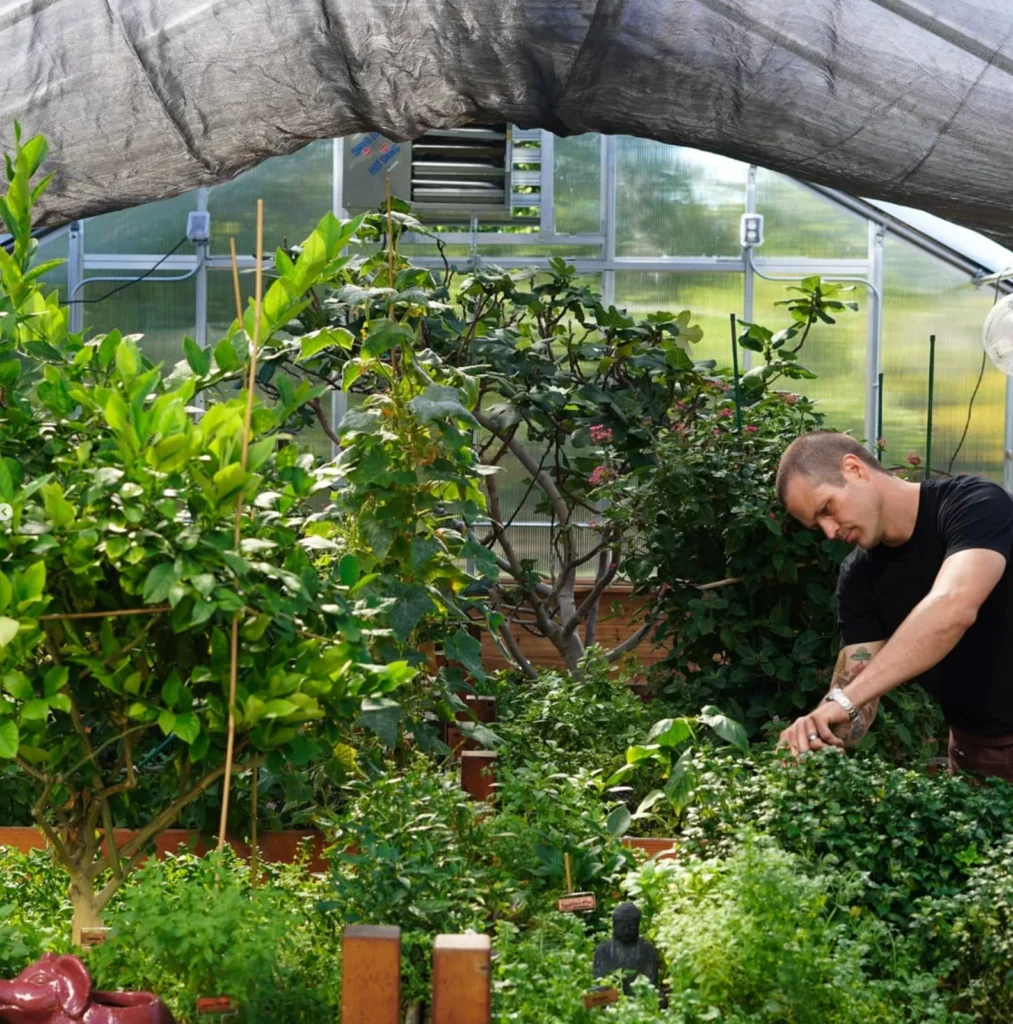
Multiple examples exist where restaurants are attempting to grow their own produce. Chicago-based restaurant Eden operates its own greenhouse, a lush micro-farm that yields more than 80 varieties of herbs, edible flowers, and petite produce — ingredients that appear daily across Eden’s menus and cocktail program.
Hyperlocal food offers the advantage of accessibility, making it easier to create menus that highlight seasonal ingredients. It also simplifies sourcing directly from vendors. This proximity allows chefs to experiment and introduce guests to lesser-known produce, resulting in innovative and unique dishes.
4. Going back to tradition
From sous-vide and fermentation to molecular gastronomy techniques, innovation is at the core of culinary programs at fine dining spaces – many techniques which were used in olden days. Pankaj Singh Panwar, Executive Chef, The Westin Resort and Spa Himalayas, says, “An elevated dining experience leaves a lasting impression, often becoming a highlight of the guest’s stay. By sourcing locally and promoting regional culinary traditions, we actively contribute to the local economy and support small producers. Our guests experience the real flavors of the destination, strengthening cultural appreciation and sustainable tourism.”
Positive guest reviews, word-of-mouth recommendations, and stronger repeat business all stem from memorable culinary experiences, enhancing reputation and driving long-term growth.
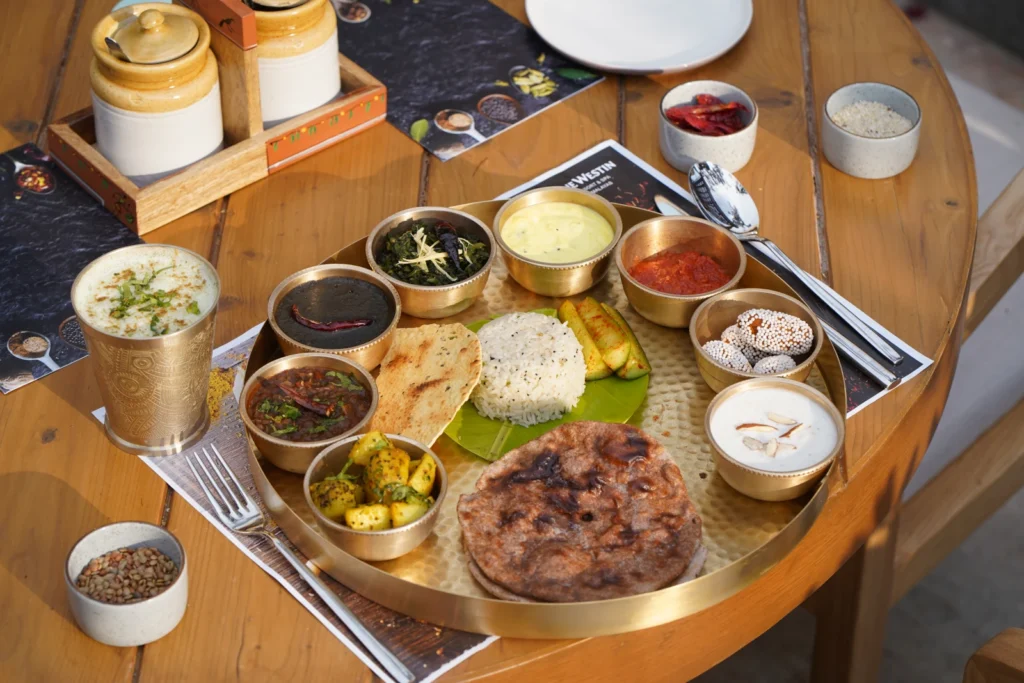
Abu Dhabi’s Erth Restaurant Al Hosn, the only Emirati cuisine restaurant to win a Michelin star in the city, not only procures local produce, but also presents local cuisine in modern, innovative ways. Their Lamb Machboos and local-inspired desserts have been lauded by diners.
Le 1812, a yet-to-open restaurant in Mauritius by three-Michelin star Chef Glenn Viel, is planning to use shells, coconuts and other natural materials as tableware, giving diners that local, island feel.

Exceptional dining elevates a property’s brand value. Positive guest reviews, word-of-mouth recommendations, and stronger repeat business all stem from memorable culinary experiences, enhancing reputation and driving long-term growth. What’s not to follow here?
5. Adding a pinch more
Beyond food, there are multiple other ways restaurants are reinventing the wheels. Chicago’s Eden, for example, has embedded regenerative practices in its operations to make it a fully sustainable restaurant. They compost discards and focus on food waste collection via WasteNot, a composting service. They convert used cooking oil into biodiesel; recycle glass, aluminum, and paper; use only compostable or recyclable packaging; and donates surplus food through Copia, which picks up from Eden and delivers meals directly to local nonprofits. The Westin Resort and Spa Himalayas also minimises single-use plastics on the table.
Milan-based Horto, which has been awarded a Michelin star and a Green Star by Michelin, also understand how sustainability goes beyond just the plate. While focusing on strictly seasonal and local ingredients, sourced from producers located within an hour of Milan’s city center, the restaurant has created a semi-consortium that links all the small producers they work with, optimizing transportation costs and reducing CO2 emissions. Horto has also utilized natural and reclaimed materials in its architecture, including flooring made from old vinegar barrels, wall plaster crafted from rice processing waste, and a chef’s table fashioned from a cedar of Lebanon recovered in Puglia after a storm.
For every liter of water sold, Horto donates €0.50 towards the construction and maintenance of wells in rural African areas.
The bottle-free restaurant supports the right to clean drinking water. They have partnered with BWT Italy and the AQUA Pearls Foundation in the B.Water Mission project for sustainable water supply in Africa. For every liter of water sold, Horto donates €0.50 towards the construction and maintenance of wells in rural African areas. The first well has already been completed in Singida, Tanzania.
Overcoming challenges
Pursuing a strictly local or hyper-local path presents certain challenges. It can limit the variety of produce available to a restaurant, making it difficult to prepare a wide range of cuisines or specific dishes. Consistent supply chains must also be established with local producers, along with verification processes to ensure that the produce is genuinely local.
Adopting a hybrid model can be more manageable, though it ultimately depends on the establishment’s goals and identity. “While such sustainable practices are beneficial in many respects, the initial setup phase can be cumbersome, and maintaining the system may be challenging over time. To truly foster a more sustainable food ecosystem, supportive structures need to be in place, including but not limited to a directory of local producers within a specific area, a system for certifying and verifying the authenticity of local produce, efficient channels for procurement and local transportation, and incentives and recognitions for businesses adopting sustainable practices to encourage motivation and long-term commitment,” opines Saurabh Sharan, Head Chef at Guppy, New Delhi.

While diners are becoming more conscious, there is still a need to educate them about why local, seasonal, or reused elements appear on the plate. Fine dining has traditionally been about imported luxuries and pristine presentation, so redefining luxury in the context of sustainability is an ongoing journey — both for restaurants and their guests.
Even then, the only way forward for modern dining is embracing sustainability by focusing on locally sourced ingredients, minimizing food waste, implementing eco-friendly practices, and forging those deeper connections, not just with guests, but with the land and water itself.