
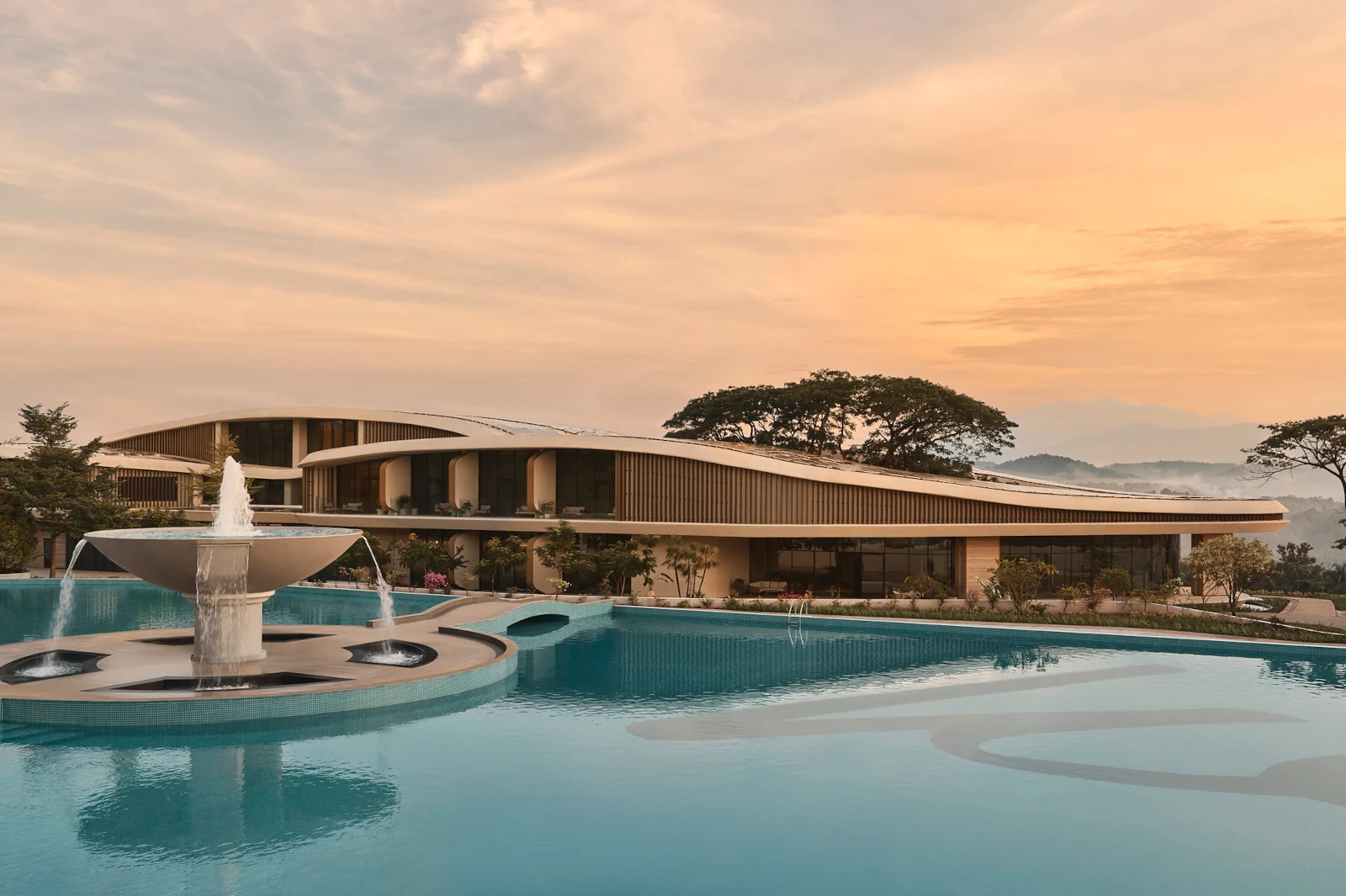
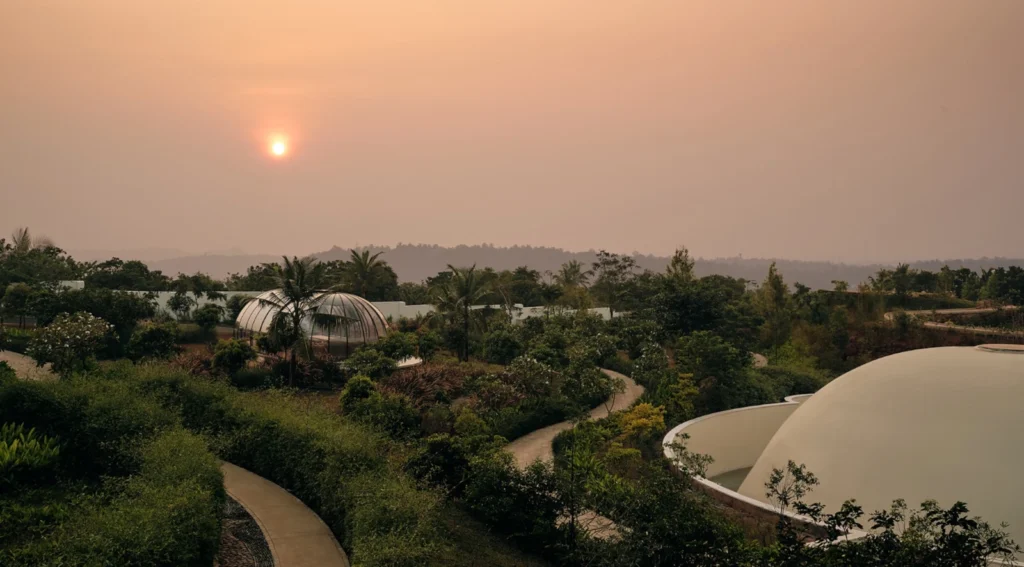
Set among the mist-covered hills of northern Kerala, Tulah has opened its doors with a promise to blur the boundaries between ancient healing traditions, clinical medicine, and luxury retreat culture.
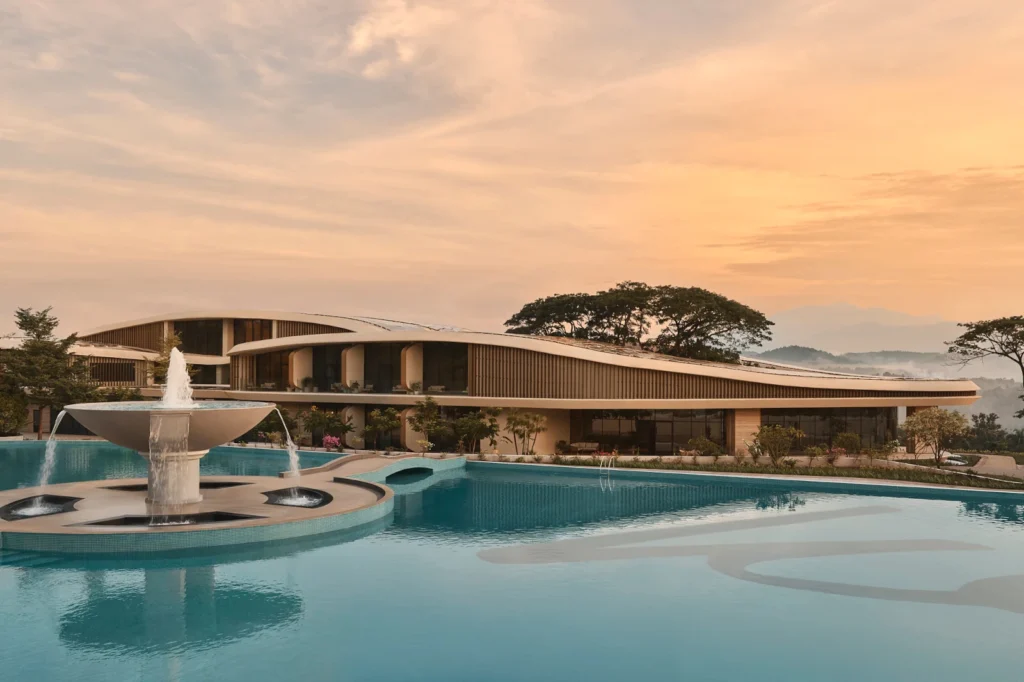
The wellness resort is positioning itself as one of the world’s most ambitious integrative healing sanctuaries, bringing together Ayurveda, regenerative medicine, genomics, functional diagnostics, yoga, Tibetan medicine, and Traditional Chinese Medicine under one expansive ecosystem.
At a time when global wellness is shifting beyond spa culture toward preventative and personalised healthcare, Tulåh offers a vision that feels distinctly future-facing — yet deeply rooted in India’s healing heritage. The resort is a part of a recent crop of new openings in India that merge ancient healing with modern techniques, including Dharana at Shillim and Swastik in Pune.
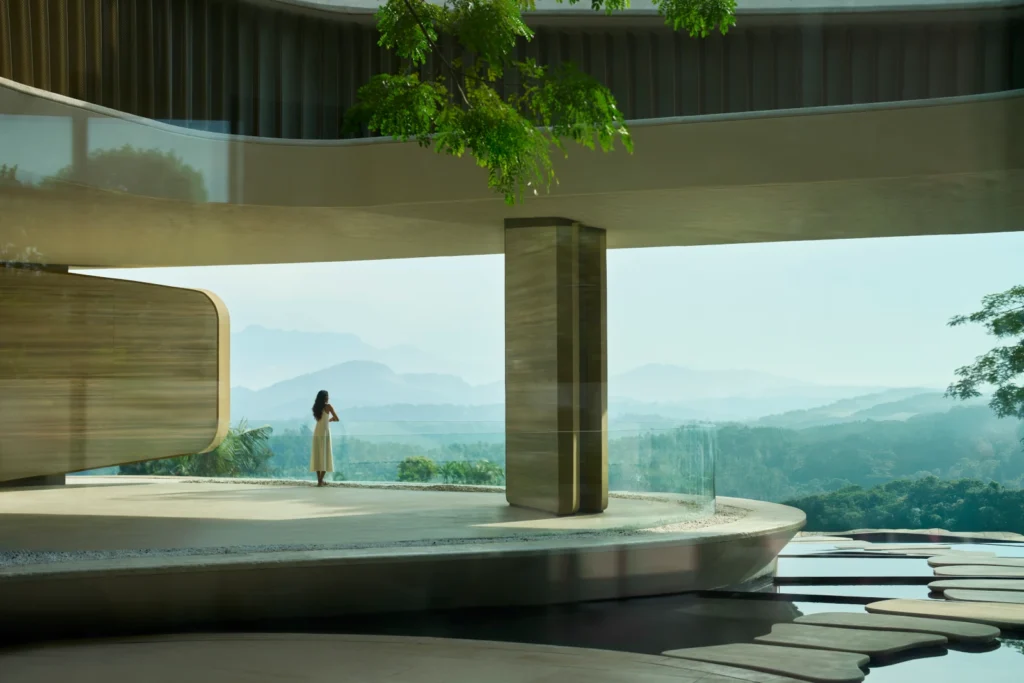
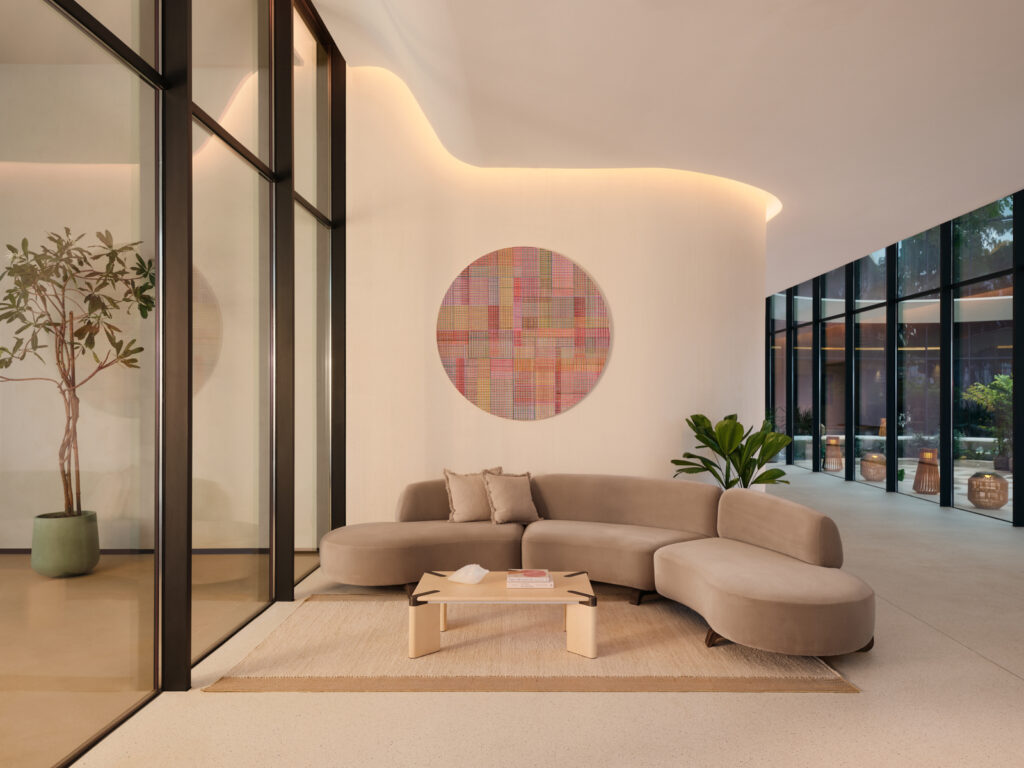
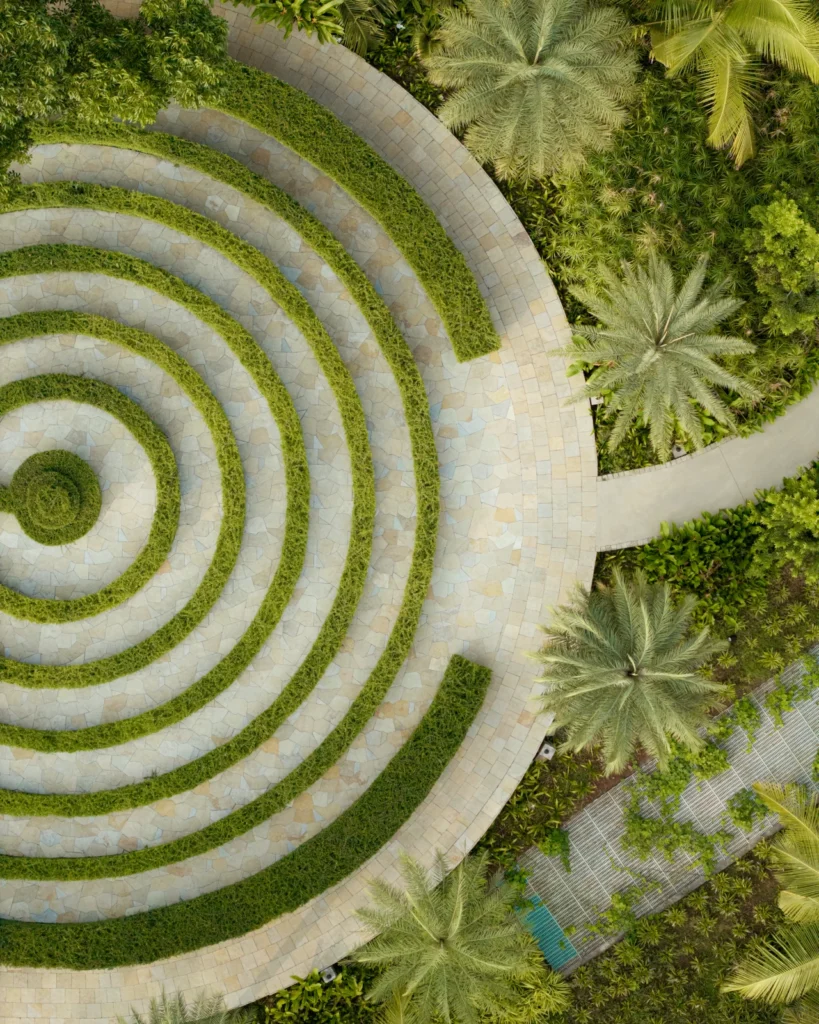
Spread across 30 acres of rewilded forest and medicinal gardens, Tulåh has been conceived as more than a resort. Every architectural detail is intended to support restoration and nervous system regulation. The broader environment reflects a growing movement in wellness architecture that prioritises biophilic design, ecological regeneration, and sensory calm as essential components of healing itself.
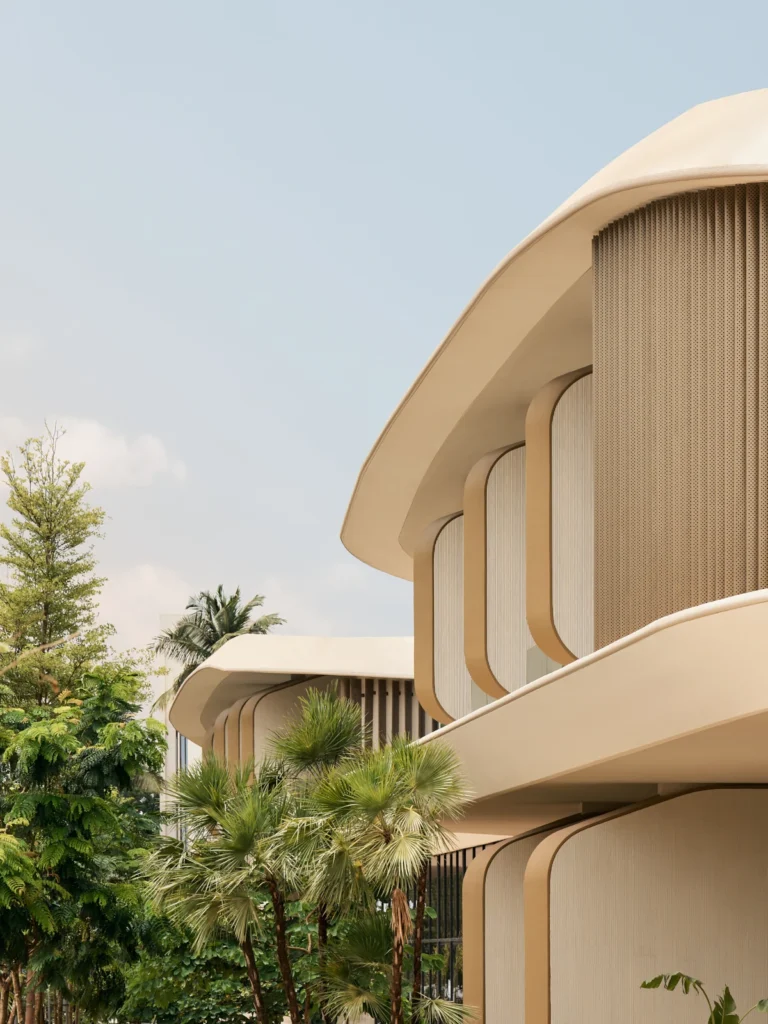
The sanctuary features 65 suites, 14 treatment spaces, organic kitchen gardens, and immersive wellness facilities built using sustainable design principles including radiant cooling systems, rainwater harvesting, and locally sourced natural materials.
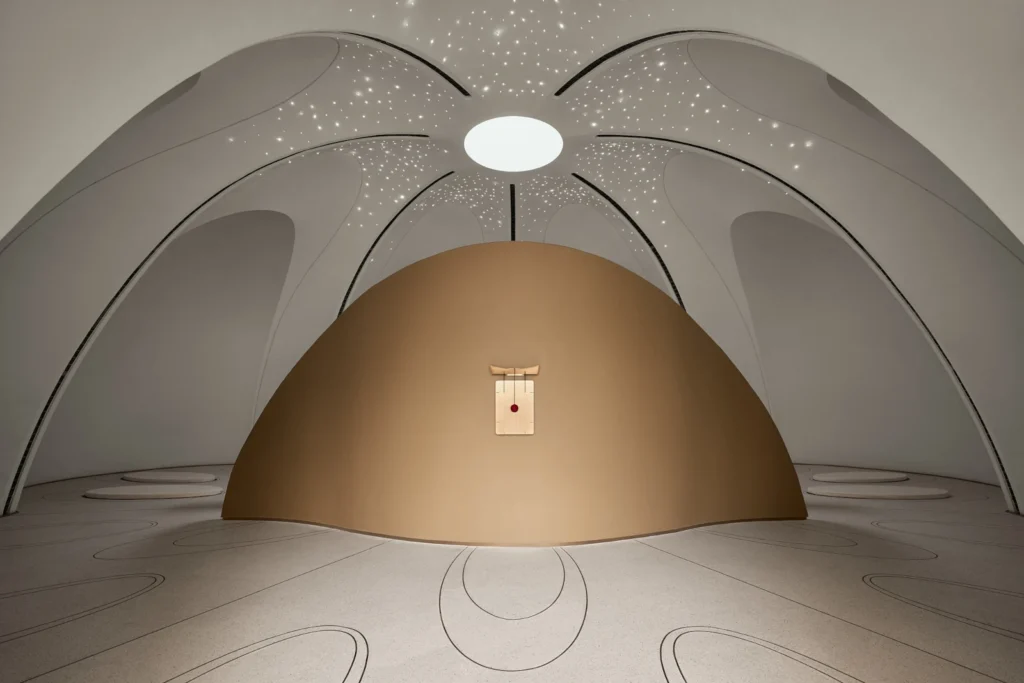
At the centre of the property stands what Tulåh describes as the world’s largest sound healing dome, known as The Sonorium — a dramatic experiential space where harmonic frequencies and vibrational therapies are used to encourage deep relaxation and cellular recovery.
Guests begin their programmes with extensive diagnostics ranging from microbiome and genome mapping to cardiovascular profiling, blood biomarker analysis, and functional performance testing. From there, personalised treatment plans are developed through what the sanctuary calls the tulåh Life Index™, a framework designed to evaluate physical, emotional, and mental wellbeing.
Programmes range from short four-day health assessments to immersive 21-day recovery and longevity protocols addressing hormonal balance, metabolic health, chronic conditions, oncology recovery, and preventative care.
The launch of tulåh also reflects the growing global rise of “clinical wellness” — a category that merges hospitality with evidence-based healthcare.
Its medical infrastructure includes advanced imaging technologies, diagnostic laboratories, ICU facilities, operating theatres, and multidisciplinary treatment suites. The centre will also collaborate closely with Meitra Hospital, a JCI-accredited hospital located nearby, giving guests access to more than 200 specialists across multiple disciplines.
Alongside traditional Ayurvedic therapies and yoga practices, Tulåh offers regenerative treatments including hyperbaric oxygen therapy, cryotherapy, photobiomodulation, IV nutrient therapies, PRP, and exosome-based protocols.
One of its most innovative developments is a globally patented Ayurvedic Vichy bed, engineered in-house to modernise classical oil-based sensory therapies into a more immersive and technologically advanced experience.
While the sanctuary embraces biotechnology and advanced diagnostics, its philosophical foundation remains deeply spiritual. The name “tulåh” derives from the Sanskrit word for “balance,” and the experience is heavily informed by the teachings of Vedanta and Iyengar Yoga. Guests can expect programmes that combine movement therapy, breathwork, cognitive wellness practices, sound healing, personalised nutrition, and bodywork traditions drawn from Ayurveda, Tibetan medicine, and Traditional Chinese Medicine.
The project is the vision of Faizal Kottikollon, a Kerala-born engineer, entrepreneur, and philanthropist behind several large-scale healthcare and social impact initiatives.
Kottikollon previously founded Meitra Hospital, recognised as India’s first modular healthcare facility, developed in collaboration with physicians from the Cleveland Clinic. His philanthropic initiatives have also supported the redesign and transformation of more than 1,000 schools across India and Africa.
With Tulåh, he appears to be applying that same systems-thinking approach to the future of integrative healthcare. “The beauty of clinical wellness is that you heal people, and that’s the biggest blessing you can get in life,” Kottikollon says.
The recent unveiling of Tulah was attended by some of India’s most distinguished names including Sajjan Jindal and Sangita Jindal, Tarun Tahiliani, Nadir Godrej and Dr. Rati Godrej, Dr. Naresh Trehan, Dr. Amit Anand, Urvashi Khemka, Mariam Ram, and other prominent leaders across business, culture, medicine, and philanthropy. Over three days, these guests experienced Tulåh’s signature philosophy through bespoke wellness journeys, transformative therapies, and thoughtfully curated cultural evenings.
Reflecting on the experience, Aditi Premji, Chairperson of the Wipro Foundation, shared, “Even in my limited time there, many of us realised how beneficial an integrated wellness system can be — that rare combination of ancient wisdom and modern science in a space that truly feels like home.”
The Kerala sanctuary is only the beginning. The brand has already announced plans for Urban tulåh — city-based clinical wellness hubs beginning with Dubai in 2026 — alongside a personalised at-home wellness platform called tulåh at Home.
Together, the expansion signals a larger ambition: transforming integrative healthcare from a destination experience into an ongoing lifestyle ecosystem.
As wellness increasingly evolves toward preventative medicine, longevity science, and emotionally intelligent healthcare, tulåh may offer a glimpse into what the next generation of healing spaces could look like — deeply personalised, medically sophisticated, spiritually grounded, and inseparable from nature itself.