
Welcome to a world where a Porsche is too common. So is a Lamborghini. The 1000bhp is no longer enough. It is too slow or too ‘mainstream’. Yes, this is the wild world of hypercars and how this genre has exploded over the years with numerous entrants jostling for space along with the legacy brands.
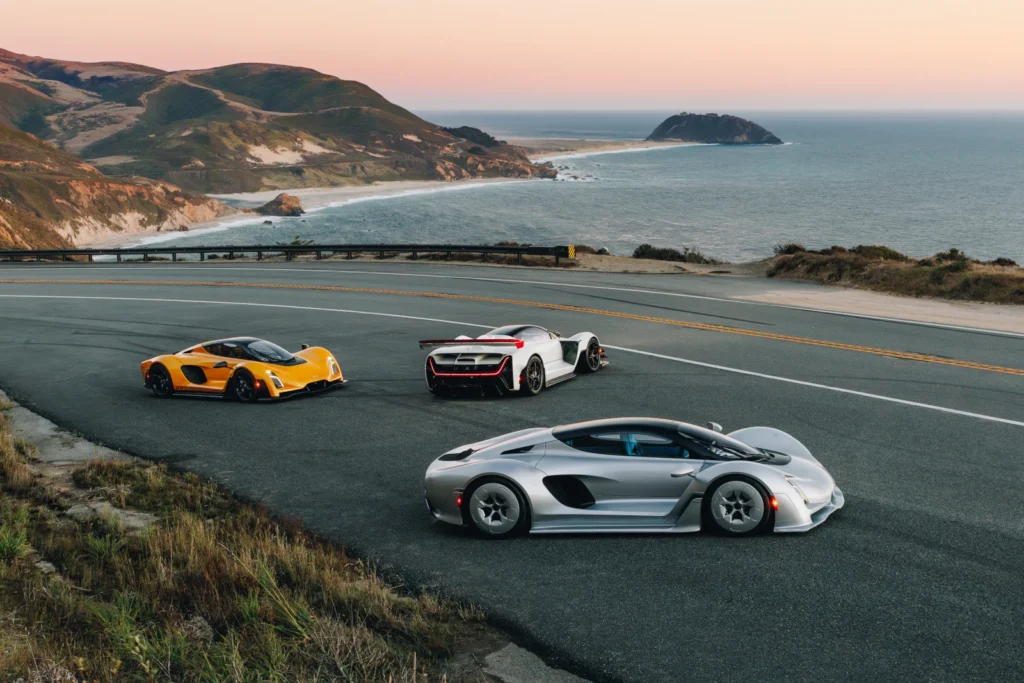
To be fair, hypercars are a new phenomenon. A few years back, the concept of a fast car with millions in its price-tag simply did not exist. That changed when Bugatti dropped its iconic Veyron in 2005. It was a landmark moment which unlocked a craze for cars which go beyond 1000bhp – drenched with exotic materials plus space age styling.
The beginnings
The Veyron in 2005 was priced at US$ 1.1 million, and the jet set flocked to get one. It became the ultimate billionaire accessory along with a private jet. That said, Bugatti famously lost dollars on every car. However, the first Veyron arguably started the hypercar movement which was first hinted at by the McLaren F1. The McLaren F1 came way earlier in 1992, with famous owners like Elon Musk, an engine bay lined with gold, and no expense spared in its detailing.
Unlike other supercars, the F1 was rare, fast, and hard to get, but the Veyron pushed this envelope further. Along with Bugatti, Koenigsegg and Pagani also burst onto the scene with their own hypercars. Both were not new though and had cars before Bugatti, but the popularity of the Veyron fuelled the success for Koenigsegg and Pagani.
The concept of a car costing millions and having so much power was something which appealed to billionaires as collectible hypercars grew in numbers. The buoyant market, in fact, is set to only grow. According to Precedence Research, the global hypercars market size was calculated at US$ 33.48 billion in 2025 and is predicted to increase from US$ 44.26 billion in 2026 to approximately US$ 459.46 billion by 2035, expanding at a CAGR of 29.94% from 2026 to 2035.
With Bugatti, as well as Pagani, selling more cars than what they can produce, it seems the market for extreme cars with sky high price tags is increasing.
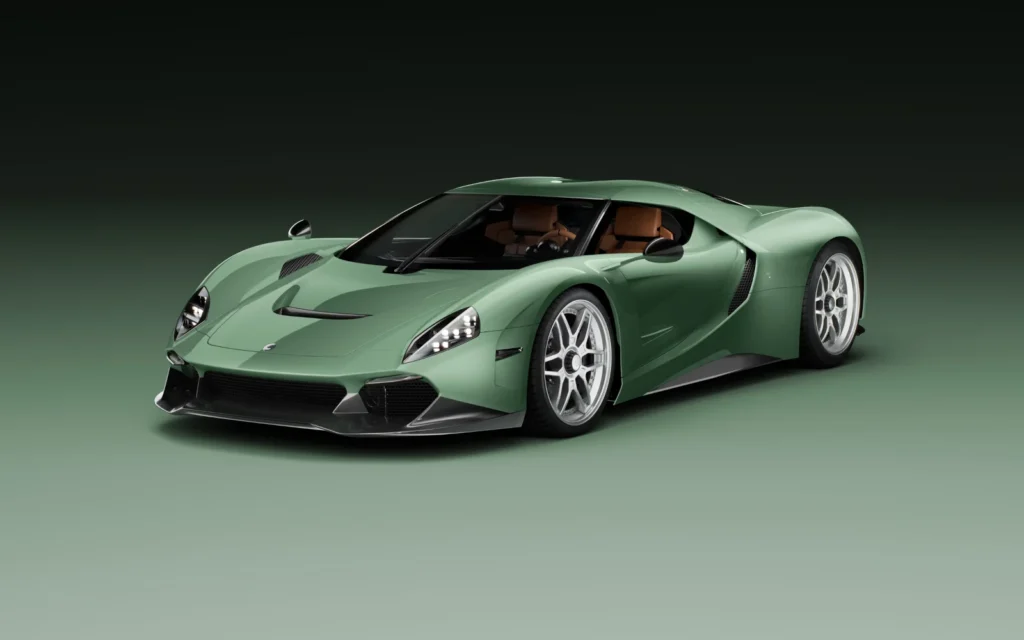
This is where the democratization of the hypercars industry becomes very interesting. These mind-boggling numbers are amplified by the entrance of a steady stream of new players coming in. There’s Czinger, Gordon Murray Automotive, Nilu27, Capricorn, plus Apollo, Zenvo, Dallara, Battista and lots more.
Many billionaire entrepreneurs were not afraid to try and engineer a hypercar which looks unlike anything else, in search of being the next Bugatti. With Bugatti, as well as Pagani, selling more cars than what they can produce, it seems the market for extreme cars with sky high price tags is increasing. Of course, ‘new’ markets like China are expanding the list of wealthy buyers who don’t mind splurging.
The rise
Not every new hypercar startup has been successful, with a few folding up or disappearing in an instant. However, newer players like Czinger and Gordon Murray Automotive have become successful owing to their efforts plus their engineering.
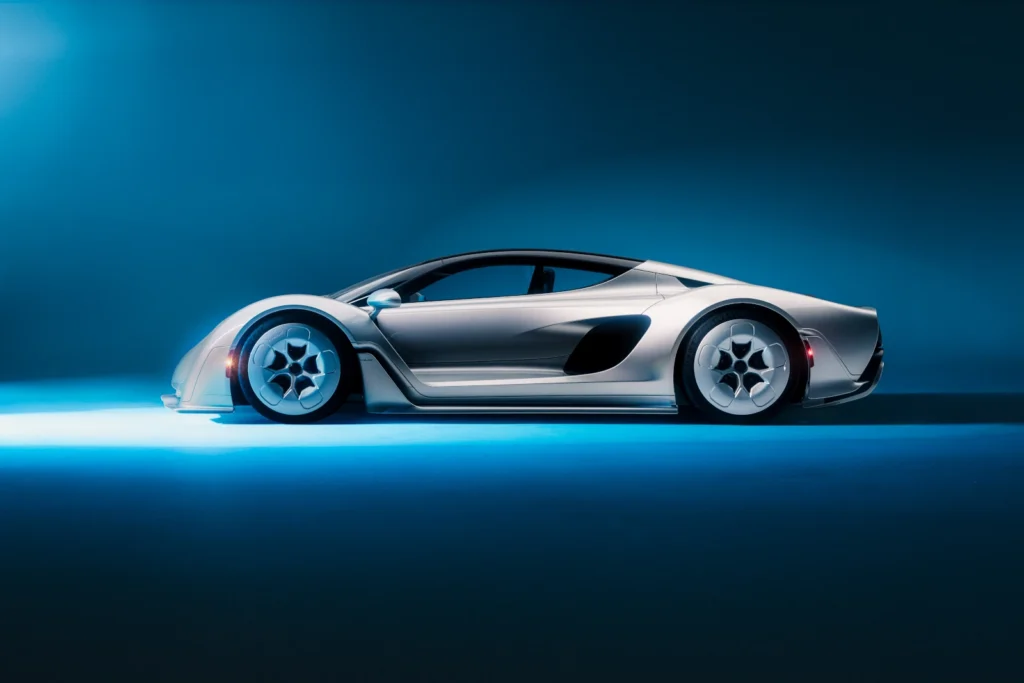
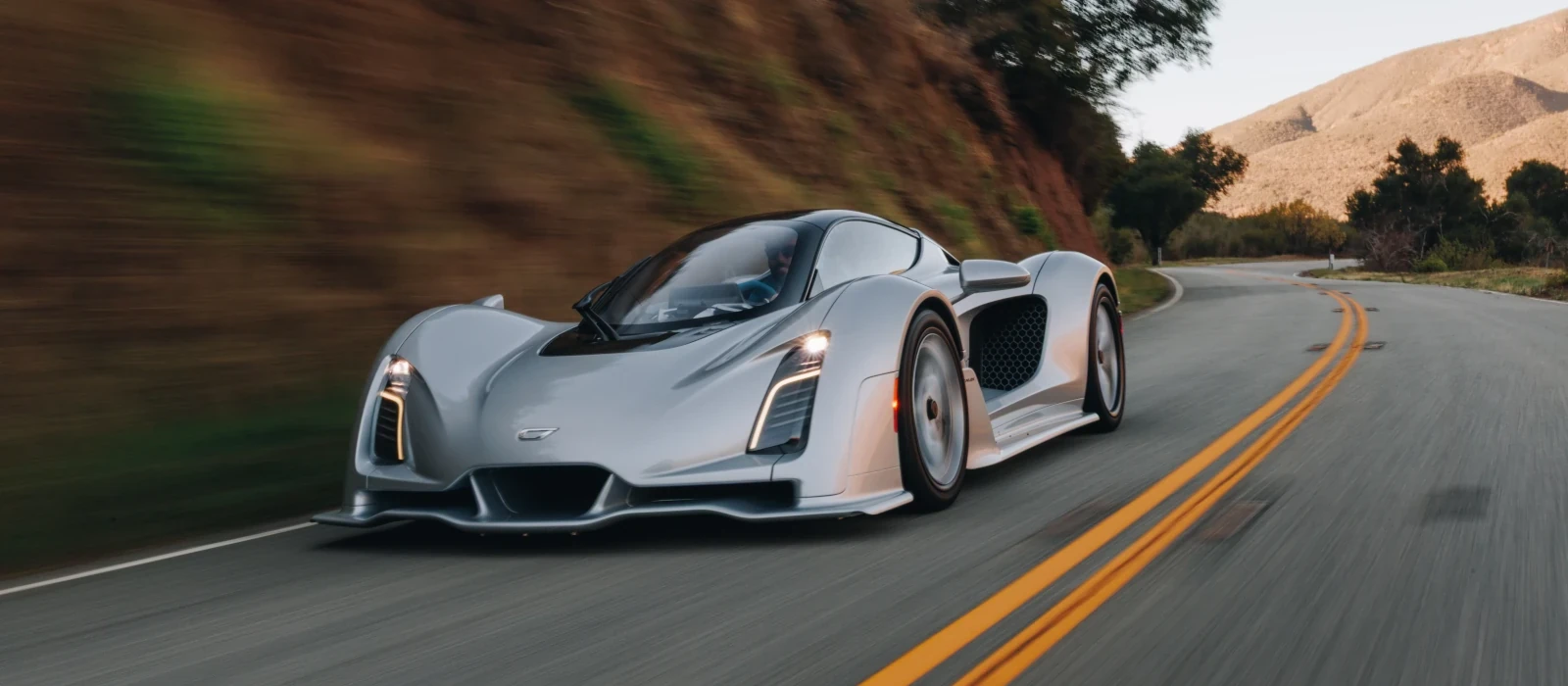
Kevin Czinger, a former Goldman Sachs executive, founded Czinger in 2019 with his son Lukas. “In a hypercar landscape that has started to feel homogenous, Lukas and Kevin Czinger wanted to create a vehicle that was truly unique…,” the team at Czinger said in an email interview. Their first creation has been the radical 21C which bears the usual hypercar attributes of space-age styling, exotic materials, and 1,250-hp. The price is US$ 2.35 million. But where the 21C stands out is the design accompanied by the innovation in its construction. You see, the 21C has many 3D printed parts; Czinger holds multiple patents; and the company uses “human-driven generative design” with a clear smearing of California science.
The 21C is the only American hypercar to be fully homologated and road-legal in all 50 U.S. states, having undergone more than 40 crash tests and extensive development to be compliant with even California’s ultra-strict emissions regulations.
Using 3D printed parts allowed layered benefits to Czinger. It allows Czinger’s engineers to iterate on designs significantly faster. Engineers can print a part, test it, change it, re-print, and test again. Further, Czinger is unconstrained by tooling and does not have to compromise performance for manufacturability; each additively manufactured part can be printed to the most optimal specifications. They could also combine multiple parts into one. For example, the engine mount is also a conduit for medium temperature coolant to run through.
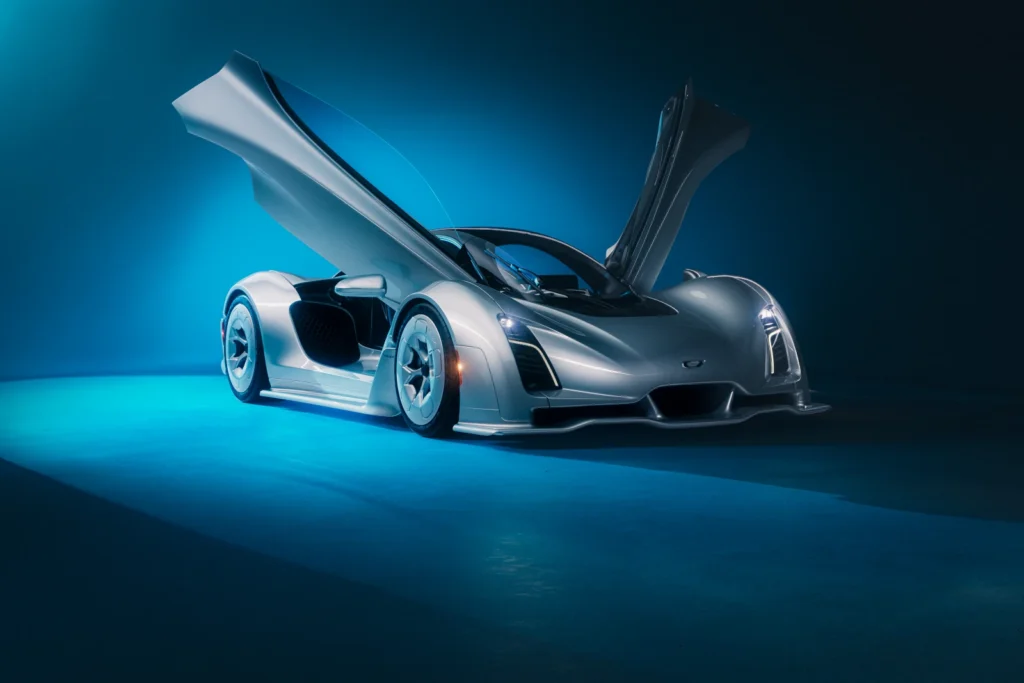
The team stresses, “Overall, the production methodology allows Czinger to minimize weight and part complexity while maximizing efficiency, keeping the 21C’s dry weight to just 3,520 pounds.”
The ‘1+1’ seating arrangement reminds you of a fighter jet plus the driving experience leans towards a more focused race car type feel unlike the Veyron. The 21C is the only American hypercar to be fully homologated and road-legal in all 50 U.S. states, having undergone more than 40 crash tests and extensive development to be compliant with even California’s ultra-strict emissions regulations. On track, the 21C High-Downforce holds production car lap records at numerous circuits, including Laguna Seca and Circuit of the Americas – but without compromising on-road usability. “There is no show-and-display requirement, no need to use headphones and a microphone to communicate with your passenger, and there’s even Apple CarPlay,” the team mentions.
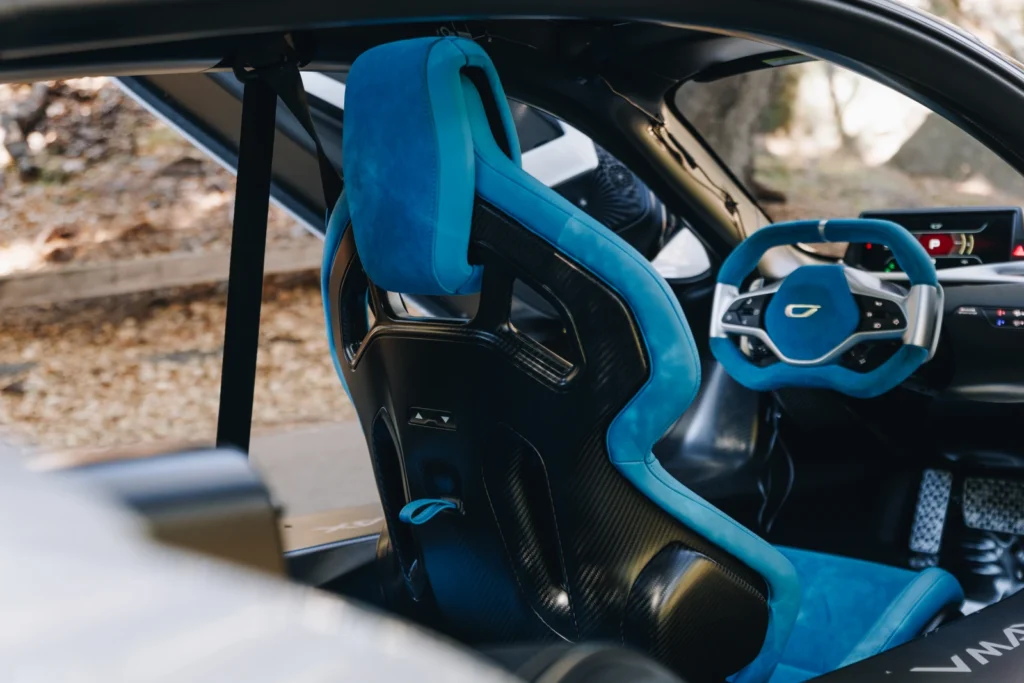
Only 80 21Cs are being made, but Czinger has bigger ambitions of being the biggest American performance car company, while creating its own niche in this hyper competitive space. The first 20 21Cs have been delivered.
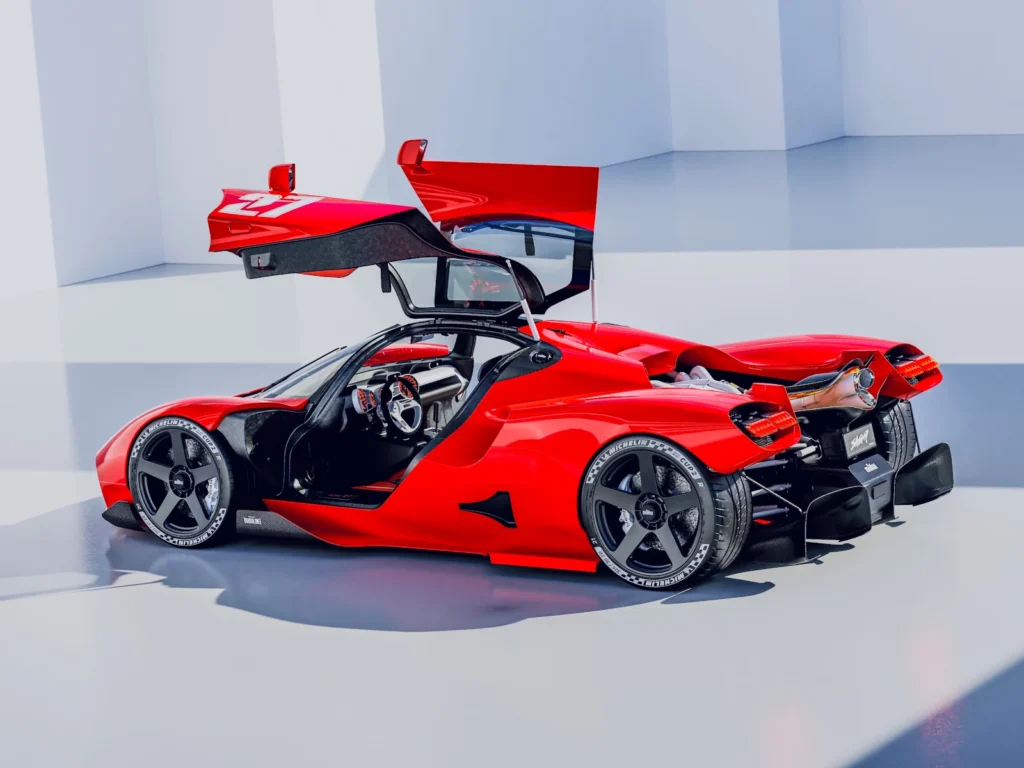
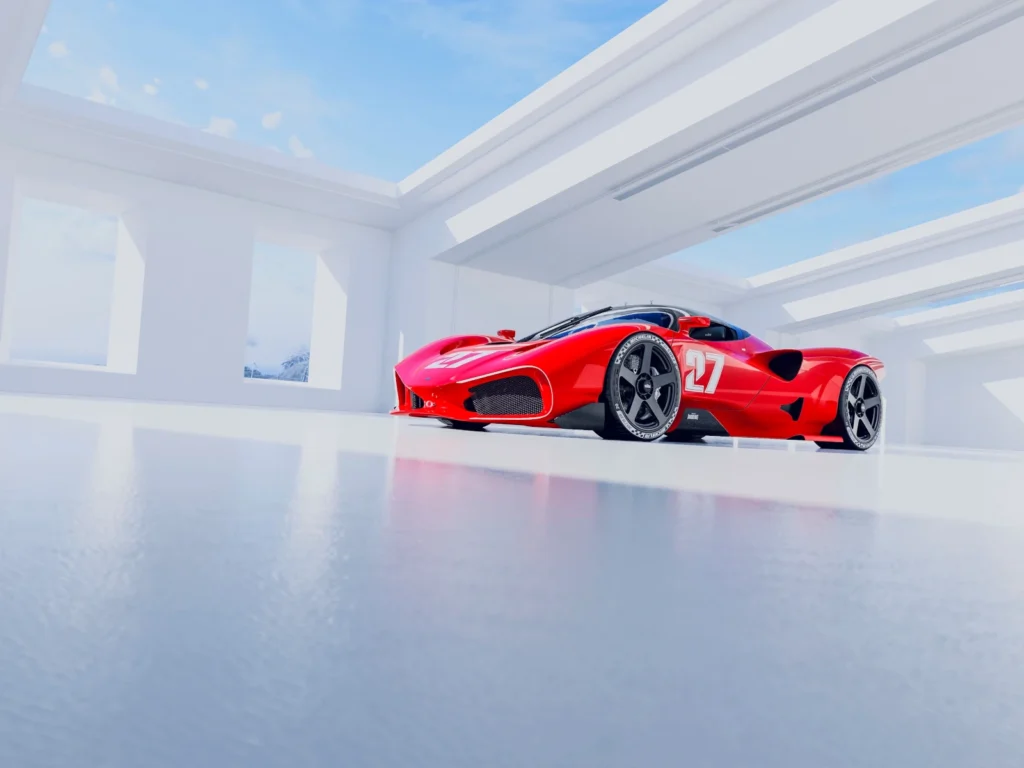
Nilu27, started in 2024, aims to bring the “holy s***” factor back into hypercars. Take it from co-owner Sasha Selipanov, who is an ex-Bugatti, ex-Lamborghini and ex-Koenigsegg. That’s quite a resume! What makes Nilu27 different is that it’s adamant to be analog, sans any digitalization. Not even touchscreens.
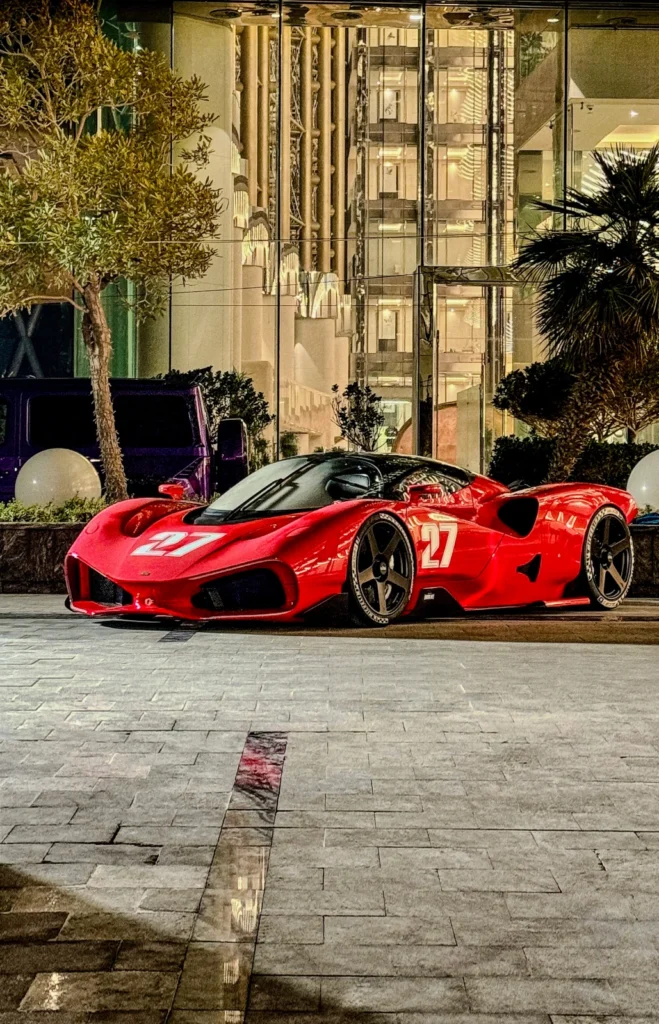
In an email statement, Nilu27’s PR team emphasized: “Removing the digital layer between driver and machine is our engineering and philosophical goal. A naturally aspirated engine with 12 individual throttle bodies responding to throttle input in real time, with minimum software mediating the relationship between right foot and combustion. You feel where you are in the performance envelope because the car tells you directly, through the steering, the pedals, the g-forces, the sound. Those are more honest and far more emotionally rewarding communication channels than any screen or digital interface.”
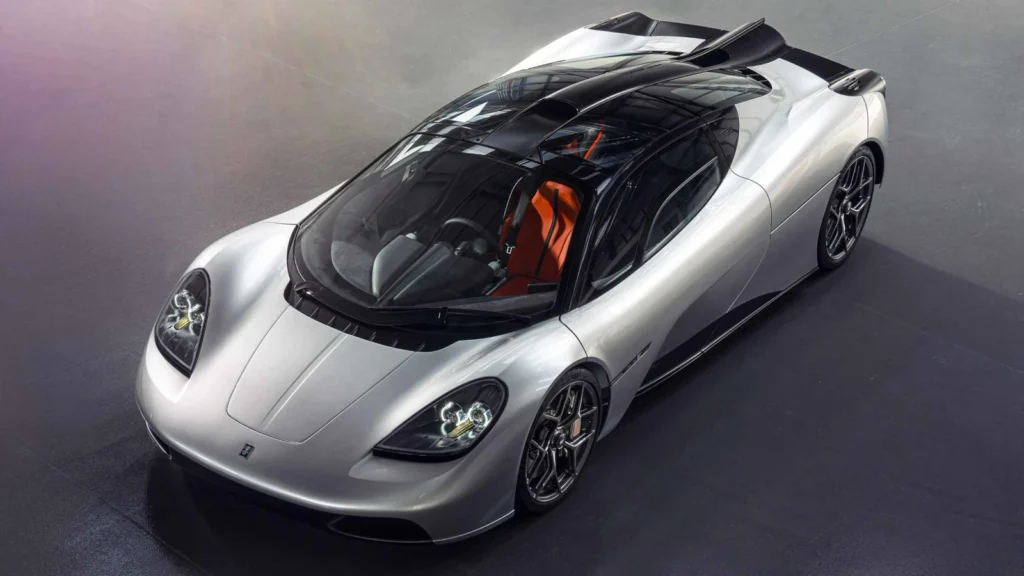
Gordon Murray Automotive (GMA) is also wilfully analogue and built on the obsessive attention to detail that its founder Gordon Murray showers on its cars. Gordon Murray, the father of the McLaren F1, built his own hypercar company with a keen eye to stand out amongst his peers. His cars are built for the pure passion of driving. Weight is crucial and needless power is shrugged off.
Nilu27 is not competing for market share. It is making a specific argument about what a driver’s car should be, and finding customers who share that conviction.
The engineering and detailing are stunning in its cars, but it’s the manual gearbox along with a simpler approach towards driving that has given it a gloriously analogue character in a power-obsessed world. Founded in 2017, GMA’s first car was T.50. The 3.9 litre Cosworth V12 engine was the key talking point, and a lot of the customers were former F1 owners. Now, the company has launched other cars below the T.50 while clearly focusing on the analogue attributes of a hypercar.
The market today
What we have mentioned here is just the tip of the iceberg. There are more hypercars and brands coming in as we speak. Being a niche category with a limited number of buyers, it makes you think whether the market is over-burgeoning now. The Czinger team coolly says, “In any market, there is room for the innovator.”
The PR team at Nilu27 also denies that the market is over-bursting. In fact, they think that the market lacks much. They say: “The hypercar segment has never been short of ambitious players. What it has become short of is conviction. Most entrants are competing on horsepower figures, lap times or technology showcase, and many are converging on similar answers: hybrid or electric powertrains, active aerodynamics, digital cockpits…Nilu27 is not competing for market share. It is making a specific argument about what a driver’s car should be, and finding customers who share that conviction.”
There is enough space for these new entrants to jostle with the bigger legacy brands as clearly there is a growing clientele of wealthy buyers flocking to own something unique and powerful. The hypercar has come of age!
………………………………..
With inputs by Soumya Jain Agarwal.