
The fashion world of the 80s and 90s was a stage where advertising didn’t simply showcase clothes – it defined cultural moods, shaped beauty ideals, and created some of the most unforgettable images in luxury history. Campaigns were daring, sensual, artistic, and often provocative in a way that feels almost impossible today. Back then, luxury brands were not afraid of controversy; they were driven by pure creative ambition.
But in 2026, fashion finds itself in a more cautious world governed by instant digital reactions, heightened sensitivity, and the need to please a global audience. Has fashion lost its ability to be fearless? Or has boldness simply evolved?
That time when fashion campaigns changed culture
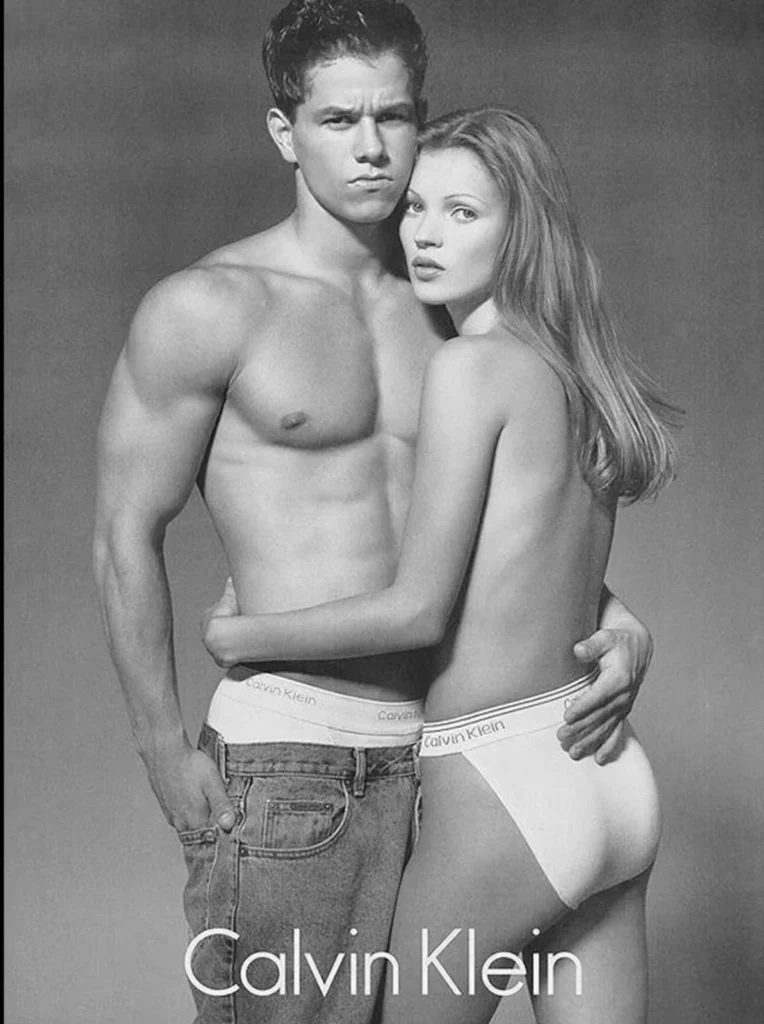
To understand why the 90s were so powerful, it’s useful to return to one of the most iconic moments in fashion advertising: the 1992 Calvin Klein campaign featuring Kate Moss and Mark Wahlberg. Inside the CK studio, photographer Fabien Baron was preparing for a shoot that was intended to feel minimal and modern. Moss, barely 18, had already captured the imagination of the industry with her raw, untouched beauty. Wahlberg, then known as Marky Mark, represented the new era of masculine confidence – a blend of athleticism, attitude, and boyish charm.
Carolyn Bessette, who quietly shaped the brand’s communication strategy long before she became a global style icon, observed from the background. She preferred simplicity over loud glamour, and her influence helped define the clean, confident language of Calvin Klein.
Then came the unplanned moment: Wahlberg pulled down his jeans just enough to reveal the waistband of his Calvin Klein underwear. It was instinctive, bold, and almost careless in its confidence. Baron clicked at the right moment. That photograph – raw, bold, and undeniably sensual became a defining image of the decade. It also captured something important – the freedom the industry once had to take risks.
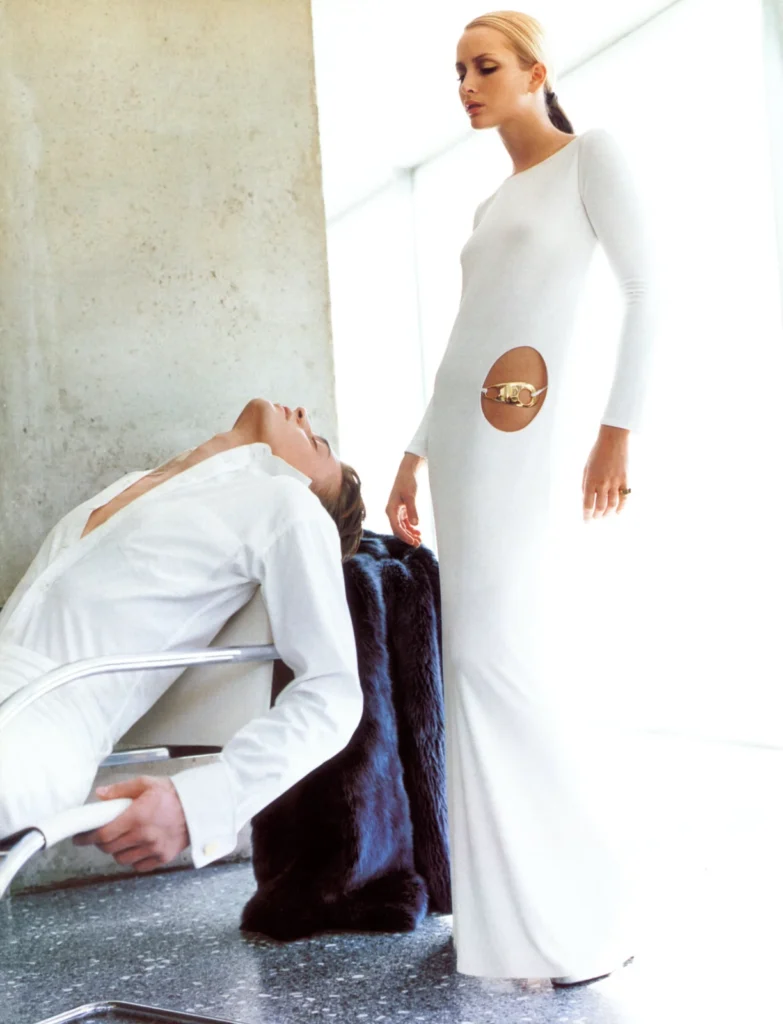
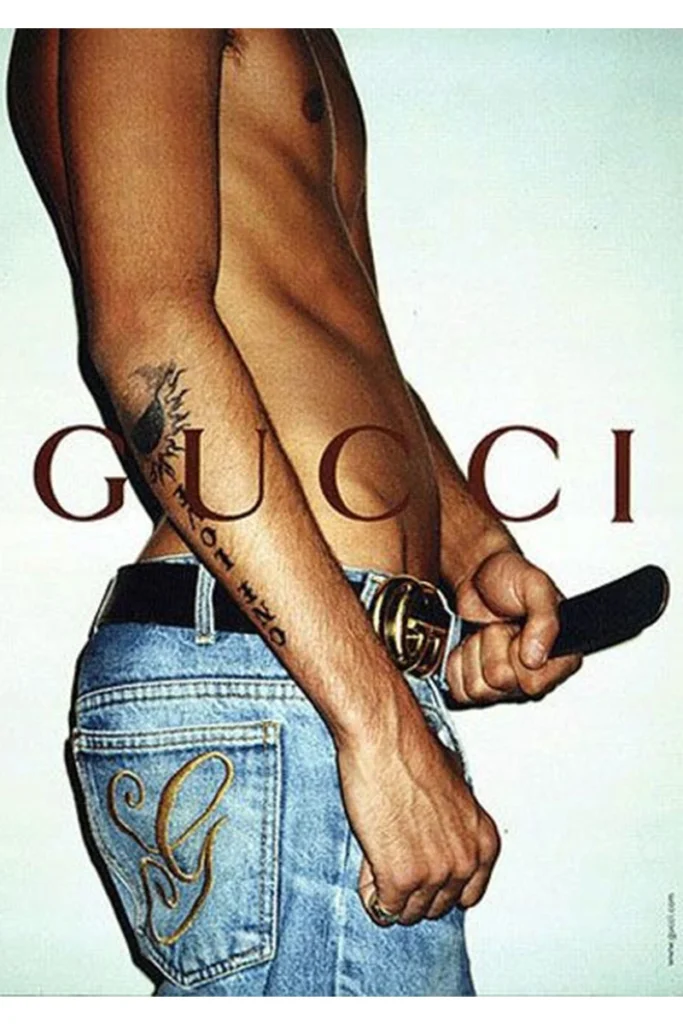
This period was led by image-makers who didn’t fear public reaction. Steven Meisel, Steven Klein, Mario Testino, and Baron himself created visuals that blended sensuality with story. They weren’t afraid of realism, emotion, or the human body. Tom Ford’s Gucci campaigns pushed eroticism to new heights, reinventing the house and setting the tone for what luxury could look like. Yves Saint Laurent’s Opium visuals were equally striking – bold, artistic, and unapologetic.
Even in India, the 1995 Tuff Shoes ad starring Milind Soman and Madhu Sapre posing nude with a python challenged how far advertising could go. What created outrage then is now seen as a landmark in Indian fashion imagery. Time often reveals intention more clearly than the moment itself.
View this post on Instagram
Luxury and fashion business strategist David M. Watts, based out of London, explains why these campaigns were possible: “It was an era when print media and fashion editorials were the only real drivers.” Without the constant surveillance of social media, fashion could take risks, allow audiences to sit with an idea, and shape perception over time.
The gentle decline of fearlessness
The shift away from boldness didn’t happen because designers lost their creativity. It happened because the world around them changed. With the rise of digital platforms, the audience expanded and so did the potential for instant backlash.
Fashion and luxury commentator Manish Mishra, based out of Delhi, India, summarises this neatly: “Today, even a slight provocation can lead to major controversies.” One misunderstood visual can trigger global conversations within minutes, pulling brands into debates that once stayed within niche communities.
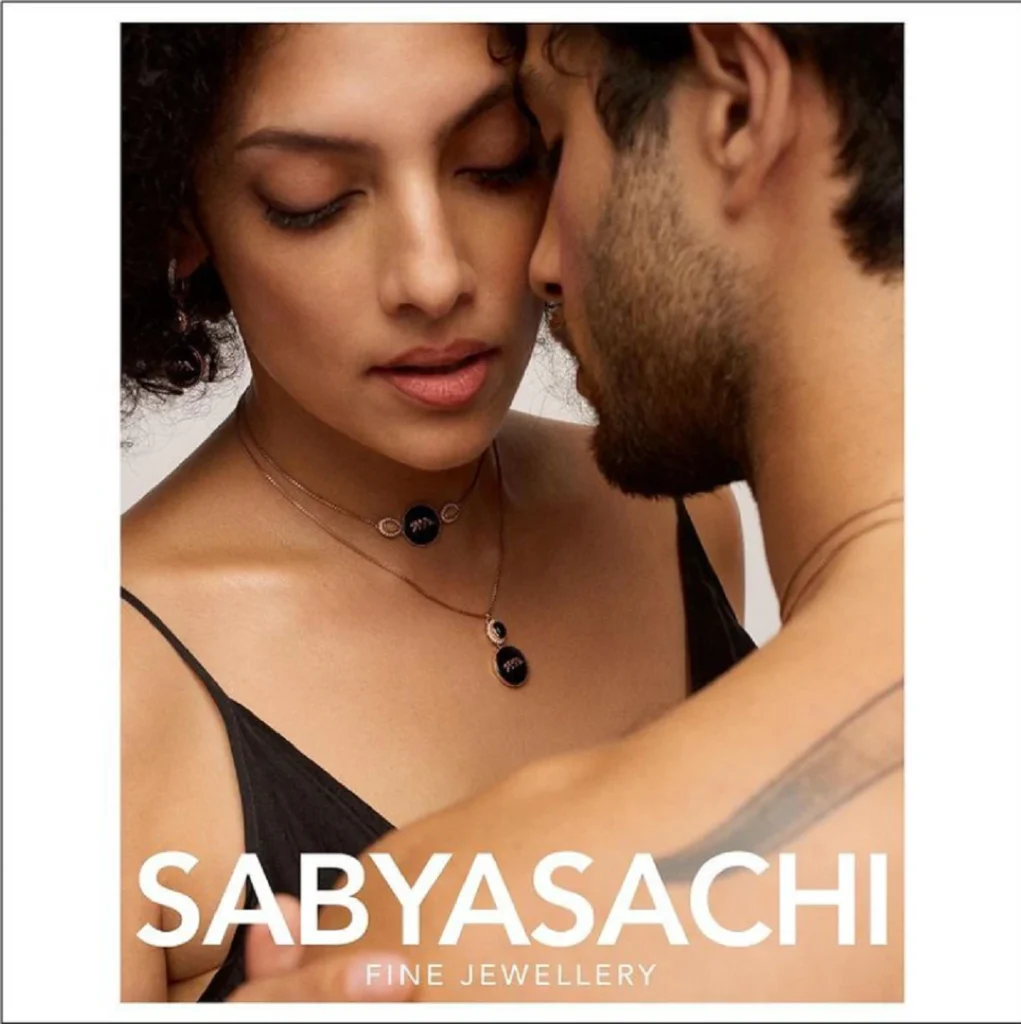
This sensitivity is not abstract, it plays out in real time. In India, even established luxury brands are learning to navigate it carefully. Sabyasachi Mukherjee, known for his distinct visual language and cultural storytelling, has faced backlash for campaigns that reinterpret traditional symbols through a more contemporary, and at times sensual, lens. His mangalsutra campaign, for instance, sparked widespread debate, while subsequent campaigns featuring more intimate portrayals of couples have also drawn criticism, illustrating how quickly creative intent can be reframed as controversy today. What might once have been seen as bold or progressive is now often met with immediate reaction.
But Watts believes sensitivity is not the only factor. The biggest pressure, he says, is speed. Creativity is a slow, delicate process. It needs time to develop, evolve, and refine ideas. But in the digital era, brands are expected to produce new content constantly to stay in the feed, to remain part of the conversation. “The industry has become obsessed with speed,” he says, “and speed kills originality.”
When content must be produced quickly, the safest route becomes the default. Brands avoid everything that could be misread, misunderstood, or questioned. As a result, much of fashion advertising feels flatter, more predictable, and often stripped of personality.
Changing consumer expectations
The modern luxury audience is not the same as the audience of the 90s. Today’s consumers value representation, diversity, sustainability, and cultural awareness. They expect fashion to show real people, real bodies, and real stories. Sensuality itself has evolved; it is no longer just about physical exposure but emotional depth and authenticity.
Fashion is speaking to a global audience now. A single campaign must resonate with viewers in Paris, New York, Mumbai, Seoul, and Dubai each with its own cultural understanding of beauty, modesty, and expression.
Mishra explains that brands like Gucci, even under new creative leadership, still embrace sensuality but frame it through inclusivity. Anthony Vaccarello’s Saint Laurent remains bold, but its eroticism is now expressed through form, shadow, texture, and emotion rather than shock. The message is intentional, not controversial.
Fashion is speaking to a global audience now. A single campaign must resonate with viewers in Paris, New York, Mumbai, Seoul, and Dubai each with its own cultural understanding of beauty, modesty, and expression. What feels empowering in one region may feel disrespectful in another. This diversity is beautiful, but it also sets limits on how far brands can go.
So, can fashion still be bold?
Surprisingly, yes, if boldness is understood differently. The bold campaigns of the 80s and 90s were not powerful simply because they exposed skin or flirted with taboo. They were powerful because they had a point of view. They were crafted with conviction. They reflected the times and dared to say something new.
…boldness doesn’t need to be loud. It can be subtle, poetic, intellectual.
Watts argues that the real missing element today is “authorship.” Many brands struggle with a cohesive narrative. They are unsure what story they want to tell, and without that clarity, boldness becomes empty. A striking image means nothing without intention.
But when a brand has confidence in its identity and message, boldness doesn’t need to be loud. It can be subtle, poetic, intellectual. It can come from the choice of model, the styling, the set design, the narrative, or even the silence between elements.
What boldness means in 2026
Today’s boldness is more thoughtful. More emotional. More meaningful. It does not rely on shock value but on originality and emotional truth. A bold campaign in 2026 could be a quiet portrait that reveals vulnerability, casting an unexpected face who breaks stereotypes, imagery that celebrates diversity without making it a token, a narrative that is artistic rather than sensational, a visual concept that disrupts norms in subtle ways.
Boldness today isn’t linked to high budgets. Some of the most memorable images come from small teams with strong ideas.

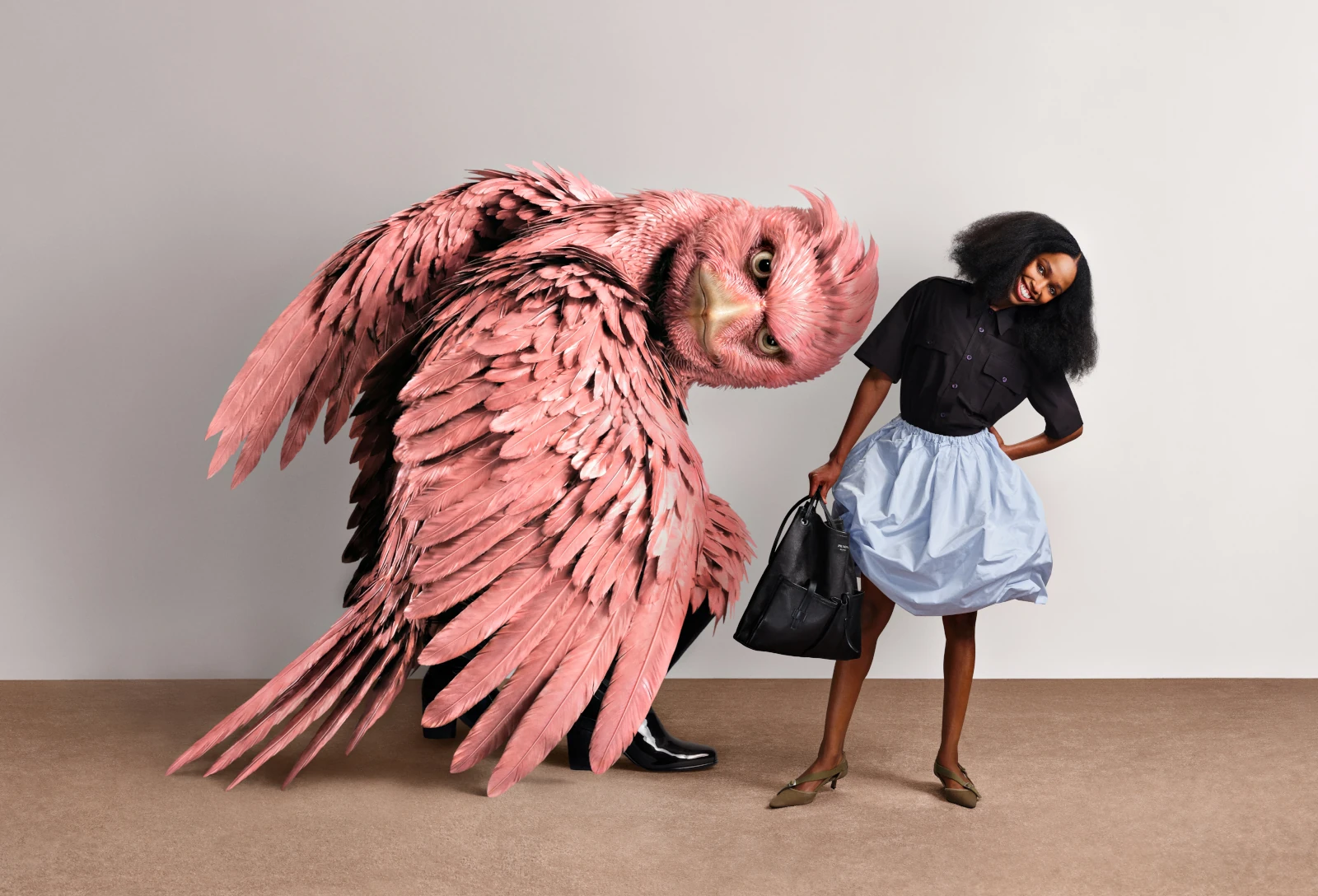
Prada’s latest Spring-Summer 2026 campaign, where celebrities are standing next to otherworldly creatures, is perhaps an example of boldness. Created using AI by artist Jordan Wolfson, the campaign has evoked quite extreme reactions at the moment, but may just be the defining moment of tomorrow.
Jacquemus has particularly melted hearts with a recent campaign for the Valérie handbag. Not only is the bag named after his late mother, but in the campaign casts actress Charlotte Le Bon in the reflection of his mother – showing an original, messy side of motherhood. It reflects the core authenticity of the brand which Simon Porte Jacquemus had started as an ode to his mother.
In India, brands like Sabyasachi, Gaurav Gupta, and Rahul Mishra reflect this evolved approach. Their work celebrates the Indian identity, feminine strength, craft, and emotion as shared by Mishra. From Sabya’s low-cut blouses to Gupta’s sensually charged sculpted creations – Indian luxury is steeped in tasteful sensuality and cerebral sexiness. Their boldness lies in staying authentic, not controversial.
View this post on Instagram
Boldness is still alive
Before the digital age, a controversial campaign could actually make a brand more desirable. Today, it can cause serious financial and reputational damage. But that doesn’t mean fashion must become timid.
The iconic Moss–Wahlberg image is remembered not because it was provocative or shocking by today’s standards but because it captured a truth about the 90s. It felt honest. It felt real. It reflected the mood of its time. But the recent Sydney Sweeney ads for American Eagle and Jeremy Allen White ads for Calvin Klein were seen as mediocre copies of the successful campaigns from 1990s.
Boldness is no longer about shock – it’s about storytelling.
The future belongs to brands that embrace their own truths – ones that communicate with clarity, originality, and confidence. Brands that are willing to take risks, not for attention, but for meaning. Boldness is no longer about shock – it’s about storytelling. Fashion has not lost its courage, it has simply learned to express it differently.
In a world crowded with fast visuals and fleeting trends, brands that will define this decade are those that dare to be sincere, intelligent, and unapologetically themselves.