
Ask any serious collector what they changed last on their watch, and the answer is rarely the watch itself. It is the strap. Somewhere in the past few years, the band that holds a timepiece to the wrist stopped being an afterthought and became the fastest and most personal way to make a familiar watch feel new again.
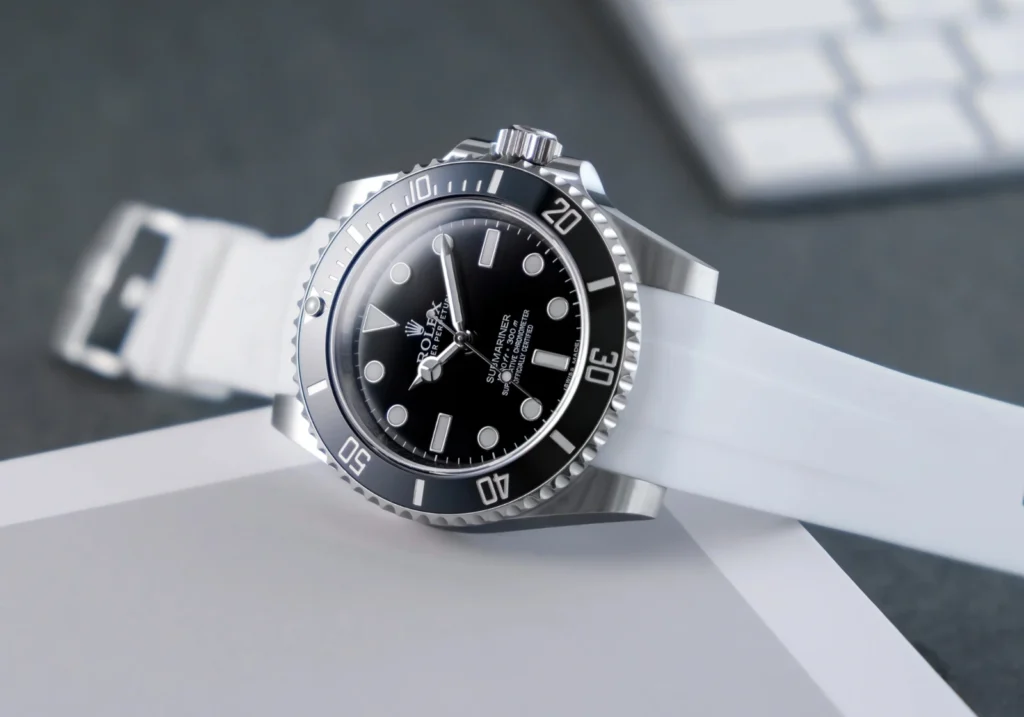
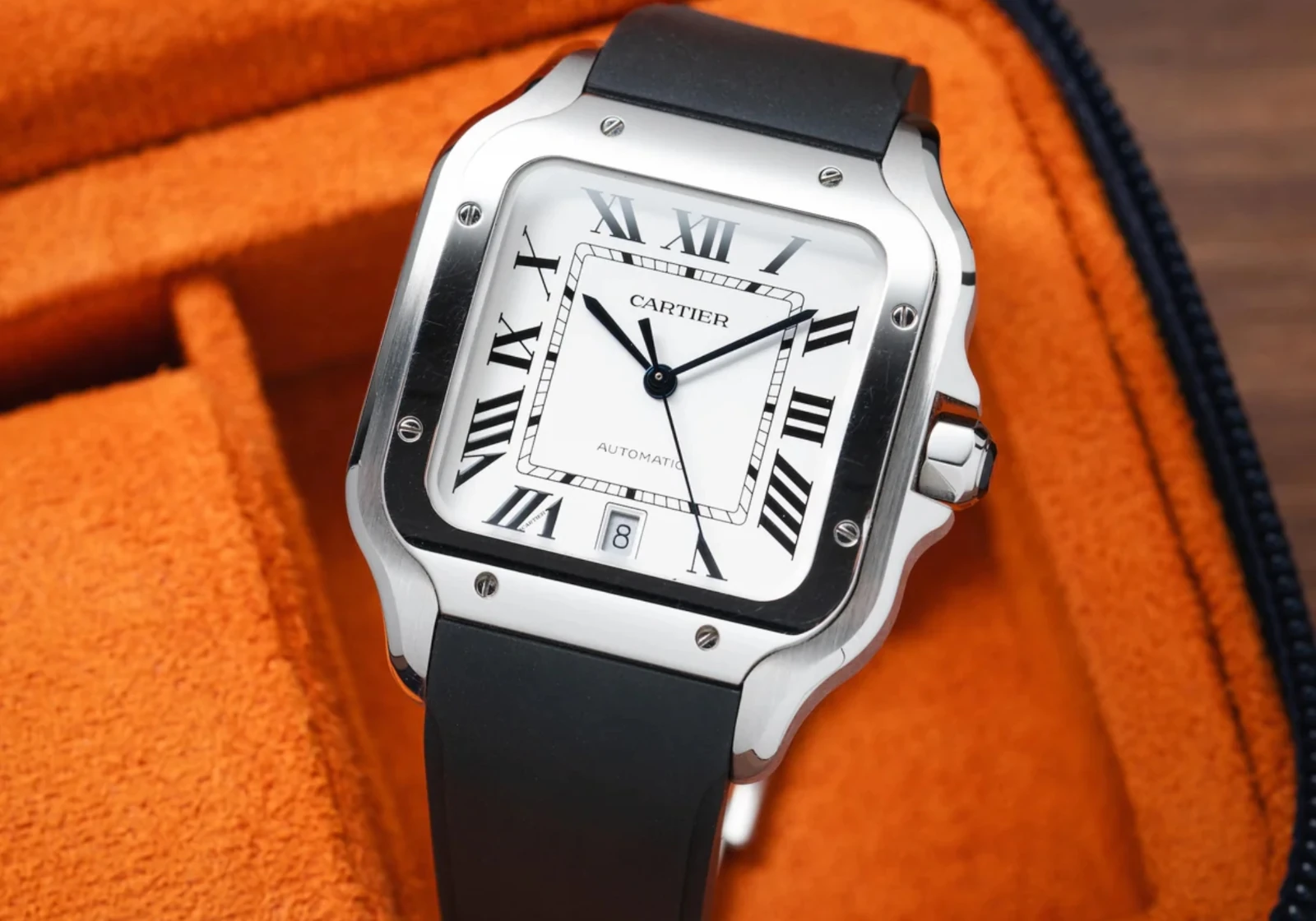
The logic is hard to argue with. A second watch costs thousands. A second strap costs a fraction of that and changes the entire character of the piece. The same steel sports model can read as a boardroom watch on black alligator on Monday and a weekend watch on bright vulcanised rubber by Saturday. Nothing else in a collection offers that kind of return for the money.
A quiet shift in how watches are worn
For decades, the bracelet or strap a watch shipped with was simply the strap you wore. Changing it felt almost disloyal, as though you were second-guessing the people who designed the thing. That attitude has largely dissolved. Younger buyers, in particular, treat their watches the way they treat the rest of their wardrobe — something to be styled, rotated and adapted to the occasion rather than left untouched.
There is also a practical, slightly unglamorous reason behind the trend: preservation. Owners of sought-after sports models have realised that wearing the original bracelet every day is the surest way to scratch and stretch it. Slipping on an aftermarket strap and locking the factory bracelet away in its box keeps that bracelet pristine — and, when the time comes to sell, an unworn original is worth a great deal to the next owner. The strap, in other words, is partly an insurance policy.
Material matters more than people expect
The first thing anyone discovers when they start looking is that “rubber strap” covers an enormous range of quality. The pieces worth owning tend to be made from FKM, a vulcanised fluoroelastomer prized for shrugging off sweat, sunscreen, salt water and heat without going sticky or fading. It feels dense and slightly soft, it does not smell, and it lasts. Cheaper silicone bands attract dust and lint within a week; good FKM rubber simply gets on with the job.
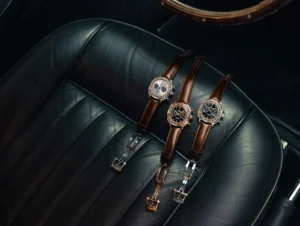
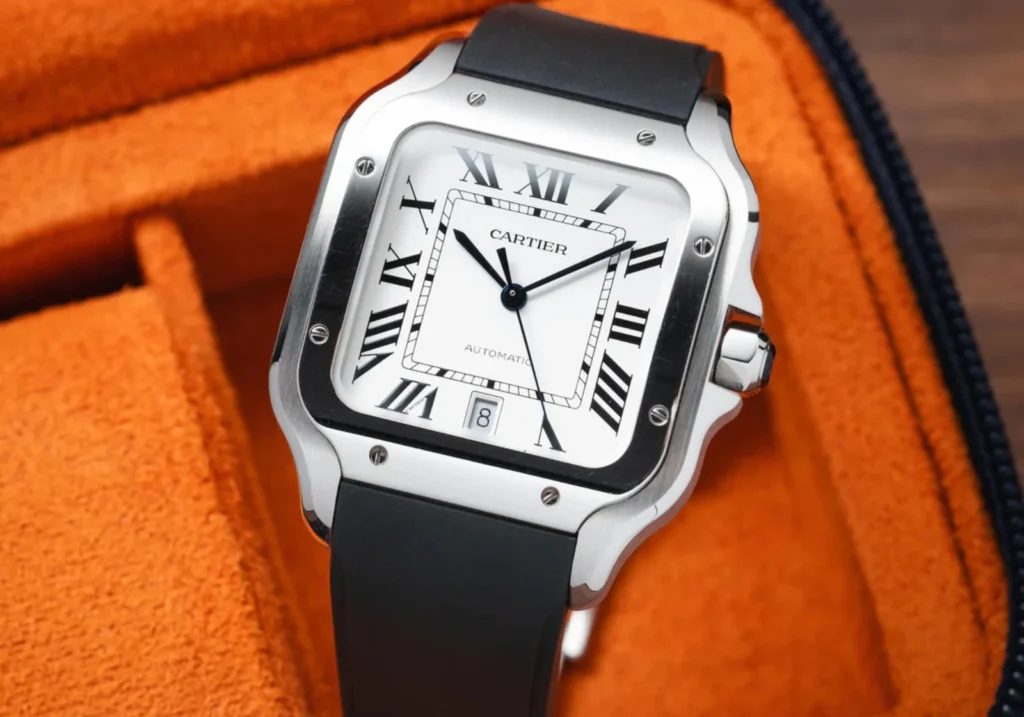
Leather sits at the other end of the mood spectrum. A fine calfskin or alligator strap turns a tool watch into something you would happily wear with a suit, and exotics such as ostrich or sail-inspired textile straps add texture that metal never can. The trade-off is that leather and water are old enemies, so most collectors keep a leather strap for dry days and reach for rubber when summer or the sea is involved. Many end up owning several and switching with the seasons.
Fit is the part most people get wrong
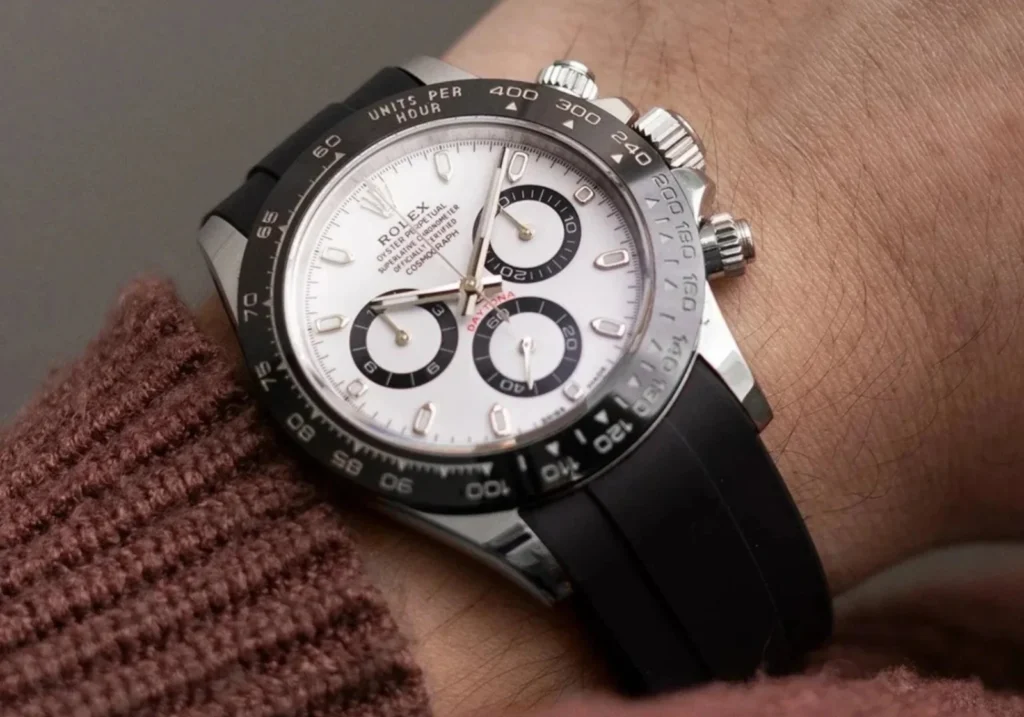
Here is where good intentions often come undone. A strap is not simply a question of lug width in millimetres. The best ones are cut to the specific watch they are meant for, with curved ends that hug an integrated case rather than leaving an ugly gap, and with a buckle or clasp that matches the original hardware. Buy a generic 20mm band for a watch designed around a flowing case profile and it will look exactly like what it is — an approximation.
This is precisely the gap that specialist makers have built their businesses on. A Helvetus watch strap, for example, is engineered around a particular reference rather than a rough size, so the rubber flows into the case line the way the factory bracelet does, and it can usually be paired with the watch’s own clasp. That attention to the join between strap and case is the difference between a watch that looks customised and one that looks compromised.
Choosing well
If you are buying your first replacement strap, a few habits will save you disappointment. Match the strap to the exact model and reference number, not just the brand, because case shapes vary even within a single family. Decide early whether you want the strap to use your existing buckle or come with its own. Favour FKM over silicone for anything you intend to wear hard. And pay attention to the small print most shoppers ignore — a sensible returns window and a meaningful warranty are good signs that a maker stands behind the product.
Rolex owners, unsurprisingly, are among the most active in this market, and the better specialists treat them accordingly. A dedicated Rolex watch strap cut for the Submariner, Daytona, GMT-Master or Datejust will follow the precise curve of the Oyster case, which is exactly the detail that separates a strap that belongs on the watch from one that merely fits it. It is worth remembering that these are aftermarket pieces, made independently of the watch houses rather than sold by them — which is part of why the choice of colour, texture and material is so much wider than anything offered at the boutique.
The real appeal
Strip away the practicalities and what remains is simpler: variety. The same watch, worn ten different ways, keeps a collection interesting without expanding it. For anyone who loves their watch but has grown a little tired of seeing it the same way every morning, the answer was on their wrist all along. They just needed to change the strap.