
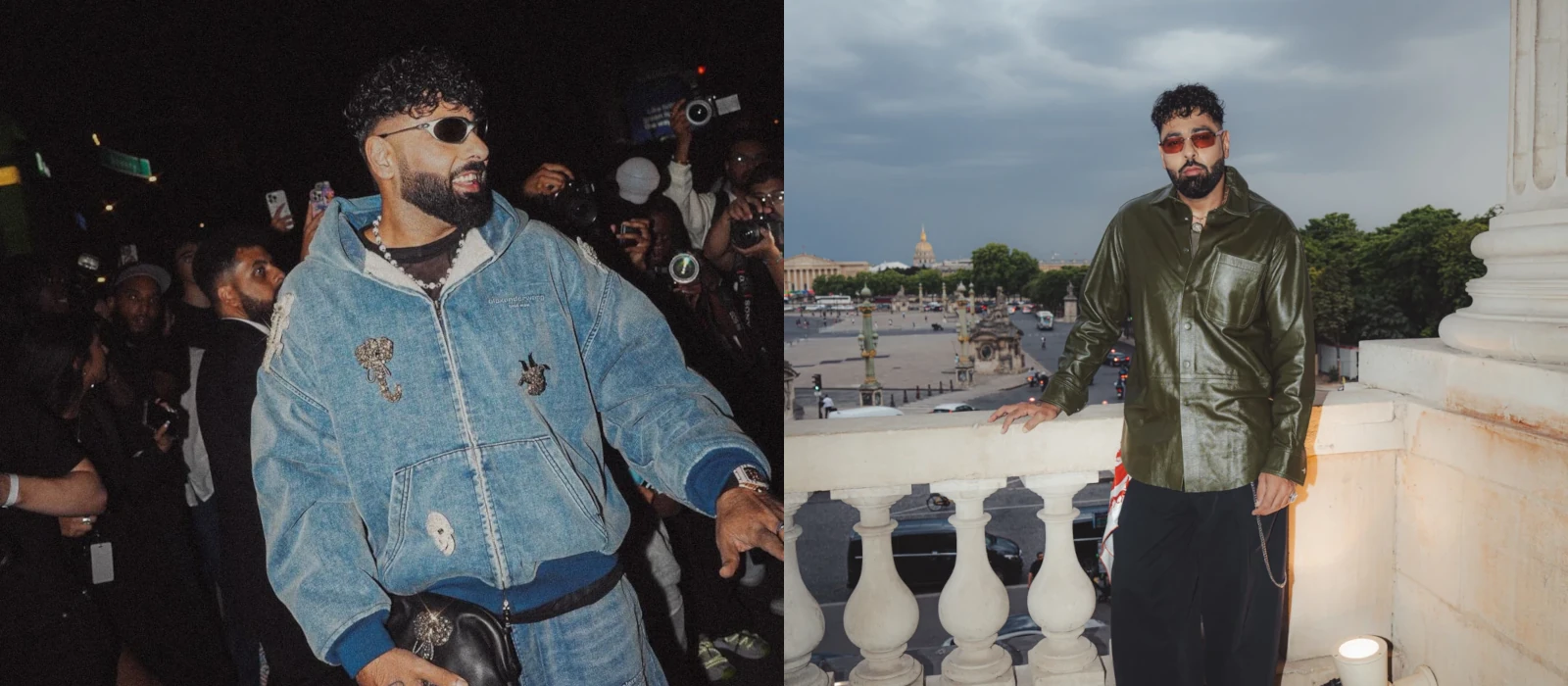
Luxury has always been selective about who it allows into its inner circle. But when Indian rapper and singer Badshah appears alongside global luxury houses, collaborating with Maybach Icons of Luxury, stepping into Christian Louboutin’s world, buying Rolls-Royce, and increasingly occupying front-row, campaign and cultural moments within the India and international luxury ecosystem, it signals something far more consequential than coincidence.
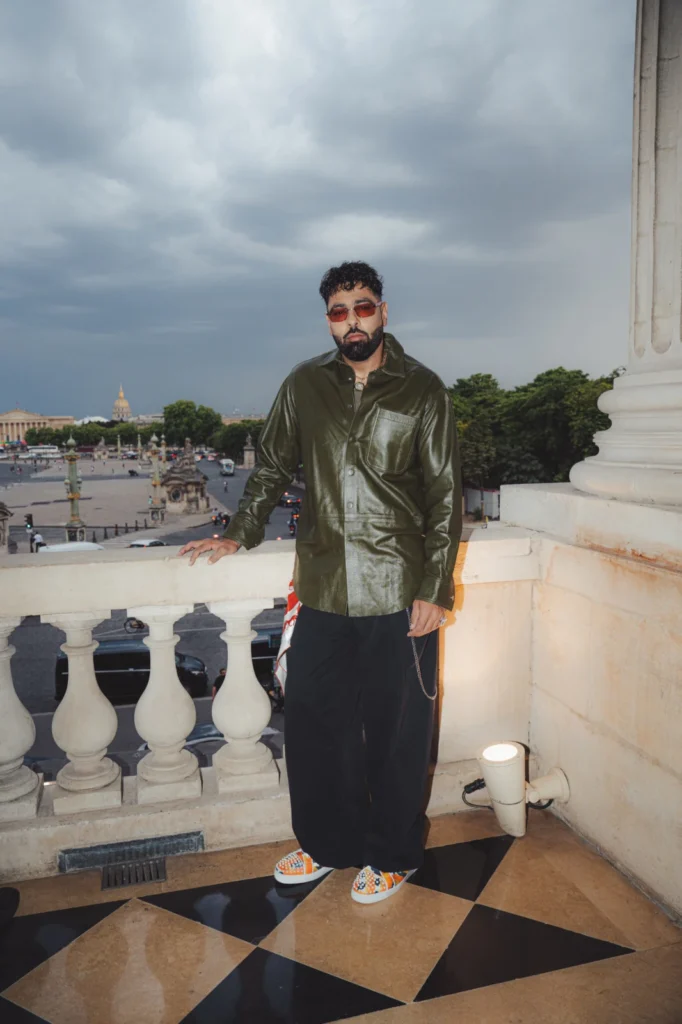
These are not isolated brand moments, nor are they geographically confined. They reflect a broader adjustment underway within global luxury – a shift from lineage to cultural authority, from inherited status to influence earned through relevance, reach and resonance. Badshah’s growing presence across fashion, automotive and luxury lifestyle spaces is symbolic of this transition – where artists shaped by popular culture are no longer additional to luxury narratives, but central to them.
In an era where luxury brands are rethinking how aspiration is built and sustained, Badshah is emerging as a new voice that connects culture, creativity, and luxury in a fresh, contemporary way. Self-made, globally fluent and culturally confident, he represents a generation that luxury houses are increasingly keen to engage not just as consumers, but as co-authors of modern luxury culture.
From pop culture to cultural authority
Badshah’s cultural reach extends far beyond music. As a global-facing artist with a presence that spans continents, platforms and audiences, he occupies a space that luxury brands are actively seeking to engage with where culture, commerce and aspiration intersect.
“He embodies confidence, individuality and global fluency,” Gupta adds. “These are attributes that resonate with premium consumers.”
Indian luxury strategist Abhay Gupta frames this shift briefly. “Badshah represents the new grammar of aspiration – unapologetic, self-made and culturally transversal,” he notes. “This is precisely what modern luxury brands are responding to. They are no longer looking only at heritage; they are looking at who can move culture.”
Globally, luxury maisons are increasingly partnering with figures who act as cultural catalysts – individuals capable of shaping conversations rather than merely reflecting them. For brands like Maybach or Christian Louboutin, Badshah offers both reach and relevance: a rare combination in an oversaturated celebrity economy.
“He embodies confidence, individuality and global fluency,” Gupta adds. “These are attributes that resonate with premium consumers.”
Why legacy luxury is embracing contemporary voices
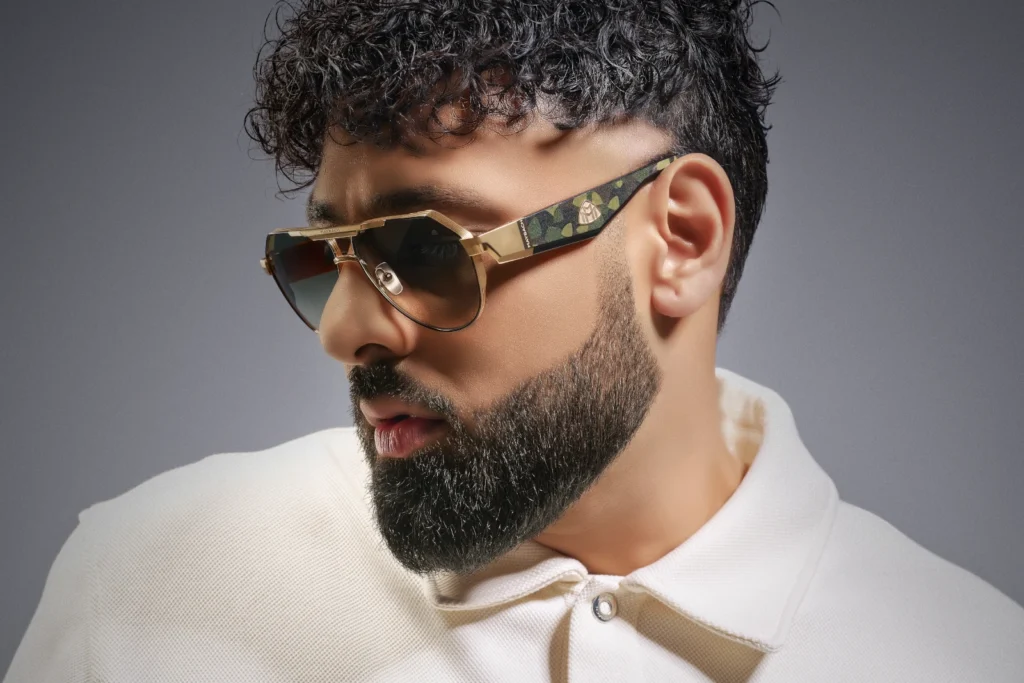
Luxury’s evolution is not about abandoning heritage, but about contextualising it within contemporary culture. Ronak Sheth, Director at Eternity Lifestyles Pvt. Ltd., which represents Maybach Icons of Luxury in India, sees Badshah as an organic extension of this philosophy.
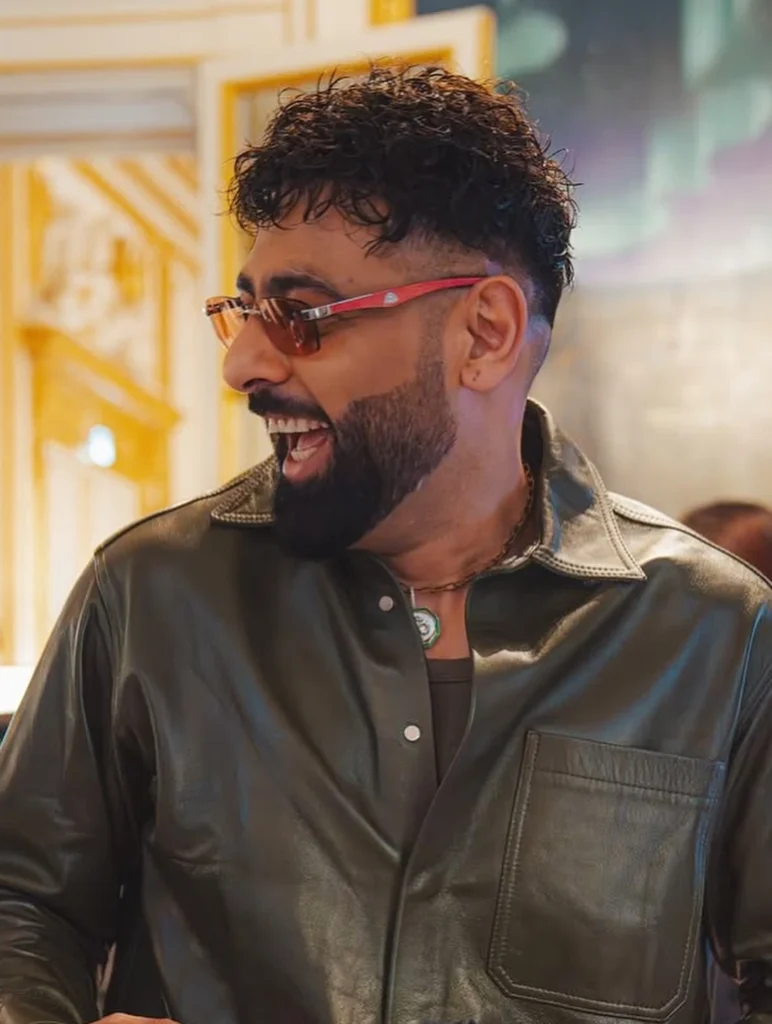
“Badshah brings an energy and individuality that complements Maybach’s heritage of craftsmanship,” Sheth explains. “He isn’t just a face; he understands design, aesthetics and storytelling. His personality, confidence, and creative instincts align seamlessly with the values of the Maybach brand.”
For legacy brands, collaborations with contemporary cultural figures are strategic bridges connecting time-honoured craftsmanship with modern sensibilities. Today’s luxury consumer does not buy into legacy alone – they invest in meaning, emotion and identity.
“When a heritage brand collaborates with a modern creative voice, it creates a bridge between tradition and contemporary culture. These partnerships introduce legacy craftsmanship to a new audience in a language they understand, making luxury feel more personal, expressive, and aligned with modern lifestyles,” Sheth says.
Luxury’s expanding cultural vocabulary
Globally, luxury is drawing influence from domains once considered peripheral – hip-hop, street culture, digital creators and non-traditional tastemakers. This is not dilution; it is evolution.
“Luxury’s vocabulary today is powered by cultural velocity,” Gupta observes. “Collaborations with figures from rap or hip-hop backgrounds infuse brands with relevance, authenticity and narrative edge.”
These partnerships do more than expand reach. They unlock new consumer cohorts of those who view luxury as an extension of identity rather than a symbol of status. Cultural figures like Badshah broaden luxury’s aspirational surface area, making it desirable not only for its craftsmanship, but for its social and cultural currency.
This global shift mirrors what has already unfolded in Western markets, where artists and creatives have become central to luxury storytelling. Badshah’s positioning reflects how this model is now being adopted more expansively across global luxury ecosystems.
Influence, aspiration & the new luxury consumer
Across markets, luxury consumers are becoming more discerning, culturally informed and globally aligned. They no longer consume luxury in isolation from cultural context.
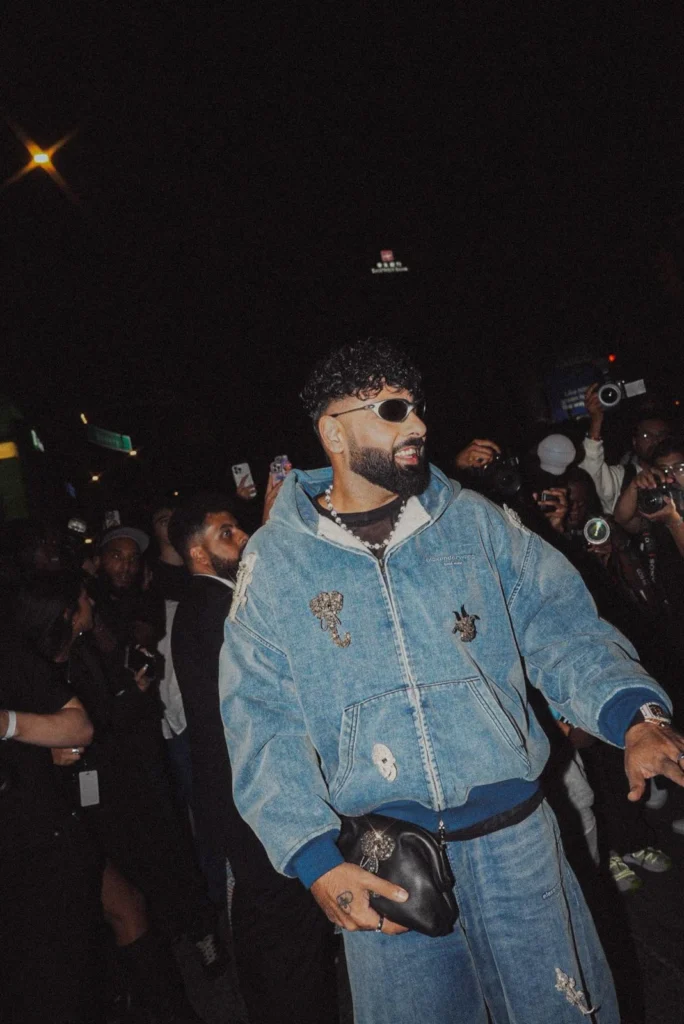
Celebrity-driven cultural moments, front-row appearances, global campaigns, red-carpet associations function as accelerants. “They create instant social proof,” Gupta explains. “They reposition brands from distant aspiration to lifestyle markers.”
These moments do not merely drive visibility; they compress the decision-making journey. Consumers increasingly interpret cultural endorsement as a signal of relevance and legitimacy particularly among younger, first-time luxury buyers.
Badshah’s association with global luxury houses speaks directly to this audience: confident, self-made, and globally connected. While his roots are Indian, his influence is borderless mirroring the mindset of today’s luxury consumer.
From visibility to value creation
While cultural relevance opens doors, luxury brands remain uncompromising when it comes to product integrity. Visibility without substance is fleeting.
Sheth notes that Maybach Icons of Luxury has witnessed a tangible shift in interest following Badshah’s association, particularly from younger audiences entering the luxury space for the first time. “Badshah brings attention and cultural relevance,” he says. “But what converts that interest is the craftsmanship, exclusivity and design.”
This balance is critical. Modern luxury collaborations succeed not because of celebrity presence alone, but because they align cultural influence with product excellence.
View this post on Instagram
Global Luxury, Local Confidence
While Badshah’s influence operates globally, his presence also reflects a broader shift in how emerging markets are contributing to global luxury culture. India, in particular, is no longer viewed solely as a consumption market; it is increasingly recognised as a source of cultural influence.
“Cultural figures like Badshah influence not just trends, but conversations, making luxury more accessible, aspirational, and relevant to a new generation of consumers,” Sheth observes.
“Global brands are paying close attention to how cultural influence is shaping luxury conversations,” Gupta notes. “As brands recalibrate their India strategy, figures like Badshah become strategic touchpoints: they mirror the market’s youthful affluence, celebrate its cultural confidence, and signal why India is no longer a peripheral opportunity but a core growth market.”
Importantly, this is not about localisation of luxury. It is about recognising that cultural authority can emerge from anywhere and resonate everywhere.
Redefining who shapes luxury
Perhaps the most significant implication of Badshah’s entry into luxury lies in what it represents for the industry at large. Luxury is no longer dictated exclusively by old hierarchies or popular Bollywood stars. It is increasingly authored by individuals who command relevance through culture, creativity and confidence.
“Cultural figures like Badshah influence not just trends, but conversations, making luxury more accessible, aspirational, and relevant to a new generation of consumers,” Sheth observes. In this evolving landscape, luxury is not losing its exclusivity; it is redefining its gatekeepers.
View this post on Instagram
Badshah’s relationship with luxury is not a moment – it is a marker. A signal of where luxury is heading globally: towards collaboration, cultural dialogue and influence-led aspiration.
As luxury brands continue to navigate a rapidly changing cultural economy, figures like Badshah illustrate a new truth – luxury today is as much about who shapes culture as who inherits it. And in that shift, cultural capital may well become luxury’s most valuable asset.