
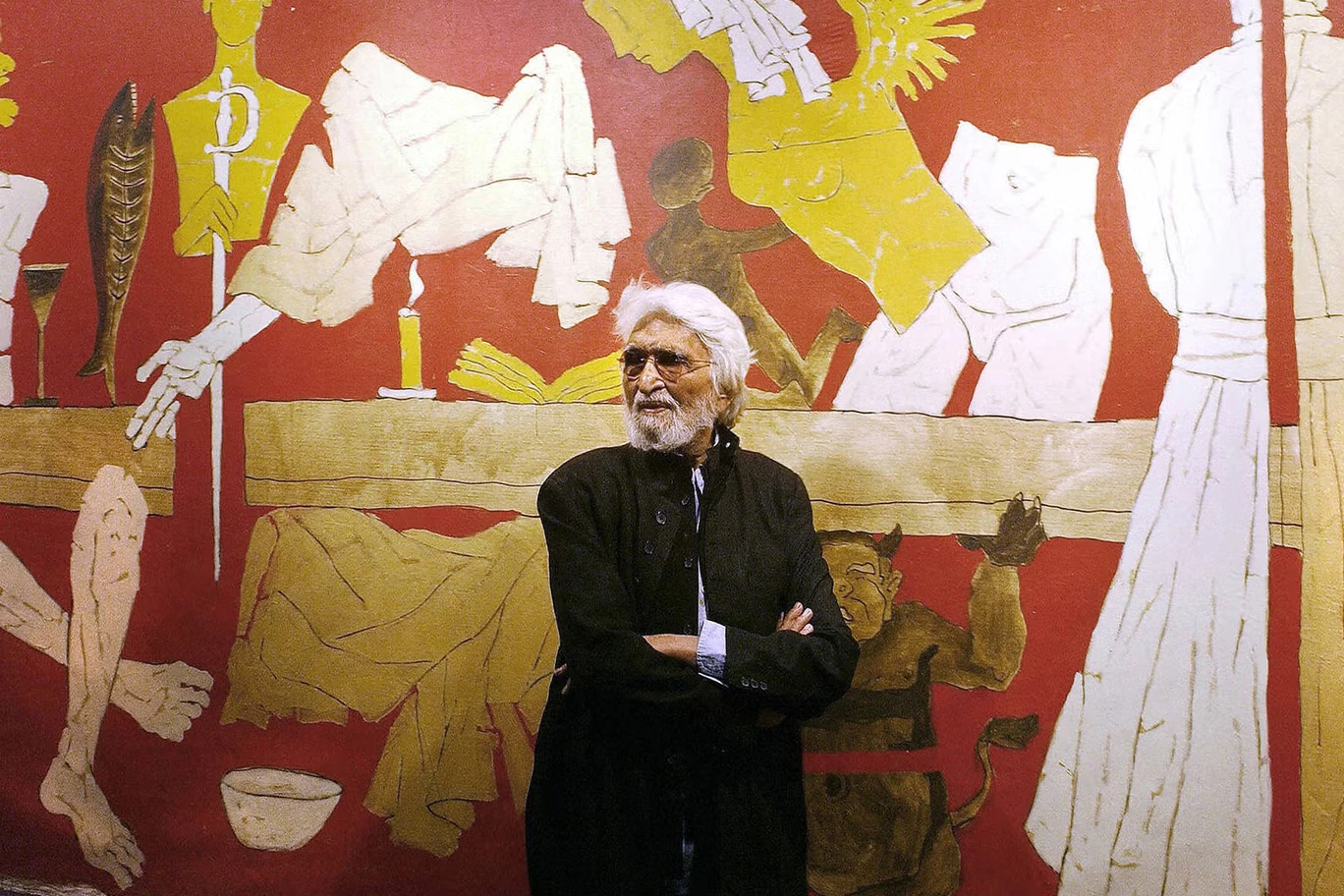
Maqbool Fida Husain, famously known as M.F. Husain was one of the most iconic artists who redefined the modern Indian art movement. He created a novel visual lexicon for the newly independent India. Often known as ‘Indian Picasso’, he fused the Western notions of art with the Indian themes. Though he was born in Pandharpur, his relocation to Mumbai for a course at Sir J. J. School of Art after a brief stint as a diploma student in Indore began his career professionally.
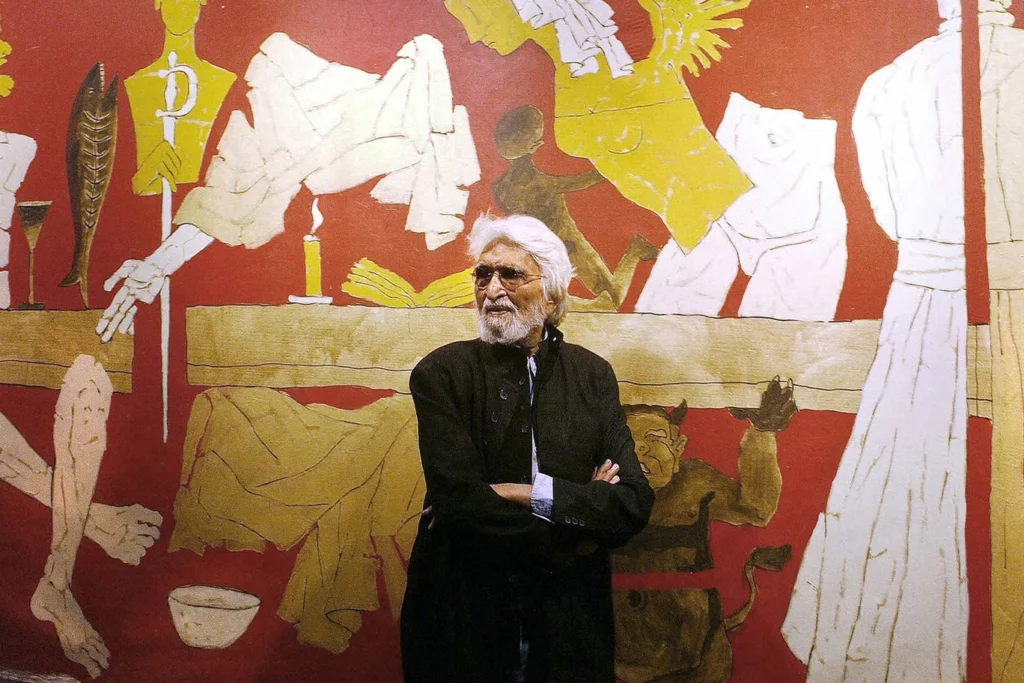
In this ‘city of dreams’, the artist indulged in a diverse range of experiments, including signages, paintings, film posters and eventually films, resulting in a rich body of work including themes from Indian mythology. He fused historical epochs with the everyday rhythm of life. A pioneering avant-garde of the 20th century, Husain transcended the conventional confines of painting to become a cultural phenomenon.
On his 110th birth anniversary, we explore M.F. Husain’s enigma through five defining motifs that shaped his timeless legacy.
1. Horse as his iconic theme
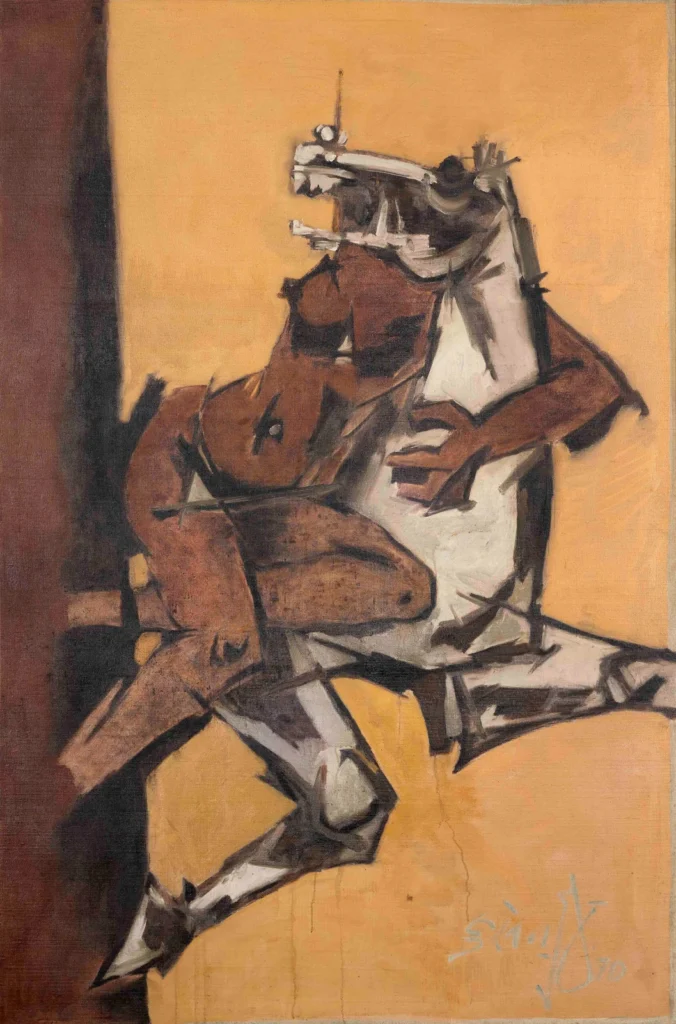
Horses were a recurring and powerful motif in his works. For him they were more than animals, they symbolised a wide range of concepts and emotions like power, freedom, and passion. Husain’s horses were always fused with dynamic energy depicted through fluid lines which made them the most iconic and sought after works.
2. Depictions of Mother Teresa
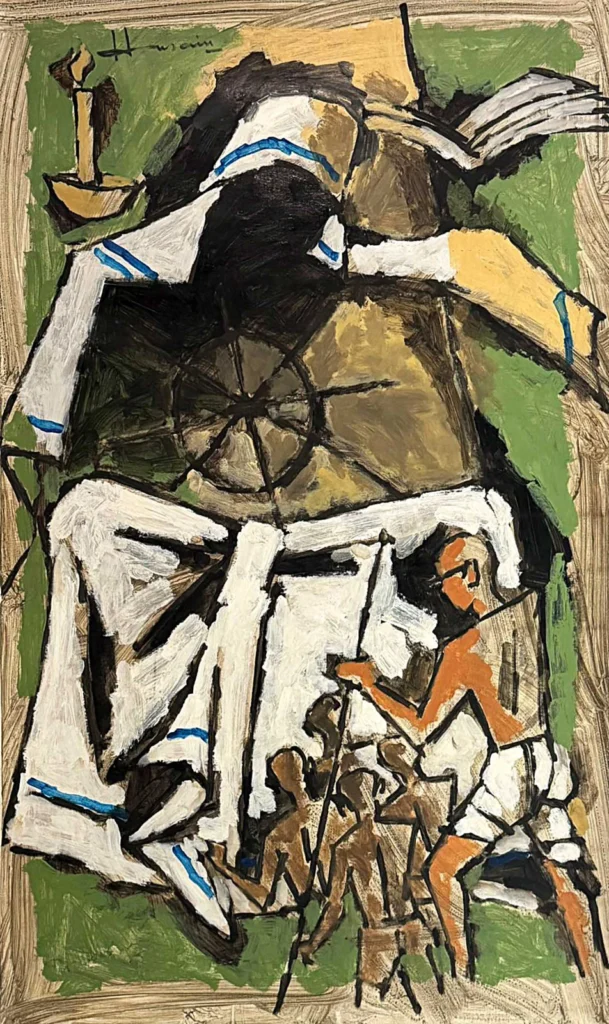
Another motif that governs his oeuvre includes the portrayal of Mother Teressa. Husain was deeply moved by her humanism which he compared to his search for maternal quality due to the passing of his own mother. He depicted Mother Teresa in blues and whites, often showing her as a compassionate figure without a face symbolizing universal motherhood.
3. Fascination with Indian traditional music
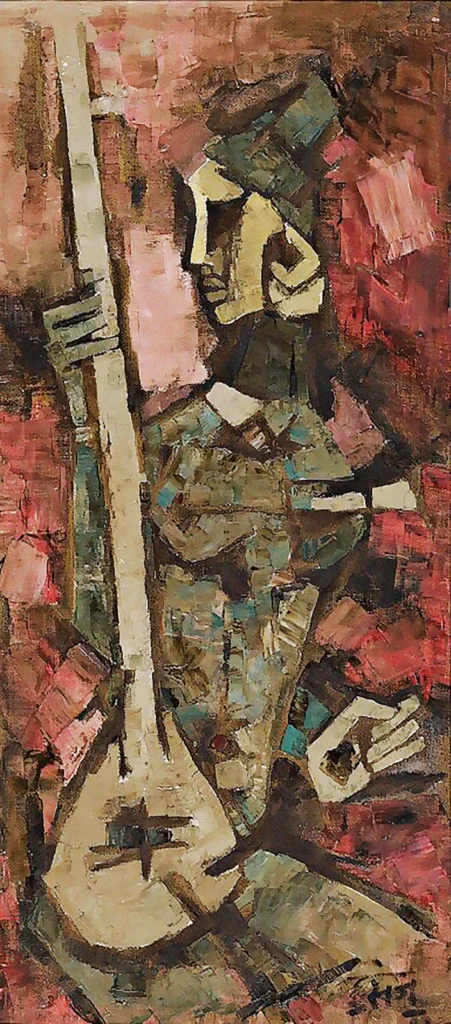
His art was often a visual symphony making his love for music evident in the works. He made multiple representations of musicians playing Indian classical instruments like sitar and veena, representing his appreciation for the country’s rich musical heritage. He often captured the intense focus and emotion of the performers giving it a visual form.
4. Brilliance of figuration and style
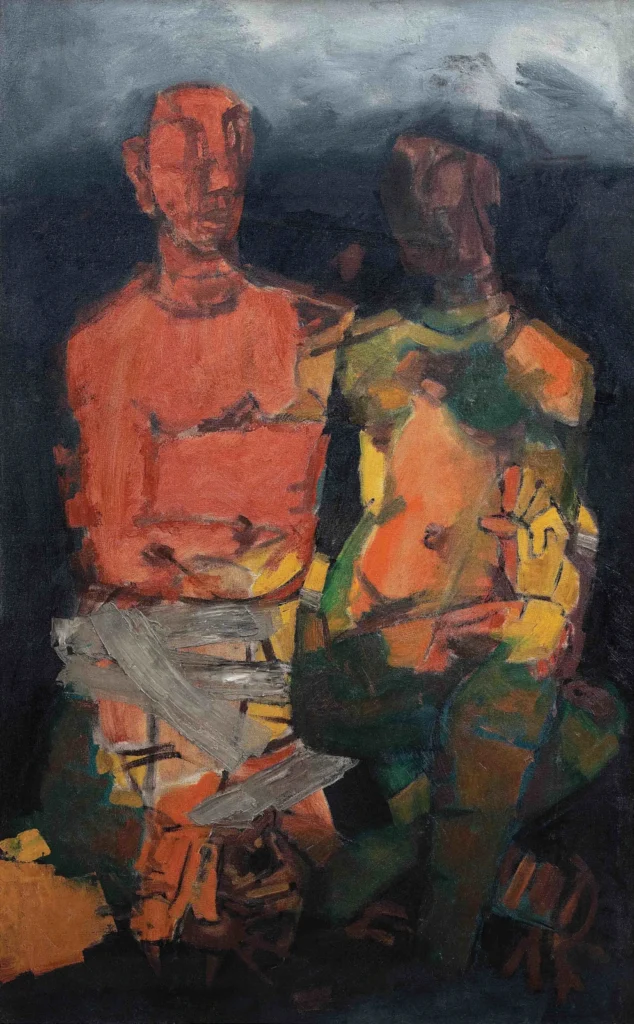
Husain’s work is unmistakable. With bold expressive brushstrokes, he was known for distorting perspective and simplifying the figures – often in a modified Cubist style. He created unconventional compositions to convey his narrative. This unabashed treatment in his work set him apart from his contemporaries.
5. Inclination to moving images

This creative genius was not limited to just painting. He carried out multiple experiments which also included his association with the camera. He was a passionate photographer and filmmaker whose film, Through the Eyes of a Painter won awards. He found his muse in actress Madhuri Dixit who starred in his poetic film, Gaja Gamini.
On his 110th birth anniversary, M.F. Husain is remembered not just as an artist, but as a visionary who gave Indian modernism a universal voice. His legacy endures in works that continue to captivate with their boldness, symbolism, and timeless appeal.