
Four hundred years ago, artists in Nathdwara painted large cloth backdrops for the deity Shrinathji, not as decoration, but as devotional objects tied to seasons, rituals, and the Pushtimarg faith. This summer, that same tradition arrives at one of the most scrutinised art events in the world.
Pooja Singhal, collector, curator, cultural revivalist, and founder of atelier Pichvai Tradition & Beyond, will present From India, to Venice at Palazzo Barbaro from May 6 to July 6, 2026, coinciding with La Biennale di Venezia 2026 as a satellite exhibition.
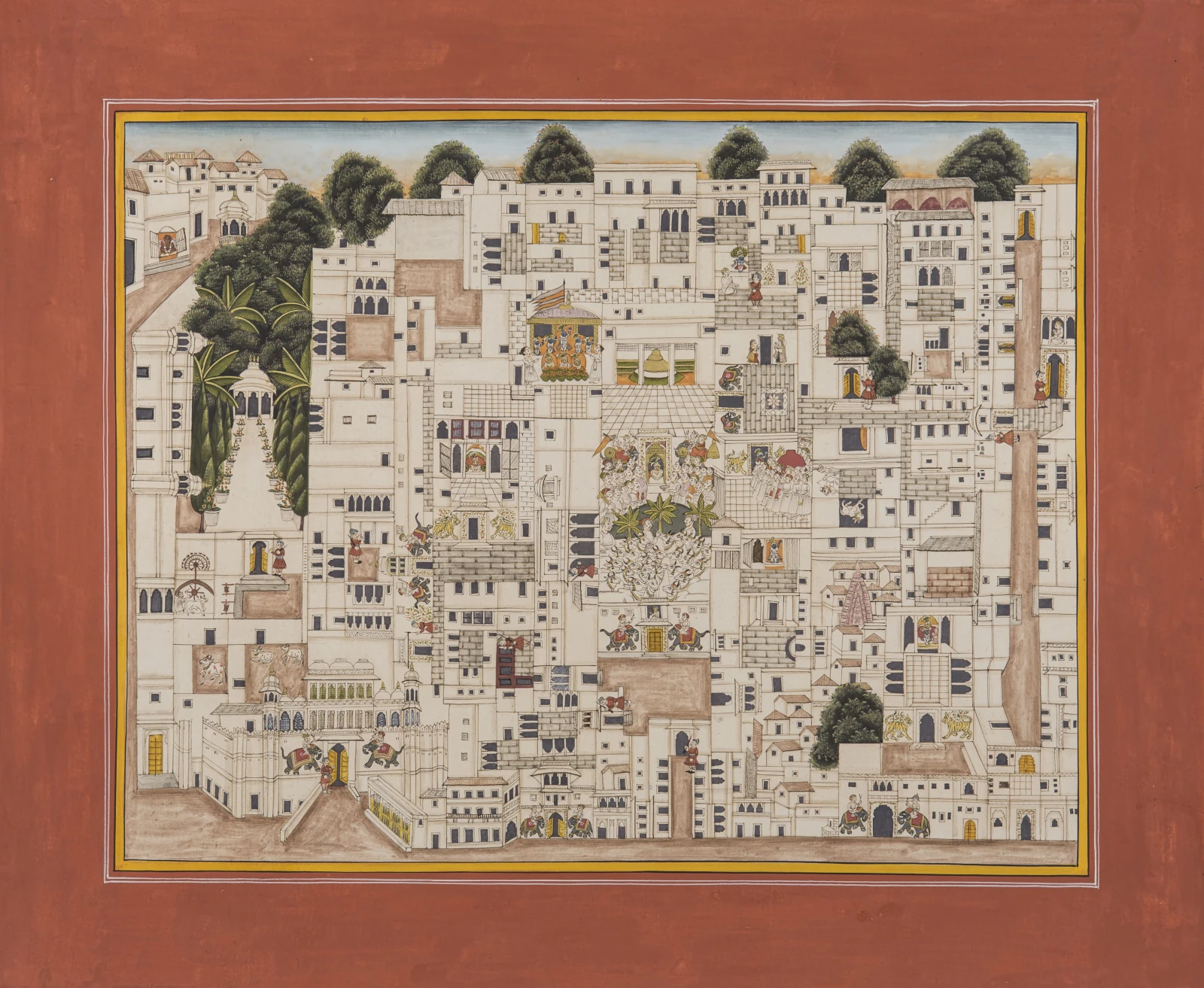
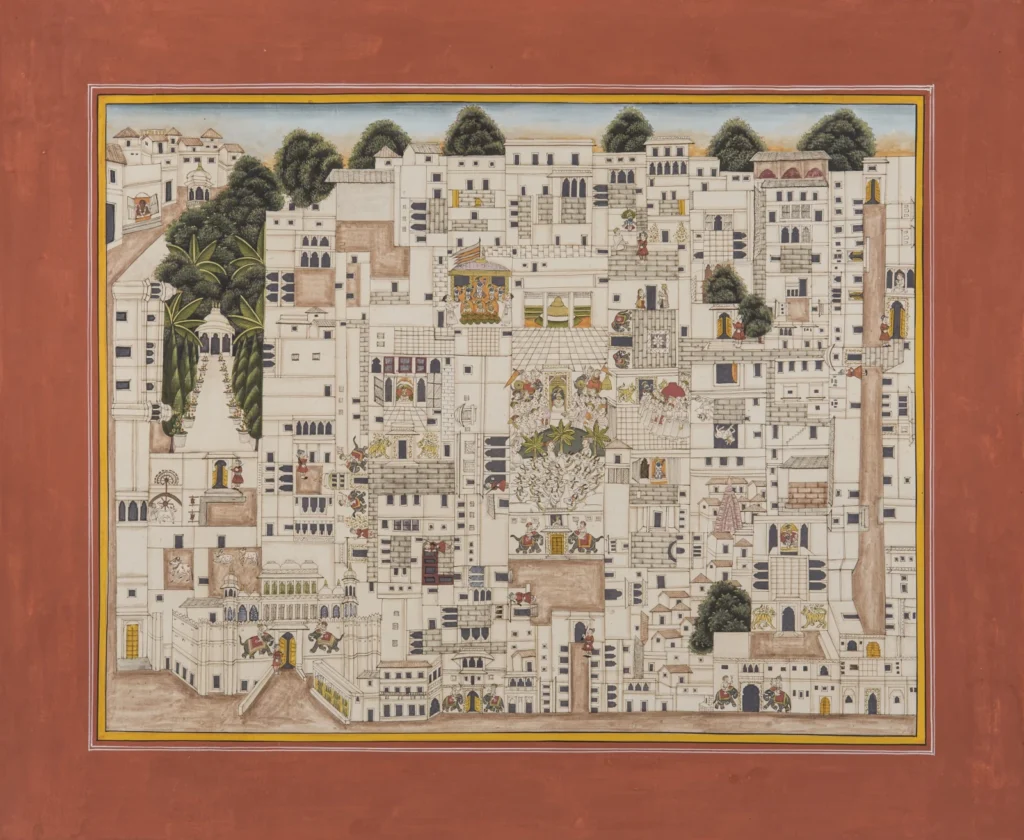
Ten large-scale temple maps form the core of the exhibition. A temple map is a Pichwai format traditionally used to depict the haveli of Shrinathji in Nathdwara, where architecture, movement, and narrative unfold within a single, dense frame. Here, that same visual grammar has been applied to Venice’s canals, bridges, and skyline.
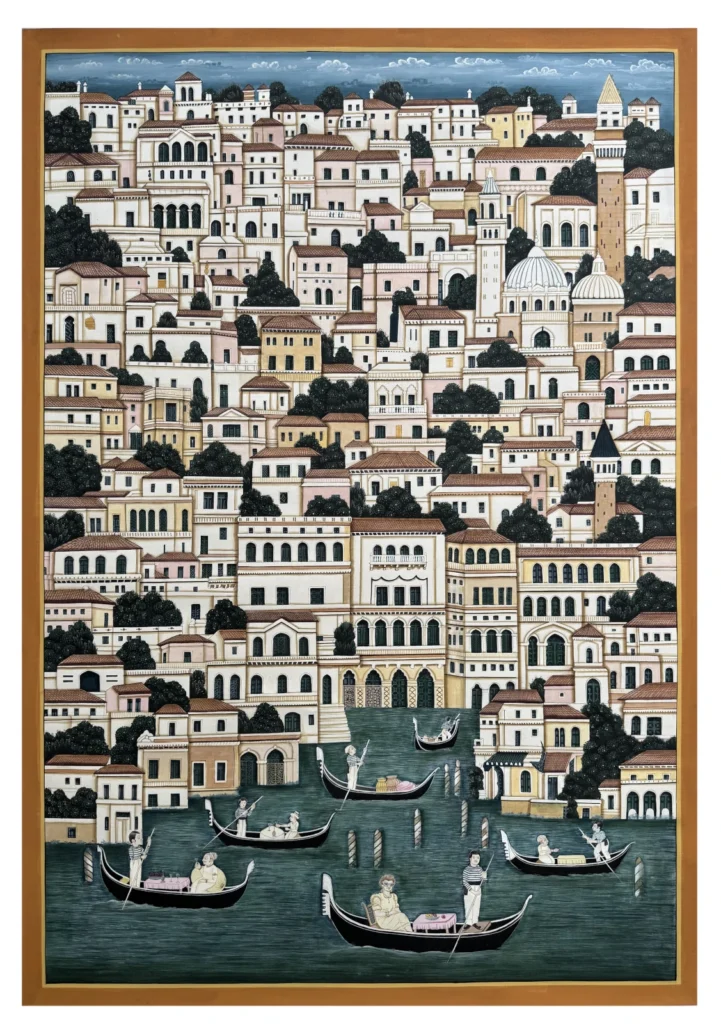
Alongside these works, the exhibition includes pieces developed through khakha, the preparatory drawing method central to Pichwai, and studies that engage with the visual language of Canaletto. These works foreground process and mark a shift in how the tradition is constructed and viewed today.
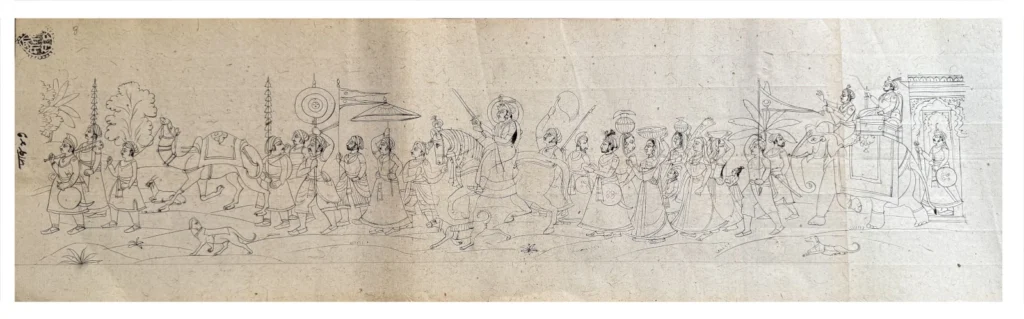
Singhal’s decade-long collaboration with hereditary artists in Nathdwara is what grounds this exhibition. She excels in giving Pichwai modern connotations while preserving their authentic artistry. Developed alongside Michele Codoni and curator Elizabeth Royer, From India, to Venice extends that sustained practice into an international contemporary context, following her landmark London exhibition Feast, Melody & Adornment.