
The Design Conclave 2025, held on 29–30 August at the Jio World Convention Centre, Mumbai, presented a conversation between global design thinking and India’s legacy of handicraft. Curated by Bulbeer Gandhi, Director of Design Conclave, the event included exhibitions, installations, and dialogues across architecture, interiors, and product design.
Within this larger landscape, The Karigar Showcase became a focal point. Live demonstrations by master artisans were positioned not just as nostalgic recreations but as active practices, some of which are at risk of disappearing. Indian arts and crafts such as Molela terracotta and Phad painting were shown in progress, reminding audiences that these traditions survive not through objects alone, but through the persistence of skill and knowledge passed down through generations.
We highlight five such Indian crafts that have survived through centuries, and are beautifully encapsulating the heritage of the country.
1. Molela Terracotta
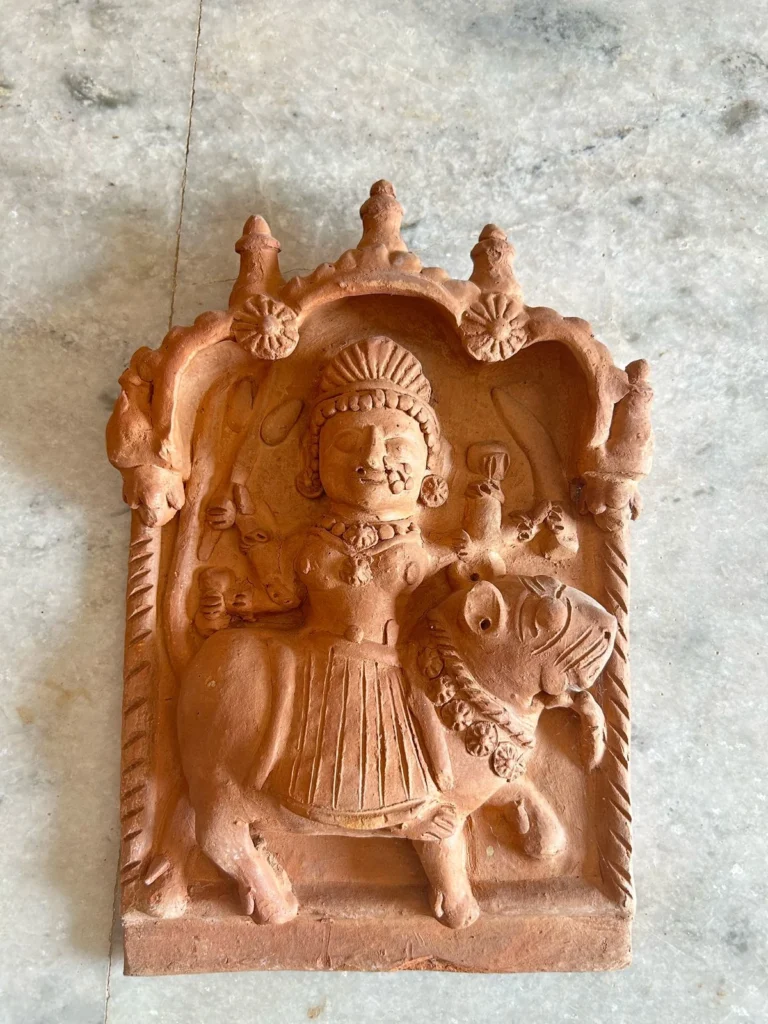
In the small town of Molela, Rajasthan, terracotta plaques depicting local deities have been made for close to 900 years. Traditionally, these clay reliefs were commissioned by tribal communities in Rajasthan and Madhya Pradesh, who carried them to temples and shrines. The plaques were not decorative items but offerings, each shaped with rituals of care and devotion.
For Rajendra Kumhar, who continues this lineage, the unseen labour is as important as the final form. Preparing the clay, ensuring it has the right mix of soil, water, and sunlight, and shaping it so it does not crack can take days before the sculpting even begins. “People usually only see the finished idol,” he explained, “but they don’t realise how much patience, sunlight, and water go into making it.”
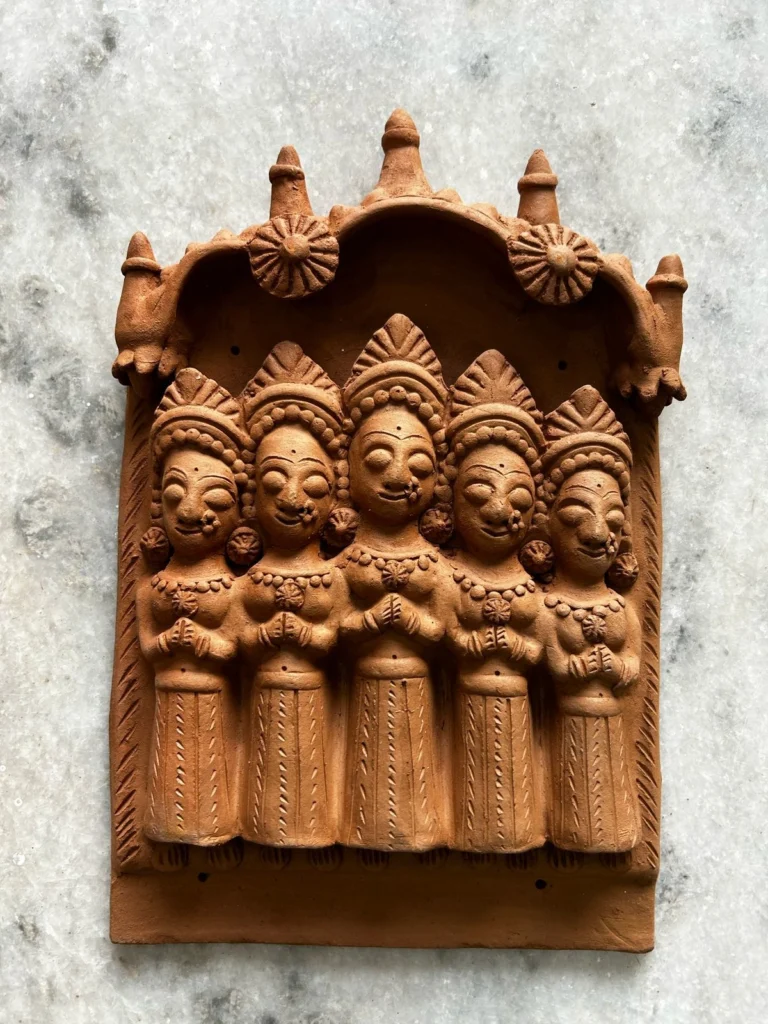
…the act [of creating Molela] is tied to identity as much as to livelihood.
Kumhar learnt the craft in childhood from his father and family. For him, it is not merely a profession but a practice of faith. “Working with clay and creating idols is my biggest pride in life,” he said, adding that the act is tied to identity as much as to livelihood. Once dismissed as a rural occupation, Molela plaques are slowly finding recognition in galleries and international craft forums, but their survival remains precarious without a steady base of patrons.
2. Pichwai Painting
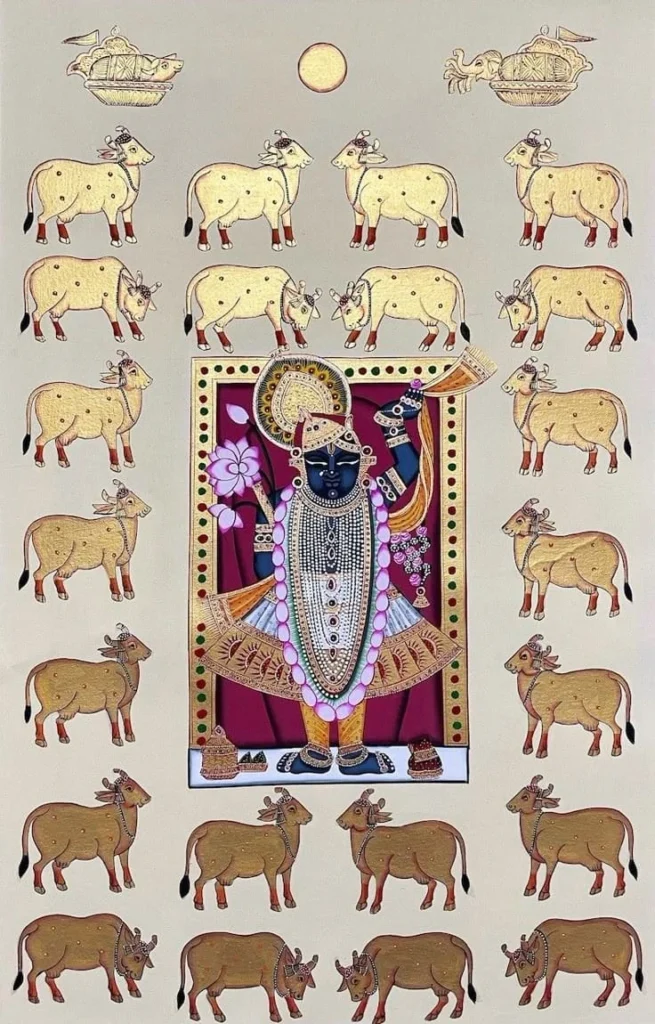
The art of Pichwai originated in the 17th century in Nathdwara, Rajasthan, to serve the temple of Shrinathji, a form of Lord Krishna. Painted on cloth, these works were displayed as backdrops behind the deity, changing with the seasons and festivals. Over time, Pichwais developed into highly detailed compositions filled with cows, lotuses, and scenes of Krishna’s life.
For Mukul Joshi, who was raised in a family of Pichwai artists, each painting is an act of devotion as much as a work of art. “Every stroke must be precise, and the smallest details — the eyes of Krishna, the folds of the clothes — can take the longest,” he said. The process is slow and disciplined, and for the artist, it becomes a form of prayer.
…while awareness has grown, the art faces a new challenge: machine-made reproductions.
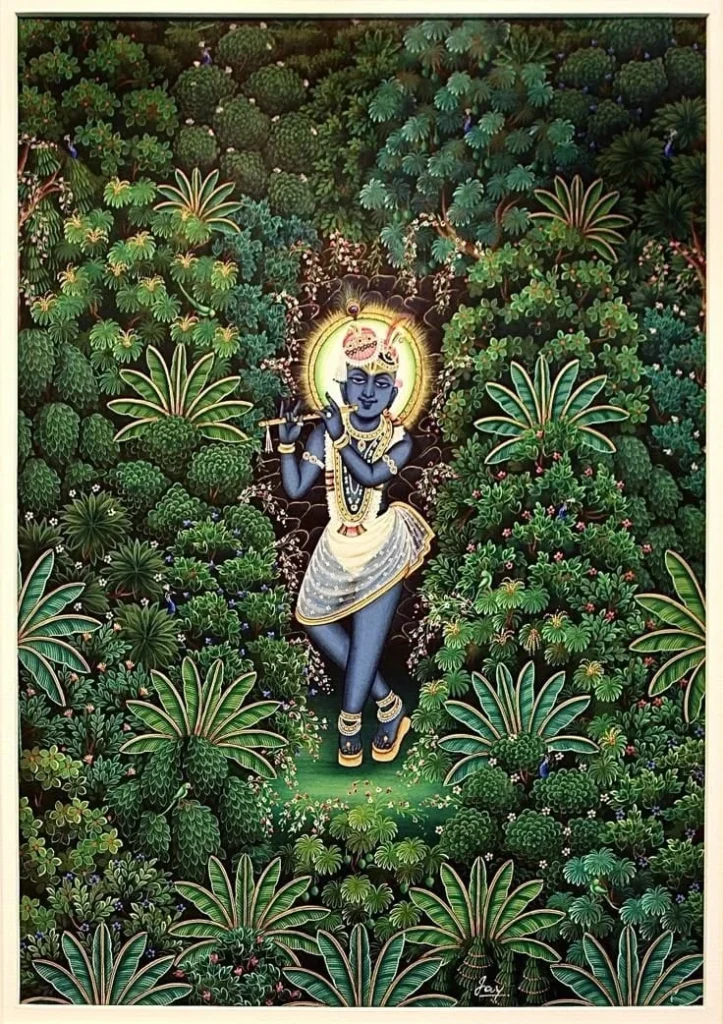
Historically, Pichwais remained within temple precincts. Their beauty was acknowledged but rarely collected outside religious contexts. Today, while awareness has grown, the art faces a new challenge: machine-made reproductions. These prints make the imagery accessible, but they dilute the value of originals that can take months to complete. Joshi noted that although recognition is increasing in India and abroad, “the true value of the time, devotion, and tradition behind the art is still not fully understood.”
3. Bamboo Craft
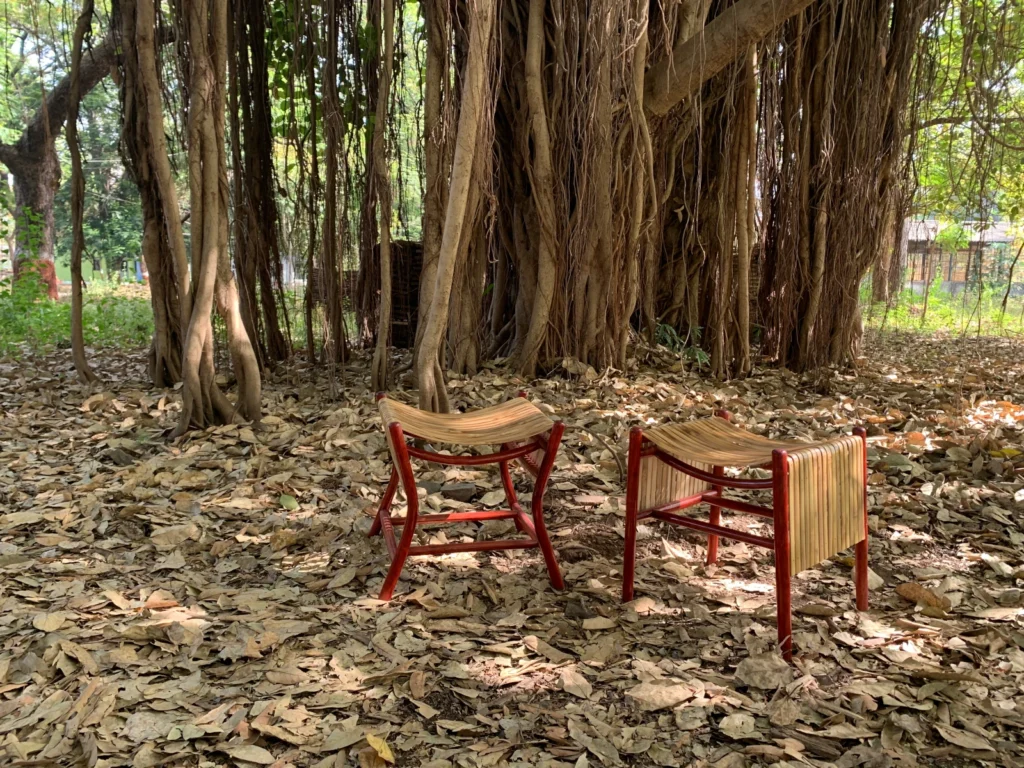
Bamboo has long been part of rural life in India, used for tools, baskets, and housing. Among the Kotwalia community of South Gujarat, it formed the basis of daily livelihood. Yet, with industrial materials replacing bamboo in everyday use, the community’s work was increasingly marginalised.
Tokar Sustainable Designs, co-founded by Aditya Roy, has sought to reposition bamboo through collaboration with Kotwalia artisans. The aim is to draw from their traditional skill while adapting it for modern furniture and interiors. The approach is design-driven but grounded in sustaining livelihoods.
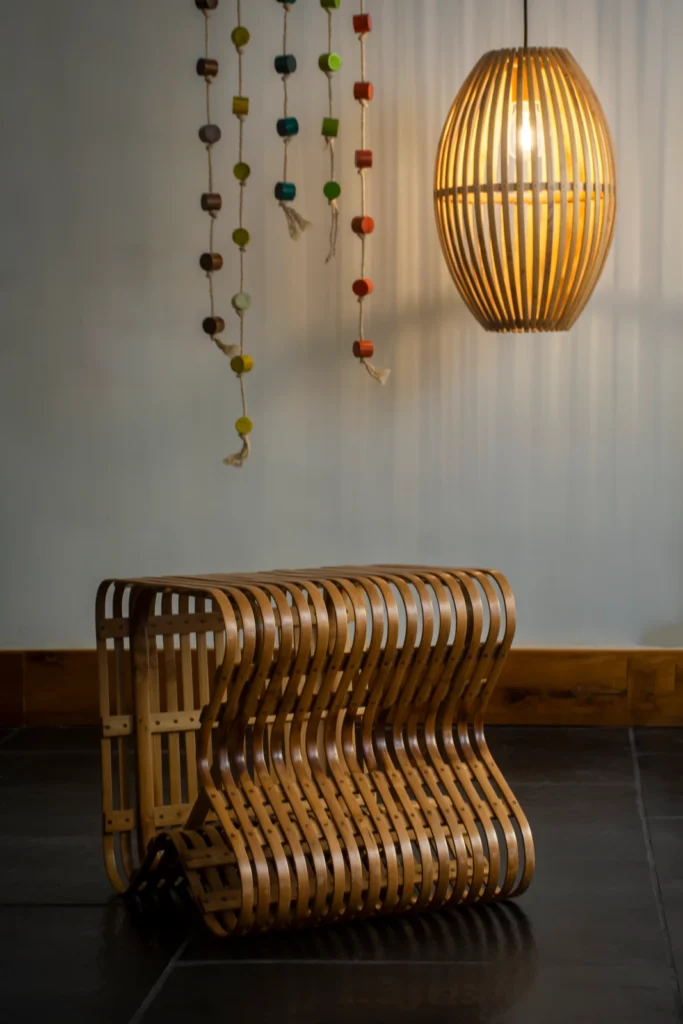
The Kotwalia community, often invisible in the mainstream design world, now has a place in discussions on contemporary interiors.
“The most challenging part has been generating enough business to continuously support around 20 Kotwalia families,” Roy said. “Another difficulty is the perception of bamboo itself — people see it as a cheaper alternative to wood. In reality, bamboo is equally strong, sometimes stronger.” For him, the project is not only about material innovation but also about shifting perception. Over 12 years, attitudes have slowly changed, with architects and customers becoming more open to sustainable choices.
By creating state-of-the-art furniture with a material once seen as humble, Tokar is demonstrating how traditions can remain alive when adapted with care. The Kotwalia community, often invisible in the mainstream design world, now has a place in discussions on contemporary interiors.
4. Phad Painting
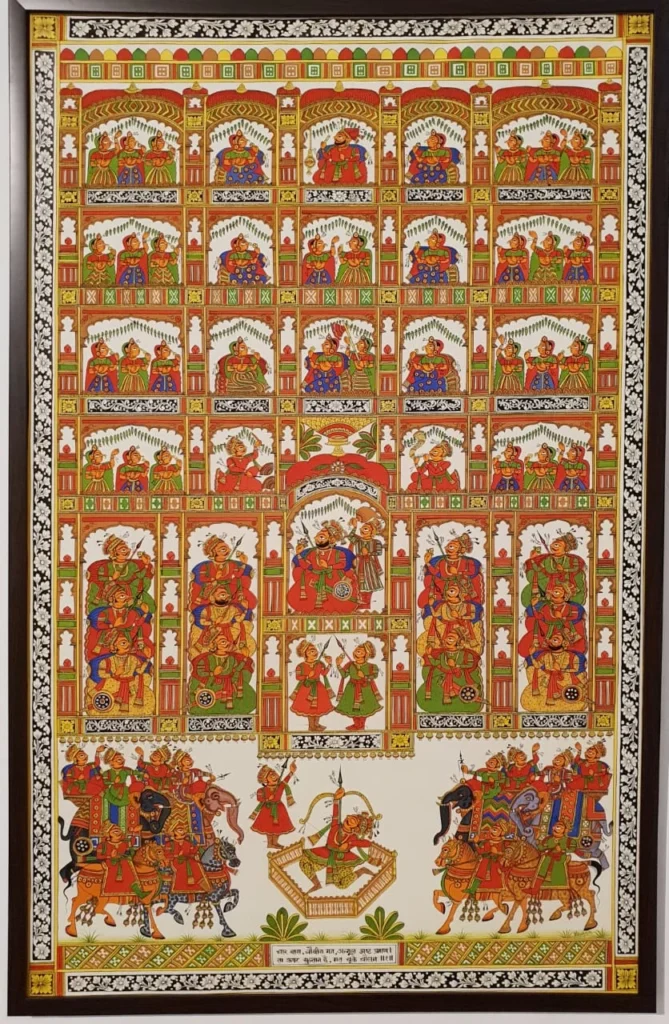
Phad painting is among the oldest narrative art traditions of Rajasthan, dating back at least seven centuries. Long scrolls painted on cloth were carried by bhopas, itinerant priests, who sang and performed stories from epics such as Pabuji and Devnarayan. The scrolls functioned as portable temples, combining visual storytelling with oral performance.
For Prakash Joshi, whose family has painted Phads for generations, the art’s uniqueness lies in its scale and detail. “The size, the colours, and the storytelling make our art distinct,” he explained. But with such scale comes labour. Preparing the cloth, grinding natural pigments, and composing long scenes of narrative complexity requires time and concentration.
As audiences for epic performances dwindled, demand for large Phads also declined.
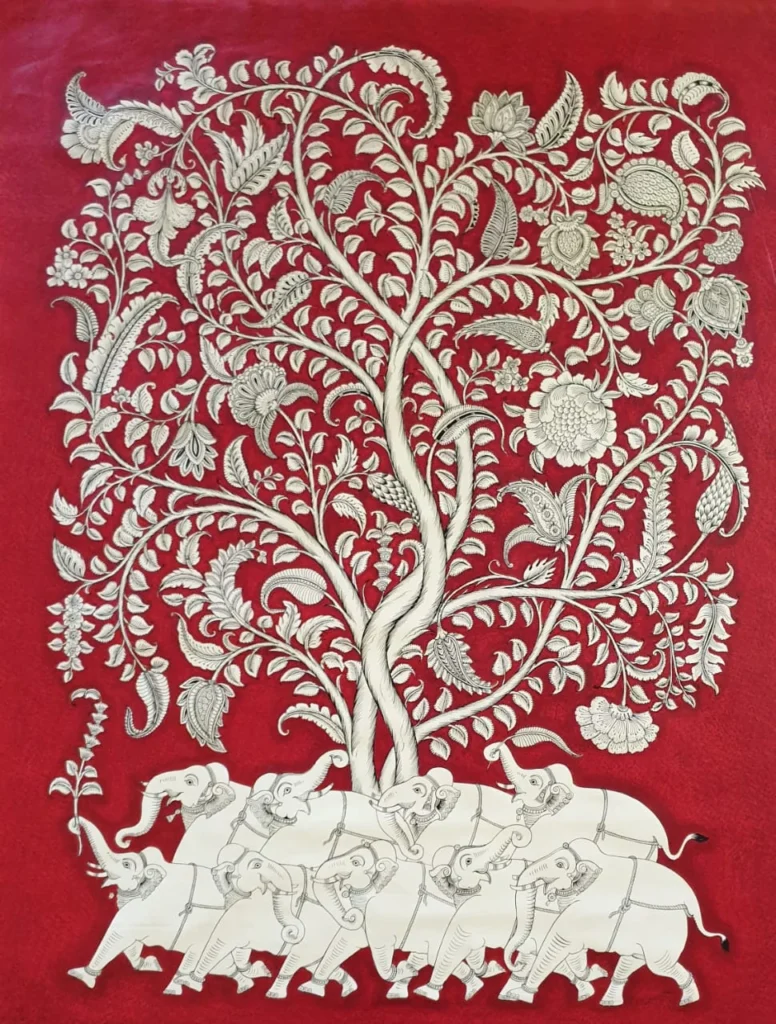
As audiences for epic performances dwindled, demand for large Phads also declined. To adapt, artists began producing smaller pieces and experimenting with new subjects, ranging from mythological themes to contemporary narratives. Joshi notes that this shift has brought more interest from buyers who may not have space for monumental scrolls but appreciate the art in more accessible formats. “Earlier, there were very few buyers, but by painting on contemporary subjects, the number of customers has increased,” he said.
The challenge remains to keep Phad’s performative roots alive while also expanding its market presence.
5. Pottery
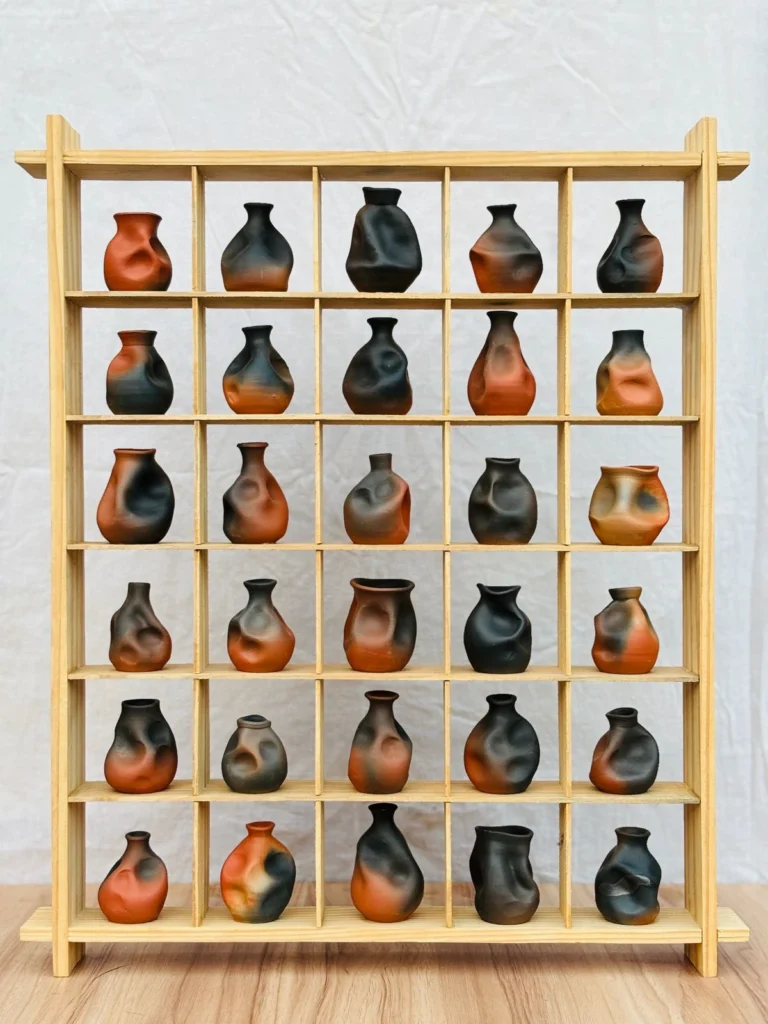
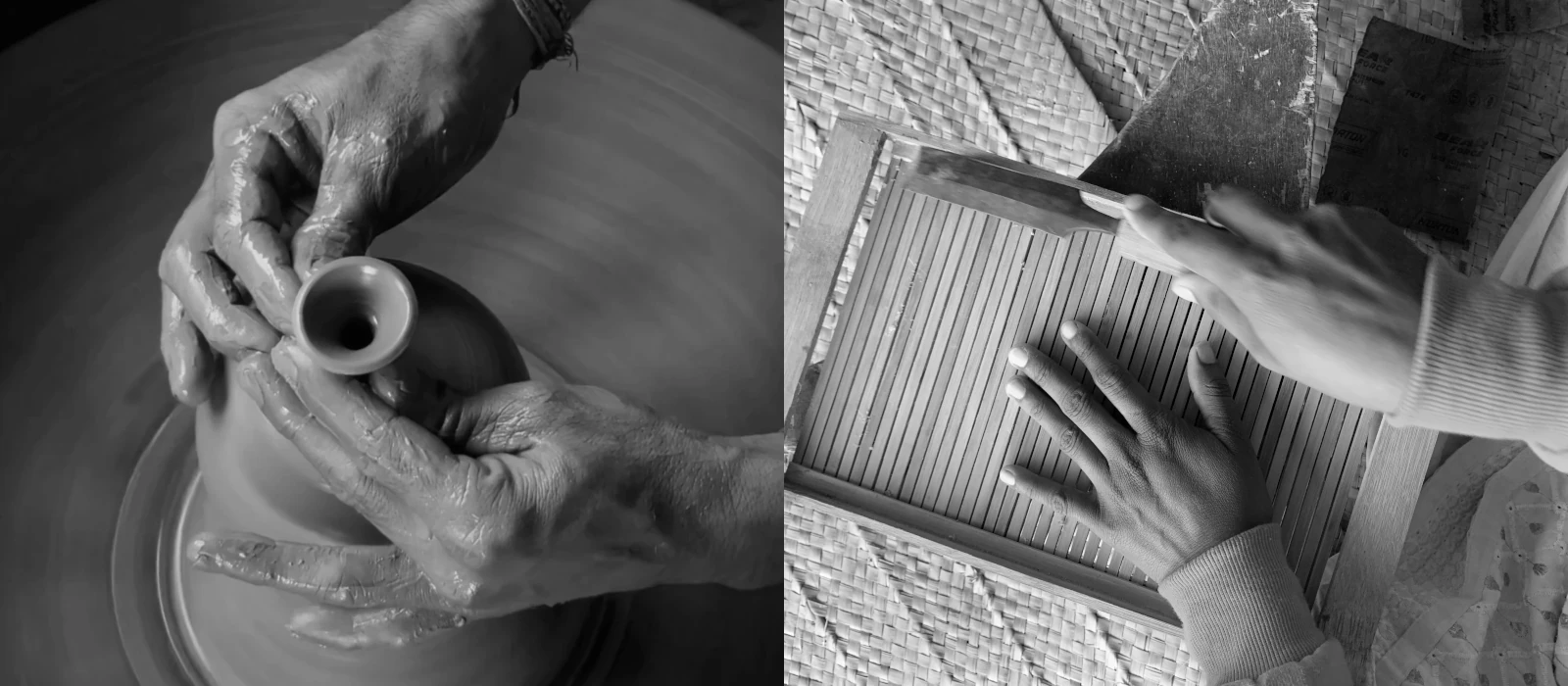
Pottery is one of the oldest crafts in India, with evidence of wheel-thrown ceramics found at Indus Valley sites dating back 5,000 years. In rural Rajasthan, potters continue to provide vessels for storage, cooking, and rituals, though industrial substitutes have greatly reduced demand.
The hardest part is to be patient and communicate with the clay. Every creation is different.
For brothers Chetan and Ishwar Singh, pottery is a living link to their family’s past. Their lineage as potters stretches across 15 generations. Ishwar described the process as a conversation with the soil: “The hardest part is to be patient and communicate with the clay. Every creation is different.”
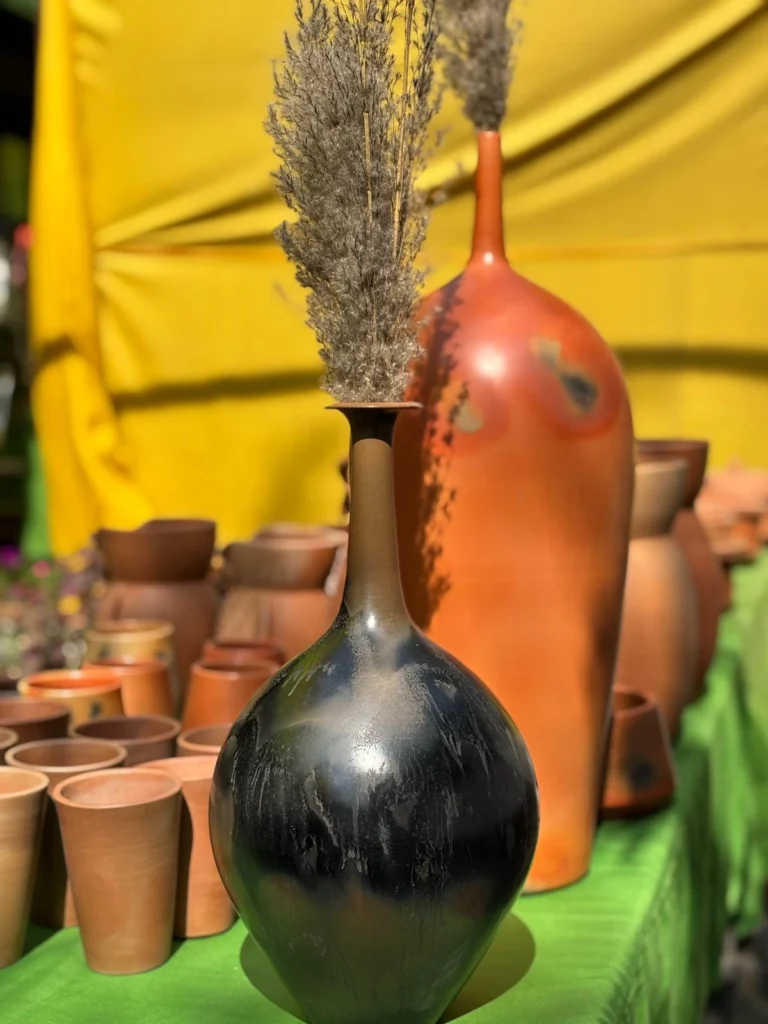
As children, they watched their father and grandfather at the wheel, learning through observation and repetition. For them, pottery is not just a profession but a form of worship, tied to ancestry. In earlier times, the craft held high regard in village society, as pots were central to rituals, festivals, and daily life. With plastic and metal replacing clay, respect for the potter declined. Yet, as Ishwar observed, urban consumers are rediscovering the value of handmade work: “Now people are starting to understand that the soul of a hand-made thing cannot be in a factory.”
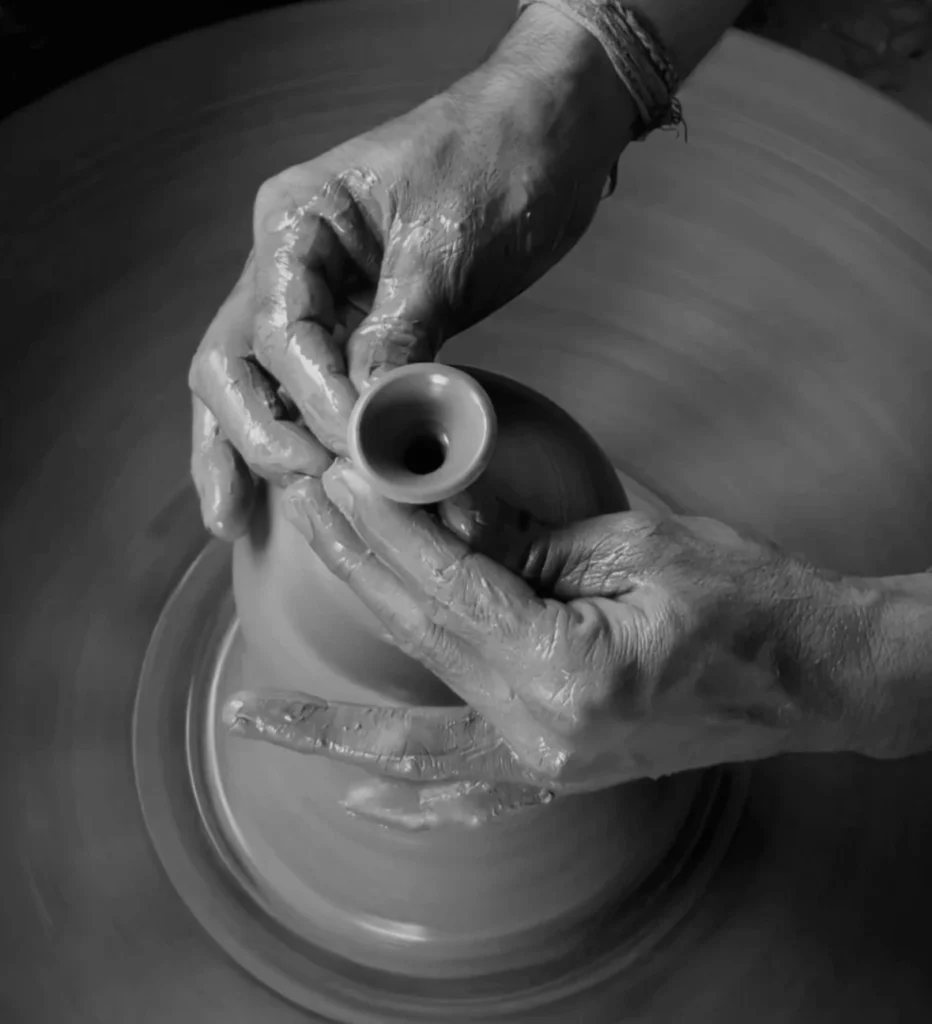
Their demonstration at the Conclave — shaping clay live before audiences accustomed to industrial polish — offered a reminder of the intimacy embedded in handcraft. I was invited to sit at the wheel myself, guided by their hands as the clay turned. What began as a lump of soil slowly took the form of a small pot, uneven but full of character, which I carried home as a reminder of the patience and care the craft demands.
The Karigar Showcase at Design Conclave 2025 reframed heritage craft as part of the design conversation rather than its periphery. By situating Molela terracotta, Pichwai painting, bamboo work, Phad, pottery, and other handicraft forms within the same platform as contemporary architecture and interiors, the Conclave asked its audience to see these traditions not as static legacies but as practices negotiating change.
Their relevance, today, lies not in a return to the past, but as evidence that the future of design can be built on traditions that endure by evolving, yet staying true to their core.
What emerged was less about preservation in isolation and more about how these crafts respond to today’s contexts: the recalibration of Pichwai for new markets, the repositioning of bamboo as a material of design rather than necessity, or the adaptation of Phad from epic scrolls to smaller formats. Each shift reflects both the fragility of these art forms and the ingenuity of the artisans who sustain them.
As sustainability and authenticity move from niche interests to mainstream concerns in design, these crafts offer a framework for thinking differently about value: not just in the finished object but in the processes, time, and communities that shape it. Giving them a branding, a luxury sheen, will perhaps give these crafts a larger, more appreciating audience. Their relevance, today, lies not in a return to the past, but as evidence that the future of design can be built on traditions that endure by evolving, yet staying true to their core.