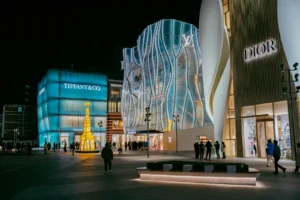

For years, global luxury brands looking to engage India relied on a familiar formula: Bollywood. Film stars became the default interpreters of aspiration, glamour, and influence in one of the world’s most complex consumer markets. That strategy delivered visibility—but India has evolved far beyond a single cultural lens.
Today, the country’s influence economy is broader, younger, digital-first, and increasingly global. Music artists, athletes, creators, and cultural entrepreneurs are shaping aspiration as powerfully as cinema once did. As a result, a new class of Indian ambassadors is emerging for global luxury brands—figures whose relevance stems not from film pedigree, but from cultural impact. Names such as Badshah, Diljit Dosanjh, AP Dhillon, and Neeraj Chopra represent more than celebrity. They represent a structural shift in how luxury influence is being created, consumed, and amplified.
India today is also exporting culture at scale.
For global maisons, the message is becoming increasingly clear: the future of luxury influence in India lies well beyond Bollywood.
India is no longer just a luxury market. It is a cultural export.
For much of the last decade, luxury brands viewed India primarily through an economic lens—a fast-growing affluent class, rising premiumisation, expanding retail infrastructure, and long-term consumption potential. While all of that remains true, it is no longer the full story.
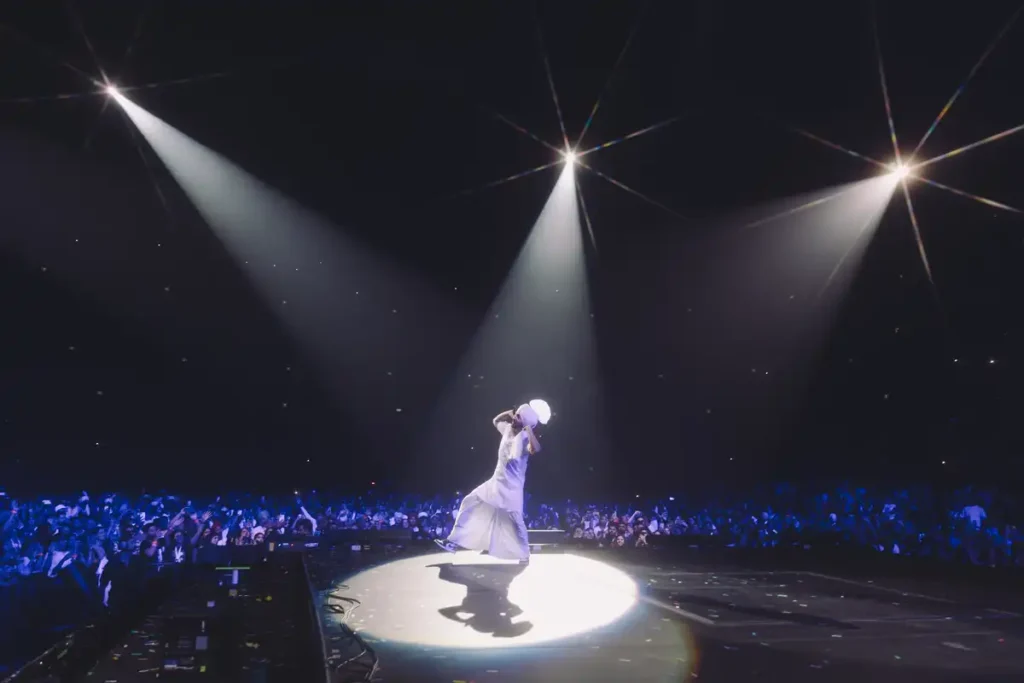
India today is also exporting culture at scale.
Indian artists are headlining international festivals, collaborating with global musicians, influencing streetwear aesthetics, and shaping digital conversations across continents. Their audiences are no longer confined to domestic markets; they span London, Toronto, Dubai, New York, and Melbourne—cities where affluent Indian diaspora communities are deeply engaged with luxury consumption.
This matters because modern luxury is increasingly driven not only by craftsmanship and heritage, but by cultural relevance. Brands today compete not merely on products, but on their ability to participate meaningfully in global cultural conversations.
And those conversations are no longer being shaped exclusively by cinema.
The rise of India’s new cultural influencers

The emergence of non-Bollywood personalities within luxury spaces reflects three important shifts.
First, aspiration in India has diversified. Today’s consumer admires not only actors, but entrepreneurs, athletes, musicians, creators, and self-made public figures who embody ambition and individuality.
Second, influence itself has become platform-led rather than industry-led. Streaming platforms, fashion weeks, global tours, social media ecosystems, and international collaborations now shape visibility more powerfully than traditional entertainment hierarchies.
Third, India’s diaspora has become a major amplifier of cultural relevance. Artists who can move seamlessly between India and global markets offer luxury brands a unique strategic advantage: transnational influence rooted in authenticity.
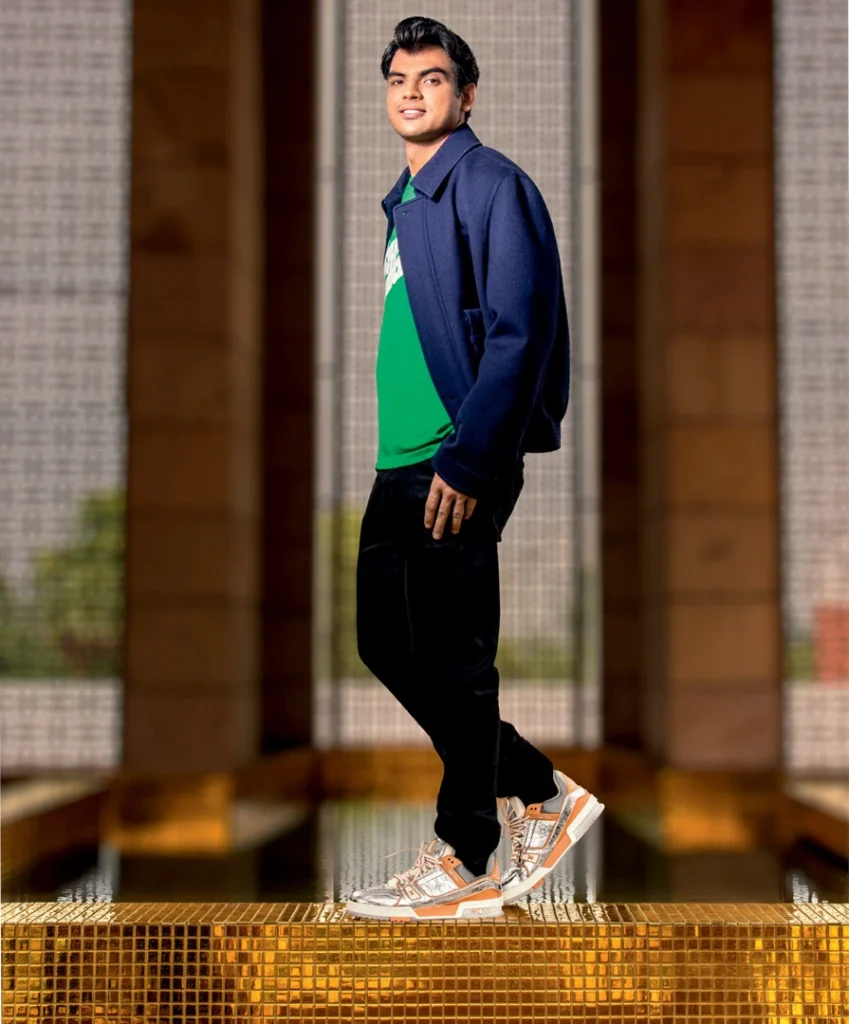
This is precisely where figures like Badshah, Diljit Dosanjh, AP Dhillon, and Neeraj Chopra become important.
Badshah: Luxury meets lifestyle culture
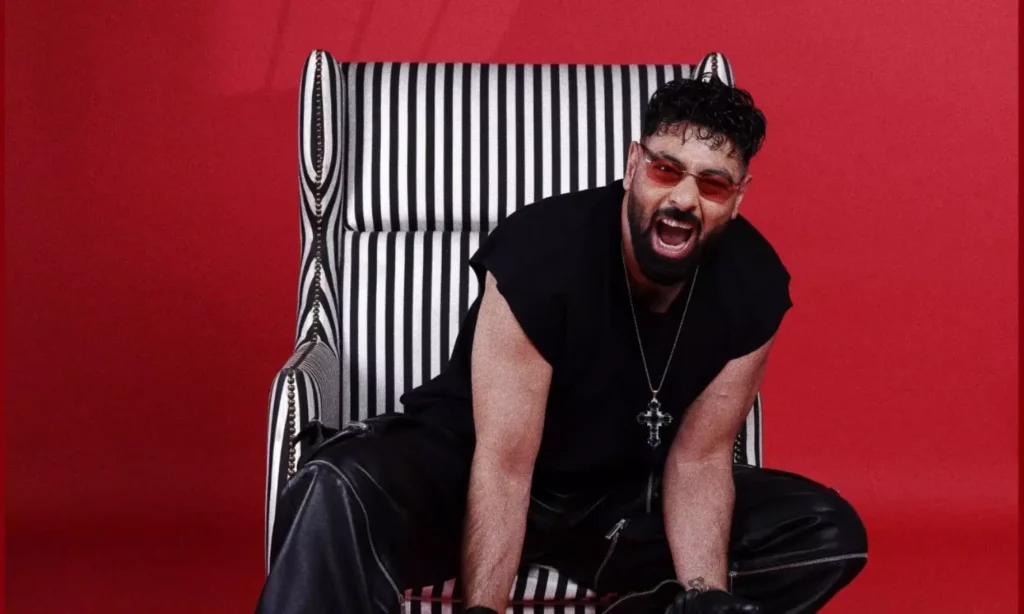
Badshah represents a new grammar of aspiration—bold, self-made, highly visual, and culturally fluid.
View this post on Instagram
His growing proximity to premium automobiles, luxury fashion, jewellery, and street-luxury aesthetics is not accidental. He embodies the convergence of music, lifestyle, and digital culture that modern luxury increasingly seeks to access.
What makes him especially valuable for premium brands is his ability to bridge audiences. He resonates with India’s aspirational youth while simultaneously carrying credibility within affluent urban circles. His influence feels organic rather than institutionally manufactured—a trait luxury brands increasingly prize in an era where authenticity drives engagement.
View this post on Instagram
For maisons navigating India’s fast-premiumising consumer landscape, Badshah offers both reach and cultural immediacy. Beyond flaunting designer labels, his characteristics style is now sought by brands and customers alike. His co-created collection of glasses for Maybach Icons of Luxury points in this direction.
Diljit Dosanjh: India’s global soft power ambassador
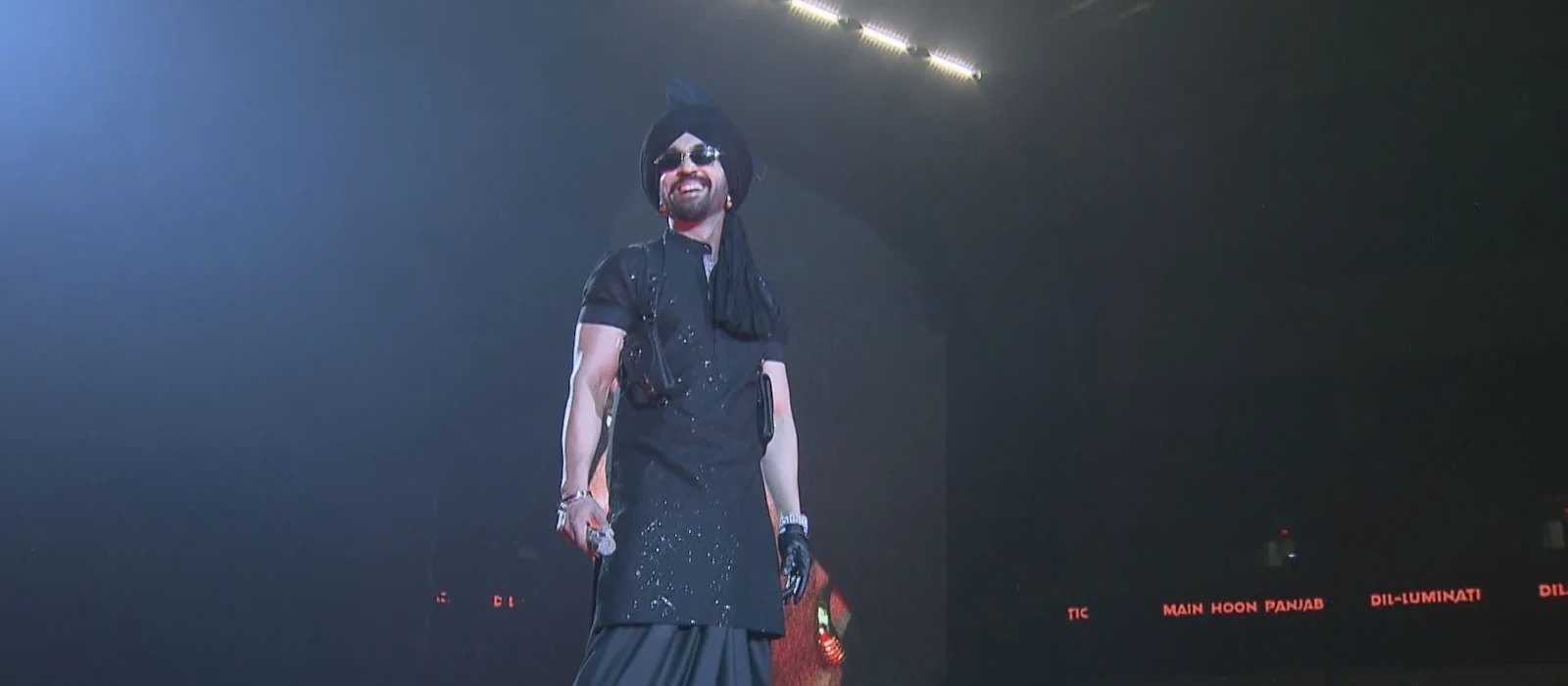
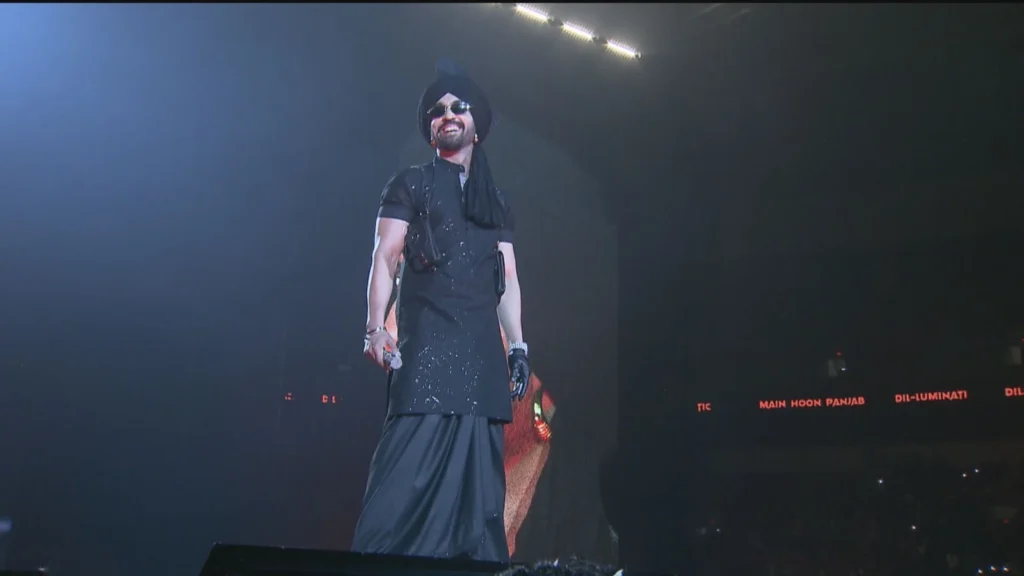
If Badshah represents contemporary lifestyle luxury, Diljit Dosanjh represents cultural soft power on a global stage.
View this post on Instagram
By carrying Punjabi culture to international stages—whether at global music festivals like Coachella, Western television shows like The Tonight Show with Jimmy Fallon, or fashion platforms—Diljit has reframed what Indian global presence looks like. He is rooted yet cosmopolitan, humorous yet dignified, accessible yet aspirational. He releases songs with international performers like Sia and David Guetta. But in the same breath, he remembers the heart-wrenching Komagata Maru incident which denied entry to Sikhs in Canada in 1914. His deep-rooted Punjabi dandy attire at last year’s MET Gala spoke volumes about his style and sensibility. He will wear Chanel one day, and then a striking kurta with tehmat the next day.
View this post on Instagram
What makes Diljit strategically important for luxury brands is his balance of relatability and aspiration. He remains deeply rooted in regional identity while operating comfortably within global luxury ecosystems. This combination creates emotional resonance across both Indian and diaspora audiences.
In many ways, Diljit reflects the new face of Indian luxury influence: culturally confident, globally mobile, and unafraid to celebrate local identity on international platforms.
AP Dhillon & the rise of borderless Indian cool
Artists like AP Dhillon – the Indo-Canadian performer – further reinforce how Indian cultural influence is becoming increasingly borderless.
View this post on Instagram
Operating at the intersection of music, fashion, and diaspora youth culture, AP Dhillon embodies a distinctly global Indian identity. His appeal lies not in traditional celebrity structures, but in digital-native cultural relevance. He speaks directly to audiences consuming luxury through streetwear, sneakers, music visuals, nightlife, and social media storytelling.
For luxury brands targeting younger demographics, this ecosystem matters enormously. It represents a consumer who values individuality, cultural fusion, and authenticity over rigid definitions of prestige. His raw voice is paired with diamonds and bomber jackets in a seamless way.
View this post on Instagram
The future luxury customer is as likely to discover a brand through a music artist’s Instagram reel as through a traditional advertising campaign.
Neeraj Chopra & achievement-led aspiration
The evolution of India’s luxury influence economy is not limited to music.
Neeraj Chopra represents another powerful dimension of modern aspiration: performance, discipline, and achievement-driven prestige. As an Olympic champion with global recognition, the Omega brand ambassador brings a quieter but highly credible form of influence that aligns naturally with categories such as watchmaking, automotive, travel, wellness, and performance luxury.
View this post on Instagram
Unlike conventional celebrity culture, Neeraj’s appeal is rooted in excellence rather than spectacle. That distinction is significant. Increasingly, luxury consumers are drawn toward personalities who embody substance, resilience, and authenticity alongside visibility.
For global brands, such figures help broaden luxury storytelling beyond glamour into values-driven aspiration.
Why this shift matters
For luxury maisons, engaging with India’s new cultural ambassadors delivers four strategic advantages.
First, they unlock next-generation relevance. Younger consumers connect more deeply with personalities who feel culturally authentic and digitally native.

Second, they provide access to affluent diaspora audiences across North America, Europe, the Middle East, and Southeast Asia.
Third, they accelerate content and engagement ecosystems. Artists and athletes today function as ongoing media channels, continuously shaping consumer conversations.
Finally, they align closely with the psychology of the modern Indian luxury buyer—ambitious, expressive, globally aware, and increasingly confident in their cultural identity.
This is no longer merely endorsement marketing. It is cultural positioning.
Beyond Bollywood lies India’s next luxury narrative
Bollywood will, undoubtedly, continue to remain important within India’s luxury ecosystem. But it can no longer singularly define Indian influence for global brands.
…the next chapter of Indian luxury influence will not be driven by cinema alone. It will be driven by culture at large.
India’s luxury influence economy is becoming multi-sectoral, culture-wide, and globally interconnected. Music artists, athletes, creators, and cultural voices are collectively reshaping how aspiration is expressed—and how luxury is consumed.
For brands willing to recognise this shift early, the opportunity is significant. Because the next chapter of Indian luxury influence will not be driven by cinema alone. It will be driven by culture at large.