
The global art market is showing signs of renewed confidence, and the 2026 spring auction season may ultimately be remembered as the moment the industry decisively shifted back into growth mode. After several years marked by economic uncertainty, cautious consignments, and softer bidding across categories, the world’s leading auction houses are once again posting numbers that rival the market’s strongest years.
Within a span of days in New York, two landmark sales at Sotheby’s and Christie’s generated more than $1.4 billion combined, delivering not just headline-grabbing prices, but also evidence of a deeper transformation underway in the global auction business.
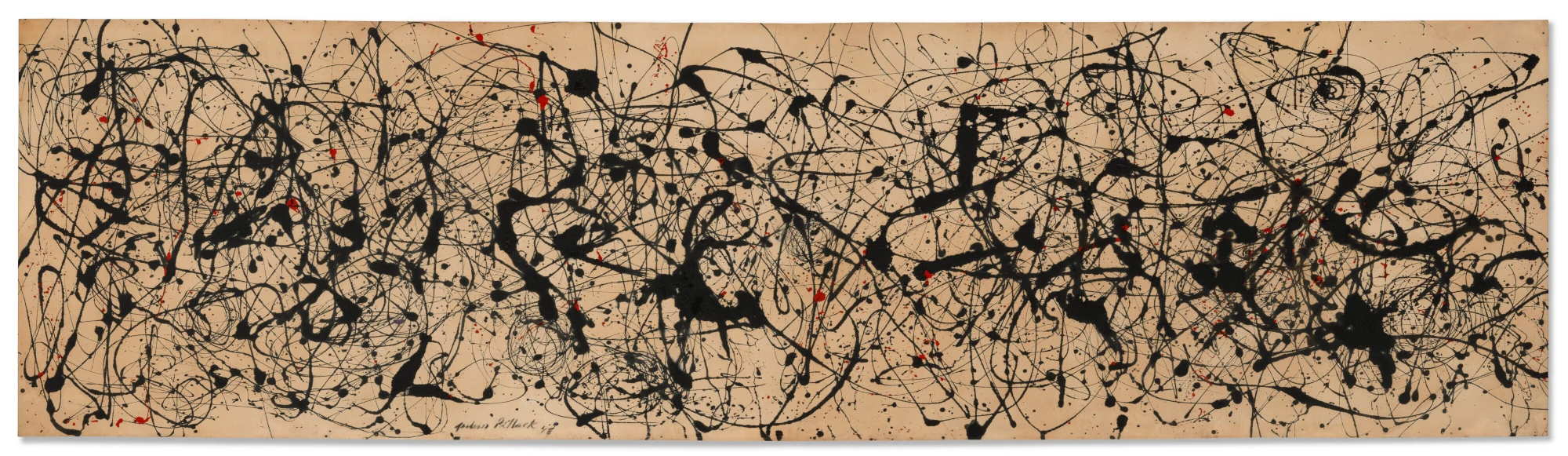
The strongest signal came from Christie’s Spring Marquee Week opener, where two consecutive evening sales achieved $1.12 billion with a 97% sell-through rate, making it only the second billion-dollar auction night in history. The defining moment of the evening was Jackson Pollock’s Number 7A, 1948, which sold for $181.2 million after seven minutes of aggressive bidding, tripling the artist’s previous auction record.
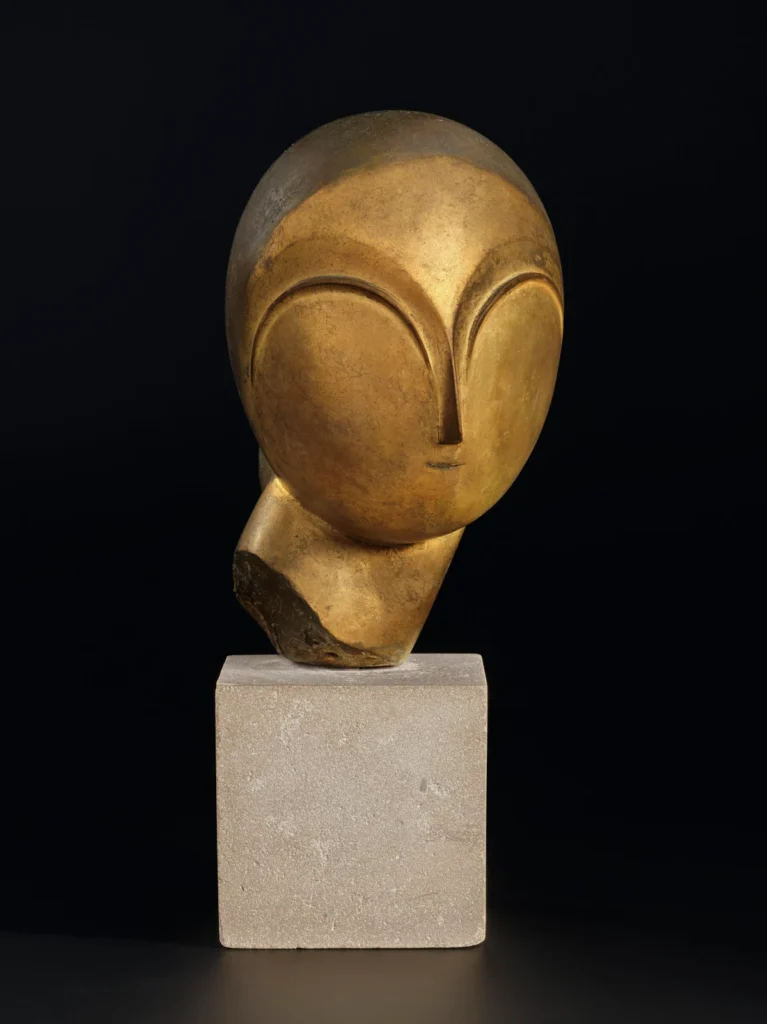
Shortly after, Constantin Brancusi’s Danaïde crossed the $100 million mark at $107.6 million, setting a new world record for the sculptor and becoming the second-most expensive sculpture ever sold at auction.
The momentum continued across the sale. Mark Rothko’s No. 15 (Two Greens and Red Stripe) achieved $98.4 million, establishing a new artist record, while new benchmarks were also set for artists including Joan Miró, Alice Neel, and Remedios Varo. The evening also underscored the continued importance of blue-chip private collections. The collection of late Condé Nast chairman S.I. Newhouse alone totaled $631 million, bringing cumulative sales from his collection to more than $1 billion across multiple auctions.

Only days later, Sotheby’s Modern Evening Sale reinforced the same narrative. The New York auction closed at $303.9 million, marking the strongest Modern various-owner sale since 2022 and rising 63% over the equivalent sale last year. The sale achieved a remarkable 98% sell-through rate, with bidders participating from 31 countries.
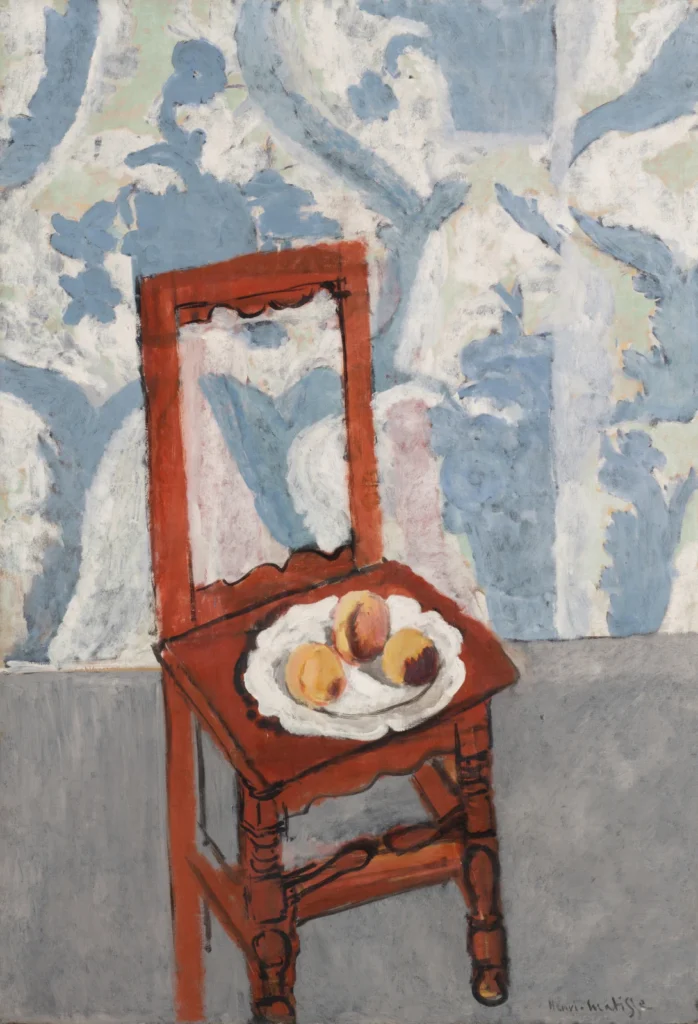
The standout work was Henri Matisse’s La Chaise lorraine, which returned to the market after nearly five decades and sold for $48.4 million following more than 10 minutes of bidding. The result became the second-highest price ever achieved for a Matisse painting at auction. Pablo Picasso’s Arlequin (Buste) followed at $42.6 million, while Vincent van Gogh’s La Moisson en Provence reached $29.4 million, setting a new benchmark for one of the artist’s works on paper.
But beyond the marquee prices, the auctions revealed several larger trends reshaping the future of the art market.
One of the clearest developments is the growing globalization of bidding activity. Collectors from Asia emerged as some of the most aggressive buyers during Sotheby’s Modern sale, acquiring works by Matisse, Picasso, Degas, and Tanguy.

The rise of younger buyers is equally significant. Sotheby’s noted that one Degas work was purchased by an Asian collector under the age of 40, a detail that would have been unusual even a decade ago in the traditionally older Impressionist and Modern market. Younger collectors are increasingly willing to compete for museum-quality works, particularly when provenance is exceptional and supply is limited.
Another major shift is the expanding strength of women artists at auction. At Sotheby’s, every work by a woman artist sold above its high estimate. Artists such as Dorothea Tanning, Leonora Carrington, and Georgia O’Keeffe posted standout results, continuing a trend that has accelerated steadily over recent seasons.

What makes these results particularly notable is the context in which they are happening. The art market, over the past few years, has faced rising interest rates, geopolitical instability, and slower speculative buying, leading many analysts to predict a cooling period for auctions. Instead, 2026 appears to be demonstrating that the top tier of the market remains remarkably resilient, especially when auction houses secure rare, fresh-to-market masterpieces with strong provenance.
Auction houses are no longer simply selling artworks; they are building cultural events around major collections, investing heavily in exhibitions, global client outreach, livestreaming, and luxury experiences that attract both seasoned collectors and new wealth audiences. Christie’s preview exhibition alone drew nearly 20,000 visitors before the sale began, the highest attendance ever recorded at Rockefeller Center for a sale preview.

For the future of the auction industry, these numbers suggest several things. First, confidence at the top end of the market is returning faster than expected. Second, auction houses are becoming increasingly global businesses rather than Western-centric institutions. Third, collectors are placing enormous value on rarity and provenance, particularly in a market where museum-quality works appear less frequently.
Most importantly, the billion-dollar week in New York signals that auctions are evolving from transactional sales into high-profile cultural spectacles capable of drawing worldwide attention. The industry is no longer dependent solely on traditional collectors. Younger buyers, international bidders, luxury consumers, and cross-category investors are all beginning to shape what the next decade of art collecting could look like.