
Auguste Rodin looked to ancient Egypt, not for its pharaohs or monuments, but for the way its artists captured the human form. From November 19, 2025, to March 15, 2026, the Institute for the Study of the Ancient World (ISAW) at New York University will present Rodin’s Egypt, bringing together more than 60 of his sculptures and Egyptian antiquities from his personal collection, many shown in the United States for the first time.
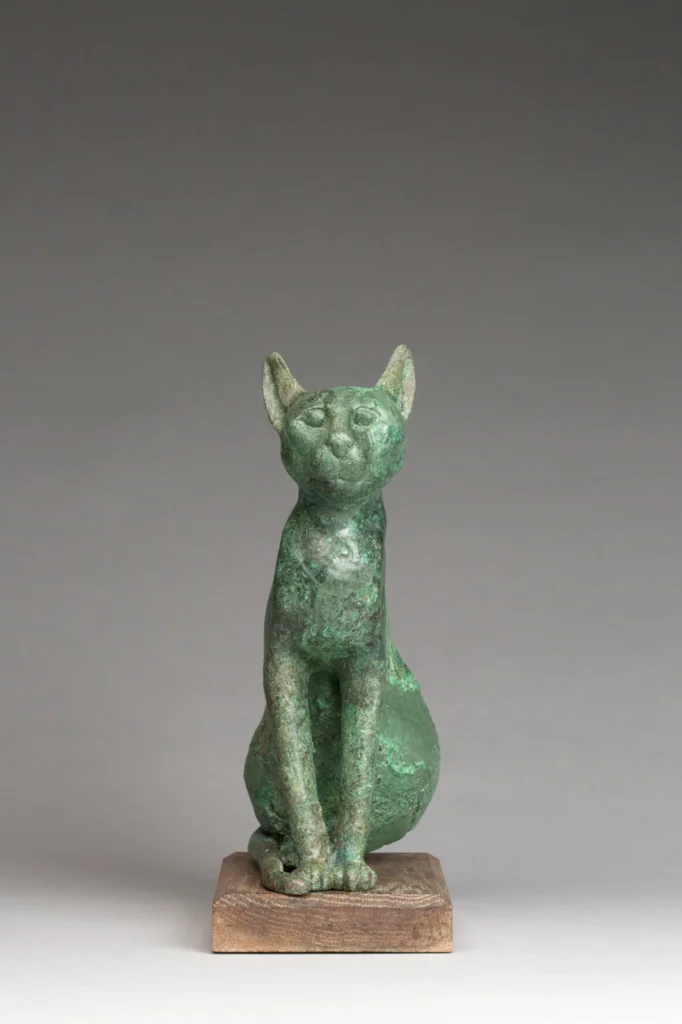
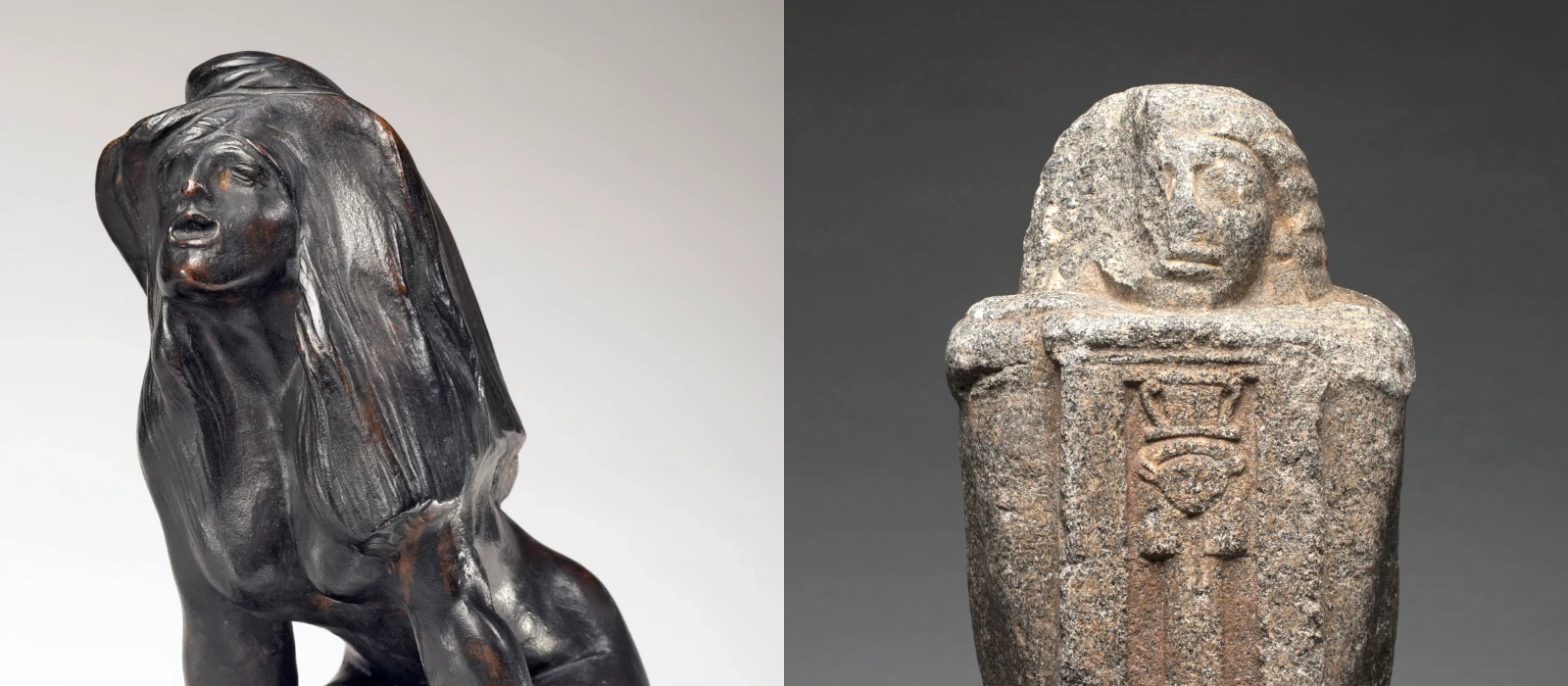
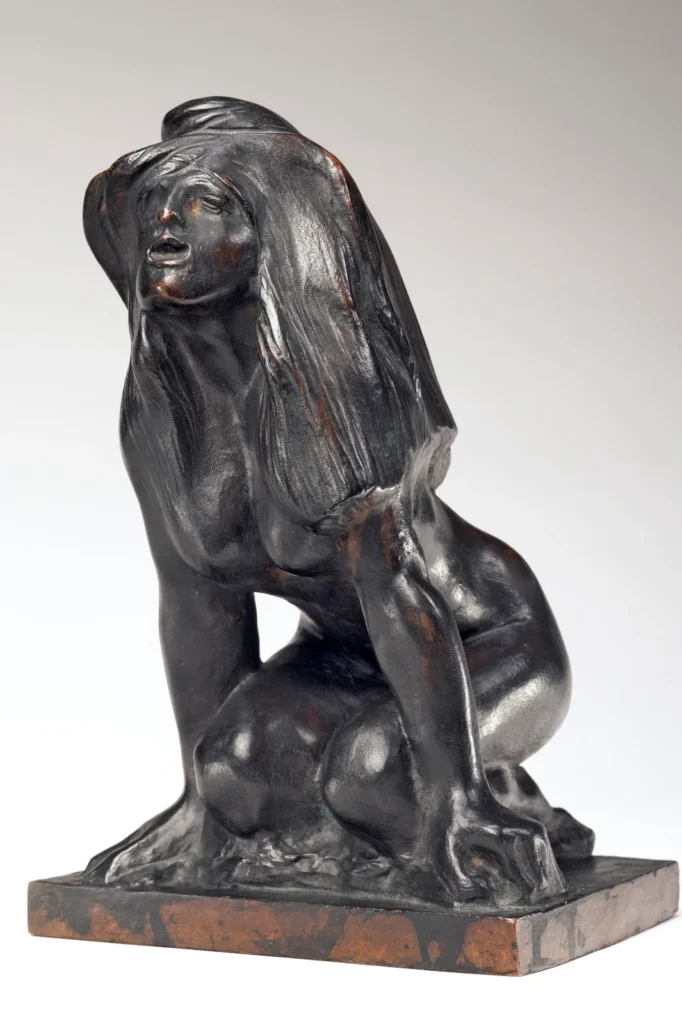
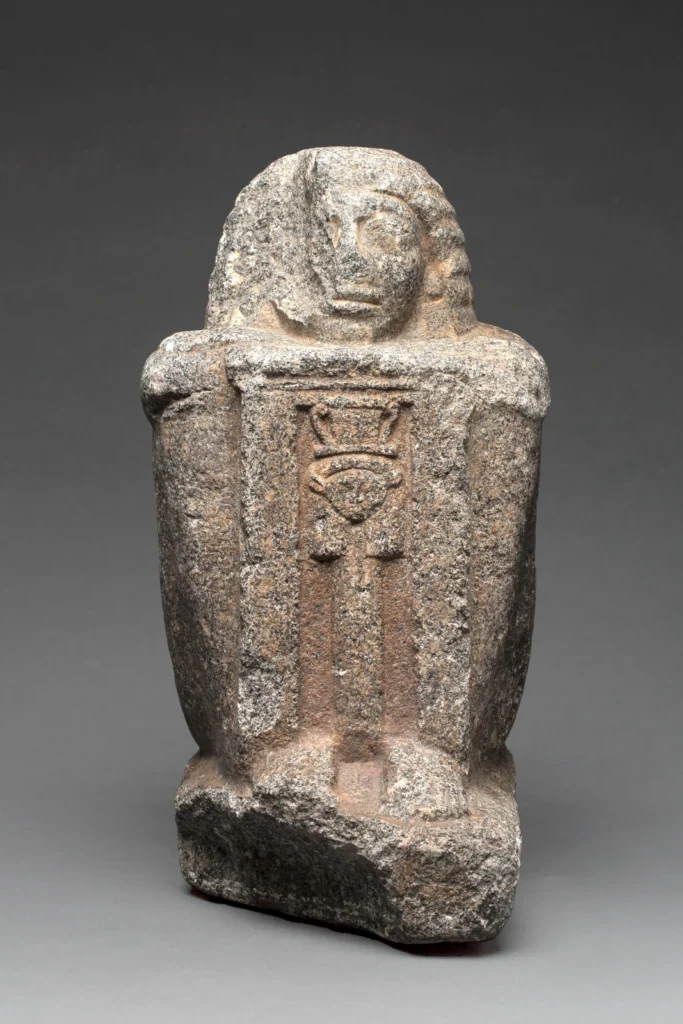
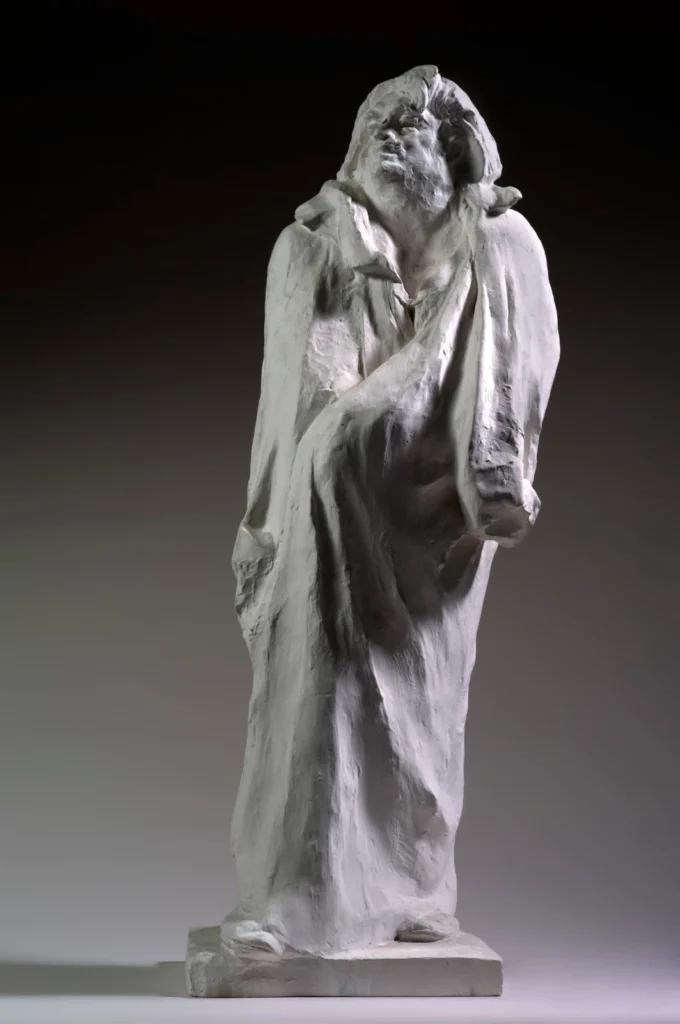
The exhibition places Mr. Rodin’s work directly next to the pieces that informed it, making the connections between the two visible. Visitors will see Monument to Balzac sharing space with small shrouded Egyptian figures, and The Succubus shown with sphinx sculptures and bronze cats. The arrangement makes it clear how Egyptian aesthetics fed into Mr. Rodin’s vision of the body.
Greg Woolf, Leon Levy Director of NYU’s ISAW, said, “Rodin’s Egypt is the product of a profound collaboration between colleagues in Paris and New York. The exhibition brings more than 60 objects from the Musée Rodin, which together illustrate the range of inspirations Rodin found in Egyptian material and the variety of his responses to it. Through it, we invite visitors to juxtapose two aesthetics of corporeality, that of ancient Egypt and Rodin’s very different vision, and to think about the various kinds of connection represented by the dialogue between them.”
Mr. Rodin’s fascination with Egyptian art began in the late 19th century, when Egyptology was taking hold in France. He was not focused on political history, but on the way Egyptian artists used form and material to represent the human figure. Over his lifetime, he gathered more than 1,000 objects, purchased, gifted, and inherited from friends, dealers, and fellow artists. In 1916, he gave the collection to the French state, where it remains at the Musée Rodin in Meudon, Paris.
Some of the most striking works in the exhibition show just how far Mr. Rodin took these influences. His practice of reusing plaster molds to assemble new bodies mirrors the composite forms of Egyptian gods. In certain pieces, he directly integrated Egyptian artifacts, placing his plaster figures on ancient vessels, merging two artistic traditions across millennia.
The show, curated by Bénédicte Garnier of the Musée Rodin in partnership with Dr. Roberta Casagrande-Kim, features loans from both the Musée Rodin and The Metropolitan Museum of Art.
Ms. Amélie Simier, Director of Musée Rodin, said, “This is the very first time that the masterpieces of Rodin’s Egyptian collection are exhibited in the United States. Bénédicte Garnier has been working for more than 15 years to document, restore, and make accessible the collection. She collaborated with Dr. Roberta Casagrande-Kim to create a particularly illuminating journey. It took the curiosity and courage of ISAW to organize an exhibition that is both beautiful and demanding, reflecting the most cutting-edge research. I invite you to immerse yourselves in this fountain of youth!”.
Additional programming will run alongside the exhibition, with details to follow. A fully illustrated catalogue with six thematic essays will expand on the themes, tracing Rodin’s engagement with Egyptian art and its impact on modern sculpture. Visitors can also explore the “Galleries @ ISAW” guide through the Bloomberg Connects app for deeper context, or visit the exhibition website launching November 19.
Rodin’s Egypt is free to attend, and will be open Wednesday to Sunday from 11 a.m. to 6 p.m., with extended hours on Fridays until 8 p.m. Free tours take place Fridays at 6 p.m. and Saturdays at 11 a.m.