
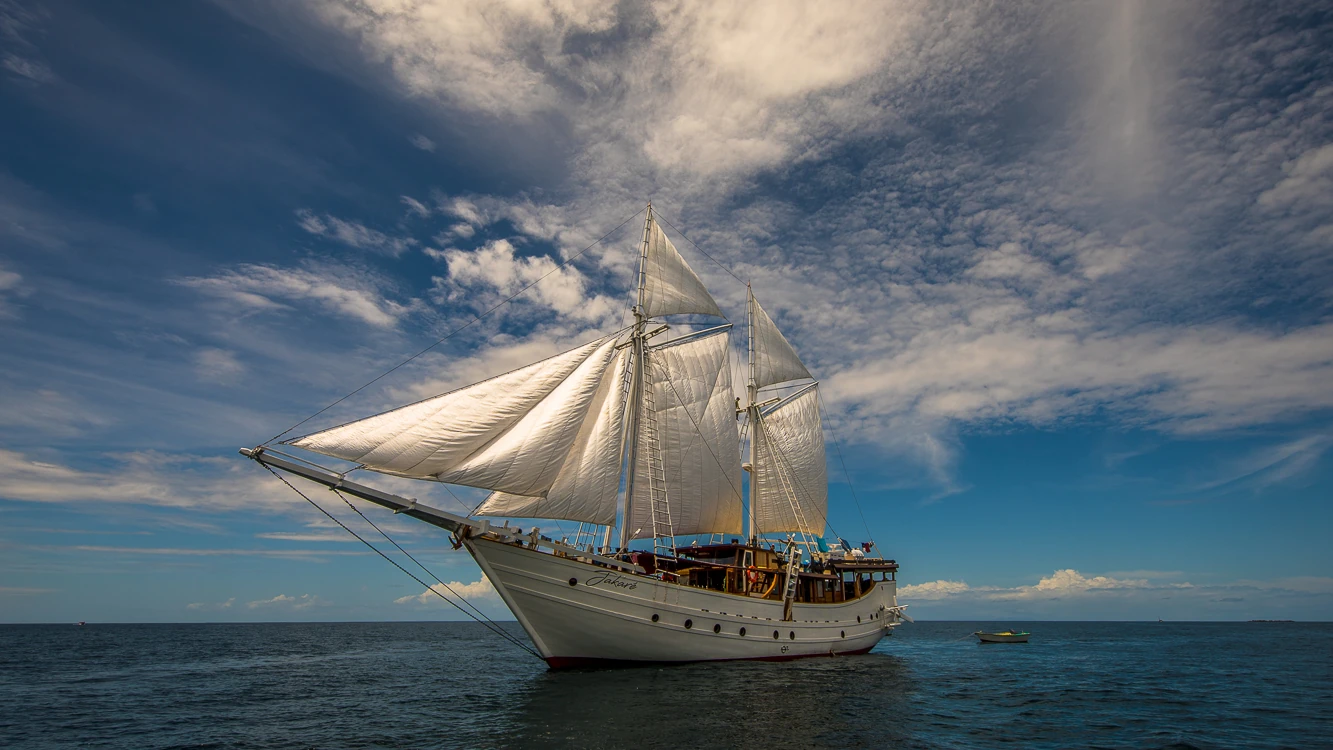
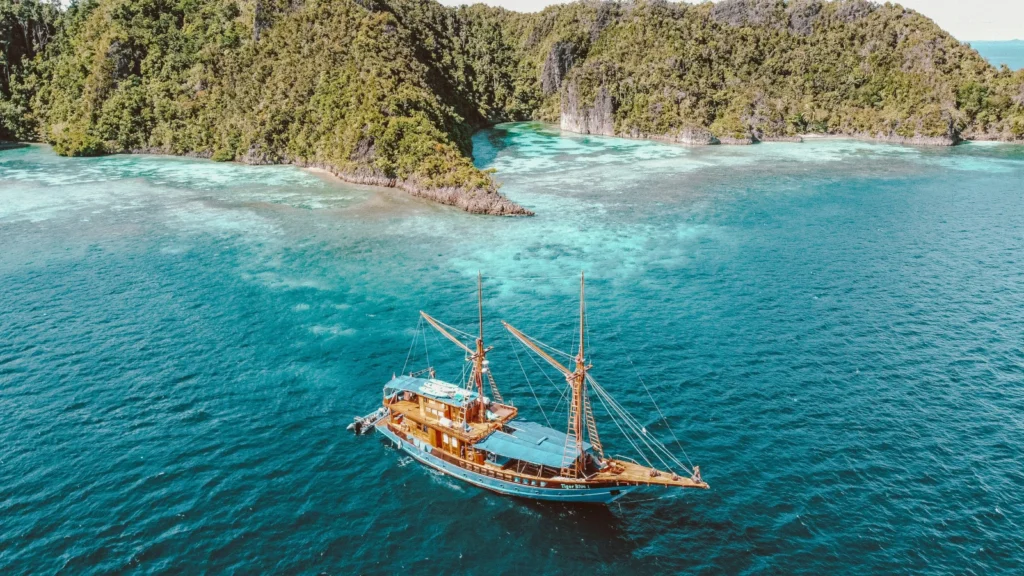
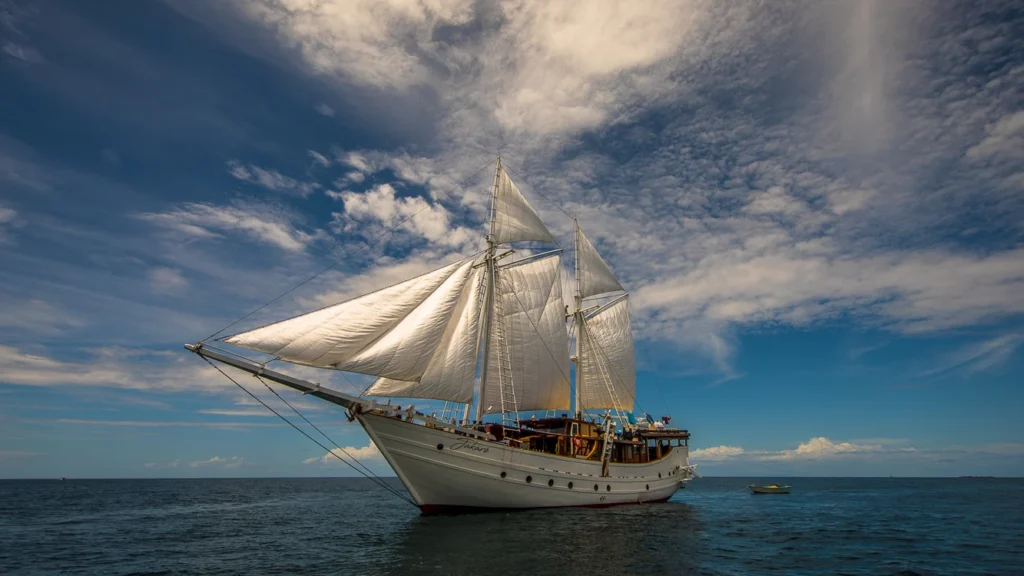
Few travel experiences rival the quiet magic of sailing through Indonesia’s archipelago. Thousands of islands rise from turquoise waters, coral reefs glow beneath the surface, and traditional wooden phinisi yachts glide across the horizon with sails that feel almost timeless. These elegant vessels, originally built by Bugis shipbuilders in Sulawesi centuries ago, have become the cornerstone of Indonesia’s luxury liveaboard industry. Today they carry travellers through Komodo National Park, Raja Ampat and some of the most remote marine landscapes in Southeast Asia.
But beyond the romance of sailing and the craftsmanship of the boats, another shift is taking place within Indonesia’s growing yachting sector. A new generation of women are stepping into leadership roles, quietly reshaping an industry that has long been dominated by men.
Across the global yachting workforce, women now represent roughly 28% of employees, according to industry estimates. Their presence is growing across roles from guest experience and design to marketing and operations. However, senior maritime positions remain limited, with only 5-8% of yacht captains worldwide being women.
Indonesia’s luxury charter industry is beginning to reflect a different picture.
Authority matters at sea, but so does heart.
From cruise directors guiding journeys through remote islands to creative leaders shaping the identity of luxury yachts, women are becoming increasingly visible across the sector.
Leading from the deck
For Jennifer Tan, Cruise Director aboard the luxury yacht Celestia, leadership at sea requires a careful balance of authority and empathy. “Being a woman in yachting has shaped me to lead with both strength and empathy,” she explains. “Authority matters at sea, but so does heart. Leadership is not about dominance, it is about presence, resilience and care.”
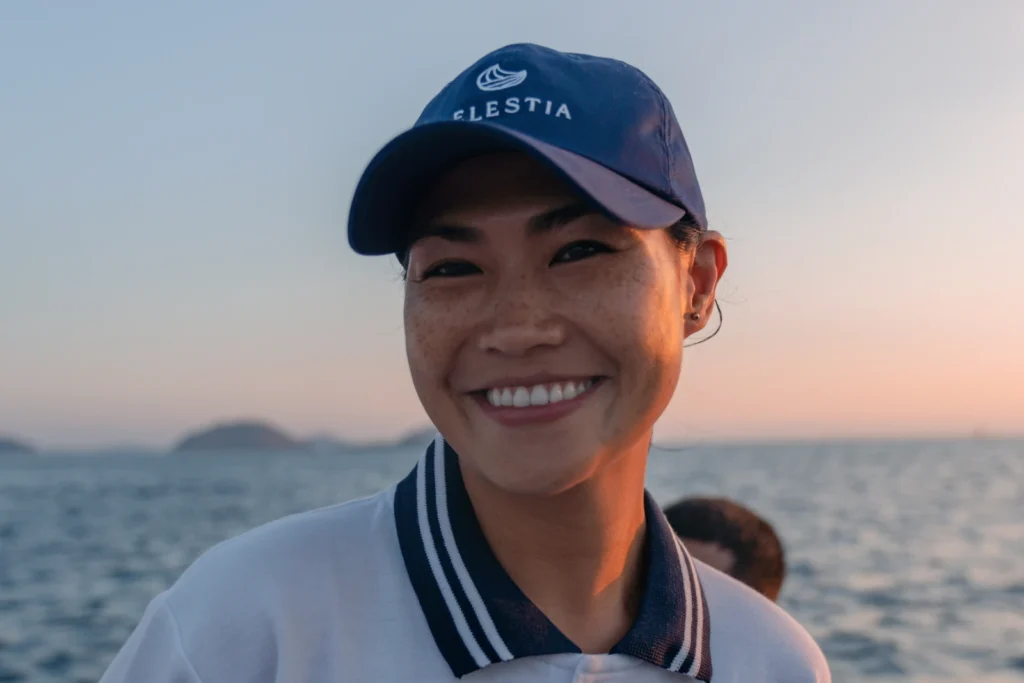
Tan manages every aspect of the guest journey on board, from coordinating itineraries through Indonesia’s remote islands to overseeing the daily rhythm of life for crew and guests alike. In an environment where teams live together for weeks at a time, she believes emotional intelligence becomes an essential leadership skill. “Leadership is not about gender,” she says. “It is about competence, composure and character.” Her vision for the future of Indonesian yachting includes seeing more local women step into maritime leadership roles, including operational management and captaincy.
Where design meets the ocean
The transformation of Indonesia’s luxury yachting scene is not happening only on the water. It is also being shaped by creative voices bringing new perspectives to the industry. For Jasmine Chong, co-founder and creative director of the phinisi yacht Celestia, the journey into yachting began unexpectedly.
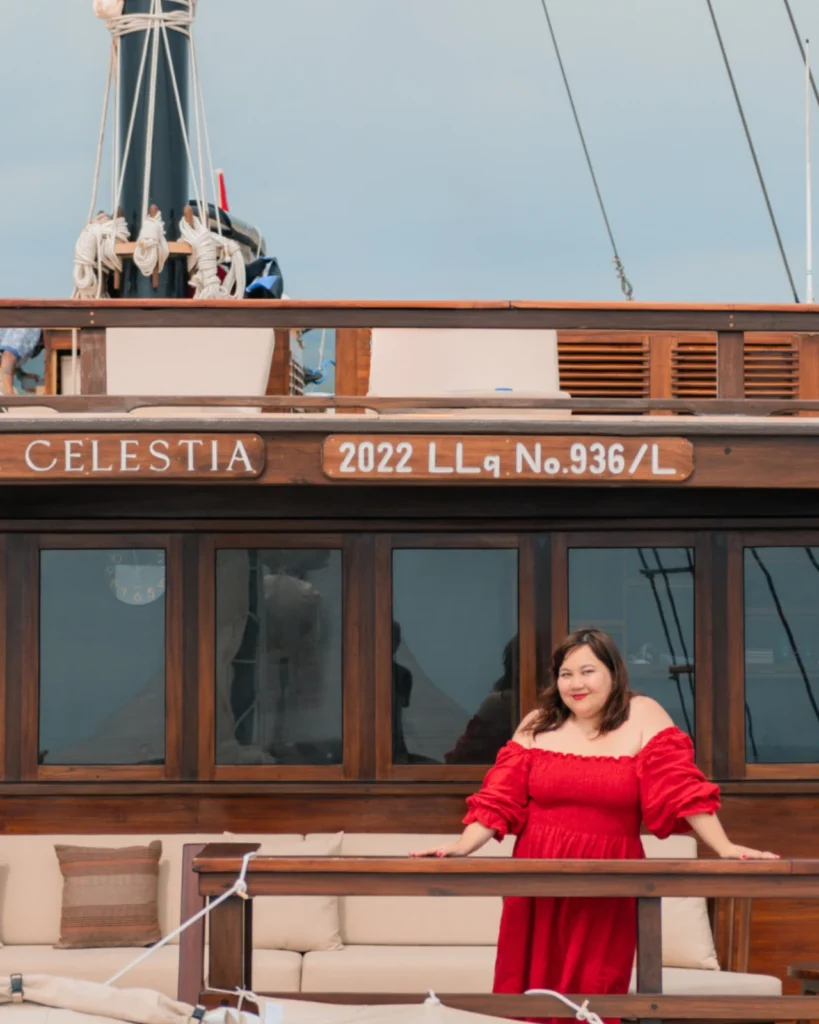
Based in New York and originally working in fashion, Chong launched the yacht project with her brother during the pandemic. What began as a personal idea eventually evolved into a luxury sailing experience that merges design, hospitality and Indonesian maritime heritage.
“Hospitality is deeply intuitive,” Chong says. “Indonesian culture has a natural warmth and attentiveness, especially among the women we work with. Bringing that spirit into the world of yachting creates a more meaningful experience for guests.”
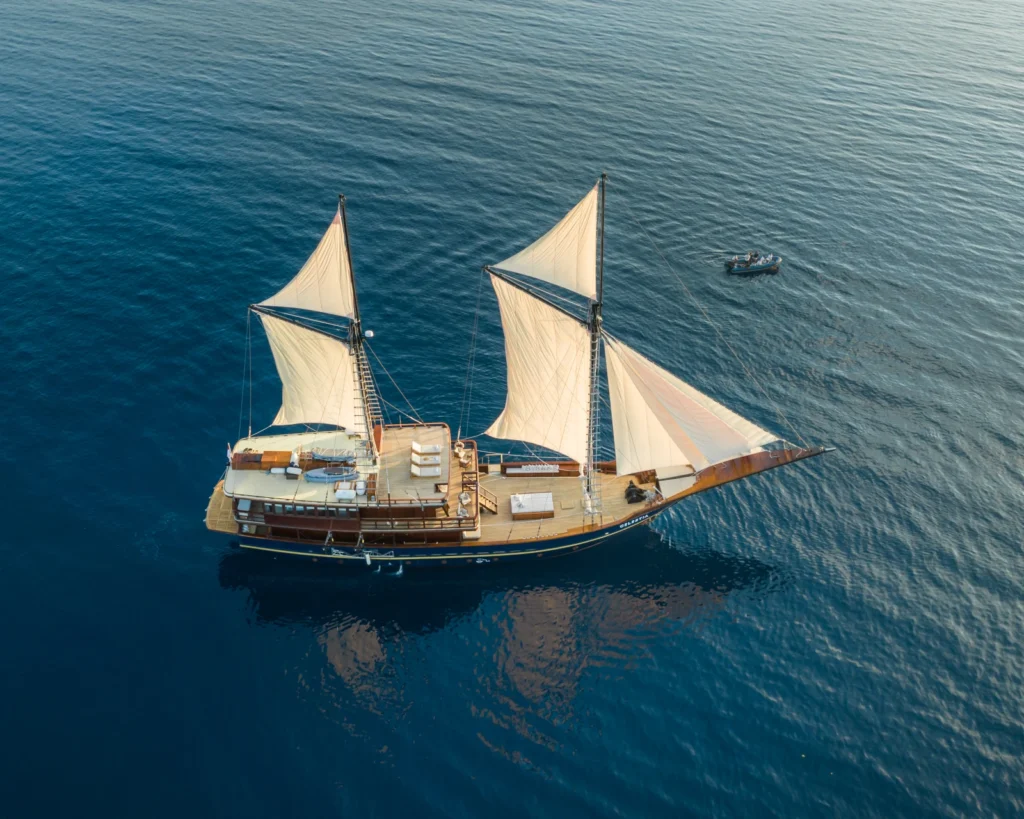
Her approach blends design sensibility with storytelling. The yacht’s interiors, panoramic ocean views and curated itineraries are intended to create a space where guests can connect with the archipelago on a deeper level. That vision has helped elevate the vessel’s international visibility. The yacht was selected for the Golden Globes official gift bags in 2024, 2025 and 2026, placing Indonesia’s luxury sailing experiences in front of a global audience.
Changing the narrative
Behind the scenes, marketing and storytelling are also playing a crucial role in how Indonesia’s yachting industry presents itself to the world. For Meryl Maharani, Marketing Manager at YMA Yachting, the industry requires a blend of creativity and strategy.
“Yachting combines maritime tradition with hospitality, storytelling and guest experience,” she explains. “You need to understand people, business and operations all at once.”
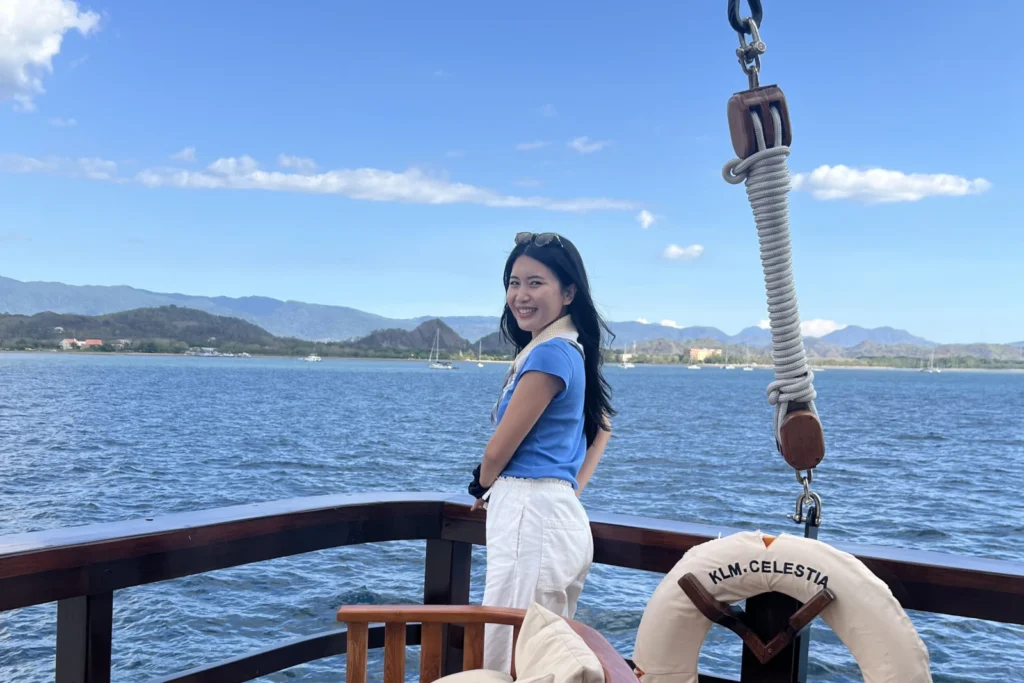
As Indonesia positions itself as a premier luxury sailing destination, Maharani believes women bring valuable insights into how travel experiences are designed and communicated. “In many households, women are the ones researching and planning travel experiences,” she says. “Understanding how they think and what inspires them becomes incredibly important when designing guest experiences or marketing journeys.”
However, she also notes that women have historically been positioned in supporting roles within maritime industries rather than strategic leadership positions.
Over time the crew becomes like a second family.
Her hope is that the next phase of growth will see women stepping into roles such as sales directors, fleet managers and industry representatives on the global stage.
Life in a floating community
Working on a yacht is unlike most careers in travel. Crew members share not only their professional responsibilities but also their daily lives, often spending weeks together navigating remote waters far from land. For Audrey Fougère, Cruise Director aboard the liveaboard yacht Jakaré, building trust within the crew is essential. “Living and working on a boat creates very strong relationships,” she says. “Over time the crew becomes like a second family.”
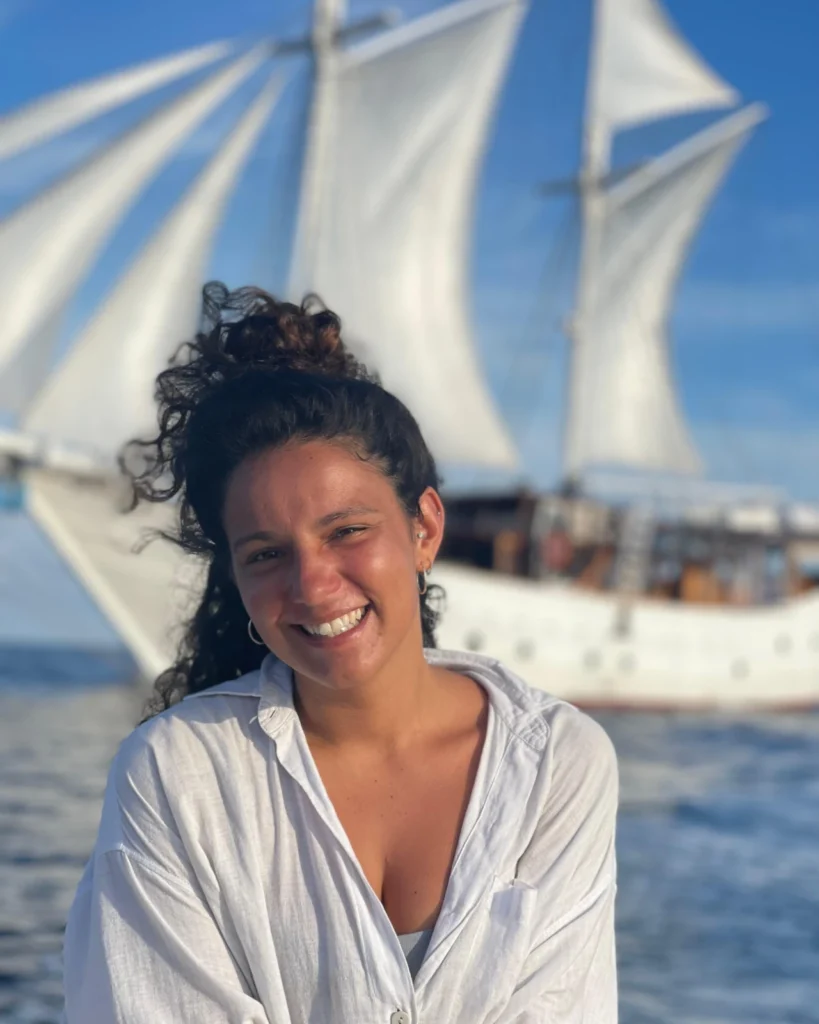
Her leadership style focuses on collaboration and communication, especially when managing multicultural crews. “At the beginning of my career I often felt I had to prove myself,” she recalls. “Some people assumed that a woman would not be strong enough for the role.” Over time she discovered that leadership at sea relies less on authority and more on trust. “Respect comes from communication, patience and understanding,” she says.
Looking ahead, she hopes to see more women entering technical maritime roles such as captains, engineers and dive instructors. “These roles should not be seen as men’s jobs,” she says. “They are simply professions where anyone with passion and ability can succeed.”
The future of sailing in Indonesia
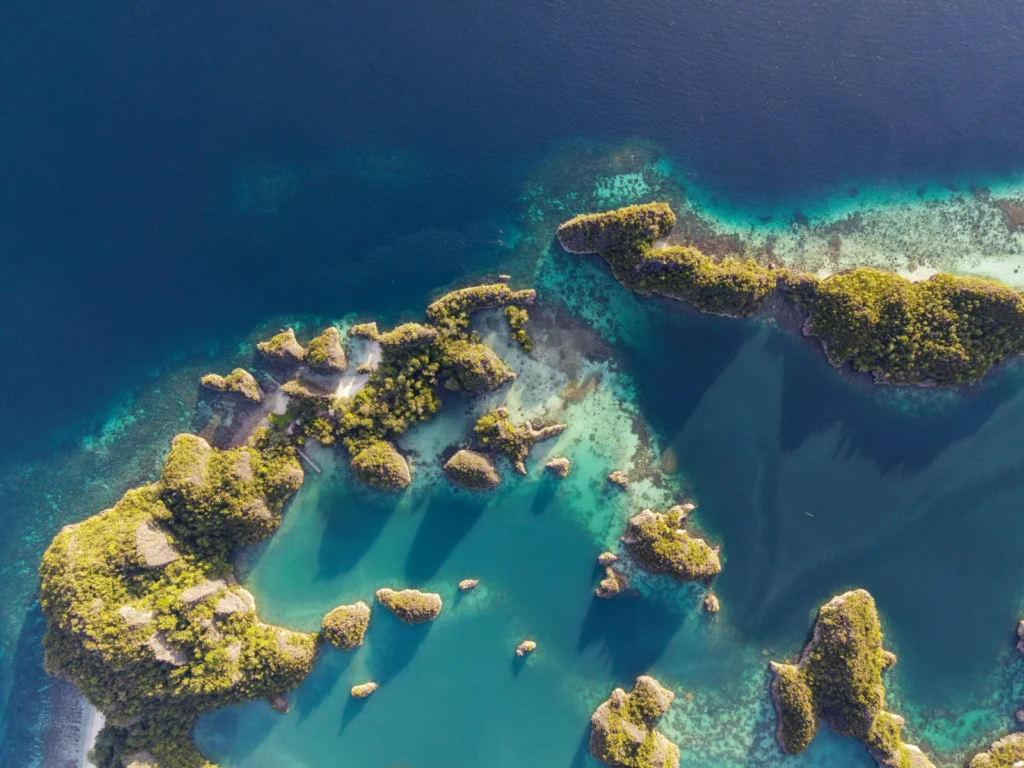
With more than 17,000 islands, Indonesia offers one of the most diverse sailing destinations in the world. Remote reefs, volcanic landscapes and hidden island communities continue to draw travellers seeking immersive and adventurous journeys.
Traditional phinisi yachts have become the defining symbol of that movement. Handcrafted using centuries-old techniques, the vessels embody the country’s maritime heritage while offering the comfort and sophistication expected by modern luxury travellers. Yet the future of Indonesia’s yachting industry will not be defined only by destinations or vessels.
It will also be shaped by the people leading it.
Women like Tan, Chong, Maharani and Fougère represent a new chapter for the industry. Through their leadership, creativity and resilience, they are helping expand what leadership at sea can look like. And as Indonesia’s luxury yachting scene continues to grow, their presence suggests that the winds of change are already filling the sails.