
The Smithsonian’s National Museum of Asian Art has announced plans to return three historic South Indian bronze sculptures to the Government of India following extensive provenance research that determined the works had been illegally removed from temple sites. Under an agreement with Indian authorities, one of the sculptures will remain in Washington, D.C., on long-term loan, enabling the museum to share the object’s complex history of origin, removal, and restitution with the public.
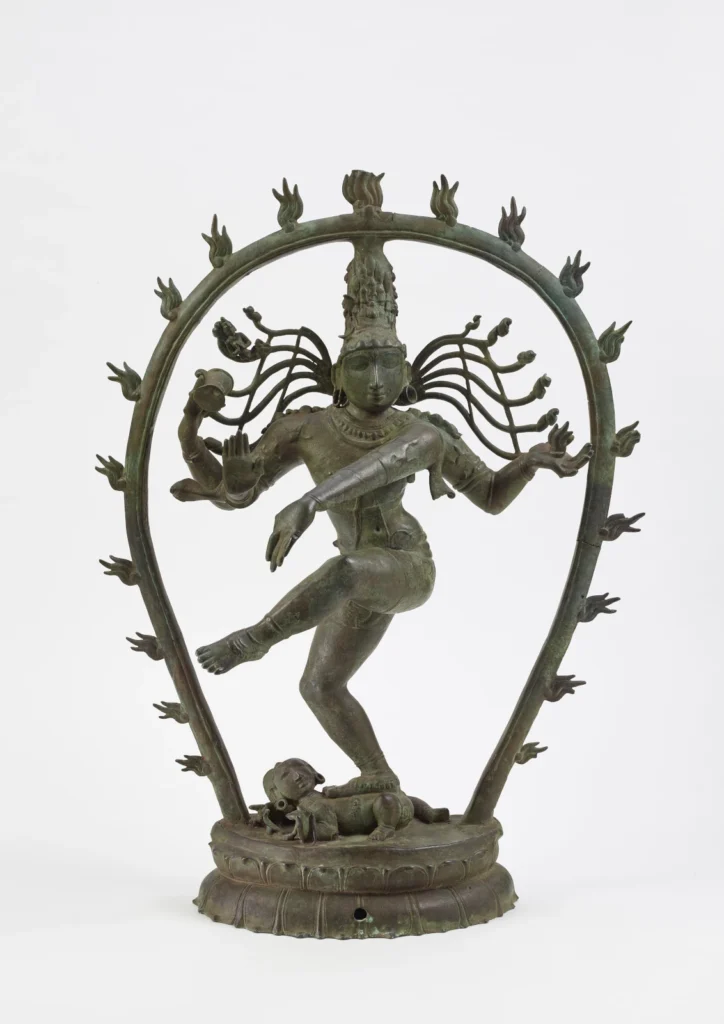
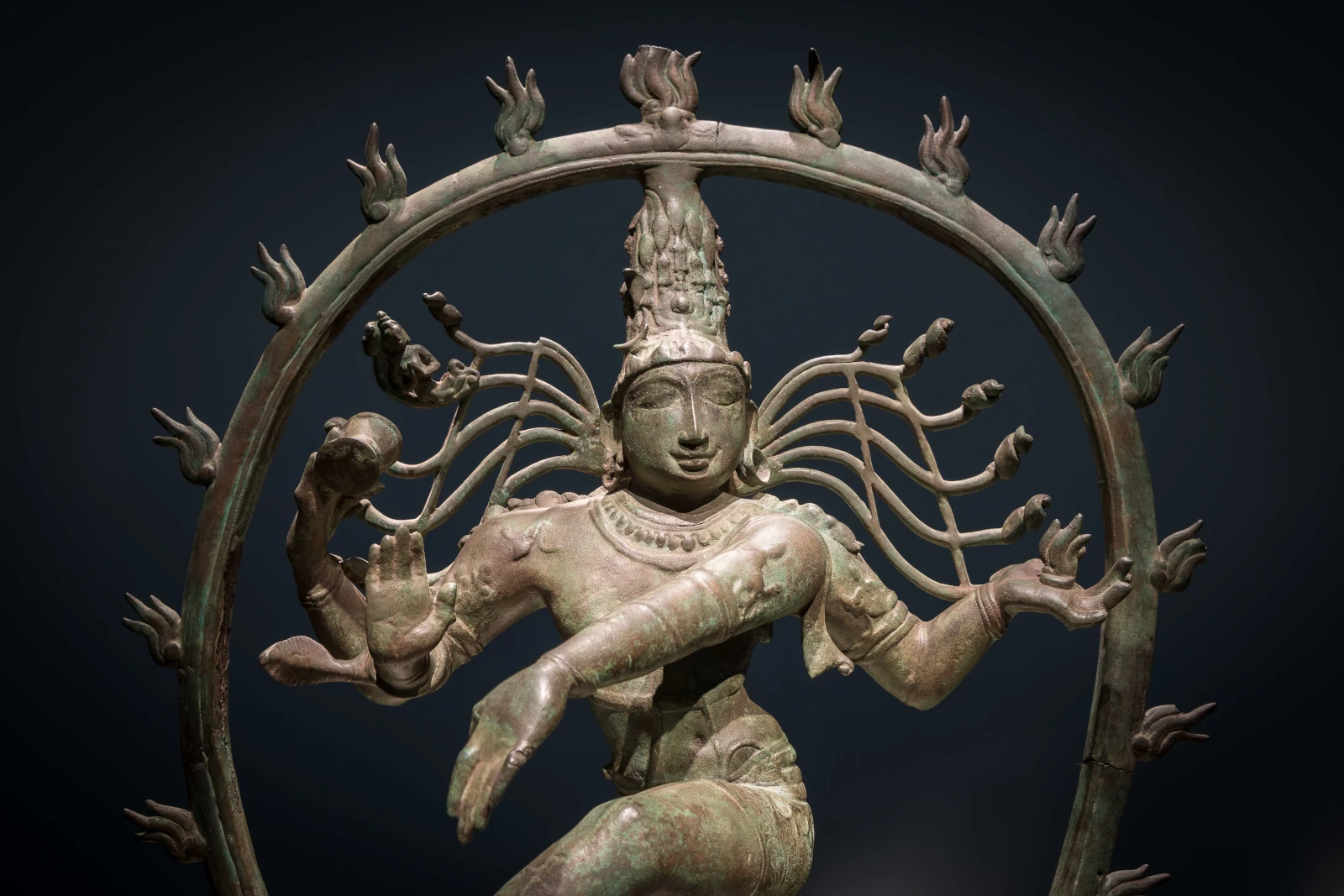
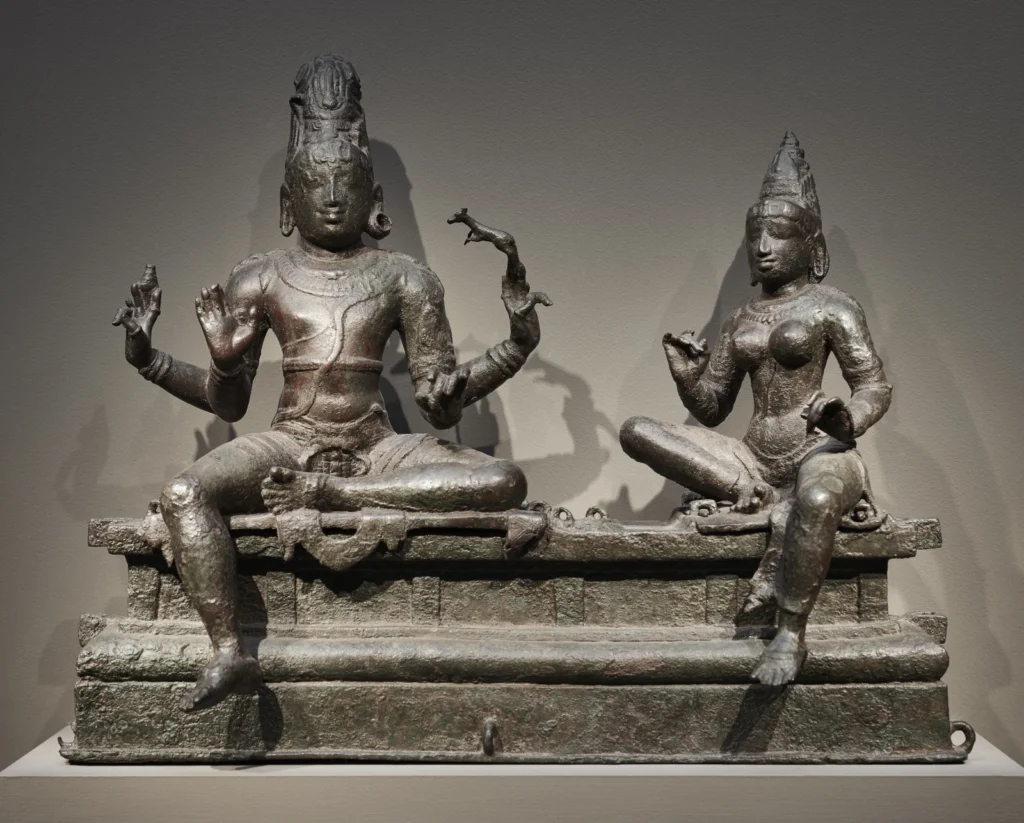
The sculptures—Shiva Nataraja (Chola period, circa 990), Somaskanda (Chola period, 12th century), and Saint Sundarar with Paravai (Vijayanagar period, 16th century)—are masterworks of South Indian bronze casting and were originally sacred processional icons used in temple rituals. The Shiva Nataraja, which will remain on view as part of the exhibition “The Art of Knowing in South Asia, Southeast Asia, and the Himalayas,” will be accompanied by interpretive materials detailing its full provenance and repatriation journey.
The decision follows a multi-year, systematic review of the museum’s South Asian collection. In 2023, researchers working with the Photo Archives of the French Institute of Pondicherry confirmed that all three bronzes had been photographed in temples across Tamil Nadu between 1956 and 1959. The findings were subsequently reviewed by the Archaeological Survey of India, which affirmed that the sculptures had been removed in violation of Indian law.
“This return reflects our commitment to ethical stewardship and transparency,” said Chase F. Robinson, director of the National Museum of Asian Art. “We aim to understand objects in our care in their full complexity—not only how they came to the museum, but where they originated and how they moved across time. The return of these sculptures demonstrates that commitment, and we are grateful to the Government of India for enabling us to continue displaying the Shiva Nataraja for the benefit of our visitors.”
Detailed provenance research revealed distinct acquisition histories for the works. The Shiva Nataraja originated from the Sri Bhava Aushadesvara Temple in Tamil Nadu, where it was photographed in 1957. It was acquired by the museum in 2002 from the Doris Wiener Gallery in New York. According to the official statement, museum researchers later determined that falsified documentation had been used to facilitate the sale.
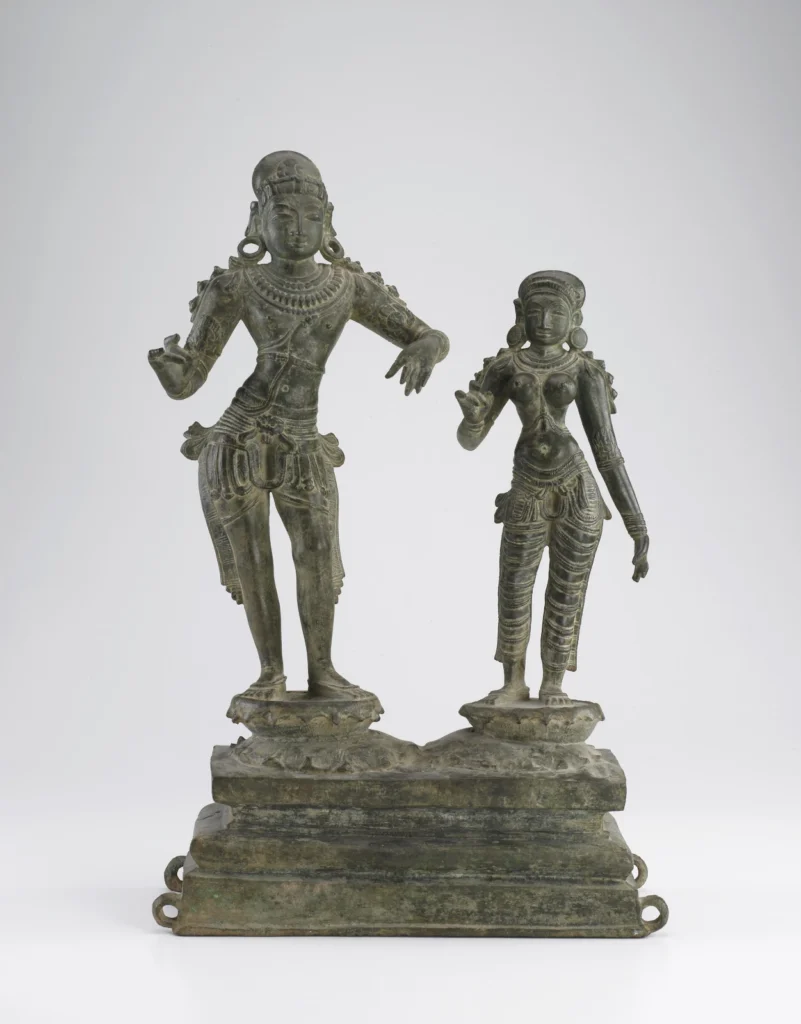
The Somaskanda and Saint Sundarar with Paravai entered the museum’s collection as part of a 1987 gift of approximately 1,000 objects from Arthur M. Sackler. Archival photographs confirmed their presence in temples in Tamil Nadu in 1959 and 1956, respectively.
The museum emphasized that the returns were made possible through the work of its dedicated provenance research team, curators of South and Southeast Asian art, and international collaborators.
In recent years, the museum has expanded its commitment to ethical returns. In December 2025, under the Smithsonian’s Shared Stewardship and Ethical Returns Policy, it announced the return of three sculptures to Cambodia, with one remaining on long-term loan. The upcoming return to India continues that trajectory, reinforcing a growing shift within major museums toward transparency, accountability, and shared stewardship of cultural heritage.