
Recently, the construction industry has seen a shift. Sustainable and green technologies are being used more and more often. As people start to see the importance of taking care of the environment, homeowners and builders have turned their attention towards employing eco-friendlier methods of construction in their houses. This article discusses several types of eco-friendly practices that are changing the way houses are built, making them sustainable and environment-friendly.
Energy-Efficient Design
The most important principle that contributes to green buildings is constructing them in a way that they consume less energy. Modern architects and designers are spending much of their time and effort on crafting buildings that use minimum energy possible. One possible way to achieve it is to position the building toward the south side so that it can absorb the maximum amount of light and heat. Installation of energy-efficient windows and doors, and including proper insulation are other ways to save energy. This allows homeowners to save on their energy costs.
Sustainable Building Materials
The materials used in construction are crucial to understand if the construction followed the diktats of sustainability. It is becoming a common practice to substitute traditional materials with eco-friendly ones that are less harmful to the environment. Some of the materials are:
- Waste steel that is recycled
- Bamboo that grows fast and is very renewable
- Wood that spent the first part of its life as some other building
- Hempcrete that can be used for buildings, roads, or block-style building
- Plastic that is recycled
Not only do these materials diminish the need to buy new resources, but they also provide excellent durability and insulation properties in most cases.
Water Conservation Measures
Water conservation is one of the most fundamental elements of the eco-friendly building. Builders now attempt to add energy-efficient installations, such as water-saving fixtures, that not only conserve, but also produce energy by utilizing natural forces. This includes:
- Low-flow faucets and showerheads
- Dual-flush toilets
- Rainwater harvesters
- Greywater recyclers
This induces people to preserve water resources by changing their water usage behaviors and learning other ways to save water.
Renewable Energy Systems
There are multiple renewable energy system options to add to the sustainability features of a building. Among the many choices, solar panels are perhaps the most favorable to people who are now building their homes. It helps them to collect electricity and save on high energy costs. The other ones to choose from are small windmills and geothermal systems that take advantage of the earth’s internal heat. Besides the issue of environment, renewable energy sources could, in the long run, generate substantial benefits by cutting costs for the building owner.
Smart Home Technology
Smart homes are utilizing technology that help in less power wastage, and as a result, homes are eco-friendlier than ever before. Sensor technology is now linked to electricity systems to help control heat, coolness, and lighting, which can be set in such a way as to turn on only when necessary. The technology helps to conserve massive kilowatts of energy (in the long run), which in turn helps to be clean environmentally, thereby adding to a building’s sustainability features for a good home living. It also adds a luxurious touch to your home design.
Green Roofs and Sustainable Landscaping
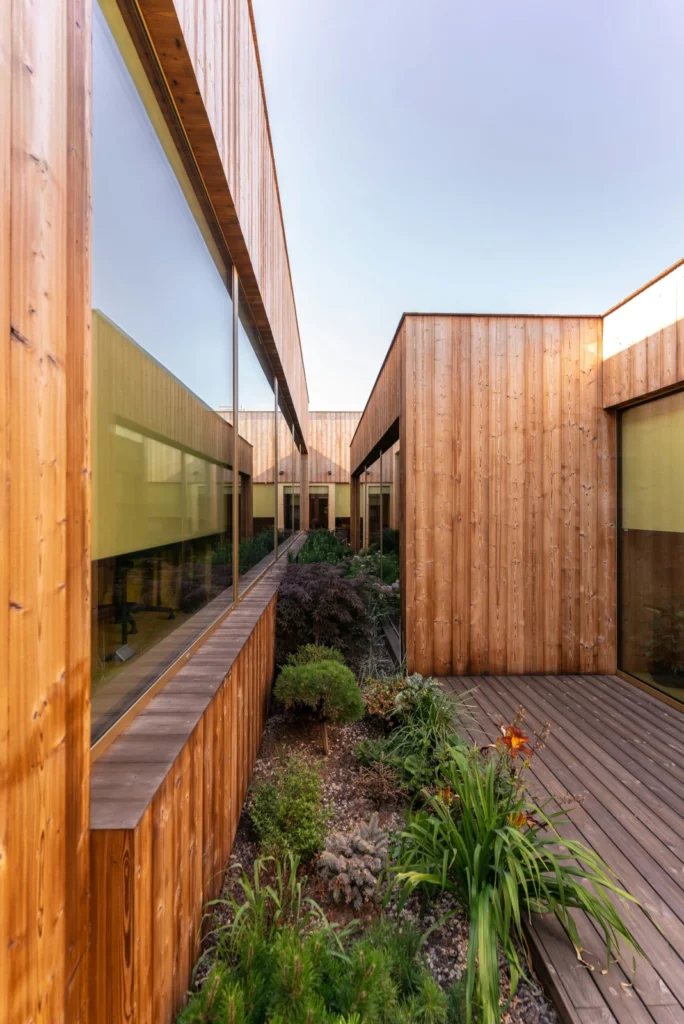
Green rooftops and sustainable landscaping are the new developments for earth-friendly house architecture. They not only bring beauty to homes but also bring several ecological benefits. They help cities to conserve energy, reduce heat islands, and manage water runoff. On the other hand, sustainable landscaping is about adding water-efficient plants and installing less-wastage irrigation systems.
The Role of Home Builders
Home builders have brought a paradigm shift in the real estate sector where they are the changing the game by redesigning themselves to add sustainable and eco-friendly principles. Professional builders, who are also green certified and applicants of eco-friendly building techniques, work with house buyers to add environmentally friendly materials and help them to build homes that are green. This commitment to building green is evident among many builders in Perth, who are leading the way in creating more sustainable and environmentally conscious communities.
Conclusion
On the whole, eco-friendly residential construction is the wave of the future in the realm of ecological safety. Various eco-friendly tools, such as sustainable materials, energy-efficient appliances, and water-saving smart treatments, have actually turned the table in the process of home construction and luxury living. A higher level of knowledge and advances in technology can also be expected to make eco-friendly practices mainstream in the housing industry, contributing to a more sustainable breed of construction.
The other impact is that home owners can afford a living that does not harm the environment and still save money on electricity bills, whereas, they are able to have a better life indoors. As we move forward, the implementation of green practices in home construction will be a key factor in advancing the sustainability of communities and bettering the environment for future generations.