
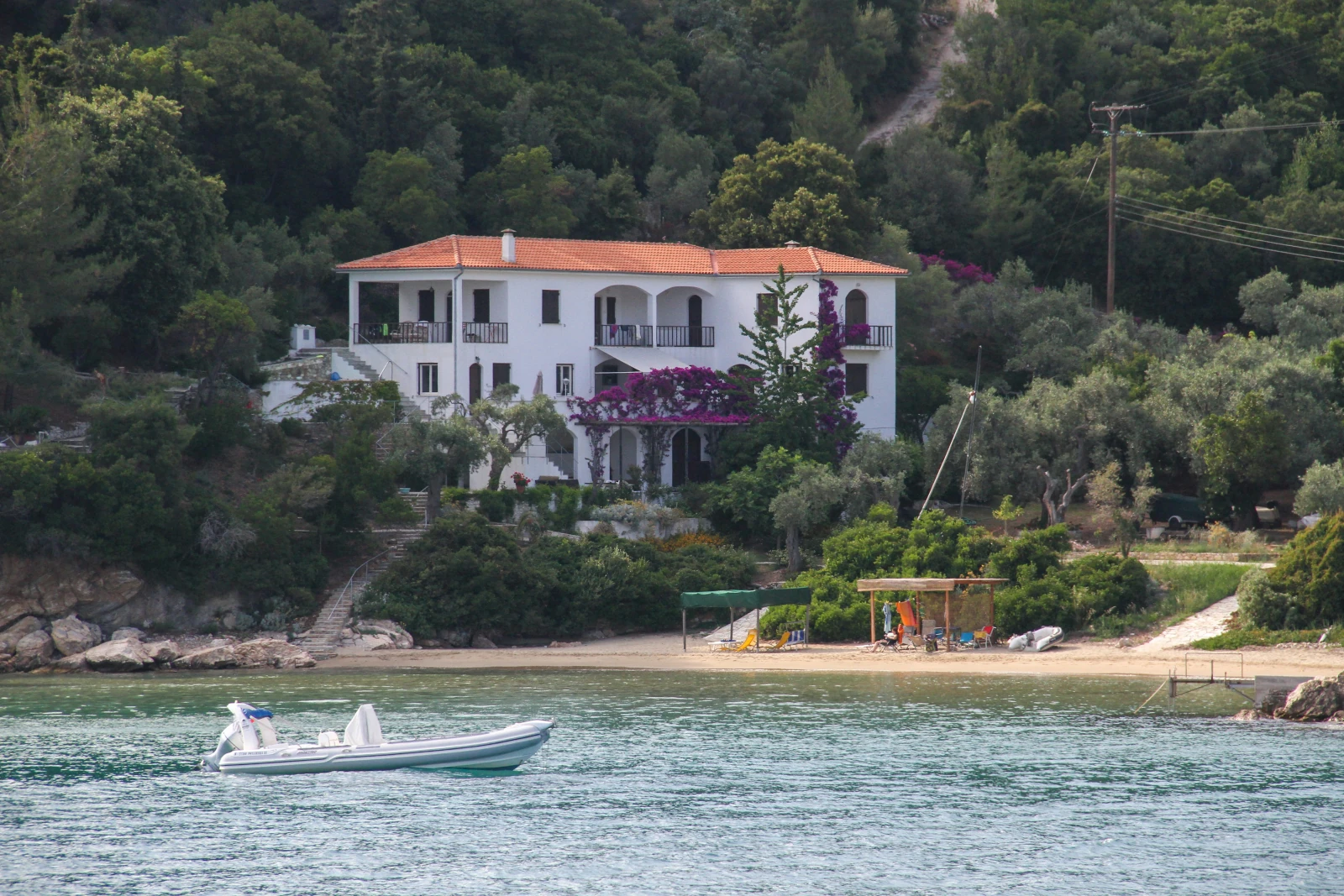
When it comes to the wealthiest parts of society across the world, many are looking beyond big cities in search of their homes or to diversify the investments they already have in place.
The wealthy will often look at places that help to minimize taxes as much as possible, while also providing them with better lifestyle and cultural opportunities.
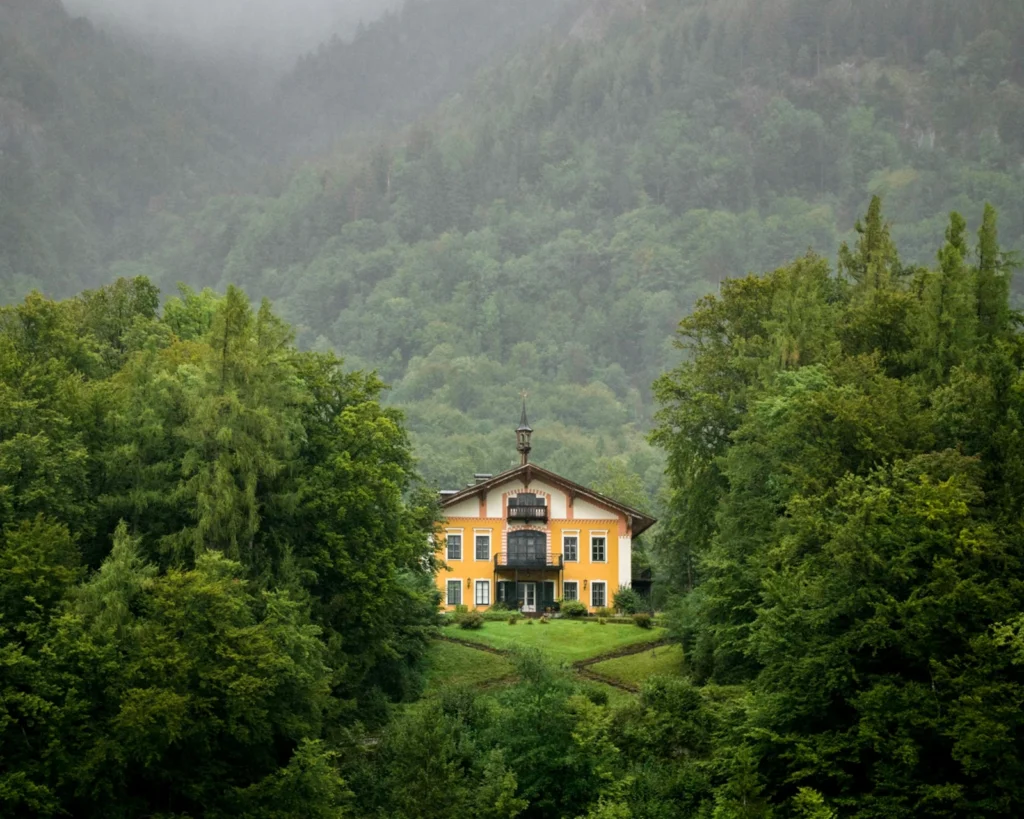
The real estate market continues to grow and change, so it’s important to look at what’s fresh and exciting within the market that not only provides the buyer with a home but also an investment that will hopefully reap benefits in the future.
In this guide, we’ll look into why some of the world’s wealthiest are looking beyond big cities for their home, whether it’s favoring investment climates to providing more in the way of financial stability and independence.
The slow fade of urban exclusivity
There’s been a somewhat gradual fade of urban living, perhaps notably in the last few years since the pandemic. There are a number of reasons as to why this might be, such as the increased amount of remote work now available, as well as the rising urban costs that have come with city living for many of its dwellers, whether they rent or own their property.
So what does the slow fade of urban exclusivity mean in terms of buyers for real estate property?
There’s a decreased appeal
When it comes to city living, it’s become a place for many that’s no longer a destination that they must have. What once would have been a great investment for certain demographics might not be so appealing, especially when people can work from wherever they want nowadays.
That decline in urban exclusivity, though, is a slow process. There’s a gradual withdrawal and shift in priorities, but many people still enjoy living in the city.
Remote work has changed the business landscape
Remote working has certainly changed the business landscape significantly. The widespread adoption of remote working has allowed many people to be liberated from the need to live near the office or within a city where a lot of companies are based.
This opens up a world of opportunities and potential that expands beyond traditional urban spots.
The romanticized notion of living in a city is challenged
Like the American dream, the idea of a city has been romanticized over time, and the accuracy of it in reality is far from what you see on television or on the movie screens.
There’s an idea that’s been pushed forward by many cities as a vibrant and essential place for people to have the best experiences, both personally and professionally.
The idea of the city as a vibrant, essential place for personal and professional growth is fading as alternative lifestyles become more viable and attractive.
The high cost of living in many urban areas has made city life less accessible and appealing, especially when compared to more affordable alternatives in smaller towns or rural areas.
Lifestyle shifts
Some lifestyle shifts have certainly influenced why some of the wealthiest parts of society are looking for property outside of the city.
For example, there’s a growing desire for more space, a stronger connection to nature, and a slower pace of life. The increased options available with suburban and rural amenities make it more appealing than what’s also available in the city.
How private coastal properties are redefining modern luxury living
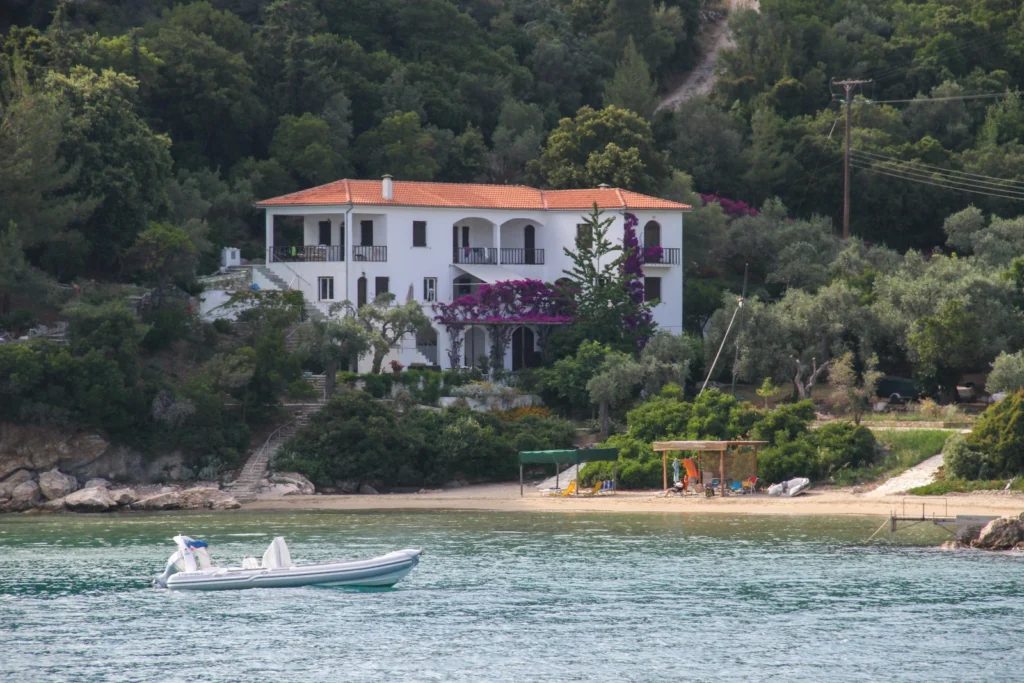
With modern waterfront properties being particularly sought after, it’s no surprise that such properties have redefined what modern luxury living looks like now that city living isn’t as attractive.
With private coastal properties in particular, they do a lot in redefining luxury by offering that exclusivity and a lifestyle that many could only dream of experiencing.
From private access to stunning views and a variety of amenities, ultra-private waterfront villas are certainly a great option for investment, as well as for investing in your quality of life, too. Such luxury real estate properties include resort-style amenities and waterfront villas.
A gated community is often reserved for the ultra-wealthy, but even that has become a little more accessible with the demand that homeowners now have within that financial bracket.
What the shift means for the next decade of real estate
So what does this shift mean for the next decade of luxury real estate? What can investors and homeowners expect to look for when it comes to finding property beyond the big cities?
Integrated smart technology
The use of integrated smart technology, where homes have become smarter, is certainly something that is expected to grow in the years to come. The use of AI for enhanced security and convenience is also going to become more frequent.
Even though the big cities are where a lot of advanced technology originates from, suburban and rural homes can also benefit from this technology. There are plenty of platforms and tools that will also help investors, agents, buyers, and sellers to access information, etc.
Sustainability
Eco-conscious construction, as well as embracing green building practices, can be helpful for the environment and for attracting those eco-conscious buyers.
Hybrid living and working spaces
With the rise of remote work being ever-present, the need for hybrid living and working spaces has become more prevalent. It’s helped to influence housing design as well as providing a greater demand for homes that integrate both the living elements of the home with the working functions required.
Community-focused developments
Community-focused developments are certainly helpful to have, and there’s a growing emphasis on community engagement and social impact. As humans, we all do better within communities, and that goes for the wealthy demographic, too.
Location flexibility
Flexibility of location is important, especially with people working remotely. Therefore, there’s a growing preference for buyers and investors to be closer to nature, making properties outside of the city more attractive.
Explore what lies beyond the big cities in home ownership
For home ownership, homeowners can expect more sustainable and tech-enabled homes that are flexible for use as working spaces, too. Investors can benefit from location flexibility and sustainable properties to appeal to future eco-conscious buyers.