
We are living in the age when everything is moving fast. Technology is changing how we work, how we shop and also how we live. Homes are becoming smarter and more efficient. Everything around us is becoming newer, smarter, and more advanced. Yet, even with all this progress, there is still a part of us that longs for something old, something with history, warmth, and character.
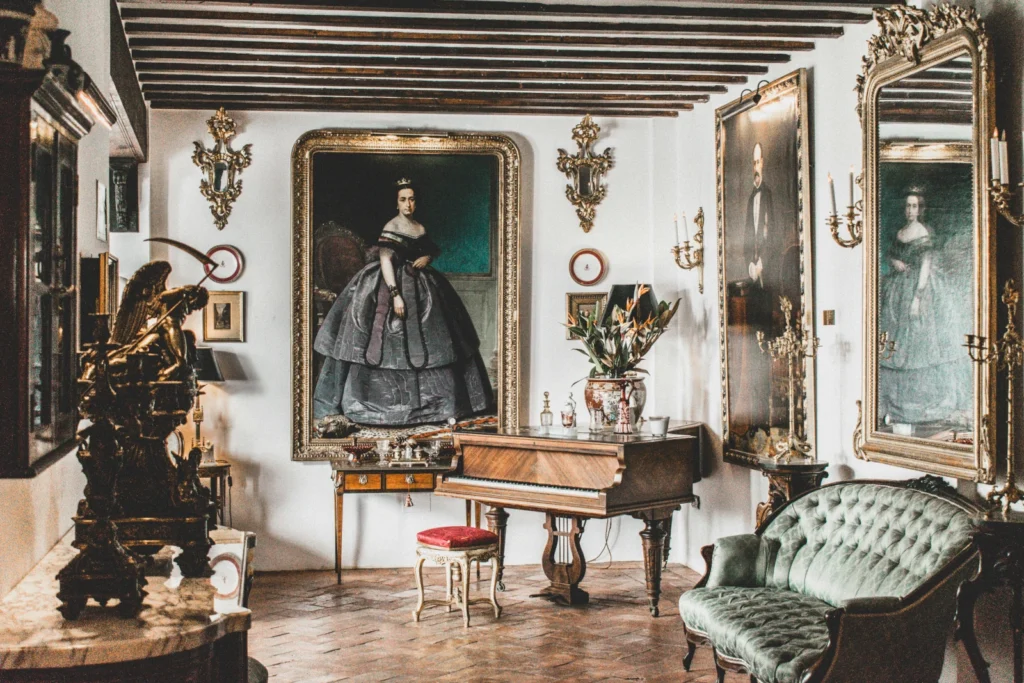
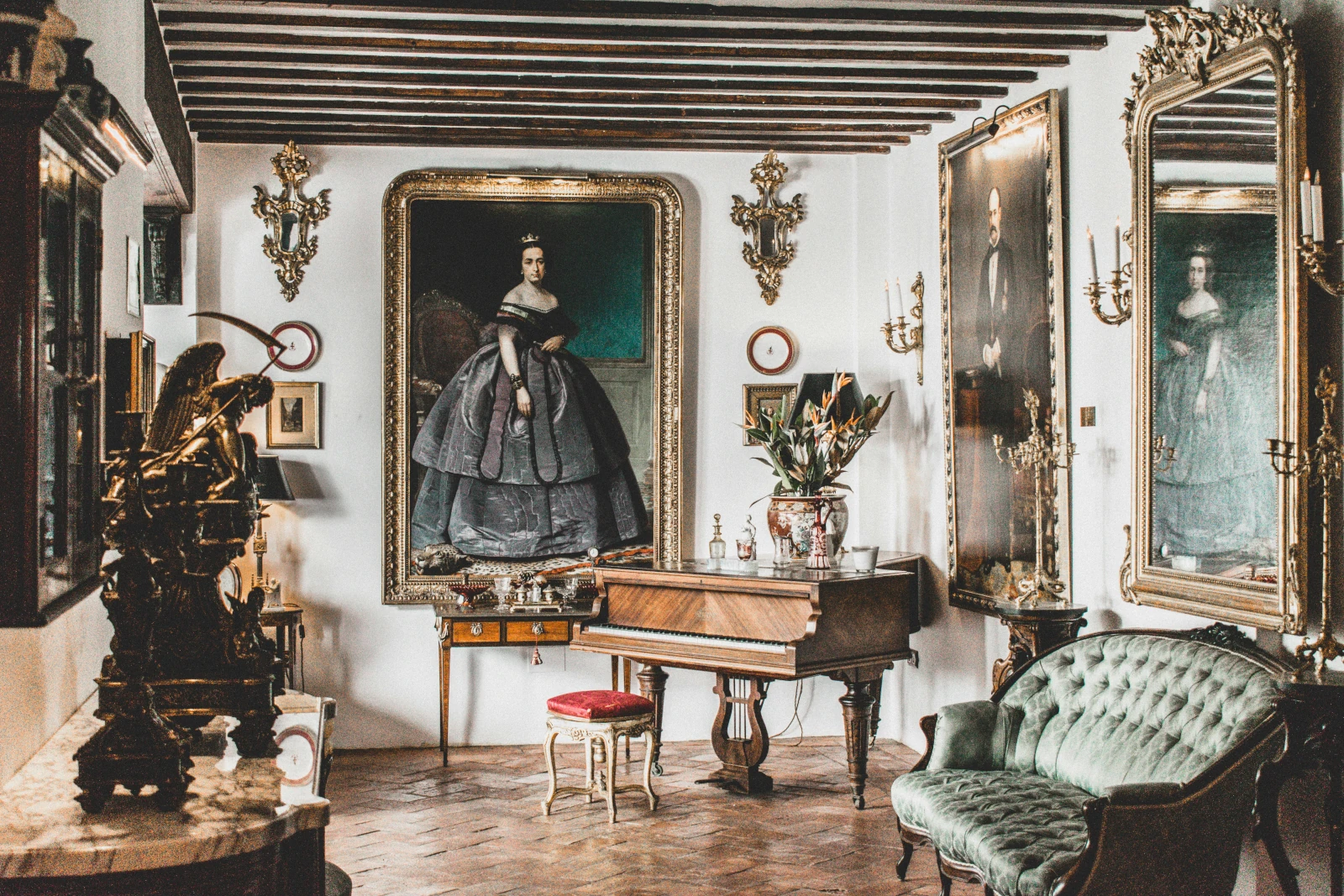
Across India, homes are slowly moving away from perfectly coordinated interiors. Instead of buying everything new and matching, people are choosing pieces that feel collected over time. There is a growing interest in quality objects that stand out and make a statement. Rooms today feel more personal. They mix old and new, Indian and international, polished and worn. The result is a home that feels warm and lived-in rather than styled for display.
Global decorative arts are playing a big role in this shift. European furniture, Japanese ceramics, English porcelain, Italian glass these pieces are finding their way into Indian spaces. They sit comfortably alongside traditional Indian textiles, carved wood furniture and family heirlooms. A French mirror may hang above a Rajasthani console. English china may be displayed next to inherited silver. This mix tells a story about travel, taste and curiosity.
Japanese elegance: the Satsuma Vase
The Satsuma vase is one such example. Known for their fine crackle glaze, detailed hand painted surface and a touch of gold, these Japanese wares are elegant and delicate, and also have a decorative appeal at the same time.
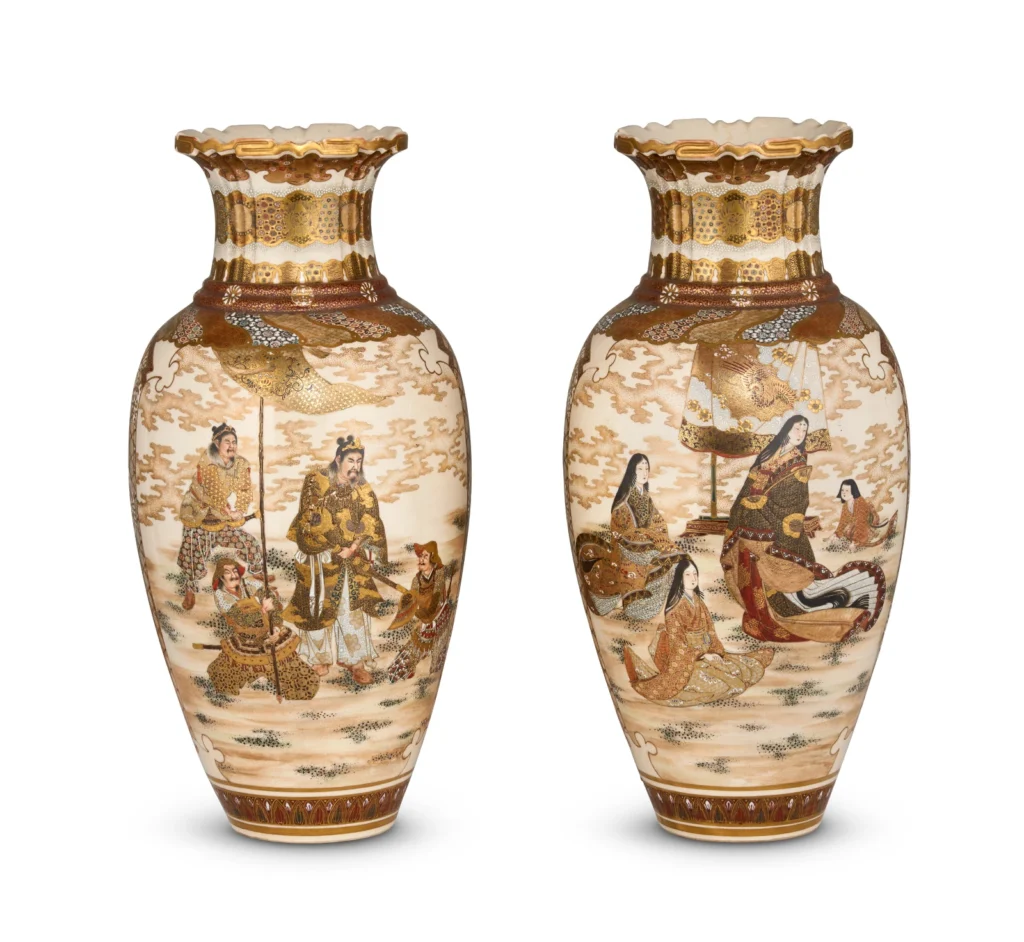
A pair of large Satsuma urns, auctioned by AstaGuru for ₹ 21,29,600 in September 2025, exemplifies the continued presence of Japanese ceramics within Indian collections
Satsuma pieces gained popularity in India during the late 19th and early 20th centuries as trade and travel to the east brought Japanese art into royal and elite collections. Over time, many of these pieces were passed down within families. Even today, the collection of Satsuma vases brings highlights to a room, adding colour and detail.
Victorian grandeur: furniture that endures
Victorian furniture is another favourite among collectors. Ask Indian actress Sonam Kapoor, whose maximalist house includes a Victorian colonial campaign Mandalay musical chest. Usually made during the reign of Queen Victoria in the 19th century, these pieces are strong, detailed and built to last.
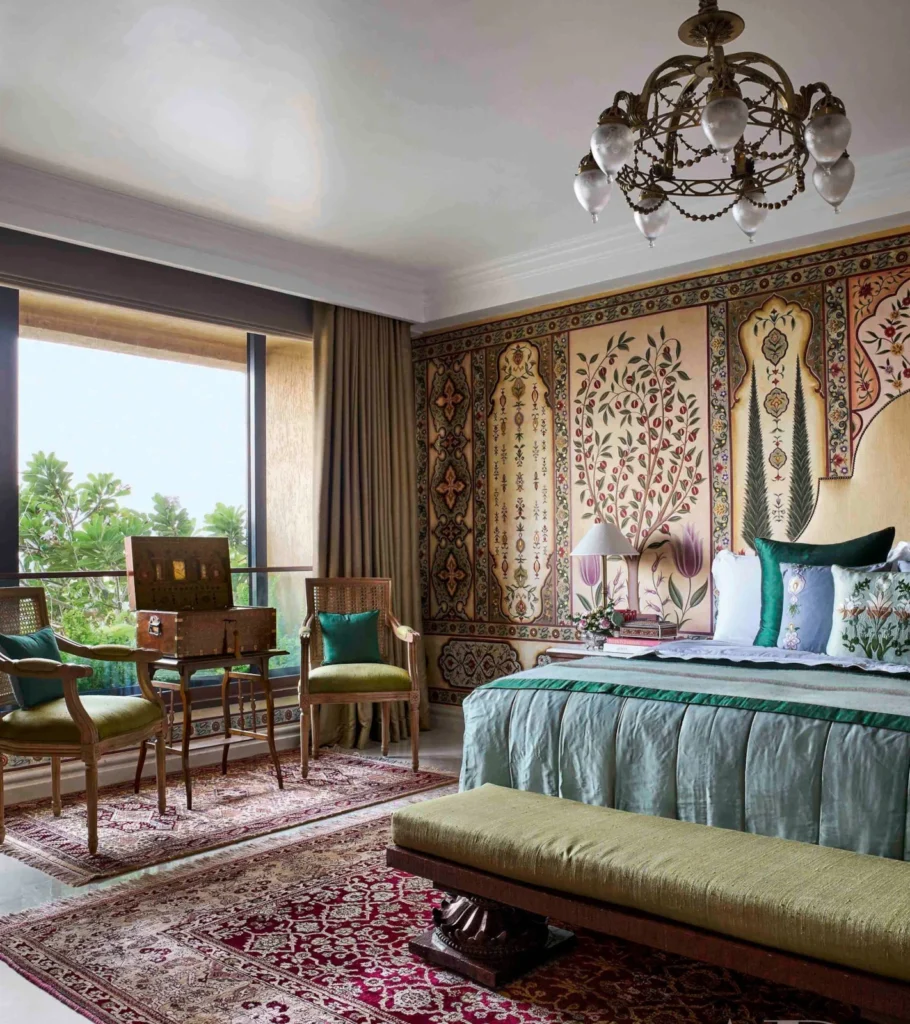
Victorian furniture employed rich woods like mahogany and rosewood. Their deep carving and curved forms have made a solid presence. Today, they are valued not just for their look, but for their durability. A Victorian cabinet or dining table brings weight and history into a space.
This is reflected in pieces such as a late 19th-century rosewood and porcelain vitrine, which went under the hammer for ₹ 29,20,500 in August 2024, exemplifying the enduring appeal of European craftsmanship in contemporary Indian interiors.
The enduring charm of fine china and porcelain
Fine china and porcelain also continue to hold their charm. Names like Royal Crown Derby, Wedgwood, Spode and Limoges are well known among collectors. Their patterns, colours and craftsmanship have stood the test of time.
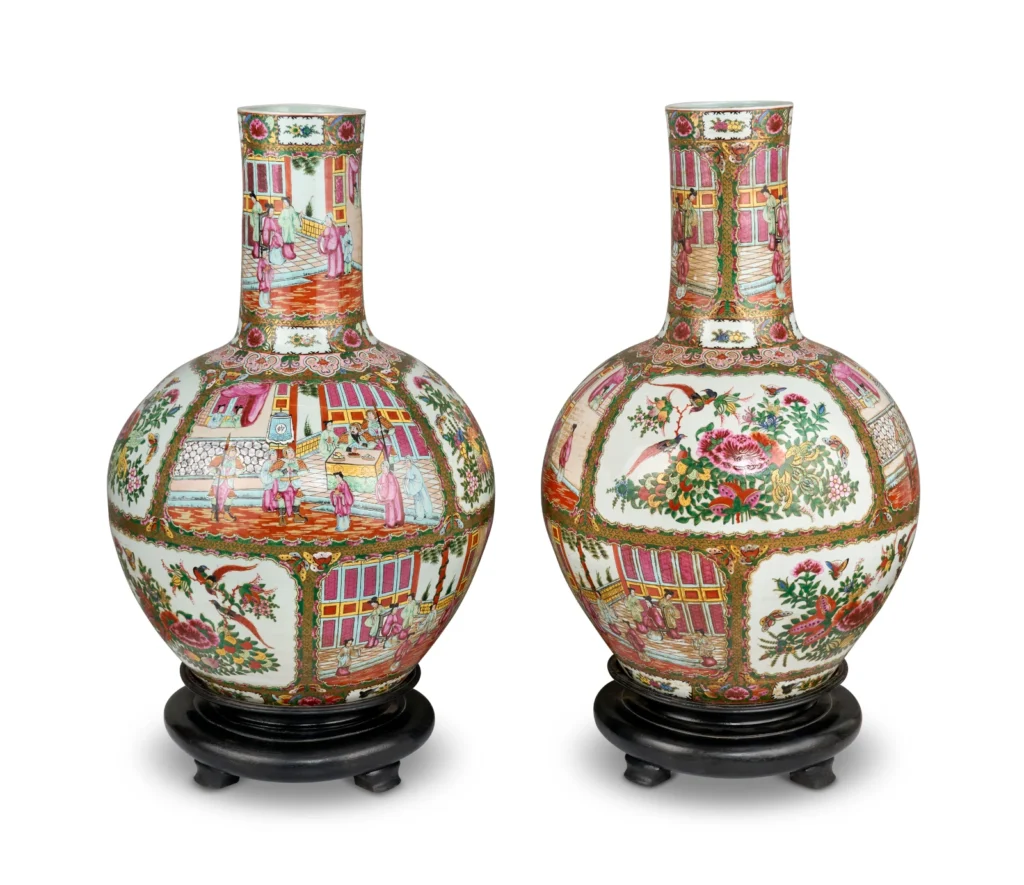
Whether it is blue and white Jasperware from Wedgwood or a hand-painted Limoges tea set, these pieces add elegance to a display cabinet or dining table. They remind us of a time when everyday objects were made with great care.
Murano glass: colour, craft, and light
Murano glass is loved for its bright colours and fluid shapes. Manufactured on a small island in Italy, they are popular for being hand-blown by skilled artisans with each piece designed slightly differently. A Murano chandelier or vase can completely change the mood of a room. In Indian homes, these pieces often act as focal points, adding vibrancy and light.
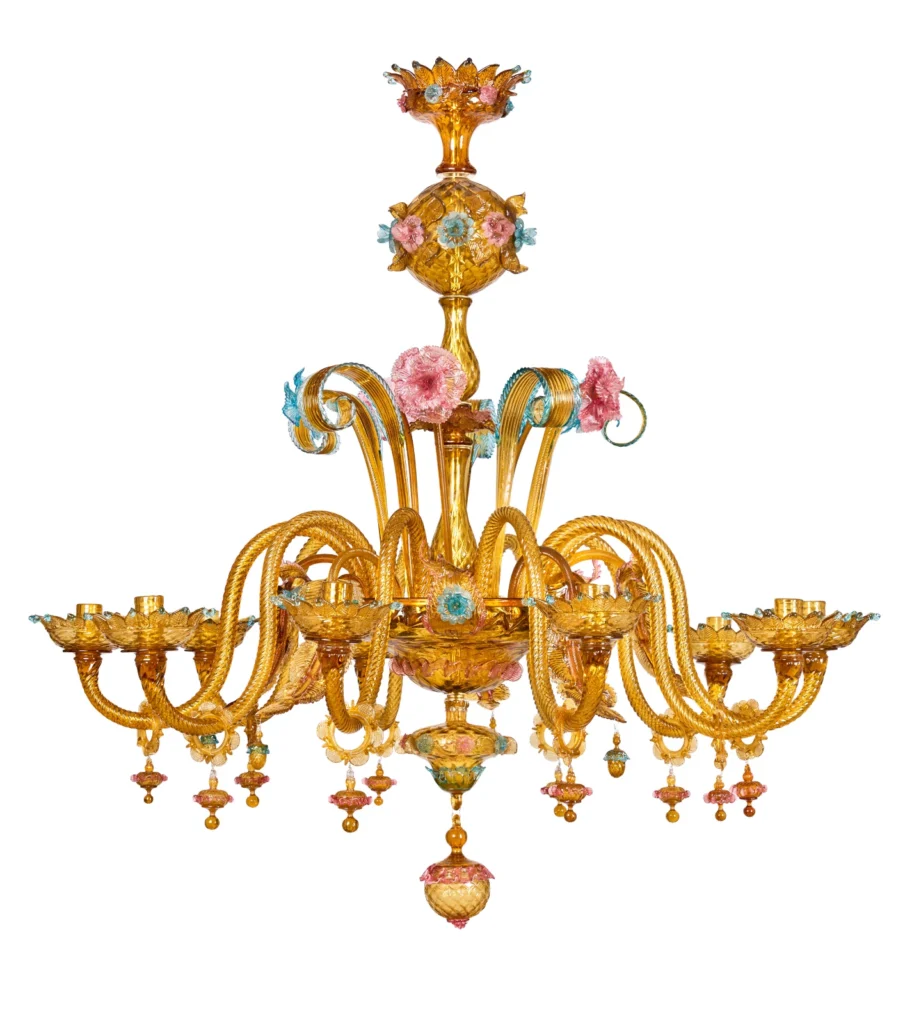
A strong example is a Murano glass chandelier which exceeded its estimate to realise ₹8,05,255 in September 2025. Executed in hand-blown glass with floral detailing and vibrant accents, the piece reflects the continued reverence for Murano craftsmanship among Indian collectors.
Art Deco silver: modernity with history
Silver pieces from the Art Deco era are another example of global influence. With its clean lines and geometric designs from the 1920s and 1930s, it feels modern even today.
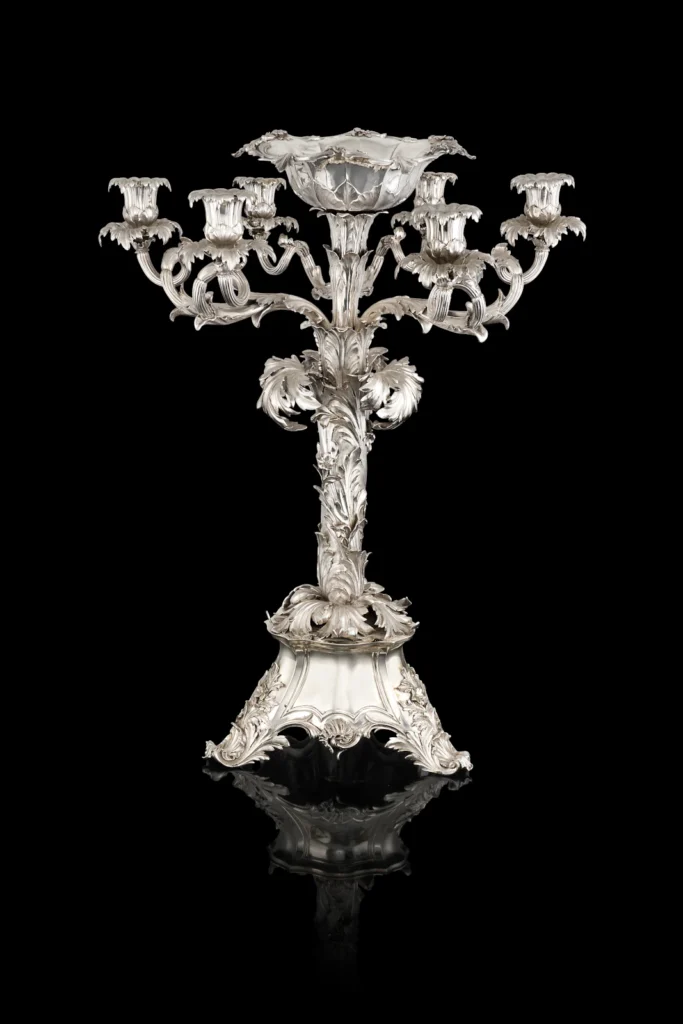
Tea sets, trays and cocktail shakers from this period are strikingly simple and minimalist. They fit easily into both traditional and contemporary homes.
Collecting as a reflection of contemporary India
What connects all these objects is not just their origin, but also their character. They feel different from the mass-produced items. They carry marks of the hand, signs of age and stories from another time.
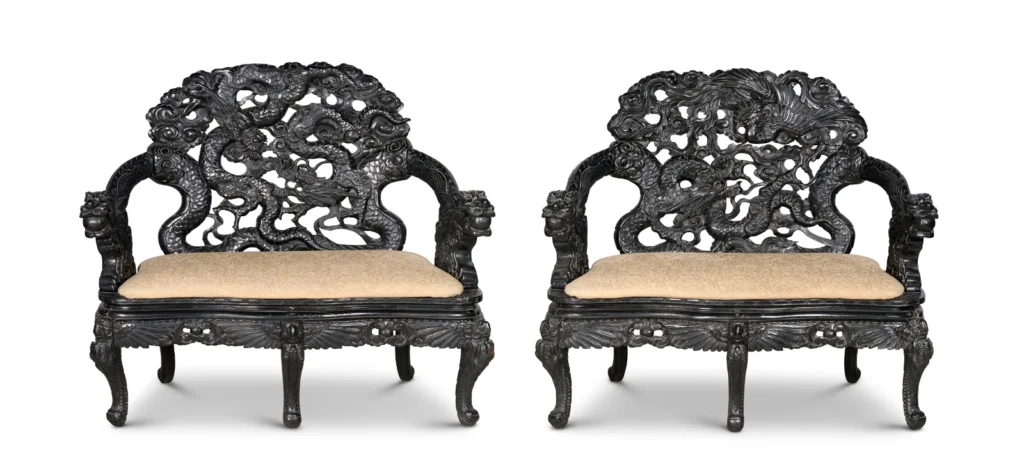
In many ways, this mode of collecting feels a lot like India today. We travel more, see more, and are open to ideas from everywhere, but we still hold on to what is ours. Homes don’t have to pick between Indian or international anymore. They simply bring both together, in a way that feels easy and personal.
Cross-continental collecting is not about trends or showing wealth. It is about choosing pieces that mean something. When objects are selected slowly and thoughtfully, they give a home personality. And in today’s fast-changing, rapidly developing world, that sense of history and individuality into any space feels more important and peaceful.