

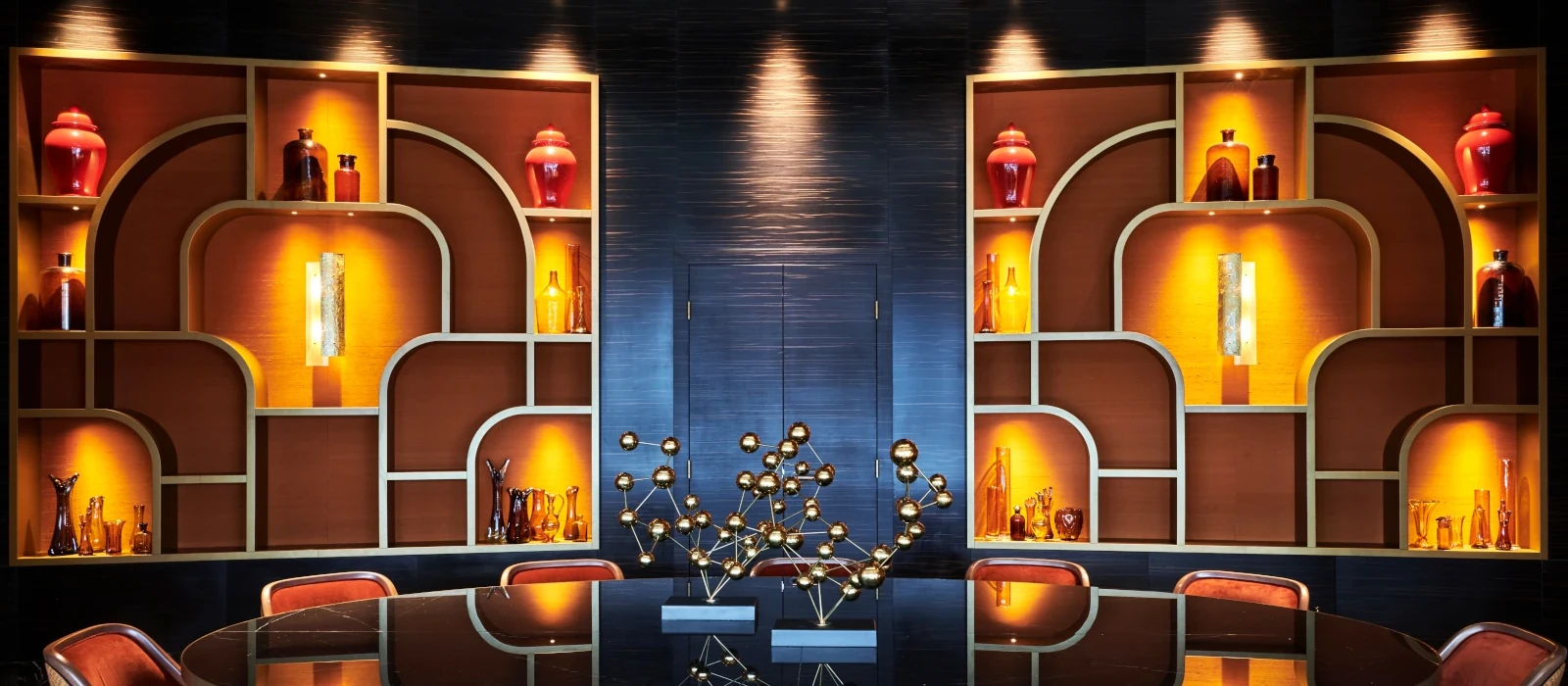
Nearly a hundred years have passed since the 1925 Paris exposition introduced Art Deco to a global audience, yet the movementʼs presence remains visible everywhere. Its geometry and polish appear in the embroidered wallpaper of a gallery in Mumbai, the rhythm of a dining room in Düsseldorf, the contour of a gem-set bracelet in California and the layout of a design monograph in New York.
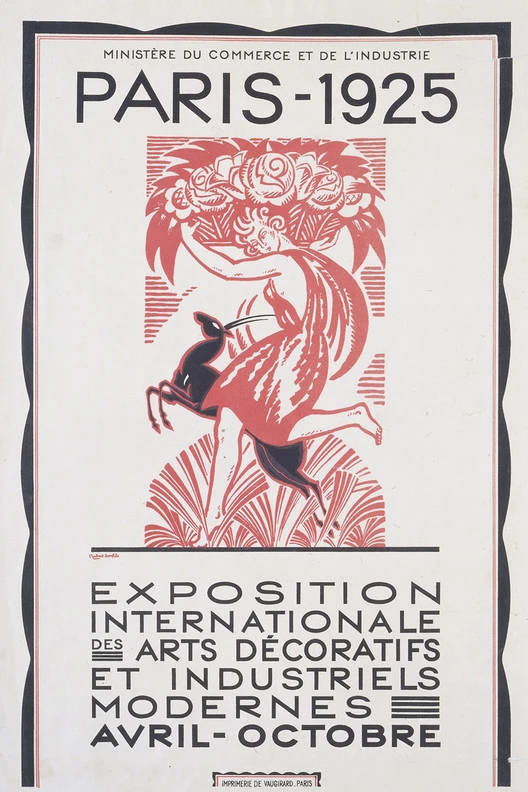
Art Deco has not faded into architectural history. It continues to be interpreted, layered and expanded by designers who find in it not nostalgia, but a framework for modern expression.
Deco functions less as a historical period than a design inheritance that continues to shape form, material and cultural imagination.
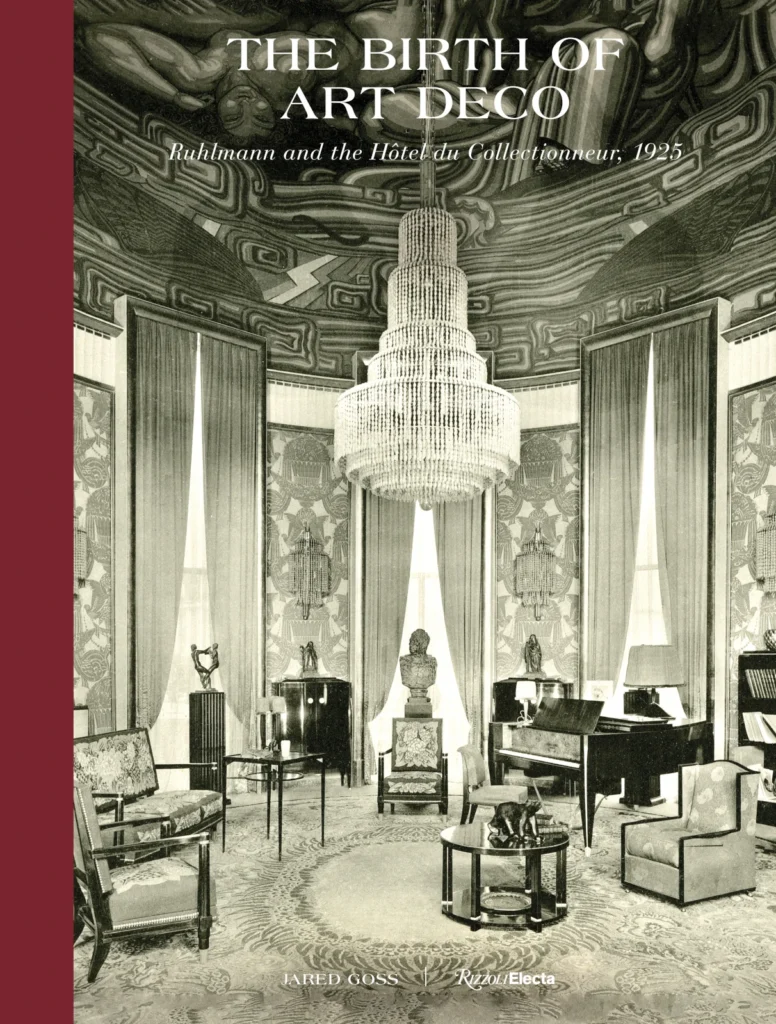
“Itʼs such a charismatic, magnetic, and seductive style,ˮ says Charles Miers, publisher at Rizzoli, who has spent more than three decades documenting Decoʼs cultural footprint. His teamʼs latest release, The Birth of Art Deco: Ruhlmann and the Hotel du Collectionneur, revisits the pavilion that helped “give birth to the movement.ˮ
At Rizzoli, Miers has guided dozens of books that explore or echo the movement. “During my tenure over the past 35 years, there has rarely been a year in which we havenʼt made a contribution to the [Art Deco] literature,ˮ he says.
In that sense, Deco functions less as a historical period than a design inheritance that continues to shape form, material and cultural imagination.
Geometry, clarity and the persistence of craft
What gives Deco its longevity is not simply its glamour but its underlying discipline. It relies on proportion, structure and a belief in craftsmanship.
Designer Vandana Taluru, founder of 4brick Studio, engages deeply with these foundations. “The lasting elements are Art Decoʼs clarity of form, its bold geometry, and quality materials,ˮ she explains. “Those structured lines and streamlined profiles feel relevant because they translate into modern materials and technology.ˮ
Miers also acknowledges the styleʼs quiet evolution. “When ruled lines are being used and certain motifs expressed, Iʼm sure there are subliminal influences at work.ˮ
Art Deco has always fascinated us for its bold geometry, symmetry, and opulent detailing.
Taluru sees two modes of contemporary interpretation. “You see the classic geometries being replicated in interiors, but the more interesting path is to keep the essence and translate it through cleaner lines, honest materials, and more intentional detailing.ˮ
Her work also considers cultural resonance. The first generation of Deco designers drew from global traditions without always acknowledging them. Taluru believes todayʼs designers can revisit those influences with depth. “We now have the opportunity, and the responsibility, to reinterpret those principles with a deeper, more authentic understanding of our own cultural narratives.ˮ That sensitivity to context is a sign of how Deco is maturing in its second century.
Mumbaiʼs Deco skyline, reimagined in thread
Nowhere is the global reinterpretation more vivid than in Mumbai, home to the worldʼs second-largest collection of Art Deco buildings, after Miami. Here, the movement is being revived not only through conservation but also through a form that Decoʼs architects never imagined: embroidery.
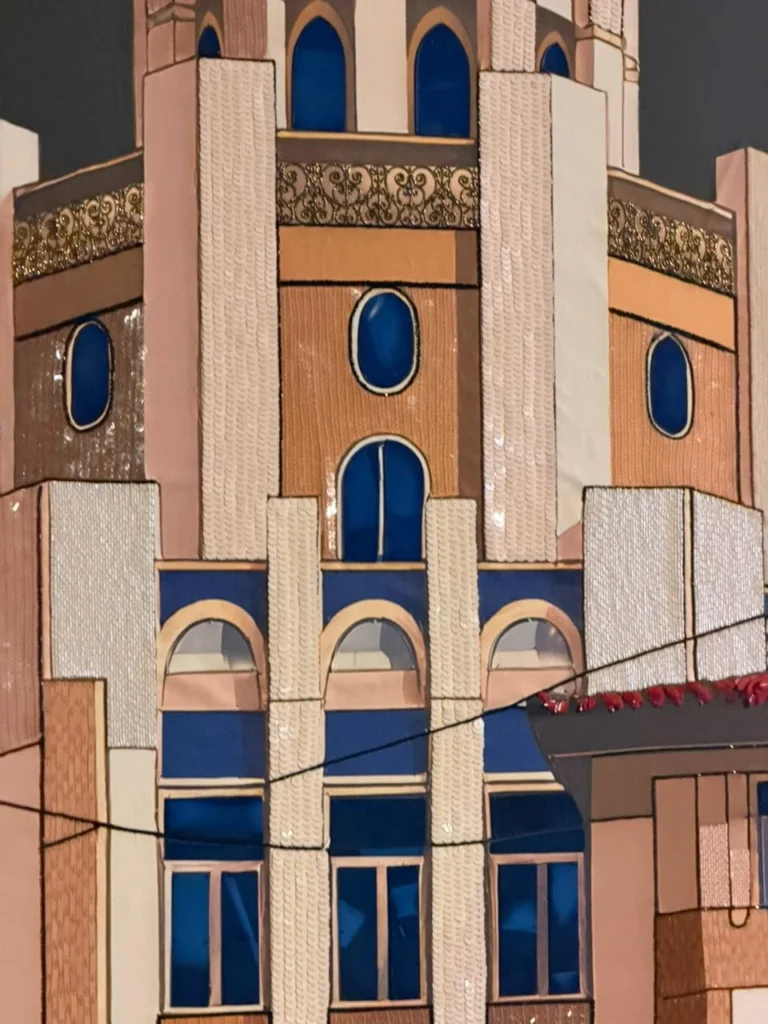
Milaaya Art Gallery and Milaaya Interiors have created Art Deco Mumbai — A Tribute in Embroidery – a wall art piece that reinterprets iconic Mumbai structures such as the Liberty Cinema, Regal Cinema, Kapadia Chambers and the New India Assurance Building through meticulous hand embroidery. The effect is tactile, architectural and unexpectedly moving.
“Art Deco has always fascinated us for its bold geometry, symmetry, and opulent detailing,ˮ the Milaaya team says. “Translating that architectural language into embroidery was both a challenge and a joy.ˮ They worked with “structured, linear embroidery stitches that echo the clean lines and sharp angles characteristic of Art Deco architecture,ˮ using sequins, beads and plexiglass cut into geometric forms to represent windows, balconies and lamps.
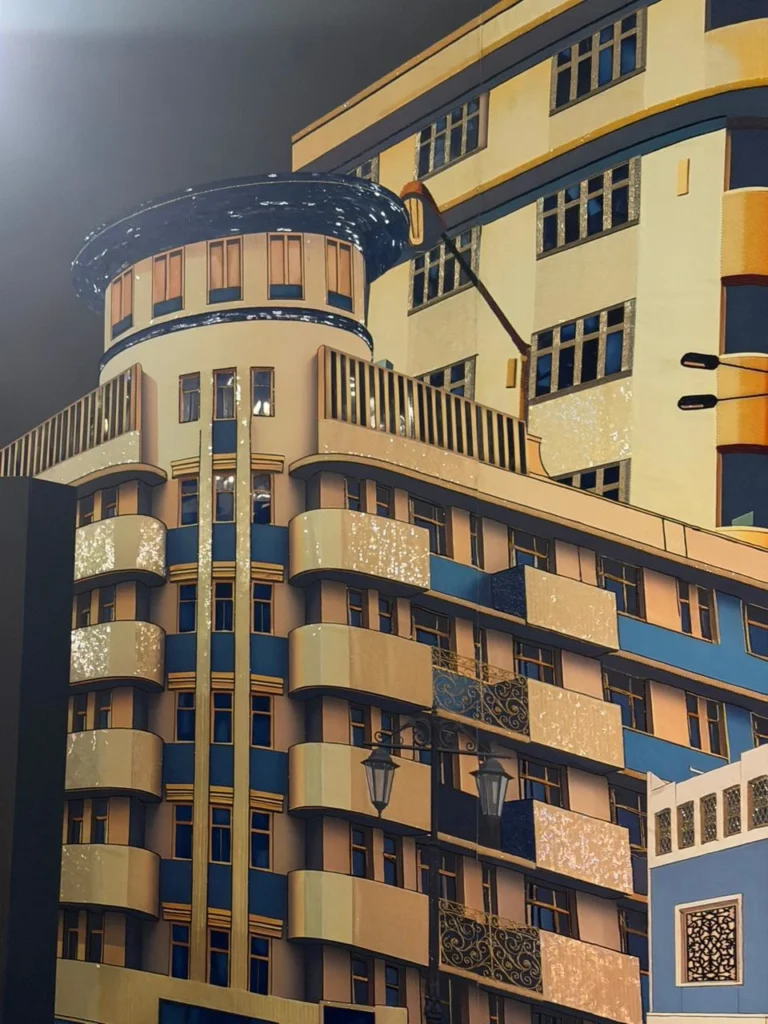
This magnanimous piece is the centrepiece of the Art Deco Alive! exhibition, which celebrates 100 years of the design philosophy. The composition is designed to feel as though the viewer is standing along Marine Drive. The palette is contemporary rather than literal, adding energy and a sense of artistic interpretation. “We allowed ourselves creative freedom to view these buildings through a more modern lens,ˮ the team explains.
Their goal was not reproduction. “For us, the aim was to highlight the defining features of each structure, its symmetry, its rhythm, its ornamental details, and bring them to life through texture, light and craftsmanship.ˮ The result is an unexpected bridge between architecture, textile work and cultural preservation.
Art Deco as a sculptural language in jewels and watches
Art Decoʼs strongest hold may be in fine jewellery. Its geometry and balance still guide collectors and designers who see in the movement a rare combination of structure and glamour.
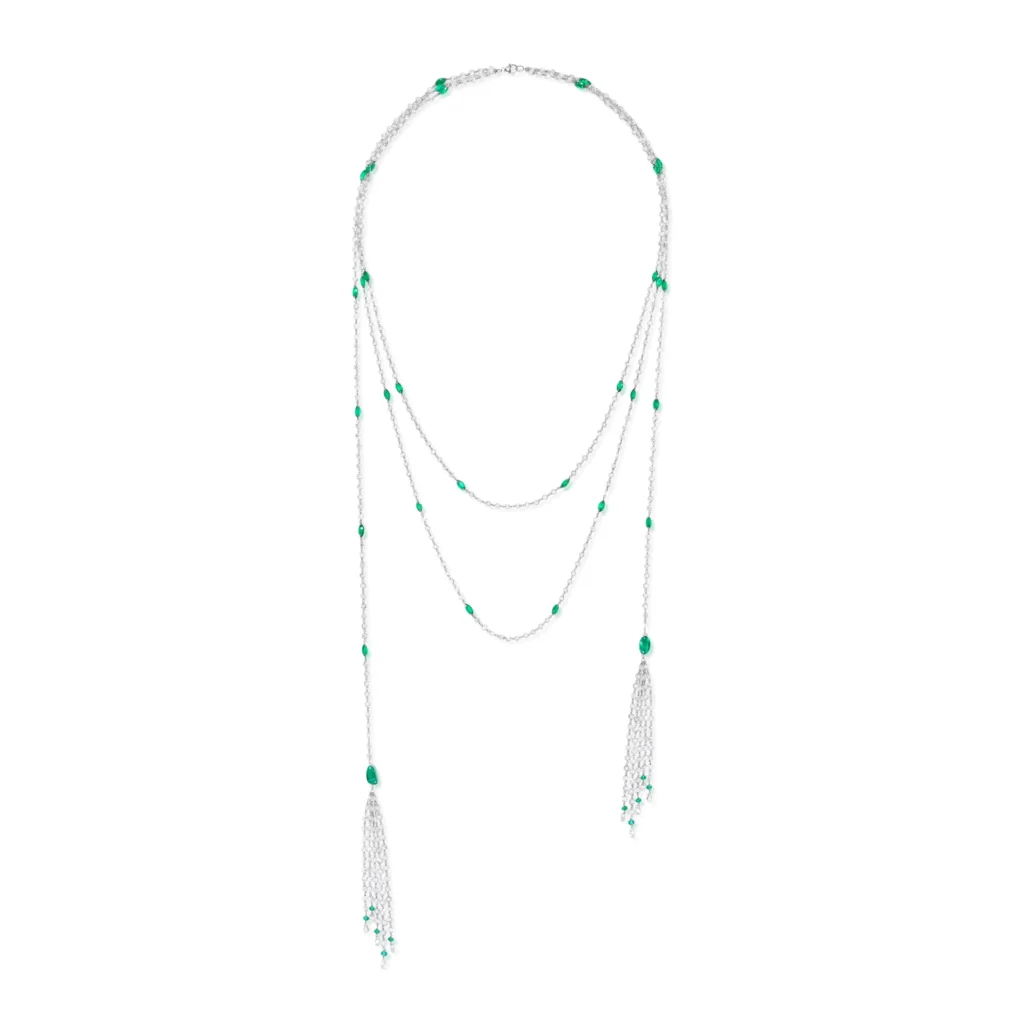
At Stephen Silver Fine Jewelry, Deco is part of the companyʼs DNA. “Estate jewelry has always been a cornerstone of our business,ˮ says president Jared Silver. Handling pieces from Tiffany & Co., Cartier, Lacloche Frères and J.E. Caldwell provided “an education in the quality and characteristics that define excellent Art Deco jewelry.ˮ
Contemporary designs in their collection echo these traditions through tasselled pearl-and-onyx necklaces, French-cut sapphires and coral-onyx combinations. Silver believes clients respond to the clarity and presence of the style. “The period offers everything buyers want, inspiring yet sophisticated design and a comforting association with luxury and quality.ˮ

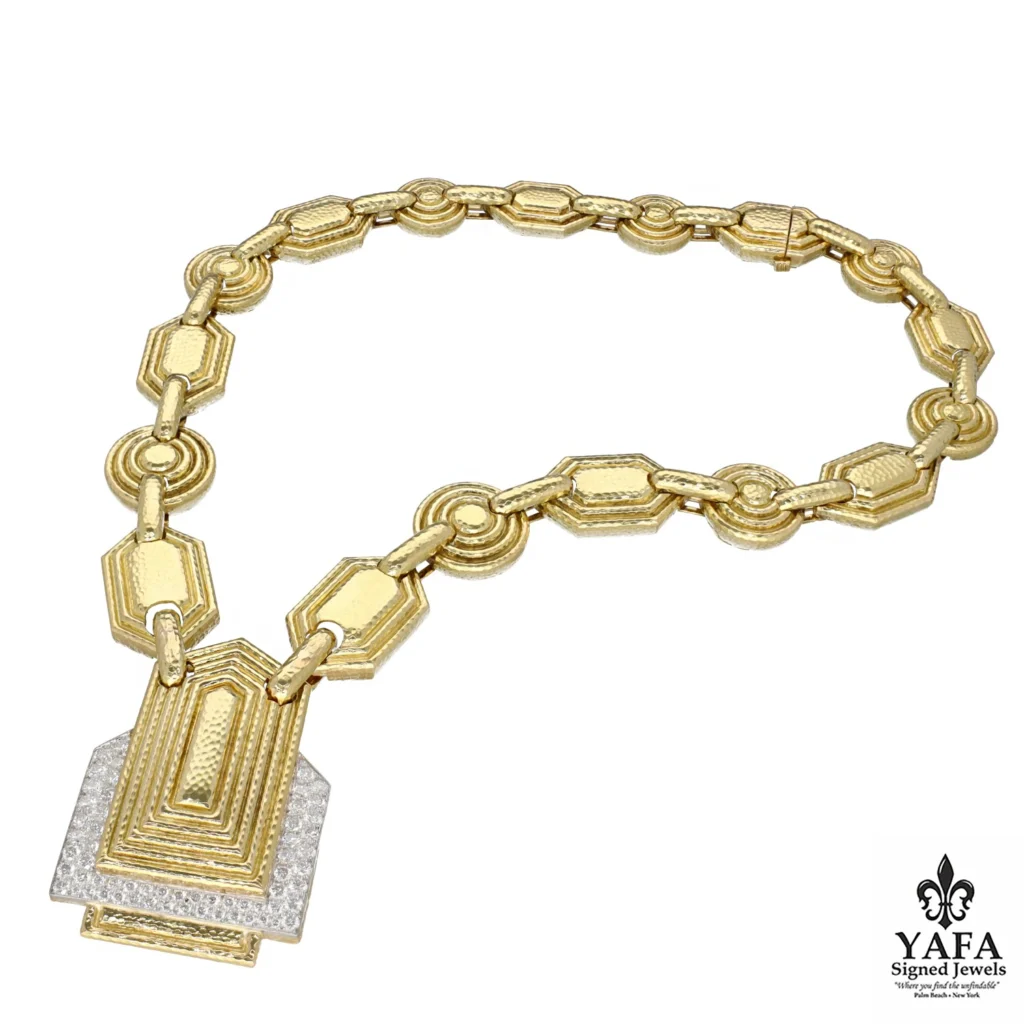
At Yafa, specialists in museum-quality signed jewellery, Deco continues to guide curation. “Art Deco has always played an integral role in the development and procurement process of what we do,ˮ the team says. The draw lies in “the symmetry and structure of that eraˮ and the sense that it captured “a time of optimism, innovation, and craftsmanship at its finest.ˮ They add, “Even after forty years, discovering a new piece from that era still excites us.ˮ
You only have to see auction results to understand that Art Deco style jewellery has endured. It balances rigour and ornament. It maintains a sculptural intelligence that still feels current. Till today, jewelers find inspiration from Art Deco’s bold motifs – from Gucci’s close-fitting Paraiba tourmaline and tanzanite necklace to Louis Vuitton’s Pure V high jewellery collection. Iconic jeweller Fawaz Gruosi has regularly reinterpreted Art Deco proportions into contemporary designs.
In horology, the movement coincided with the rise of the wristwatch, resulting in a lasting aesthetic connection. “Art Deco really came of age at the same time that wristwatches started to become widely adopted,ˮ Silver explains. Its symmetry and geometry still guide collectors and designers.
Examples abound. Vacheron Constantin’s 2025 Grand Lady Kalla is heavily influenced by a one of their 1923 watches. MB&F, just recently, reinterpreted its HM11 in an Art Deco form. And Bvlgari’s Gioco di Forme e Colori watch is a dazzling masterpiece in Deco styling.
Interiors: geometry, craft and contemporary perspective
In interior design, Art Decoʼs influence appears less as a set of motifs and more as a method of shaping space. Designers today often look to its structure, rhythm and material honesty rather than its surface patterns.
Vandana Taluru, through 4brick Studio, explores how Decoʼs vocabulary can inform modern interiors without recreating historic rooms. She values “clarity of form, bold geometry and quality materialsˮ as tools for designing spaces that feel grounded. What interests her is not repetition but translation, and how Decoʼs logic can support contemporary living.
Cultural interpretation is central to her approach. She notes that many original Deco buildings drew from global influences in ways that reflected their time. Todayʼs designers, she argues, can revisit those references with intention and respect. The movement, in her view, offers a chance to build spaces that carry history forward rather than copy it.
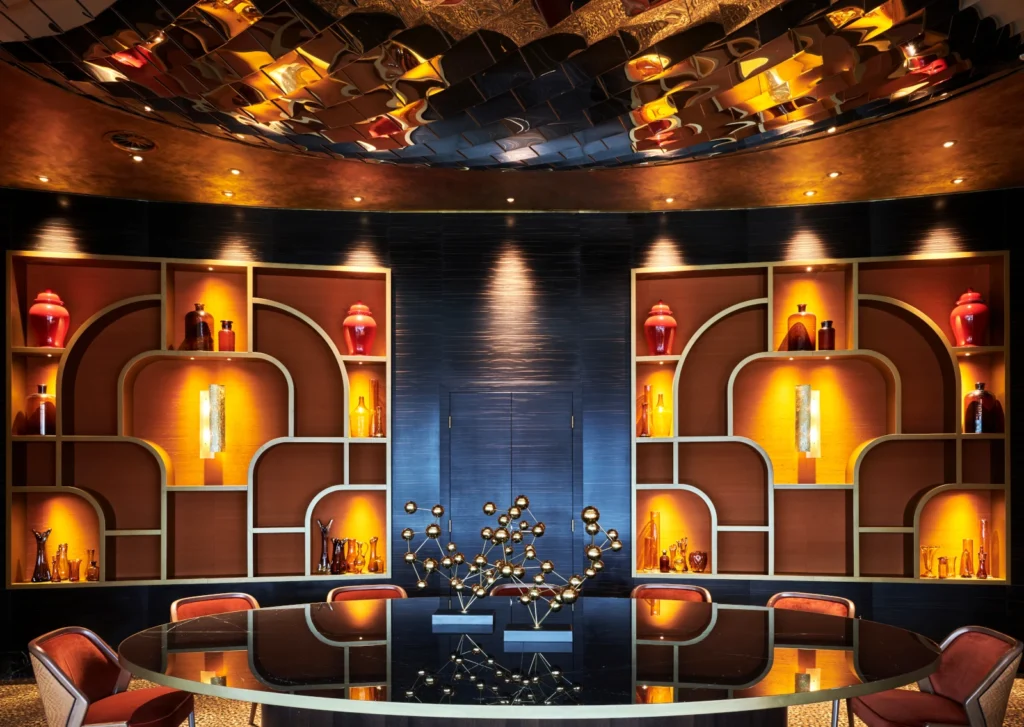
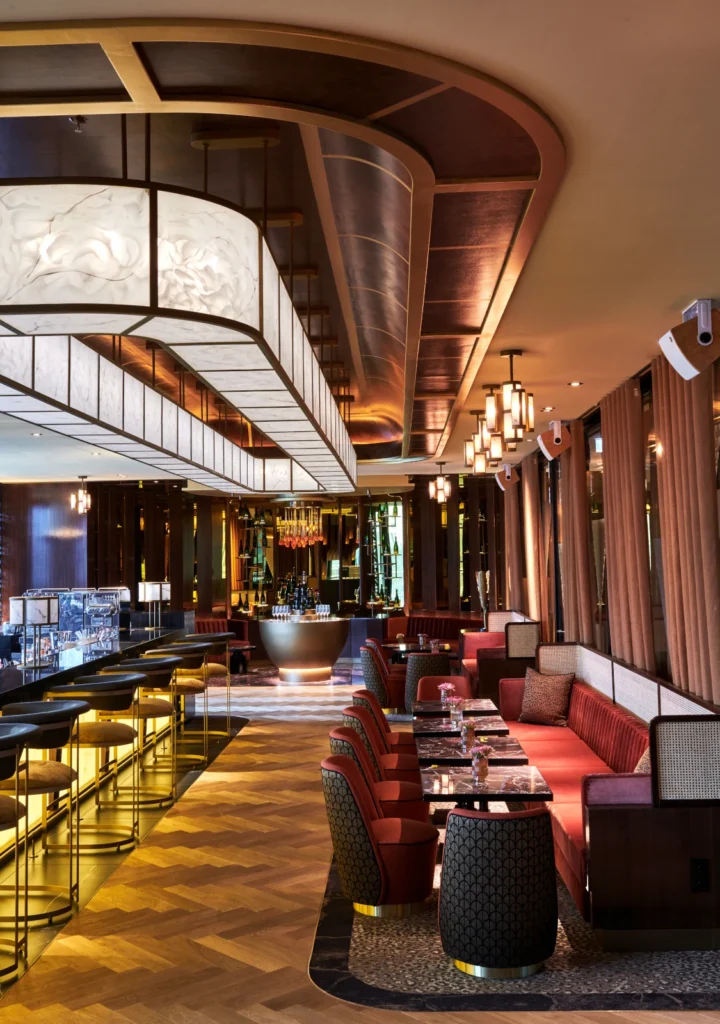
In Paris, Oscar Lucien Ono, founder of Maison Numéro 20, treats Deco as a design philosophy. “More than a style, Art Deco is for me a philosophy, one of refined luxury, craftsmanship and modernity,ˮ he says. At the DOX restaurant in Düsseldorf, he used “geometric lines, lacquer and brass accents, marble highlights and dark wood panelingˮ to create a space he describes as “graphic and sensuous.ˮ The design draws inspiration from Jean Dunand, but Ono stresses that the goal was “to capture its essence, refinement, symmetry and light,ˮ and not to mimic a 1930s interior.
Taluru and Ono, though working in different cultural contexts, share a belief that Deco leads back to authenticity in material and craft. Ono frames it as a response to industrial pace. “Art Deco reminds us of the importance of the human hand,ˮ he says, noting that it encourages designers “to return to essentials, craftsmanship, material and soul.ˮ
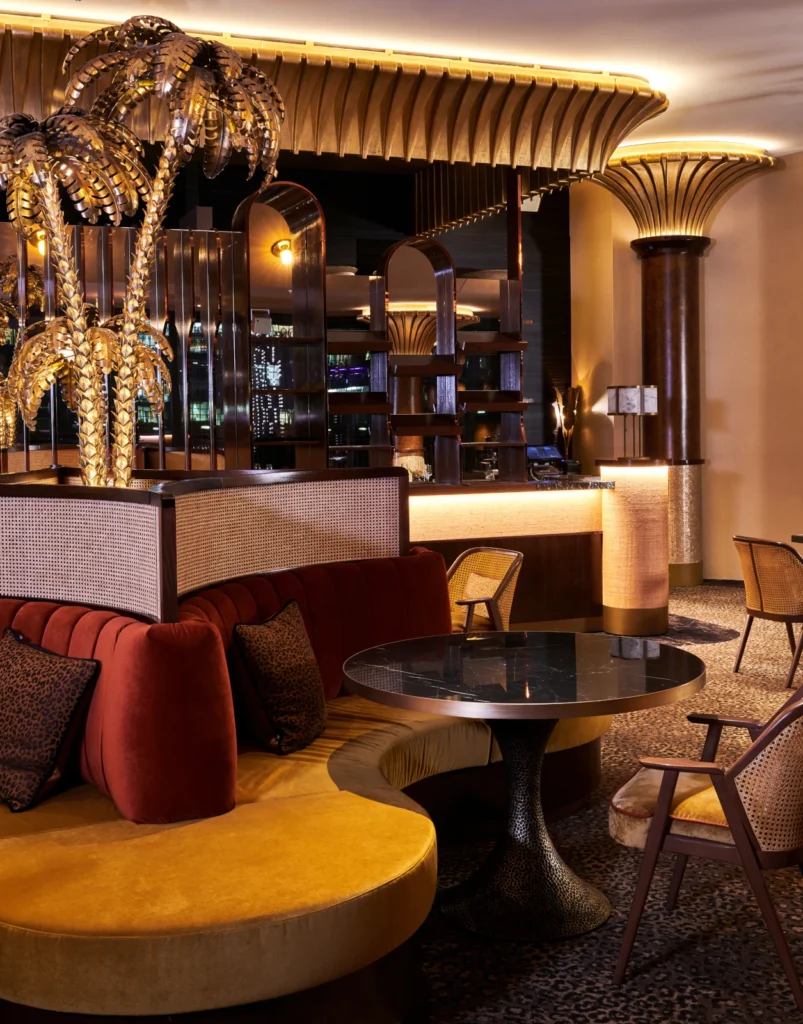
Taluru sees potential in merging Decoʼs structure with sustainability. She finds its detail-oriented nature more compelling when it supports longevity and local craft. Together, the two designers illustrate how Deco has shifted from an aesthetic to a mindset.
A second century, fully underway
A hundred years after its rise, Deco still shapes how the design world imagines order, material and cultural expression.
Across jewellery houses, interior studios, publishing imprints and textile collectives, Art Deco continues to evolve. It has entered its second century not as a revival but as a living language.
Yafa describe the era as “a time of optimism, innovation, and craftsmanship at its finest.ˮ That optimism is visible today in embroidered skylines, structured interiors, carefully crafted books and the geometric poise of a wristwatch.
A hundred years after its rise, Deco still shapes how the design world imagines order, material and cultural expression. It lives in thread, in metal, in paper, in light. Its legacy grows through reinterpretation, line by line, detail by detail.