
Luxury has always known how to evolve, but it rarely does so quietly. Yet the transformation now underway is defined not by fireworks, but by a gentle, confident shift in attitude. Across fashion, beauty, hospitality, travel and the broader world of discretionary living, consumers are no longer seduced solely by spectacle.
They are seeking something deeper: luxury that feels nourishing, personal, emotionally resonant, and genuinely worth their time, money, and attention.
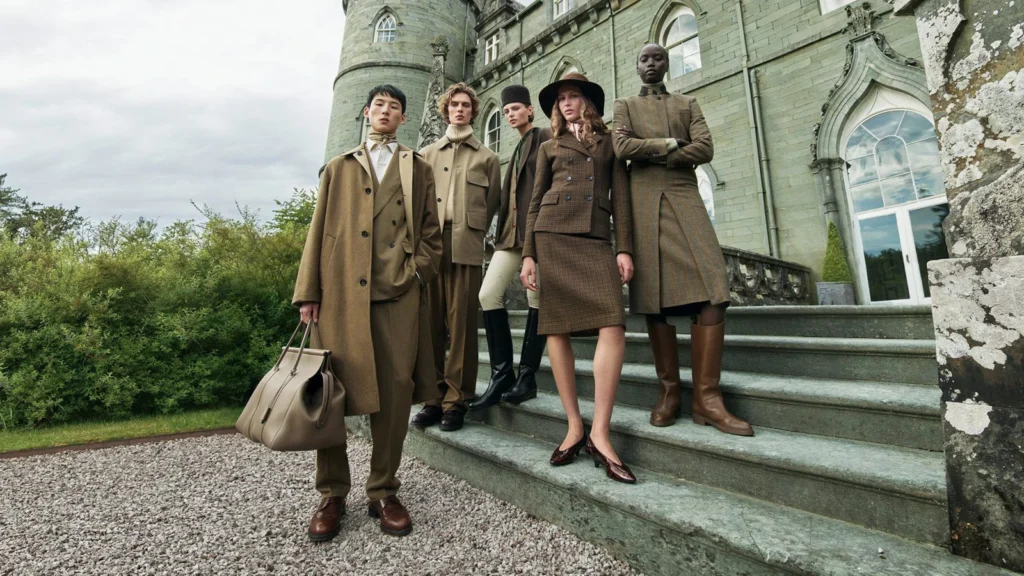
The world entering 2026 is unmistakably different from the one we knew just a few years ago. Growth is returning, yes, but with moderation. Desire hasn’t faded, but it has matured. People still aspire, still indulge, still crave the good life; they’re simply becoming more deliberate about what “good” actually means.
The long reign of logo-heavy signalling is giving way to a more introspective, soulful, life-enhancing interpretation of luxury. So here’s what luxury and masstige will look and feel like throughout 2026.
It is a story about people as much as products, about culture as much as commerce, and about the subtle yet powerful shift from luxury as display to luxury as enrichment.
The world has changed and so has luxury
In the years that followed the pandemic, luxury enjoyed an extraordinary surge. People travelled with abandon, spent boldly and chased novelty with enthusiasm. But the exuberance couldn’t last forever, and by 2024 a collective recalibration had begun. Many markets cooled. Consumers grew sceptical of relentless price hikes. A more reflective tone settled over the industry.
Yet this was not, as some commentators prematurely declared, the end of aspiration. If anything, it marked the beginning of a more thoughtful era. The desire for luxury remained vivid, simply redirected. Rather than buying for others’ eyes, people began buying for their own wellbeing, comfort, and emotional resonance. Luxury became less about the loud gesture and more about the quiet reward.
This is the luxury context of 2026: not diminished, not diluted, but more grounded. The appetite for indulgence has not weakened. Instead, it has found deeper roots.
The new luxury consumer, still aspiring, but differently
The biggest transformation is human. Consumers are redefining why they want luxury and how they want it delivered. Where once they gravitated to ostentation, they now lean towards what the report describes as “soulful indulgence.”
This does not mean restraint. It means intention.
In practice, the new luxury consumer seeks purchases and experiences that replenish rather than merely impress. They gravitate toward objects with craftsmanship, travel that restores, fashion that feels timeless and personal, beauty that enhances wellbeing instead of promising miracles. Wellness is no longer a category; it is a mindset that now infuses everything from skincare to hospitality.

A second, equally important shift is the clear polarisation of the market. Absolute luxury – the rarefied, heritage-rich world of the ultra-high-net-worth remains steady. But the real dynamism lies in accessible luxury and masstige, where consumers with healthy incomes want products that feel authentically premium without requiring stratospheric budgets.
These segments are vibrant, culturally attuned, and increasingly sophisticated. They mix and match categories effortlessly: a luxury fragrance here, a masstige skincare line there, and perhaps an accessible-luxury handbag to round things out.
The modern consumer has become a curator.
This curation extends seamlessly into their journey between channels. Omnichannel is no longer a strategy; it is simply the way people live.
Discovery may begin on social platforms, evaluation on multiple digital sources, and emotional confirmation inside a store where a human advisor still carries tremendous weight.
If the experience is warm and helpful, the sale may happen online later that night. What matters is not the sequence but the consistency. People want their entire journey to feel fluid, human, and intuitively connected.
Aesop captures this shift beautifully by offering products that don’t shout luxury but quietly express it through sensory rituals designed to enrich everyday life.
A sector reshaped by modesty, circularity and blurred boundaries
Just as consumers have evolved, so too has the broader ecosystem. Growth is set to return in 2026, but without the exuberance that followed the reopening of the world. It will be modest and uneven.
Regions such as the United States and the Middle East continue to display resilience, supported by strong local wealth profiles and robust tourism flows.
Europe, China and Japan, on the other hand, face softer demand and structural uncertainties. This unevenness demands brands that can pivot swiftly, plan regionally and maintain disciplined portfolios.
Perhaps the most defining structural shift is the normalisation of circularity.
The second-hand market is growing dramatically faster than primary sales. Consumers now consider resale value when purchasing, treat certain products as long-term assets and expect brands to offer credible repair, refurbishment, and pre-owned options.
Circularity has moved from the margins to the mainstream, becoming both a growth engine and a credibility test.
Simultaneously, category boundaries are dissolving. Beauty blends with wellness. Fashion extends into hospitality. Hospitality borrows from fashion. Retail and entertainment slip into one another.
The idea of a brand existing in a tightly confined sector feels increasingly outdated. Modern luxury consumers engage with brands across multiple aspects of their lives, and the most successful brands have begun building ecosystems that allow them to dress, host, care for and delight their customers in numerous ways.
This blurring does not signal confusion. In the best cases, it signals coherence -brand worlds expanding in ways that enrich the story.
Loro Piana, with its devotion to exceptional materials and genuine longevity, shows how brands are embracing durability and conscious ownership as new pillars of value.
How brands themselves are transforming
If the sector is the stage, brands are the actors rewriting their scripts. Pricing, personalisation, purpose, and risk management have all become essential areas of reinvention.

For years, upward pricing seemed unstoppable, but the tide has turned. Consumers now demand to understand the value behind the price. Brands are responding with what the report calls “value architecture”-clear and intentional pricing structures, coherent product pyramids, transparent narratives of craftsmanship and materials, and a more honest articulation of what justifies a premium-.
This is as true for masstige as for luxury: people will pay more, but not blindly.
Technology, meanwhile, sits at the heart of modern client relationships. Data and artificial intelligence enable precision, anticipation and seamless omnichannel engagement, but people are increasingly wary of anything that feels intrusive or dissonant with the brand’s personality.
The future of personalisation is not cold automation; it is warm augmentation. The best uses of technology empower human advisors to become more insightful, not redundant.
Purpose and sustainability have also taken centre stage. Younger consumers, especially, expect brands to be both responsible and sincere. Quiet luxury has surged as an aesthetic and cultural movement -values-driven, understated, timeless and rooted in quality-. It is no coincidence that its codes echo those of environmental and social stewardship.
The era of loud, maximalist branding no longer matches the psychological climate of the times.
Bottega Veneta exemplifies this evolution with a strategy rooted in craft, restraint and a distinctive brand vocabulary that replaces logos with confidence and coherence.
Fashion, travel, retail… Each evolving in its own vocabulary
Though united by broader forces, each major luxury and masstige sub-sector expresses change in a distinct way.
Fashion and durables have entered an investment era. Shoppers want fewer pieces but better ones. They think about longevity, versatility, and cost per wear. They care about fabric, cut, materials, and the possibility of repair or eventual resale. Even masstige players must now elevate quality and design; seasonal churn no longer satisfies consumers who care about identity, sustainability, and emotional connection.
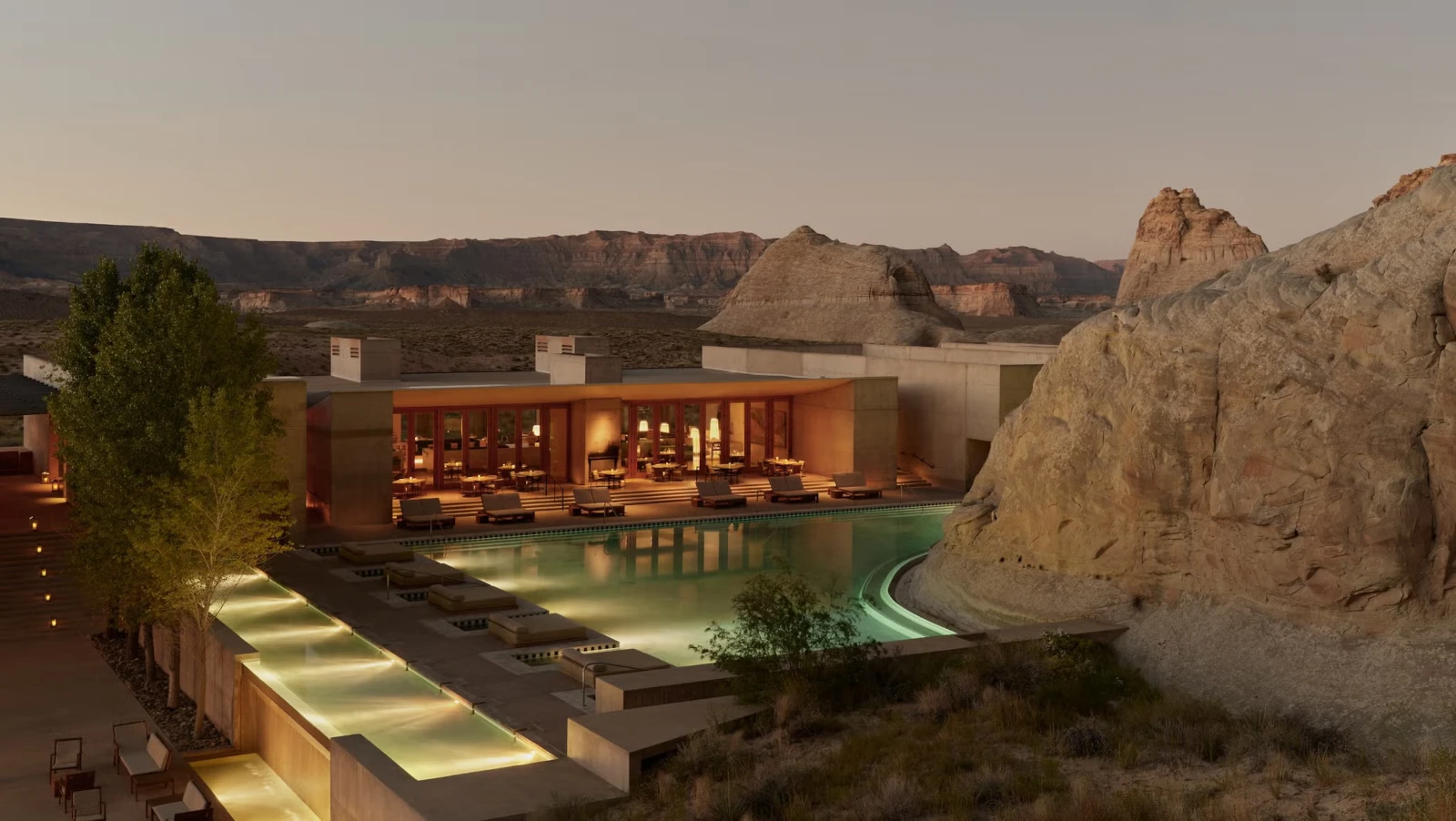
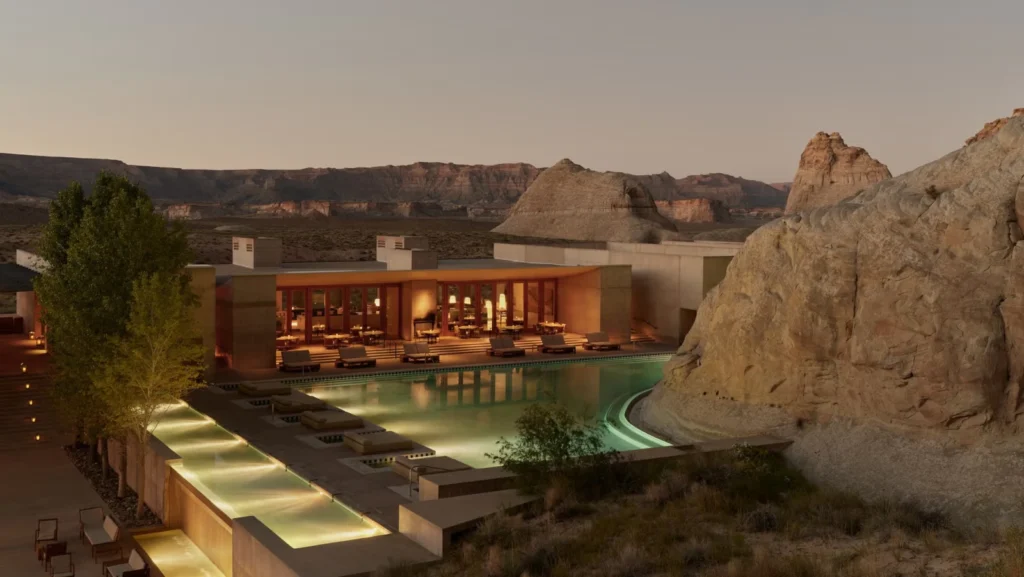
Travel and hospitality have embraced a more profound transformation. The new luxury trip is no longer about ticking destinations off a list. It is about renewal: wellness programmes, nature immersion, culturally meaningful experiences, and journeys that feel thoughtfully curated. Sleep, nutrition and circadian health are no longer niche concerns. Many travellers now demand them as essential components of a restorative stay.
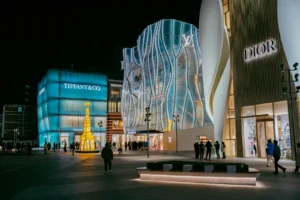
Retail, meanwhile, is becoming more social and theatrical. Stores are evolving into community spaces, places people enter not only to purchase but to learn, connect, attend, and experience. Fitting rooms, beauty studios, lounges, and personalisation areas are replacing racks and rows. Retail is no longer a channel; it is a stage for relationships.
Aman Resorts epitomises the rise of transformational travel, creating serene, architectural havens where nature, design and inner restoration take centre stage.
How people interact with brands, from discovery to devotion
Parallel to all these shifts is the transformation of how people and brands relate. That relationship is now fluid, conversational and profoundly shaped by digital culture.
Social platforms are the primary discovery point for many categories, especially beauty and fashion. User-generated content, unfiltered reviews, creator routines, and informal commentary often matter more than formal campaigns.
Brands that flourish are those that embrace co-creation, invite participation, and understand that much of their identity now lives in the hands of the public.
Loyalty, too, has evolved. Traditional points-based systems feel flat to consumers who seek belonging rather than discounts.
The most successful brands are building membership-like experiences: communities, early access, personalised guidance, multi-category benefits, and a sense of being truly recognised.
Yet despite the appetite for personalisation, people remain ambivalent about data. They enjoy convenience but dislike opacity. They appreciate precision but fear manipulation. Trust becomes not only an ethical requirement but a strategic one.
Brands that communicate clearly, behave respectfully, and stay true to their tone of voice will win this trust and retain it.
Glossier, sitting at the premium–masstige bridge, shows how a brand can grow through genuine conversation, user-generated storytelling, and a deeply engaged community.
What luxury leaders must do… Now, not later
All these forces point towards three strategic imperatives for luxury and masstige brands.
- The first is the need to re-anchor mission, vision, and values. A brand must know what kind of luxury it represents. Is it rooted in craft? In culture? In wellbeing? In community? In sustainability? This clarity cannot remain locked in slide decks; it must shape decisions about categories, partnerships, pricing, and experiences.
- The second imperative is operational reinvention. Omnichannel, circularity and collaboration are no longer projects. They are competencies. Brands must integrate data platforms, supply chains, inventory models, service systems, and sustainability initiatives into coherent operating models. Flexibility, agility, and cross-functional thinking are crucial.
- The final imperative is resilience. Luxury may feel timeless, but its business environment is anything but. Supply chains face climate risk. Tourism oscillates. Regulations shift. Currency fluctuations can reshape entire markets. Scenario planning, financial discipline, and thoughtful diversification are not defensive strategies—they are competitive advantages.
Luxury and masstige brands that embrace these imperatives with sincerity and foresight will find themselves strengthened rather than strained by the turbulence of the times.
Montblanc offers a clear demonstration of purpose-led clarity, maintaining a strong commitment to craft, heritage and refined functionality even as it expands into new categories.

The quiet strength of a new luxury era
Luxury and masstige are not entering a period of decline; they are entering a period of introspection.
The era of ostentatious noise is fading, replaced by a quieter, more grounded form of desire. People still want beauty, quality, comfort, and emotional uplift -they simply want these things to fit into lives that are increasingly complex, conscious, and future-aware-.
The winners of 2026 will be those brands that understand the pulse of this cultural moment. They will be brave enough to define who they are, clear enough to express it consistently and human enough to deliver it with warmth and conviction.
Luxury is evolving not away from aspiration, but towards a deeper, richer, more meaningful form of it.
The world is changing. The customer is changing. And luxury, at its best, is changing right along with them.