
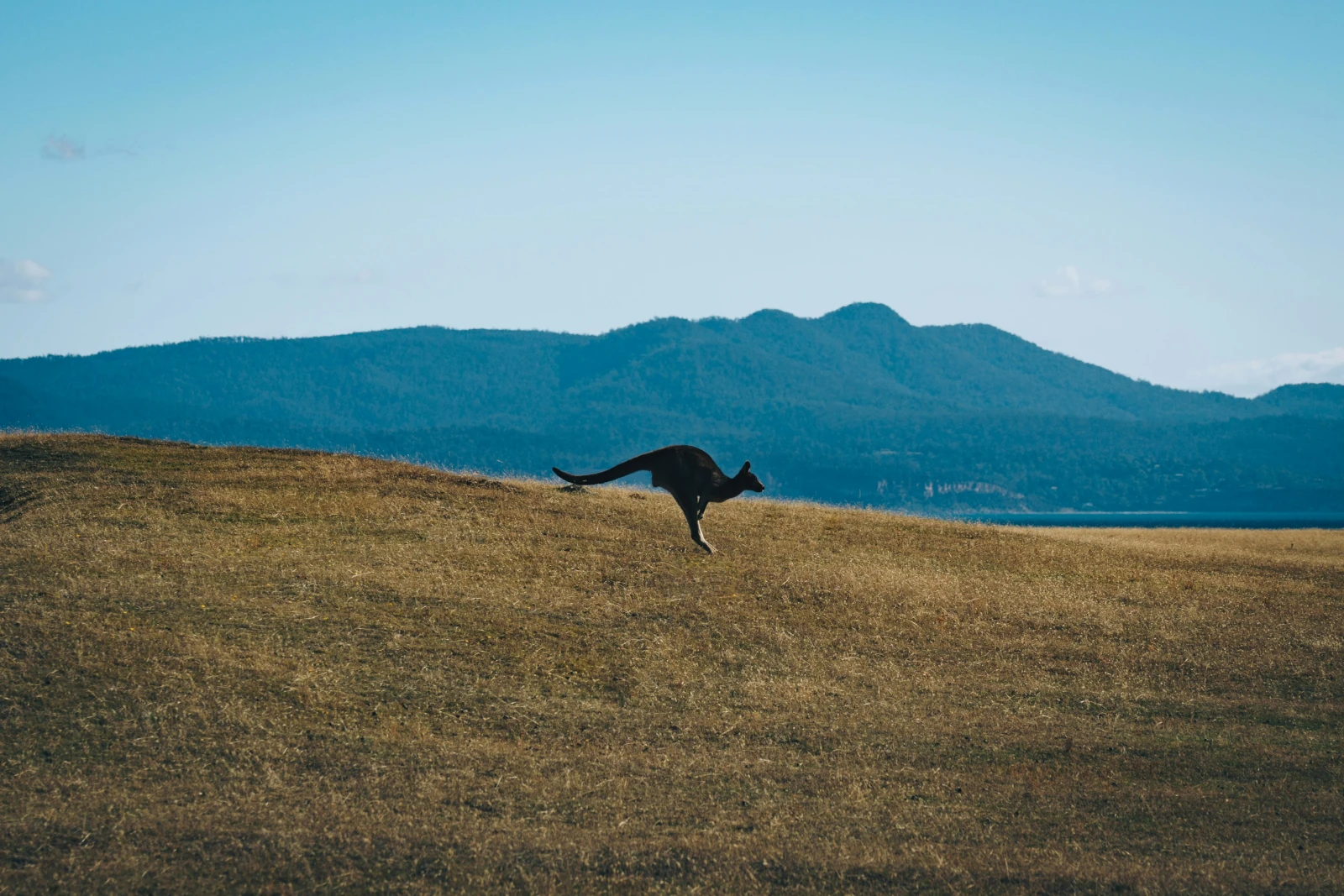
In March 2025, a new front opened in the global conversation about ethical materials. In Washington, D.C., U.S. Representatives Brian Fitzpatrick and Jan Schakowsky introduced the Kangaroo Protection Act, a bipartisan bill designed to end the import and sale of kangaroo-derived products across the United States. The legislation targets a trade that connects the open grasslands of Australia with the glossy pitches of international football and the polished floors of luxury showrooms. The proposed law signals a shift in how the world’s largest consumer economy perceives animal-derived luxury and raises urgent questions for an industry that still relies on the myth of exceptional materials, even when those materials come at an extraordinary cost.

For decades, kangaroo leather, known within design and sportswear circles as K-leather, has been prized for its rare combination of lightness, strength and flexibility. It has served as the secret ingredient behind some of the most iconic football boots and luxury accessories, from the Adidas Copa Mundial to bespoke motorcycling gear. The appeal lies in the texture and resilience of the hide, which is both thinner and tougher than cow leather, able to mould precisely to the body or the foot. For generations of designers, K-leather represented a quiet triumph of nature’s engineering.
But the conversation has changed. What was once an insider’s secret has become a public controversy, and the fight against kangaroo leather has evolved into a test of fashion’s ethical ambitions. It asks whether innovation and performance can still be used as justification for the industrial killing of wild animals and whether the future of material design must finally detach itself from cruelty altogether.
A global reckoning
In America, we don’t allow mass commercial slaughter of our iconic wildlife for domestic and foreign trade in their parts. Neither should we serve as a key market for other nations that mistreat their wildlife in such an appalling way.
The numbers are difficult to ignore. Roughly a million kangaroos are killed each year for their skins and meat, a figure that excludes hundreds of thousands of joeys left orphaned or killed in the process. Australia’s commercial harvest of kangaroos remains the largest slaughter of wild terrestrial animals on Earth, and the majority of the resulting materials are exported. The image of a sportswear giant sourcing its leather from a nocturnal cull in the Australian bush jars with the industry’s current obsession with sustainability reports and carbon accounting. Yet this contradiction has persisted for years: global brands pledging climate neutrality while sourcing hides from animals shot under floodlights.
Wayne Pacelle, president of Animal Wellness Action and the Centre for a Humane Economy, two organisations leading the campaign against the trade, has described the issue in stark terms. “In America, we don’t allow mass commercial slaughter of our iconic wildlife for domestic and foreign trade in their parts,” he said when the new legislation was introduced. “Neither should we serve as a key market for other nations that mistreat their wildlife in such an appalling way.” The statement underlines how the debate has transcended animal welfare and entered the language of international trade ethics. Fashion is no longer being asked simply to look good; it is being asked to represent values.

The Kangaroo Protection Act follows years of campaigning under the banner ‘Kangaroos Are Not Shoes’, a slogan that began as a protest and has since evolved into a full-fledged industry reckoning. The campaign has already achieved measurable results. Nike, Puma, New Balance, Diadora and Sokito have all pledged to end their use of kangaroo leather. Diadora, Versace and Prada made the switch as early as 2020. Nike followed in 2023, replacing the K-leather used in its legendary Tiempo football boots with a proprietary synthetic called FlyTouch Plus, a material designed to offer a comparable fit and touch. Puma’s iconic King boots, once synonymous with kangaroo leather, now use an advanced synthetic called K-Better. The performance gap that once justified the trade has quietly closed.
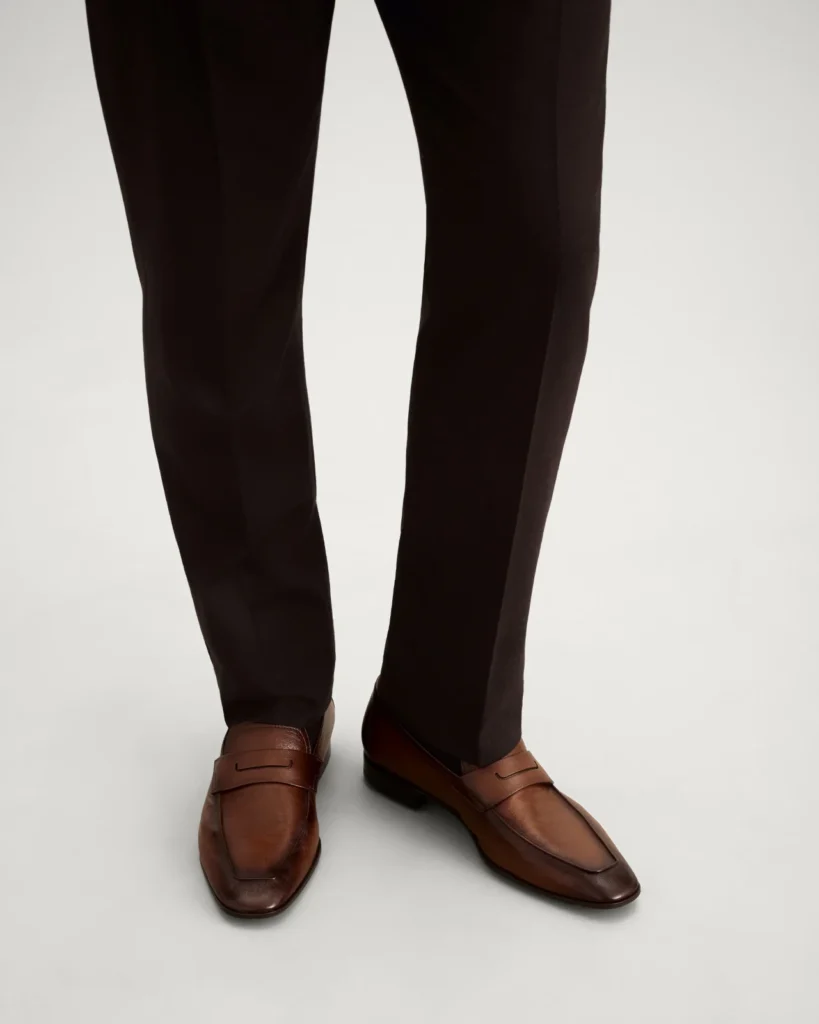
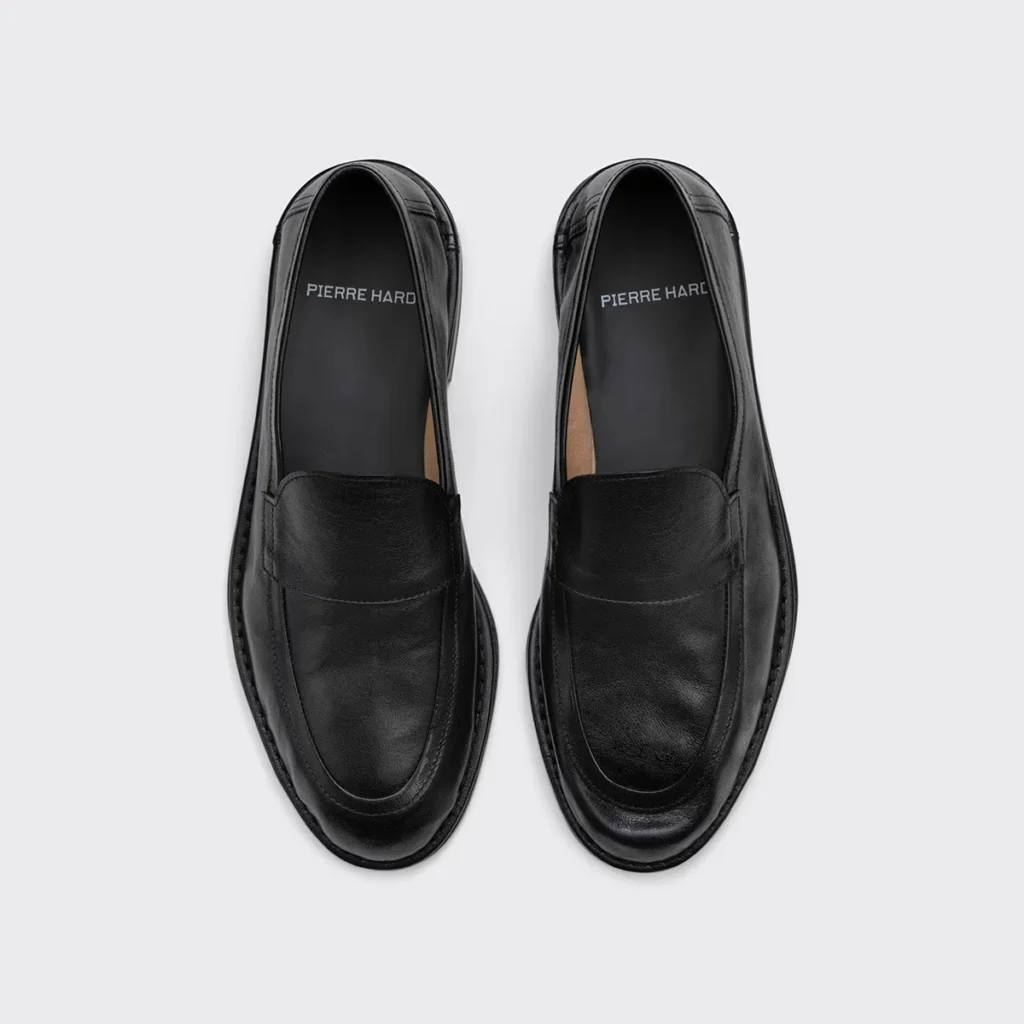
By early 2025, Adidas, the most emblematic holdout, confirmed that it would stop sourcing kangaroo skins entirely. ASICS, too, announced a full phase-out by the end of the year. The number of brands still using K-leather has become vanishingly small, though Mizuno remains under scrutiny from animal-welfare advocates. Berluti, Pierre Hardy, and Artioli continue to retail shoes made with K-leather. As this last tier of brands faces increasing pressure, the issue has shifted from performance to reputation: continuing to use kangaroo leather no longer signals craftsmanship, but obstinacy.
The ethical paradox
The paradox, of course, is that kangaroo leather’s appeal has always been bound up with the very qualities that make it morally uncomfortable. The animals are wild, not farmed; their skins are not a by-product of another industry, but a primary commodity. This distinction has long been used to market the material as more natural or sustainable than conventional leather, yet it is precisely this wildness that makes the practice troubling. Kangaroos are hunted under licence, often at night. While the industry operates under a code of practice, independent investigations have documented widespread breaches, including misshooting, orphaned joeys, and the use of crude killing methods in remote areas where oversight is minimal.
For an industry increasingly dependent on storytelling, this is a narrative problem as much as an ethical one. Luxury fashion thrives on the romance of origin: the Tuscan tannery, the Scottish mill, the French atelier. The kangaroo trade offers no such romance, only the image of an animal shot from a truck, its body stripped and processed for export. As consumers demand traceability and humane sourcing, the idea that a luxury brand would celebrate this chain of production feels almost anachronistic.
The synthetics now being used to replace K-leather are far from the stiff plastics of the 1980s.
The argument from defenders of the trade tends to fall back on function. Kangaroo leather, they insist, remains lighter and stronger than any rival material, giving athletes a tactile edge. But that claim is increasingly tenuous. New synthetics, engineered at a molecular level, now match or surpass K-leather in performance. The difference is no longer felt on the pitch or the runway, only in conscience. Lori Kalef of SPCA International put it bluntly: “These companies have touted their sustainability goals and commitment to the environment, yet are still driving this massive commercial kill.”
A material revolution
Within fashion’s broader shift toward material innovation, the rejection of kangaroo leather represents a deeper cultural transition. For decades, natural animal hides were shorthand for authenticity and craftsmanship. Real leather meant quality, while synthetic alternatives were dismissed as cheap substitutes. That hierarchy is being dismantled. The new generation of synthetic and bio-based materials does not aim to imitate leather as much as to replace it with something conceptually superior, lighter, cleaner, traceable, and cruelty-free. In design terms, this is a revolution not of substitution, but of redefinition.
The synthetics now being used to replace K-leather are far from the stiff plastics of the 1980s. Nike’s FlyTouch Plus, for example, is a microfibre composite that offers breathability and stretch while being 45% lighter than previous synthetics. Puma’s K-Better, developed over several years, uses non-animal polymers engineered to replicate the cell structure of natural hide. Adidas has been investing in both recycled synthetics and plant-derived alternatives. At the material level, the gains are clear: consistency of finish, improved water resistance, reduced waste, and a dramatically smaller ethical footprint.

Beyond synthetics, the rise of bio-materials is reshaping the conversation entirely. Piñatex, made from pineapple leaves, Mylo, a mushroom-based leather substitute, and cactus-based Desserto are among the new class of vegan leathers entering fashion and footwear manufacturing. Their aesthetics are diverse, their production scalable, and their appeal immediate: they carry the look and feel of luxury without the guilt attached. Though still in their commercial infancy, these materials represent the future that fashion’s ethical consumers expect, a future in which luxury and responsibility are no longer opposing forces.
The cultural shift
For the industry, the debate over kangaroo leather has become a case study in how quickly public sentiment can shift. Five years ago, the idea of global sports brands abandoning the material would have seemed far-fetched. Today, it feels inevitable. Consumer consciousness has matured, and the power of social media campaigns has amplified accountability. Protests outside Adidas stores in London, Sydney and New York, coordinated by organisations such as Animal Wellness Action, Their Turn, and the Animal Justice Party of Australia, have forced executives to confront a simple truth: ethical transparency is now a market expectation, not a public relations exercise.
The fashion industry, particularly its luxury and performance segments, has long relied on the idea of exceptionalism, that a brand’s legacy and craftsmanship placed it above political or environmental critique. That immunity has eroded. The move away from exotic skins, the rejection of angora, mohair and fur, and now the campaign against kangaroo leather all point towards the same reckoning: material innovation cannot be separated from moral innovation.
A shoe, jacket or handbag crafted from an animal killed in the wild is no longer a symbol of heritage; it is a relic of outdated thinking.
There remains a tendency within some design circles to treat these debates as distractions from creativity, but in truth, they are integral to it. The materials we choose to work with shape both the object and the idea it represents. A shoe, jacket or handbag crafted from an animal killed in the wild is no longer a symbol of heritage; it is a relic of outdated thinking. The shift to cruelty-free materials is not a concession to activism but a demonstration of design intelligence, the ability to create beauty without violence.
Policy, progress & pressure
What makes the current moment decisive is the alignment of cultural, technological and legislative pressure. If passed, the Kangaroo Protection Act, which was reintroduced in the US Senate in June 2025 by Senator Tammy Duckworth, will set a precedent that reverberates far beyond the United States. California has already reinstated its own ban on kangaroo-derived goods, and enforcement actions are underway against retailers who continue to sell them. The European Union, which has historically imported smaller quantities, is under mounting pressure to consider similar restrictions.
For Australian exporters, the combination of falling demand and growing scrutiny has already begun to bite. Government counts show that the annual commercial kill has dropped from around 1.7 million animals to roughly a million since campaigns against the trade began, a decline that reflects both changing consumer attitudes and reduced brand participation.
For fashion houses that still work with exotic leathers, the message is clear: the market for animal-derived novelty materials is shrinking. Consumers are increasingly capable of distinguishing between authenticity and cruelty, between craft and harm. Younger buyers in particular, raised in an era of climate anxiety and digital transparency, are unlikely to romanticise materials that depend on animal suffering.
When Nike or Adidas re-engineers a boot using advanced synthetics, the decision is communicated as progress, not deprivation. The narrative of performance has simply changed direction: the lighter, faster, more intelligent choice is now also the humane one.
The next chapter
Fashion has always been a mirror of cultural conscience. The rejection of fur, the embrace of recycled fabrics, and the rise of circular production systems each redefined what the industry values.
Still, for all the optimism surrounding innovation, the path forward is not without complexity. Some environmentalists warn that synthetic replacements, if derived from petrochemicals, can carry their own ecological costs through microplastic pollution and end-of-life disposal issues. Others within Australia argue that halting the kangaroo trade may undermine rural livelihoods or disrupt population management. These concerns are not trivial, but they do not outweigh the moral imperative to end unnecessary suffering. The real challenge for the industry is to ensure that alternatives are genuinely sustainable, not merely cruelty-free in branding.
That is where investment and collaboration become critical. The most forward-thinking fashion houses are already treating material innovation as part of their research and development pipelines, not their marketing budgets. Supporting the growth of bio-material start-ups, partnering with universities, and demanding full traceability from synthetic suppliers will determine whether the shift away from K-leather represents real progress or just another cycle of substitution.
The movement against kangaroo leather, then, is not just about one material. It is about recalibrating an entire philosophy of production. The fashion and sportswear industries are being forced to confront the uncomfortable reality that excellence can no longer be built on the suffering of sentient beings. The future of luxury lies in imagination, in the ability to craft desirable, high-performing goods without replicating the moral blind spots of the past.
Beyond tradition
There is a poignancy to this transition. For much of the 20th century, kangaroo leather was a quiet point of pride for those who prized craftsmanship: the small batch, the premium feel, the whisper of exclusivity. To see it vanish may feel, to some, like a loss of tradition. Yet that nostalgia is misplaced. What is being left behind is not a tradition of artistry but a tradition of exploitation, one dressed for too long in the language of excellence. The real artistry now lies in the ingenuity of those developing alternatives, in the designers willing to rethink what premium means.
The fight over kangaroo leather represents the moment fashion decides whether its future will be built on innovation or indifference.
Fashion has always been a mirror of cultural conscience. The rejection of fur, the embrace of recycled fabrics, and the rise of circular production systems each redefined what the industry values. The departure from kangaroo leather is another step in that evolution, marking a broader recognition that true luxury lies in respect: respect for craft, for ecology, and for the living beings that share the planet with us.
If the past century was defined by the extraction of resources, labour and animal lives, the century ahead will be defined by responsibility. The fight over kangaroo leather may seem like a narrow issue, confined to a single species and a specialised material. In truth, it represents something much wider: the moment fashion decides whether its future will be built on innovation or indifference.