

For decades, India has been a lucrative destination for Swiss luxury watchmakers. From Rolex to Patek Philippe, international brands have long enjoyed strong resonance with India’s affluent consumers. Yet, while the country has passionately consumed luxury, its role as a contributor—let alone a creator—in the global watchmaking narrative has remained largely unspoken. Until now.
In 2025, three Indian watch brands—Titan, Bangalore Watch Company (BWC), and Jaipur Watch Company (JWC)—have ignited an inflection point in India’s horological evolution. Through daring design, masterful craftsmanship, and a deeper commitment to storytelling, these brands are pushing the boundaries of what ‘luxury made in India’ can signify to the world.
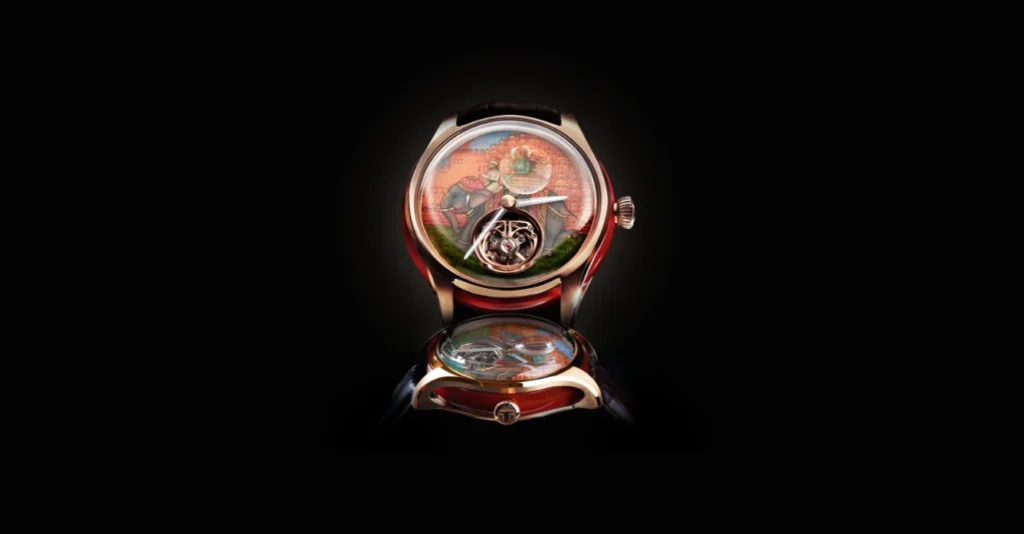
Titan, India’s largest watchmaker, has stunned the global stage with Jalsa, its most ambitious timepiece to date. Launched under its premium Nebula brand, Jalsa is a ₹40.5 lakh, 10-piece limited edition watch that draws inspiration from the 225th anniversary of Jaipur’s Hawa Mahal. The intricate dial features miniature hand-painted art by Padma Shri awardee Shakir Ali, created through an immersive craft collaboration with Craft Village under the guidance of Iti Tyagi and Prof. Somesh Singh. From goldsmithing to gemstone setting, over 1,200 hours of handwork culminated in this horological tourbillon masterpiece.
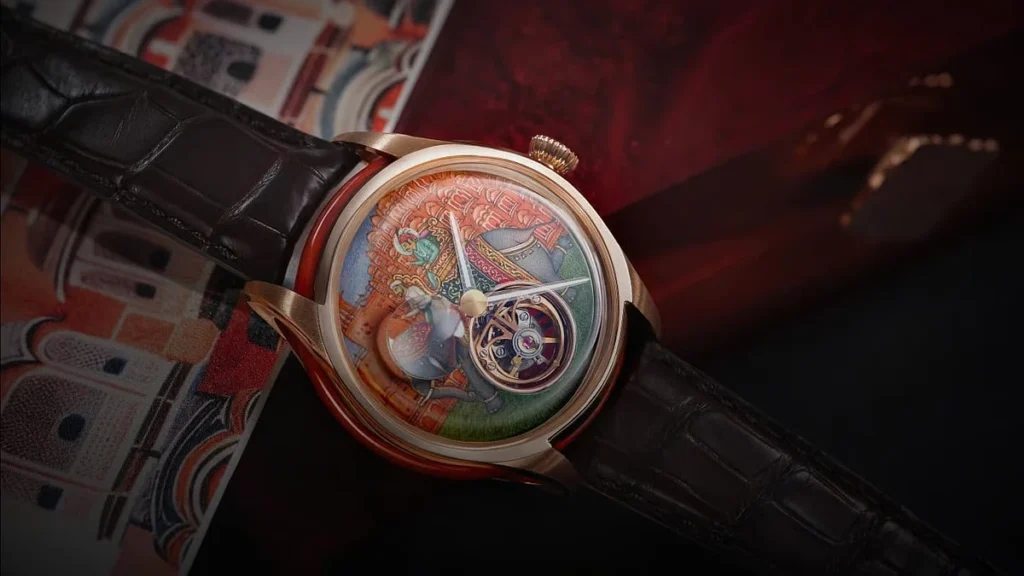
Titan has officially submitted Jalsa as its first-ever entry to the Grand Prix d’Horlogerie de Genève (GPHG), considered the Oscars of watchmaking. As CK Venkataraman, Managing Director of Titan Company, reflects, “We collectively dreamed of this moment… Jalsa is a result of lifting our capabilities to a whole new level in design, engineering, and retail.”
While Titan brings scale and legacy, Bangalore Watch Company represents India’s micro-luxury future. With an ethos rooted in modern India, BWC has submitted two timepieces from its Peninsula Professional collection—Peninsula Agumbe in the Sports category and Peninsula Mannar in the Challenge category—to the 2025 GPHG.
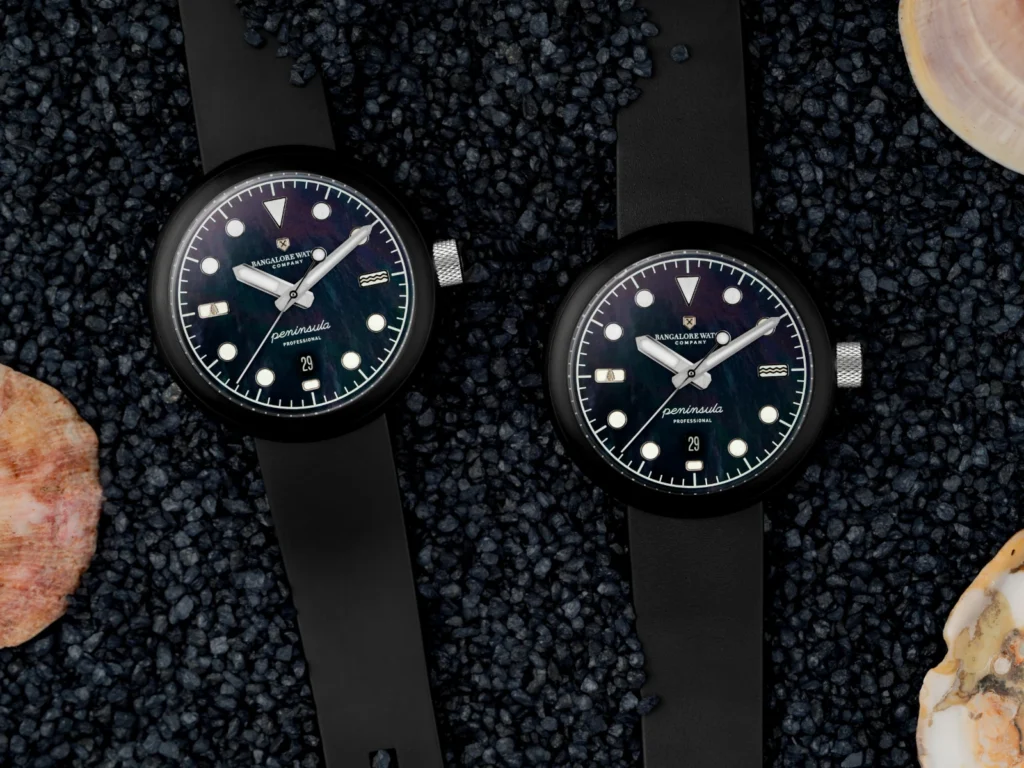
Notably, before their official submission, the GPHG jury had independently identified the Peninsula line as noteworthy, marking a rare recognition for an independent Indian brand. Featuring surgical-grade steel, 200m water resistance, and Swiss Sellita movements, these tool watches offer a compelling blend of rugged performance and refined design. For BWC, founded by tech-industry professionals Nirupesh Joshi and Mercy Amalraj, this represents both validation and vision—a belief that Indian design and engineering can meet global benchmarks on merit.
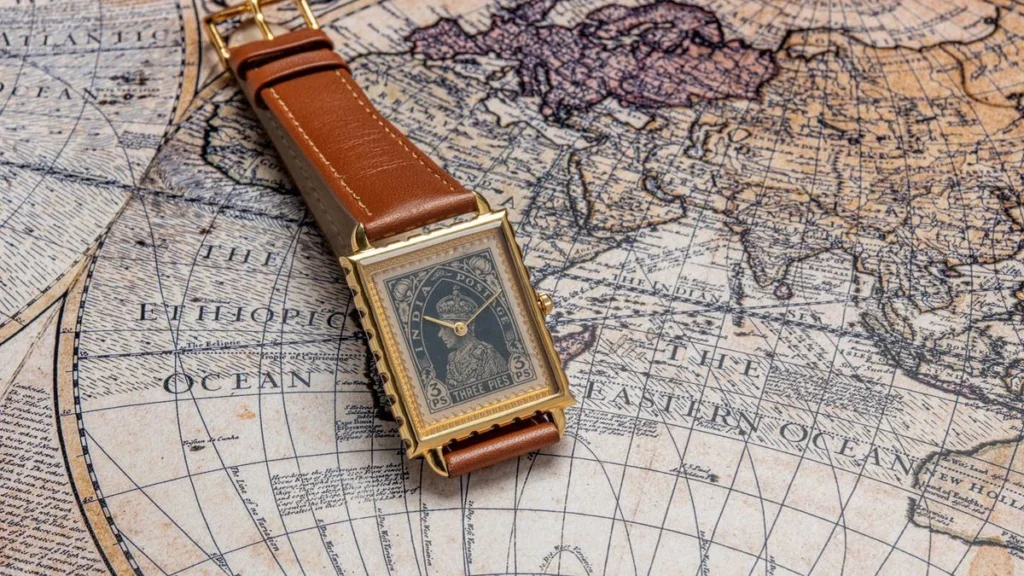
Jaipur Watch Company, meanwhile, continues to cultivate a unique space within Indian luxury through storytelling rooted in heritage. While not a contender at GPHG this year, JWC has pioneered the use of vintage coins, stamps, and Mughal-era motifs in its watch collections, turning each timepiece into a wearable slice of Indian history. Collections like Eternal and Royal Baagh appeal to a clientele that seeks cultural authenticity over mere status. Founder Gaurav Mehta frames it aptly: “Our watches are wearable history—each coin or stamp narrates India’s legacy.”
The challenge is no longer in skill, but in scale, storytelling, and strategic ownership.
Together, these three brands reveal a growing shift—from India as a luxury consumer to a credible luxury creator. This pivot is not merely symbolic; it has economic, cultural, and strategic consequences. On one hand, it opens the door for high-value exports and strengthens India’s artisanal supply chains. On the other, it reframes the global perception of Indian design—away from craft as exotic novelty, and toward luxury as a domain India can define and lead.
In this evolving ecosystem, a new generation of educational and advocacy institutions like Luxury Connect are playing a catalytic role. By equipping artisans, designers, and founders with the tools of global luxury strategy, India is slowly building the soft infrastructure required to compete globally. Among such platforms, collaborative programs emerging from institutions like Craft Village and industry-aligned initiatives driven by specialized schools like LCBS are laying the foundation for what could well become a new era in Indian luxury.
Indeed, these developments are timely. As global brands frequently flirt with Indian aesthetics—think Dior’s mukkaish embroidery, Louis Vuitton’s rickshaw-shaped handbags, or Prada’s Kolhapuri-inspired footwear—India must shift from being a muse to being a maker. The challenge is no longer in skill, but in scale, storytelling, and strategic ownership.
As 2025 unfolds, Titan’s Jalsa, BWC’s Peninsula watches, and JWC’s heritage-forward creations do more than just tell time—they declare that the time for Indian horology is now.