
For decades, luxury was built on distance.
The world’s great maisons mastered not just craftsmanship, but controlled inaccessibility. Waiting lists, scarcity, ritual, selective distribution, and symbolic hierarchy were not accidental byproducts of luxury. They were the architecture of luxury itself. And the dream mattered because it could not be easily touched.
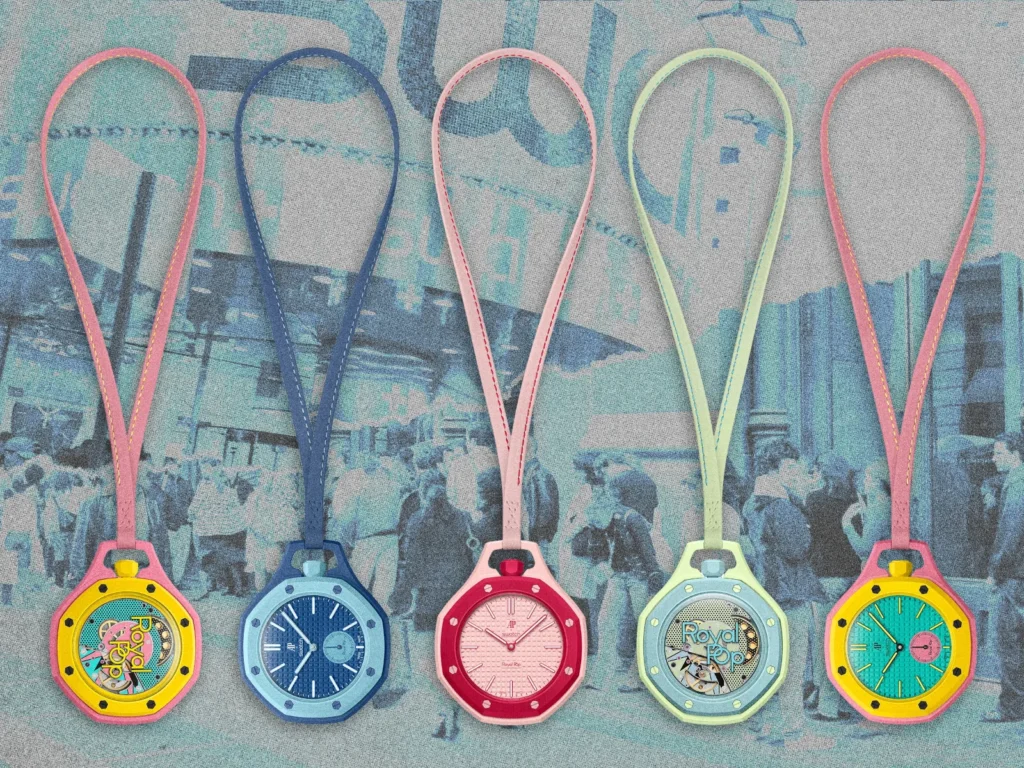
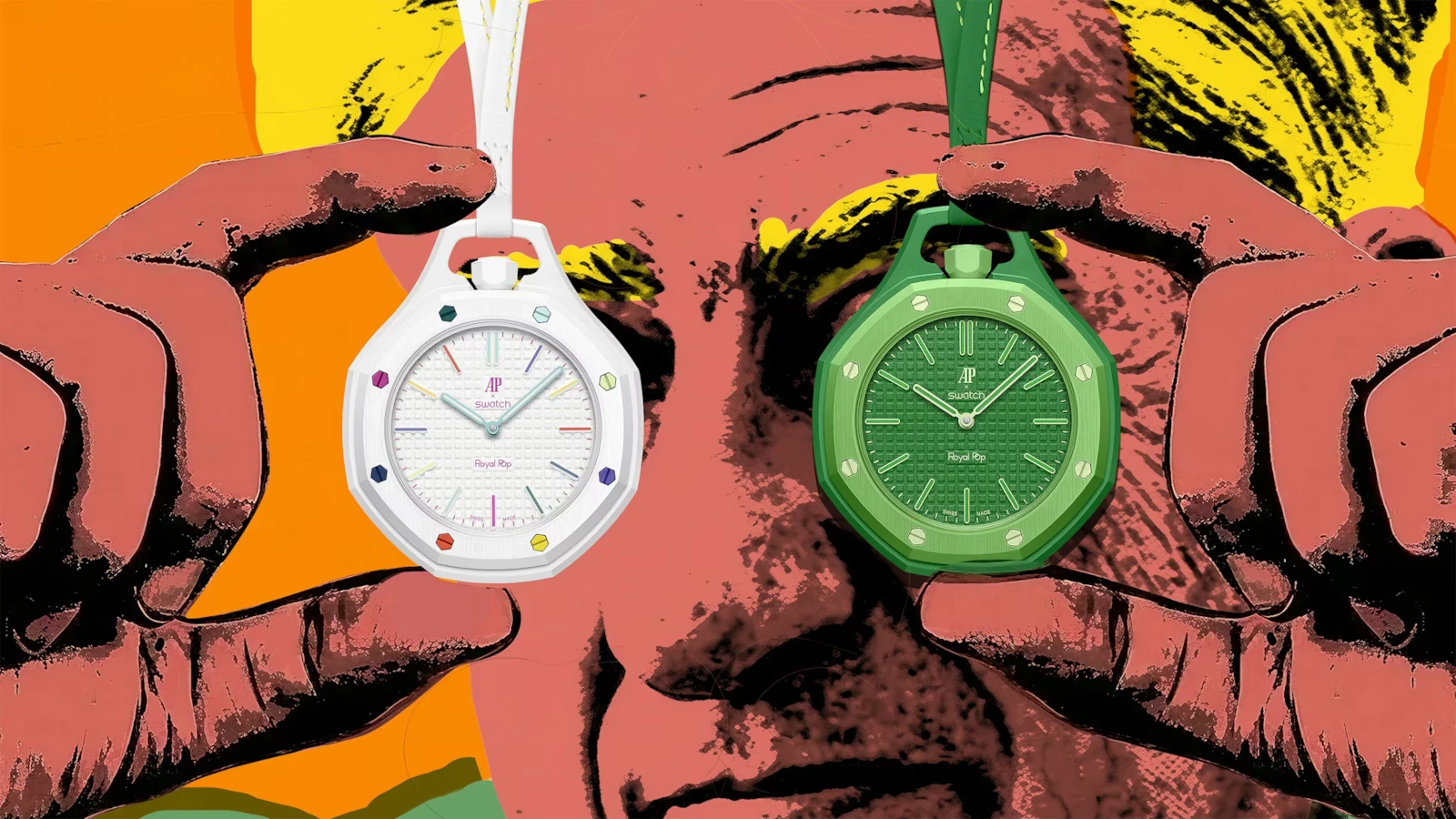
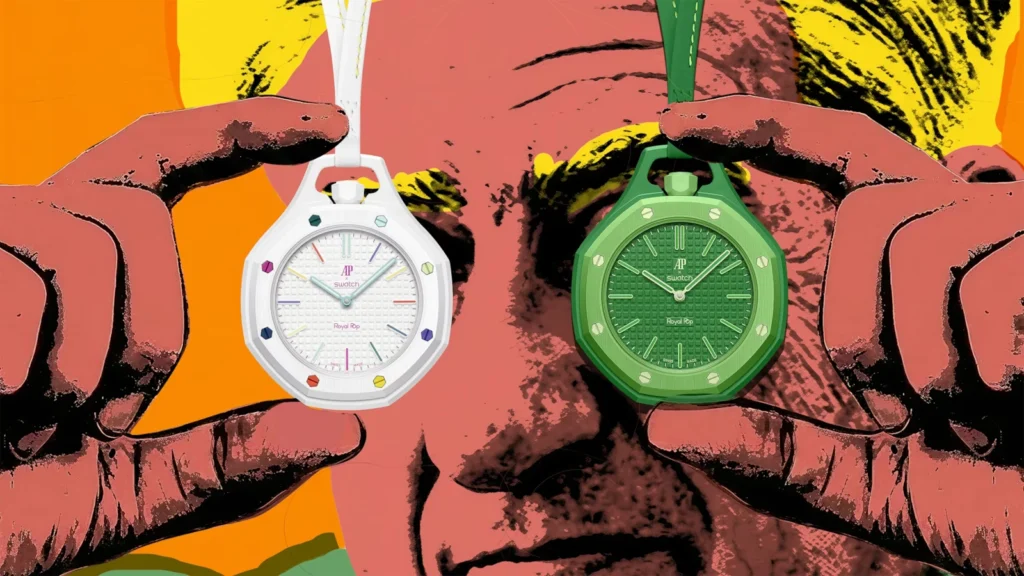
That is what makes the recent Swatch × Audemars Piguet collaboration so significant. Not because of the watch itself, but because of what it reveals about the evolving psychology of modern luxury.
Increasingly, luxury brands are no longer merely protecting reverence. They are negotiating relevance. And those are not always compatible objectives.
The Swatch × Omega collaboration once appeared like an outlier. Then came Blancpain. Now AP. Fashion and luxury have been experimenting with similar mechanics for years — collaborations designed to generate hype, queues, cultural participation, and social visibility.
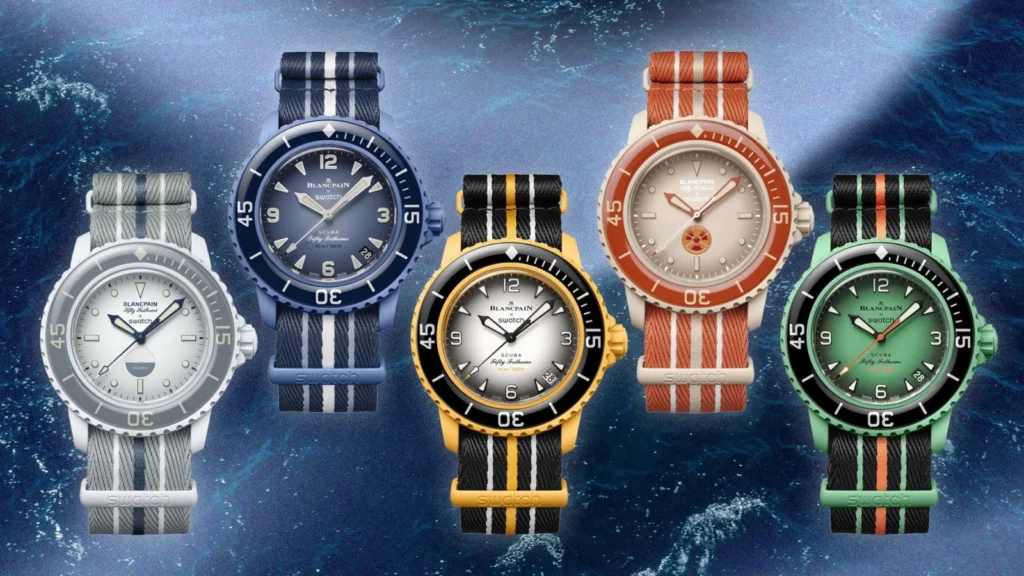
At first glance, these appear to be marketing exercises. But beneath the surface lies a deeper structural reality: the luxury consumer economy itself is changing.
The K-Shaped Luxury Economy
We are entering a K-shaped luxury era.
At the top of the pyramid, ultra-high-net-worth consumers continue moving upward into rarer, quieter, and more exclusive forms of luxury. Scarcity remains deeply valuable there.
At the same time, a much larger aspirational audience increasingly seeks participation rather than ownership. Cultural proximity now matters almost as much as possession itself.
Not all consumers are moving upward equally anymore. The middle of the market is becoming harder to sustain.
This changes the role of collaborations entirely. Luxury collaborations are no longer merely creative exercises. They are increasingly economic adaptation mechanisms.
Historically, luxury operated through deferred aspiration. Consumers climbed slowly through layers of premiumisation over time. Accessible luxury acted as a stepping stone toward higher symbolic worlds.
But the K-shaped economy has fragmented that ladder.
Not all consumers are moving upward equally anymore. The middle of the market is becoming harder to sustain. Purchasing power is polarising. Younger audiences increasingly reject the idea that participation in luxury culture should be delayed for decades.
Brands understand this. And so collaborations become bridges between symbolic prestige and broader cultural access.
The Three Types of Luxury Collaborations
Not all collaborations function the same way. In fact, modern luxury collaborations now broadly fall into three distinct categories.
1. Mythology-expanding collaborations
These collaborations strengthen luxury mythology while preserving symbolic hierarchy.
Think:
- Fendi × Versace
- Dior × Jordan
- Louis Vuitton × Yayoi Kusama
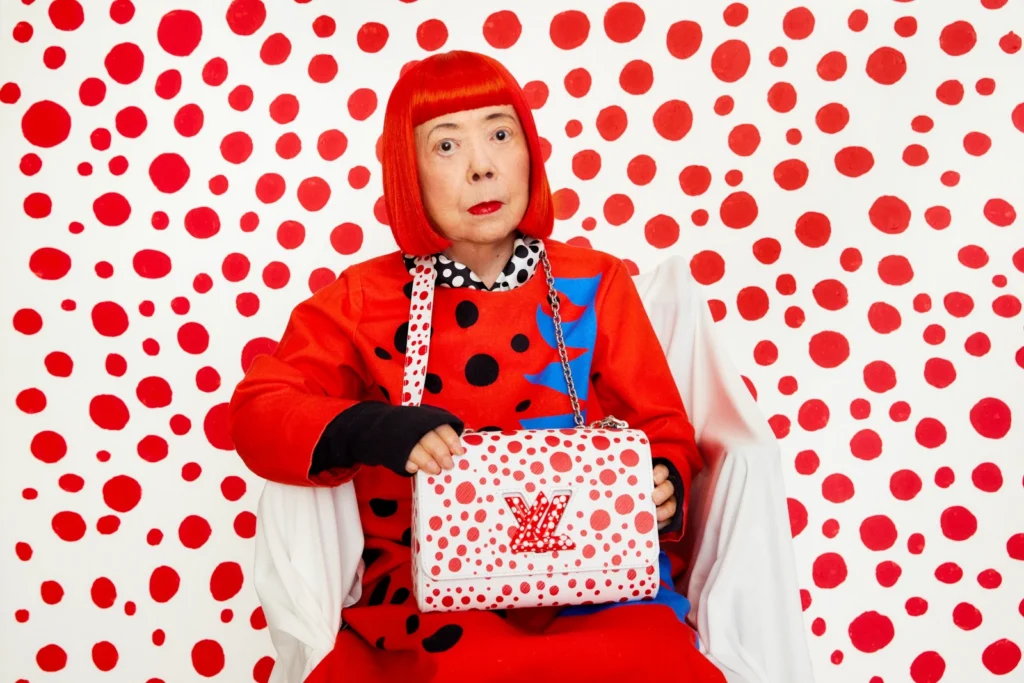
These collaborations operate laterally or upward within adjacent symbolic universes. They deepen cultural meaning without dramatically compressing distance.
Luxury remains aspirational. The collaboration extends mythology rather than weakening it.
2. Cultural-amplification collaborations
These include:
- Gucci × Adidas
- Supreme × Louis Vuitton
- Tiffany × Nike
Their objective is visibility, relevance, youth culture participation, and meme amplification. These collaborations widen cultural attention while still retaining partial symbolic barriers.
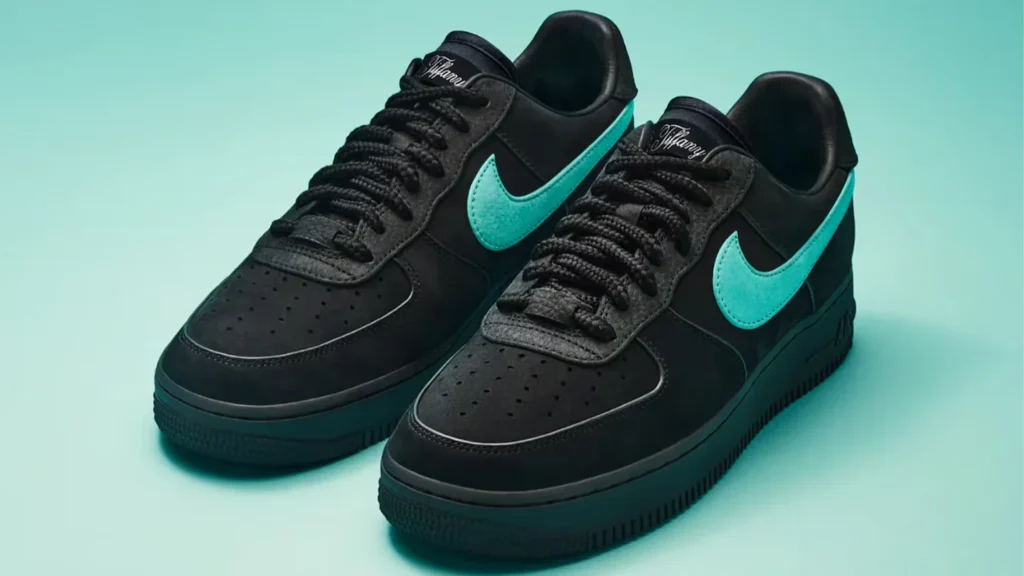
The risk level here is moderate but manageable. Luxury expands culturally without fully collapsing exclusivity.
3. Symbolic-compression collaborations
This is where the psychology changes fundamentally.
Examples include:
- H&M × Balmain
- H&M × Versace
- H&M × Sabyasachi
- Swatch × Omega
- Swatch × Blancpain
- Swatch × AP
These collaborations do not merely democratise luxury. They compress symbolic hierarchy itself.
They allow mass audiences to participate in the emotional and visual codes of luxury at dramatically lower thresholds of access. And that changes the psychology of aspiration.
The recent Swatch × AP launch demonstrated this vividly.
Queues formed globally.
Consumers camped outside boutiques.
Resale markets exploded within hours.
Stores struggled to manage crowd surges.
The frenzy resembled sneaker drops more than traditional luxury retail. But the hysteria was not driven by horology alone. Consumers were not merely purchasing watches. They were purchasing proximity to a symbol previously considered inaccessible.
That distinction matters enormously, because the real commodity increasingly becomes:
symbolic participation.
Luxury historically monetised ownership. Modern collaborations increasingly monetise participation. This is not merely accessibility. It is ‘participation luxury’.
When Participation Becomes the Product
If they remain too exclusive, younger consumers may disconnect culturally. If they become too accessible, symbolic prestige may quietly erode.
Historically, luxury derived power from controlled separation:
- waiting
- ritual
- scarcity
- selective access
- symbolic distance
Modern collaborations increasingly reverse that equation. They create controlled proximity.
The challenge is that proximity scales far faster than mystique. Once symbols become overly familiar, rebuilding aspiration becomes extraordinarily difficult.
This is where many luxury houses now face a dangerous balancing act. If they remain too exclusive, younger consumers may disconnect culturally. If they become too accessible, symbolic prestige may quietly erode.
That tension increasingly defines modern luxury strategy itself.
The Hermès Contrast
This is precisely why Hermès remains so fascinating in the current luxury cycle.
Unlike many modern luxury houses, Hermès has largely resisted symbolic compression. Instead, it continues protecting its scarcity, rituals and symbolic difficulty of access.
Hermès understands something fundamental: luxury loses power when participation becomes too easy. Which may explain why Hermès remains uniquely powerful in K-shaped economies.
Because in polarised economies, the very top often becomes stronger precisely when the middle weakens.
Luxury historically depended on controlled distance. Modern collaborations increasingly depend on controlled proximity.
Relevance vs Reverence
The irony is that many luxury brands today are facing two simultaneous fears:
- the fear of becoming too distant for younger audiences
- and the fear of becoming too familiar for core clientele
This is the new luxury dilemma, where relevance drives visibility, and reverence protects aspiration.
Luxury historically depended on controlled distance. Modern collaborations increasingly depend on controlled proximity.
The brands that survive the next decade may ultimately be the ones that understand exactly how much accessibility they can afford before symbolic value begins quietly eroding.
Because proximity scales much faster than mystique.